Women's Health
What Happens to Estradiol Levels in PCOS?
Most people assume estradiol is simply 'high' in PCOS, but the reality is more complicated — and more disruptive. Follicular arrest, insulin-driven steroidogenesis, and chronic anovulation create a pattern of estrogen exposure that looks normal on a single lab draw but wreaks havoc on hormones, weight, mood, and metabolic health over time.
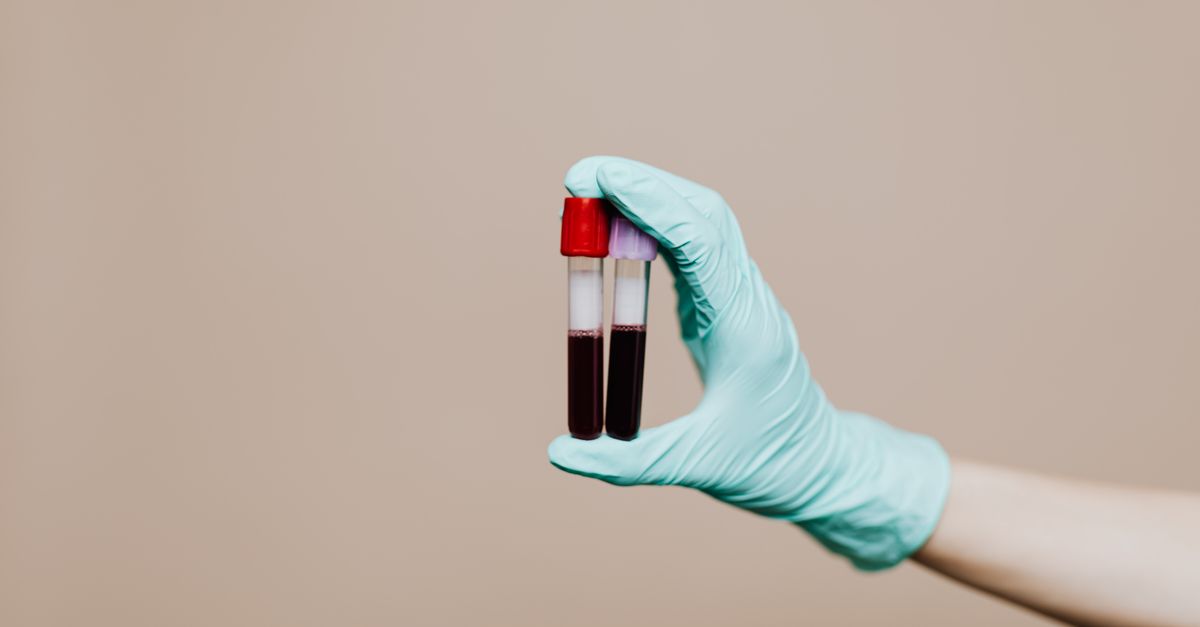
What Happens to Estradiol Levels in PCOS?
Estradiol in PCOS is not reliably high or low — it is unpredictable. Because follicles stall before ovulation, estradiol rises during follicular development but never peaks normally, leaving many women in a state of prolonged, low-grade estrogen exposure without a progesterone surge to balance it. The main caveat: serum estradiol on a single blood draw often looks "normal," which is why PCOS is frequently missed on standard panels alone. The exception is women with a concurrent estrogen-secreting tumor, where levels are genuinely elevated and require different management entirely.
---
How Estradiol Behaves Differently in PCOS
In a typical menstrual cycle, estradiol rises steadily as a dominant follicle matures, triggers an LH surge, and then drops sharply after ovulation while progesterone takes over. In PCOS, that sequence breaks down. Multiple small follicles develop simultaneously but none reaches dominance, so estradiol is secreted from many sources at once — producing a chronically elevated baseline without the sharp mid-cycle peak.
Research published in the Journal of Clinical Endocrinology & Metabolism found that women with PCOS had significantly higher mean estradiol concentrations relative to follicle size, reflecting disordered follicular steroidogenesis rather than simply more follicles (Jonard & Dewailly, JCEM 2004; PMID: 15181024). What makes this clinically significant is that estradiol without the corresponding progesterone surge creates unopposed estrogen exposure — a state associated with endometrial proliferation, mood instability, and worsened insulin resistance.
The underlying driver is a feedback loop involving luteinizing hormone (LH), insulin, and androgen excess. Elevated LH (often running at a 2:1 to 3:1 ratio over FSH in PCOS) overstimulates theca cells to produce androgens, which are then aromatized — primarily in granulosa cells and adipose tissue — into estradiol. The more adipose tissue present, the more aromatization occurs, which is why body composition has a direct bearing on estradiol levels in PCOS (Rosenfield & Ehrmann, Endocrine Reviews 2016; PMID: 27159876).
Insulin amplifies this further. Hyperinsulinemia downregulates sex hormone-binding globulin (SHBG), freeing more estradiol and testosterone into circulation. A 2013 study in Fertility and Sterility demonstrated that insulin-sensitizing therapy with metformin significantly raised SHBG and reduced free estradiol in PCOS women over six months, confirming that insulin is a primary lever in estradiol dysregulation — not just a bystander (Palomba et al., Fertility and Sterility 2013; PMID: 23312231).
This matters for how you interpret your own labs. If your estradiol reads 80–120 pg/mL on day 3 of your cycle, it may look "normal" on a reference range, but without confirming ovulation via progesterone on day 21 and tracking LH patterns, that single number tells you almost nothing about whether your estrogen exposure is actually appropriate.
For a broader look at how progesterone fits into this picture, see what happens to progesterone levels in PCOS.
---
Signs of High Estradiol in PCOS
Because estradiol in PCOS is rarely dramatically elevated — just chronically present without opposition — the signs are often subtle and overlap with other PCOS symptoms. Recognizing them matters because prolonged unopposed estrogen carries real downstream risks.
Common signs of relative estradiol excess in PCOS include:
- Heavy or prolonged periods when cycles do occur (endometrial buildup from sustained estrogen)
- Breast tenderness or swelling, particularly in the second half of the cycle
- Bloating and water retention that worsens mid-cycle
- Mood swings, anxiety, and irritability that don't resolve after menstruation
- Worsening migraines, especially hormonally triggered headaches
- Spotting or irregular breakthrough bleeding
- Brain fog and fatigue that intensifies without a clear cause
It's worth noting that these signs are not caused by estradiol alone — the absence of progesterone is equally responsible. The ratio matters as much as the absolute number. Women with PCOS who do ovulate occasionally may swing between these estrogen-dominant symptoms and the progesterone-dominant symptoms (fatigue, low libido, mood flattening) depending on the cycle.
Lab-wise, a serum estradiol drawn in the mid-luteal phase (day 19–22 of a 28-day cycle) alongside progesterone gives far more clinical information than a day-3 draw. If progesterone is below 3 ng/mL and estradiol is in the normal or high-normal range, that strongly suggests anovulatory estrogen exposure — the classic PCOS pattern.
For more on what the first signs of PCOS look like before hormonal panels are even ordered, that article covers the earliest clinical indicators.
---
How Stress Makes Estradiol Dysregulation Worse
Stress is one of the most underappreciated amplifiers of PCOS-related estrogen disruption, and it operates through several distinct mechanisms — not just cortisol.
First, cortisol competes with progesterone for receptor binding. When cortisol is chronically elevated, it occupies progesterone receptors, effectively reducing progesterone signaling even if serum progesterone looks adequate. This worsens the estrogen-to-progesterone imbalance without changing estradiol levels at all — which is why stress flare-ups feel hormonal even when your labs look "fine."
Second, cortisol stimulates adrenal androgen production (primarily DHEA-S and androstenedione), which feeds the aromatization pathway and raises estradiol indirectly. A 2016 study in Psychoneuroendocrinology found that women with PCOS showed exaggerated cortisol reactivity to psychological stressors compared to controls, and that this HPA axis dysregulation correlated with higher androgen and estrogen variability across the cycle (Benson et al., Psychoneuroendocrinology 2009; PMID: 19272715).
Third, chronic stress disrupts GnRH pulsatility. The hypothalamus controls LH and FSH release through pulsatile GnRH secretion. Stress — via elevated CRH and cortisol — suppresses GnRH pulse frequency, which in PCOS already runs abnormally fast. This creates a scenario where stress both directly impairs follicular maturation and indirectly worsens the androgen-to-estrogen conversion cycle.
What actually helps with stress in PCOS:
- Prioritize sleep consistency above everything else — even one night of poor sleep raises cortisol the following day and has measurable effects on LH pulsatility.
- Low-to-moderate intensity exercise (walking, yoga, swimming) reliably lowers cortisol; high-intensity training every day can raise it in women with already elevated baseline cortisol.
- Adaptogens with clinical evidence: Ashwagandha root extract at 300–600 mg standardized to withanolides has been shown in a double-blind RCT to reduce serum cortisol by 27.9% versus placebo over 60 days (Chandrasekhar et al., Indian Journal of Psychological Medicine 2012; PMID: 23439798).
- Magnesium: Magnesium deficiency is extremely common in PCOS and is associated with HPA axis hyperreactivity. Supplementing with 300–400 mg of magnesium glycinate daily has been shown to reduce self-reported stress and normalize cortisol awakening response in deficient adults.
Ones includes KSM-66 ashwagandha at the full clinical 600 mg dose and magnesium glycinate in its personalized formulas when cortisol dysregulation and HPA axis stress are flagged through lab data and wearable patterns — a relevant pairing for this particular PCOS mechanism.
---
PCOS, Estradiol, and Weight: What the Research Says
The relationship between estradiol and weight in PCOS runs in both directions — excess adipose tissue raises estradiol through aromatization, and excess estradiol (without progesterone opposition) promotes fat retention, particularly around the abdomen and hips. Understanding this bidirectional loop is essential for weight management in PCOS.
Adipose tissue is an active endocrine organ. Aromatase enzyme activity in fat cells converts androgens (androstenedione, testosterone) into estrone and estradiol. Women with PCOS who carry more adipose tissue — particularly visceral fat — aromatize more androgens, producing higher background estradiol even without ovarian contribution. This is one reason why postmenopausal women with high adiposity can have paradoxically elevated estradiol despite absent ovarian function.
For women with PCOS, this means weight loss has a direct hormonal payoff beyond metabolic health: even a 5–10% reduction in body weight has been shown to reduce free androgen levels by 30–35%, lower aromatization-derived estradiol, and restore spontaneous ovulation in a meaningful proportion of anovulatory women (Kiddy et al., Clinical Endocrinology 1992; PMID: 1559293). This is not about aesthetics — it is about interrupting a hormonal feedback loop.
For practical PCOS weight loss guidance, the most evidence-based approaches center on insulin reduction first:
- Lower glycemic load: Not necessarily low-carb, but prioritizing lower-GI carbohydrates, adequate protein (1.2–1.6 g/kg), and fiber to blunt postprandial insulin spikes.
- Resistance training: Increases insulin sensitivity in skeletal muscle, reducing hyperinsulinemia that drives both androgen production and SHBG suppression. Three sessions per week of compound movements have been shown to improve HOMA-IR in PCOS women within 12 weeks.
- Inositol: Myo-inositol (2000 mg twice daily) combined with D-chiro-inositol at a 40:1 ratio has demonstrated reductions in fasting insulin, testosterone, and BMI in multiple RCTs, with one 6-month trial showing a 73% ovulation restoration rate (Unfer et al., Gynecological Endocrinology 2017).
For more on what causes weight gain around the middle in PCOS and the specific fat distribution patterns linked to insulin resistance, that article covers the abdominal adiposity mechanism in detail.
---
When a Tumor Changes the Picture
A small but important minority of women diagnosed with PCOS — or initially misdiagnosed with it — have an underlying estrogen-secreting or androgen-secreting tumor that is driving the hormonal disruption. This is a scenario where the estradiol story changes completely.
Granulosa cell tumors of the ovary, for instance, are the most common estrogen-secreting ovarian neoplasms. They produce estradiol autonomously and can cause symptoms that look nearly identical to PCOS: irregular periods, endometrial thickening, and sometimes virilization. Unlike classic PCOS, however, estradiol levels are genuinely and persistently elevated — often above 200 pg/mL — and do not fluctuate with cycle phase in a predictable way.
Adrenal tumors (adrenocortical adenomas or carcinomas) can similarly produce androgens in excess, which then aromatize to estradiol and worsen a pre-existing PCOS phenotype. In these cases, DHEA-S is typically dramatically elevated (above 700 µg/dL) and doesn't suppress with dexamethasone testing, which differentiates adrenal tumor from functional adrenal androgen excess common in standard PCOS.
The clinical red flags that should prompt tumor investigation alongside a PCOS diagnosis include:
- Estradiol consistently above 200 pg/mL without an obvious follicular phase explanation
- Extremely rapid onset of virilization (months, not years)
- DHEA-S above 700 µg/dL
- Palpable ovarian mass on pelvic exam or ultrasound showing a solid lesion rather than the classic "string of pearls" appearance
- Inhibin B significantly elevated (a granulosa cell tumor marker)
If a tumor is identified, surgical management is primary — no supplement protocol or lifestyle intervention addresses an autonomous hormone-secreting neoplasm. This is a situation where the diagnosis changes everything and where medical management must precede any discussion of nutritional support.
For those with confirmed PCOS (without a tumor), what is a normal estradiol level in PCOS goes deeper into how to interpret your specific numbers against cycle phase and PCOS phenotype.
---
What This Means for Your Formula
Ones approaches PCOS-related estradiol imbalance by working upstream — targeting the insulin, cortisol, and androgen pathways that drive disordered estradiol production, rather than targeting estradiol directly.
Three ingredients most relevant to estradiol dysregulation in PCOS:
1. KSM-66 Ashwagandha (600 mg): Cortisol-driven HPA axis overactivity worsens LH pulsatility and adrenal androgen production, both of which feed estradiol dysregulation. KSM-66 at 600 mg has demonstrated a 27.9% cortisol reduction in RCT conditions over 60 days (Chandrasekhar et al., 2012; PMID: 23439798), making it relevant for the stress-amplified PCOS pattern.
2. Magnesium Glycinate (300–400 mg): Magnesium deficiency is disproportionately prevalent in PCOS and correlates with worse insulin resistance and HPA axis reactivity. Magnesium glycinate's superior bioavailability compared to oxide forms makes it the preferred delivery for correcting deficiency without GI side effects. Ones includes this in formulas where blood work and wearable data suggest HPA dysregulation or poor sleep quality.
3. Ones Endocrine Support Blend: For women with a PCOS phenotype involving thyroid and adrenal co-involvement — a common pattern where TSH runs in the high-normal range alongside elevated androgens — Ones' proprietary Endocrine Support blend is calibrated to address the interconnected hormonal signaling that standard single-ingredient approaches miss. For context on the thyroid-PCOS link, what happens to TSH levels when you have PCOS covers that interaction in detail.
Ones' AI analyzes bloodwork, wearable recovery data, and health history together — which means estradiol, SHBG, insulin, cortisol, and thyroid markers are read as a system, not as isolated values. The formula your AI practitioner builds reflects those relationships.
---
Key Takeaways
- Estradiol in PCOS is not simply high or low — it is chronically present without the progesterone surge that normally opposes it, creating sustained unopposed estrogen exposure.
- A single day-3 estradiol draw rarely tells the full story; mid-luteal progesterone alongside estradiol is far more informative about whether ovulation is actually occurring.
- Insulin resistance is the primary driver of estradiol dysregulation in PCOS through SHBG suppression and androgen aromatization — addressing insulin is addressing estrogen.
- Chronic stress amplifies the problem through cortisol's interference with progesterone receptors and adrenal androgen production; adaptogens and sleep quality are legitimate clinical targets here.
- Even a 5–10% reduction in body weight can lower free androgens by 30–35% and restore ovulation in anovulatory PCOS by reducing adipose aromatization.
- A tumor — granulosa cell or adrenal — can mimic or worsen PCOS-related estradiol dysregulation; red flags include very high estradiol, rapid virilization, or a solid ovarian mass on ultrasound, and require immediate medical investigation.