Women's Health
What Happens to Progesterone in Perimenopause?
Progesterone is the first hormone to fall in perimenopause — often years before estrogen follows — and its decline explains many of the earliest, most disruptive symptoms women experience. Understanding the timeline and mechanisms behind this drop is the first step toward doing something about it.
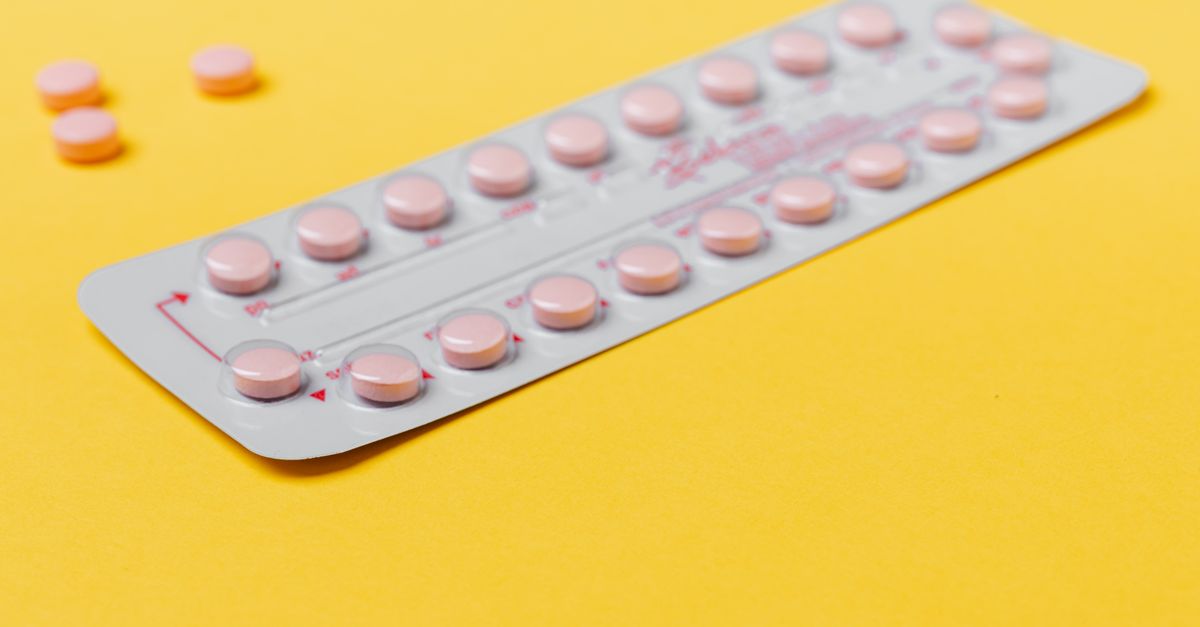
What Happens to Progesterone in Perimenopause?
Progesterone drops first — and it drops hard. In perimenopause, anovulatory cycles (cycles where no egg is released) become increasingly common, and since progesterone is only produced in meaningful amounts after ovulation, each skipped ovulation means near-zero progesterone that cycle. The result is a state of estrogen dominance relative to progesterone, even before estrogen itself begins to decline. Sleep disruption, anxiety, heavy periods, and mood instability are the earliest and most common consequences.
---
Why Progesterone Falls Before Estrogen Does
Most people think of perimenopause as an estrogen story. It isn't — or at least, it doesn't start that way. Progesterone production is tightly coupled to ovulation. After a mature follicle releases an egg, the leftover follicular shell (the corpus luteum) produces progesterone for roughly 10–14 days. If you don't ovulate, there is no corpus luteum, and progesterone stays low for the entire cycle.
From the mid-30s onward, the quality and quantity of ovarian follicles begins to decline. The brain responds by increasing LH and FSH output to try to stimulate the ovaries — a compensatory surge that can temporarily keep estrogen production going even as progesterone tanks (for more on how LH shifts in this phase, see what happens to LH levels in perimenopause). The gap between a still-functioning estrogen system and a flagging progesterone system is exactly what creates the hormonal imbalance characteristic of early perimenopause.
Research tracking hormone levels longitudinally confirms this pattern. A pivotal analysis from the SWAN (Study of Women's Health Across the Nation) cohort showed that luteal-phase progesterone concentrations begin declining measurably in the mid-reproductive years, roughly 7–10 years before the final menstrual period (Santoro et al., Journal of Clinical Endocrinology & Metabolism 2003; PMID: 12970330). By the time a woman notices irregular cycles, her progesterone has often been suppressed for years.
---
What Low Progesterone Actually Feels Like
Progesterone does far more than prepare the uterus for pregnancy. It:
- Converts to allopregnanolone, a neurosteroid that acts on GABA-A receptors in the brain — producing calm, reducing anxiety, and promoting deep sleep
- Counterbalances estrogen's proliferative effect on uterine tissue, preventing the lining from thickening unchecked
- Has a mild thermogenic effect (which is why basal body temperature rises slightly after ovulation)
- Supports thyroid hormone conversion from T4 to the active T3 form
- Acts as a natural diuretic, offsetting estrogen-related fluid retention
When progesterone falls, each of these functions is compromised. Clinically, the most commonly reported symptoms are:
| Symptom | Mechanism |
|---|---|
| Insomnia, poor deep sleep | Loss of allopregnanolone's GABA-A modulation |
| Anxiety and mood instability | Reduced GABAergic calming tone |
| Heavy or prolonged periods | Unopposed estrogen thickening the endometrium |
| Bloating and fluid retention | Loss of progesterone's natriuretic effect |
| Worsened PMS | Luteal phase progesterone deficiency |
| Breast tenderness | Relative estrogen excess |
A 2011 study in Menopause found that low luteal-phase progesterone in perimenopausal women was independently associated with worse sleep quality scores, even after controlling for hot flash frequency — suggesting the progesterone-GABA connection is a direct driver of sleep problems, not just a side effect of other symptoms (de Zambotti et al., Menopause 2018; PMID: 29064876).
---
How Stress Makes the Decline Worse
Stress is not just a lifestyle inconvenience during perimenopause — it is a direct endocrine disruptor. Both cortisol and progesterone are synthesized from pregnenolone, a common precursor. Under chronic stress, the adrenal glands preferentially route pregnenolone toward cortisol production. This phenomenon, sometimes called the "pregnenolone steal" or cortisol-progesterone competition, measurably reduces the substrate available for progesterone synthesis (Guilliams & Edwards, Standard Process 2010; discussed extensively in the HPA axis literature).
Beyond substrate competition, chronically elevated cortisol downregulates progesterone receptors, making the progesterone that is produced less effective at the cellular level. And high cortisol suppresses the GnRH pulse frequency needed to trigger normal ovulation — which loops back to the fundamental problem: no ovulation, no progesterone.
For women in perimenopause who notice their symptoms spike during high-stress periods — worse sleep, heavier periods, more anxiety — this is likely the mechanism. Managing the HPA axis isn't separate from managing perimenopause symptoms; it's central to it. Adaptogens like Rhodiola Rosea have shown measurable effects on cortisol output and stress resilience in double-blind trials (Darbinyan et al., Phytomedicine 2000; PMID: 11081987), which is why stress support is often part of a comprehensive perimenopause supplement strategy.
For a broader look at perimenopause anxiety and evidence-based supplement approaches, the HPA-axis connection is explored in more depth.
---
Progesterone and Digestion: An Underappreciated Link
Constipation is a complaint that rarely makes it into perimenopause conversations, but it should. Progesterone relaxes smooth muscle throughout the body — a feature that supports uterine quiescence during pregnancy, but that also slows gastrointestinal motility when progesterone is adequate. This sounds counterintuitive: shouldn't low progesterone mean faster motility and less constipation?
The reality is more complex. Fluctuating progesterone during perimenopause — rather than steadily low progesterone — appears to disrupt the rhythmic coordination of gut motility. Studies in women with IBS have shown that GI transit time and bowel symptom severity track with luteal-phase hormone fluctuations (Heitkemper & Jarrett, Gastroenterology 2008; PMID: 18466869). As progesterone cycles become erratic in perimenopause, some women experience alternating constipation and looser stools tied directly to hormonal swings.
Additionally, falling progesterone affects bile acid metabolism and gut microbiome composition. Estrogen and progesterone together regulate the enterohepatic circulation of bile; when the ratio shifts, bile flow and fat digestion can become less efficient. Women who notice new-onset digestive sluggishness in their 40s — particularly constipation without a clear dietary cause — should consider whether hormonal changes are a contributing factor, not just fiber intake or hydration.
Magnesium is relevant here on two levels: it supports smooth muscle relaxation in the gut, and it plays a role in HPA axis regulation and sleep quality — making it a useful complementary support for several perimenopausal symptoms simultaneously.
---
What Supports Healthy Progesterone Levels Naturally
Progesterone itself is a prescription hormone (as bioidentical progesterone or synthetic progestin). Supplements cannot raise serum progesterone the way HRT does. However, several evidence-based interventions support the upstream conditions that allow the body to produce and respond to progesterone more effectively:
Zinc
Zinc is required for the LH receptor signaling that triggers ovulation. In cycles where ovulation is marginal, zinc deficiency may be a tipping factor. A study in Biological Trace Element Research found that women with luteal phase defect had significantly lower serum zinc than matched controls (Bulut et al., Biological Trace Element Research 2009; PMID: 18651100). Ensuring adequate zinc is a low-risk, high-relevance step for perimenopausal women still cycling.
Vitamin B6
Pyridoxine supports corpus luteum function and progesterone synthesis in the luteal phase. Older controlled trials showed B6 supplementation improved PMS symptoms associated with low luteal progesterone, though more recent mechanistic work focuses on its role in suppressing hyperprolactinemia — elevated prolactin suppresses progesterone and can cause luteal phase insufficiency.
Ashwagandha (KSM-66)
By reducing cortisol, ashwagandha indirectly reduces the competitive pressure on pregnenolone, potentially leaving more available for progesterone synthesis. A randomized, double-blind trial in stressed adults found KSM-66 at 600mg/day significantly reduced serum cortisol by 27.9% over 60 days (Chandrasekhar et al., Indian Journal of Psychological Medicine 2012; PMID: 23439798). Cortisol reduction at this magnitude could meaningfully reduce progesterone suppression in chronically stressed women.
Magnesium
Magnesium deficiency impairs the HPA axis response to stress, exacerbating the cortisol-progesterone competition described above. It also supports GABA receptor function — partially compensating for the loss of allopregnanolone's calming effect. Magnesium glycinate is the preferred form for neurological and sleep-related applications due to superior absorption and minimal laxative effect at therapeutic doses.
Vitamin D3
Vitamin D receptors are expressed on ovarian cells, and adequate vitamin D status is associated with better luteal function in several observational studies. For more on what happens to vitamin D in perimenopause and why requirements shift during this life stage, the evidence is laid out in detail.
---
What This Means for Your Formula
A personalized supplement approach to perimenopausal progesterone decline needs to address two things: the upstream drivers of progesterone suppression (primarily cortisol and nutrient insufficiencies), and the downstream symptoms (sleep, mood, digestion, cycle irregularity).
Ones uses blood work and wearable data to identify which of these levers are actually relevant for a given individual — because not every woman with perimenopausal symptoms has low zinc, high cortisol, or vitamin D insufficiency. Supplementing everything at once is both wasteful and potentially counterproductive.
For women whose data shows elevated cortisol markers or poor HRV (a proxy for stress load), Ones may include KSM-66 Ashwagandha at 600mg — the dose used in the Chandrasekhar cortisol trial — alongside the Adrenal Support system blend, which addresses the broader HPA axis picture. For women whose labs flag low zinc (common in perimenopausal women with heavy cycles, since menstrual blood loss depletes zinc), Ones includes zinc at clinically relevant doses calibrated to the individual's baseline, not a one-size-fits-all amount. Magnesium Glycinate at therapeutic doses addresses both the GABAergic sleep gap left by declining allopregnanolone and the gut motility support that progesterone withdrawal can compromise.
The goal isn't to replace progesterone — that's a conversation to have with a physician, particularly for women considering bioidentical HRT. The goal is to remove the nutritional and stress-related obstacles that accelerate progesterone decline and amplify its symptoms.
For context on how related hormonal shifts interact with this picture, what happens to estradiol in perimenopause and what happens to cholesterol in perimenopause are worth reading alongside this article — since estrogen, progesterone, and cholesterol (the raw material for steroid hormone synthesis) are deeply interconnected.
---
Key Takeaways
- Progesterone declines before estrogen in perimenopause, driven by increasing anovulatory cycles — not a sudden hormonal switch but a gradual years-long erosion.
- The loss of allopregnanolone (progesterone's neurosteroid metabolite) is the primary driver of perimenopausal sleep disruption and anxiety, independent of hot flashes.
- Chronic stress accelerates progesterone decline through cortisol-pregnenolone competition and direct suppression of ovulation — making HPA axis support a legitimate part of a perimenopause strategy.
- Digestive changes including constipation may be tied to erratic progesterone fluctuations disrupting gut motility, not just diet — this connection is frequently overlooked.
- Supplements cannot replace progesterone directly, but zinc, magnesium, vitamin D3, and adaptogens like KSM-66 ashwagandha address upstream suppression and downstream symptom burden.
- Personalized testing — blood work and wearable data — identifies which of these levers apply to you specifically, rather than supplementing broadly and hoping something helps.
---
This article is for informational purposes only and does not constitute medical advice. Consult a licensed healthcare provider before making changes to your supplement or hormone regimen.