Stress & Adrenal
What Is a Normal Cortisol Level in PCOS?
Women with PCOS are significantly more likely to have abnormal cortisol patterns than those without the condition — yet cortisol is rarely included on a standard PCOS panel. Understanding where your cortisol should sit, and what disrupts it, is a critical piece of the PCOS puzzle that most conventional workups miss entirely.
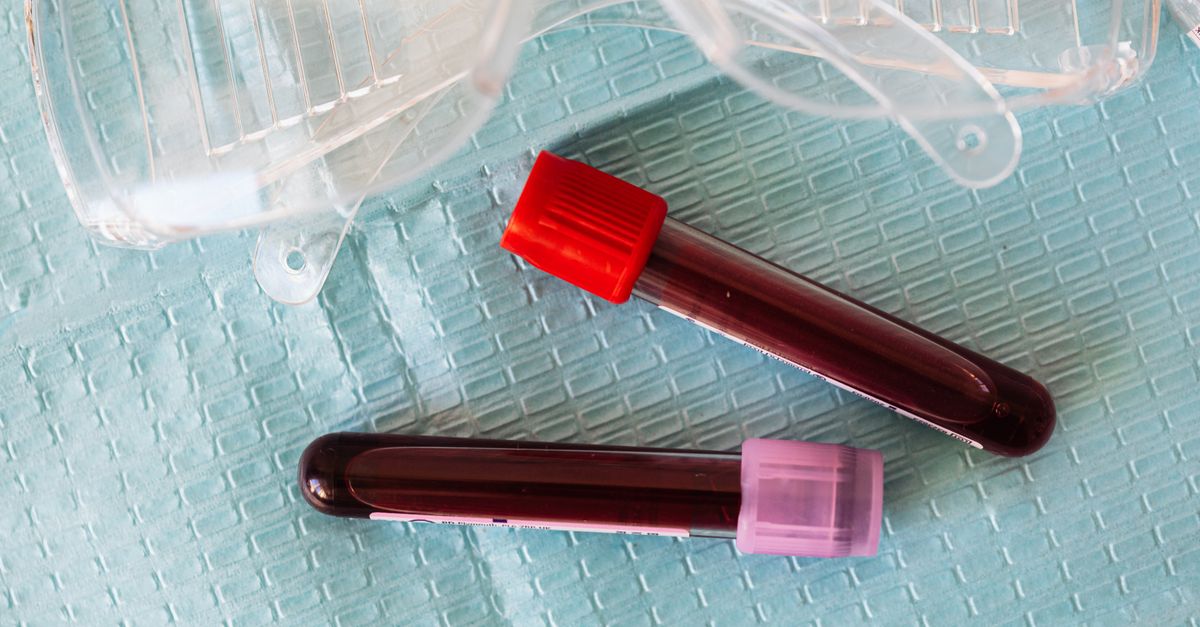
What Is a Normal Cortisol Level in PCOS?
For most women with PCOS, a normal morning serum cortisol falls between 10–20 mcg/dL (275–550 nmol/L), matching the general adult reference range. The catch: PCOS often distorts the diurnal cortisol rhythm even when a single morning reading looks fine. Women with PCOS frequently show a blunted cortisol awakening response or elevated afternoon and evening cortisol — a pattern that worsens insulin resistance and androgen excess regardless of the morning number.
---
Why Cortisol and PCOS Are Deeply Connected
Polycystic ovary syndrome is most commonly framed as a reproductive and metabolic disorder, but its relationship with the hypothalamic-pituitary-adrenal (HPA) axis is central to how the condition functions. The HPA axis governs cortisol production; when it is chronically activated — by psychological stress, blood sugar swings, poor sleep, or inflammation — cortisol rises, and several downstream consequences directly amplify PCOS symptoms.
Cortisol stimulates adrenal androgen production. The adrenal glands produce both cortisol and androgens (notably DHEA-S) from the same precursor pathways. Chronic HPA activation pushes more substrate toward androgen synthesis, which is one reason adrenal-origin androgens are elevated in roughly 20–30% of women with PCOS (Azziz et al., Journal of Clinical Endocrinology & Metabolism 2004; PMID: 15472218).
Cortisol worsens insulin resistance. Glucocorticoids directly antagonize insulin signaling in skeletal muscle and fat tissue. Because insulin resistance is already a core feature in the majority of women with PCOS, any additional cortisol-driven insulin antagonism makes the metabolic picture meaningfully worse (Björntorp & Rosmond, Obesity Research 2000; PMID: 11126168).
The feedback loop. Elevated insulin, in turn, upregulates adrenal androgen secretion and may impair cortisol clearance — creating a reinforcing cycle between hyperinsulinemia, HPA dysregulation, and androgen excess that does not resolve when you treat only one arm of it.
If you have also noticed that your fasting insulin tends to run high, understanding the cortisol-insulin feedback loop gives important context for why that number moves with stress and sleep.
---
What Is the Normal Cortisol Reference Range?
Cortisol is measured in several ways, each with different reference intervals:
| Test Type | Normal Range | Notes |
|---|---|---|
| Morning serum (8 AM) | 10–20 mcg/dL (275–550 nmol/L) | Standard lab draw; must be collected within 60 min of waking |
| Afternoon serum (4 PM) | 3–10 mcg/dL (83–276 nmol/L) | Should be roughly half the morning value |
| Late-night salivary | <0.27 mcg/dL (<7.45 nmol/L) | Most sensitive screen for Cushing's; collected at 11 PM–midnight |
| 24-hour urinary free cortisol | 20–90 mcg/24h (55–248 nmol/24h) | Integrates total daily output; affected by fluid intake |
| Cortisol awakening response (CAR) | 50–160% rise within 30–45 min of waking | Salivary; captures HPA reactivity, not just basal output |
For women with PCOS specifically, a single morning serum reading in the normal range does not rule out HPA dysregulation. Research using 24-hour urinary cortisol and cortisol metabolite profiling consistently shows that women with PCOS have enhanced cortisol production rates and altered clearance even when standard labs appear normal (Rodin et al., Clinical Endocrinology 1994; PMID: 7955426).
Does Normal Cortisol Range Shift With Age?
The short answer is modestly. Published reference intervals from large population studies suggest:
- Ages 18–39: Morning cortisol 10–20 mcg/dL
- Ages 40–60: Morning cortisol can run slightly lower, averaging 8–18 mcg/dL, as HPA responsiveness declines with age
- Post-menopause: The diurnal slope flattens further; the CAR blunts; evening cortisol may paradoxically rise relative to morning
For women in their reproductive years — the population most affected by PCOS — the 10–20 mcg/dL morning target remains the most clinically relevant benchmark. If your value is below 5 mcg/dL without recent steroid use, adrenal insufficiency workup is warranted. If it consistently exceeds 25 mcg/dL alongside weight gain concentrated in the abdomen, hypertension, and easy bruising, Cushing's syndrome evaluation is appropriate.
---
Signs Your Cortisol Pattern May Be Disrupted in PCOS
Because standard PCOS panels rarely include a full cortisol workup, many women spend years managing symptoms that are partly adrenal in origin without realizing it. Common signals that HPA dysregulation is contributing to your PCOS include:
- Fatigue that is worst in the morning despite adequate sleep, improving somewhat mid-day
- Energy crash between 2–4 PM followed by a second wind after 9 PM
- Difficulty falling asleep despite feeling exhausted (elevated evening cortisol)
- Worsening acne and hair loss around periods of high psychological stress
- Blood sugar instability — hypoglycemic symptoms even without a diabetes diagnosis
- Anxiety that feels physiological (racing heart, shallow breathing) rather than situational
- Flare-ups of PCOS symptoms — irregular periods, skin changes, mood shifts — that track closely with identifiable stressors
Women living with PCOS often describe exactly this pattern: chronic stress acting as a reliable trigger for symptom flares. This is not psychosomatic; it is a direct consequence of the cortisol-androgen-insulin triad described above. Many community accounts from people managing long-term hormonal illness describe the psychological weight of this unpredictability as its own separate burden — the physical symptoms and the emotional toll compound each other in ways that are worth acknowledging explicitly. If your PCOS symptoms reliably worsen under stress, the mechanism is real and measurable.
Palpitations are another common complaint that tracks with stress-driven HPA activation — if that resonates, the article on whether heart palpitations are normal in PCOS covers the physiology in detail.
---
How Stress Drives PCOS Flare-Ups: The HPA-Androgen Mechanism
When life gets difficult — work pressure, relationship strain, illness, poor sleep — the hypothalamus increases CRH (corticotropin-releasing hormone) secretion, which triggers pituitary ACTH release, which drives adrenal cortisol production. In PCOS, this cascade appears to be amplified compared to controls, and the resulting cortisol spike has several PCOS-specific effects:
- Adrenal androgen co-secretion increases. ACTH stimulates adrenal DHEA-S production alongside cortisol. This raises total androgen load acutely, which can accelerate hair loss and acne within days of a significant stressor.
- Insulin sensitivity drops acutely. Within hours of a cortisol spike, glucose uptake in muscle tissue falls. In someone already insulin-resistant, this can tip fasting glucose higher and amplify cravings for refined carbohydrates.
- LH pulse frequency may increase. Stress-related HPA activation can alter GnRH pulsatility, which further disrupts the LH:FSH ratio characteristic of PCOS (Bomba et al., Gynecological Endocrinology 2010).
- Sleep architecture degrades. Elevated evening cortisol suppresses melatonin onset and reduces slow-wave sleep — the stage most critical for overnight insulin sensitivity restoration and growth hormone secretion.
Managing stress is therefore not a soft lifestyle recommendation in PCOS — it is a direct biochemical intervention that reduces androgen production, improves insulin sensitivity, and regularizes menstrual cycles. Evidence-based strategies with the strongest data include:
- Mindfulness-based stress reduction (MBSR): An 8-week RCT in women with PCOS showed significant reductions in perceived stress and cortisol reactivity (Stefanaki et al., Psychoneuroendocrinology 2015; PMID: 25462897)
- Resistance and moderate aerobic training: Both modalities lower basal cortisol and improve HPA feedback sensitivity without the cortisol-spiking effect of very high-intensity training performed fasted
- Sleep consolidation: Targeting 7.5–9 hours with consistent wake times is the single most potent tool for normalizing the cortisol awakening response
- Adaptogenic botanicals: See the section below
If headaches tend to cluster around your period or during high-stress phases, the connection to cortisol and hormonal fluctuation is worth exploring — headaches before your period in PCOS covers the overlap.
---
Lab Markers to Request Alongside Cortisol in PCOS
A cortisol reading is most useful when interpreted alongside related markers. Consider asking your provider for:
| Marker | Why It Matters in PCOS |
|---|---|
| DHEA-S | Differentiates adrenal vs. ovarian androgen excess |
| Free testosterone + SHBG | Quantifies biologically active androgen load |
| Fasting insulin + glucose (HOMA-IR) | Captures the cortisol-insulin interaction |
| Thyroid panel (TSH, free T3, free T4) | Thyroid dysfunction amplifies HPA dysregulation |
| Vitamin D (25-OH) | Deficiency worsens both insulin resistance and cortisol reactivity |
| Estradiol (cycle day 3 or 21) | Contextualizes the androgen-estrogen balance |
For context on what an abnormal estradiol looks like in PCOS, the article on normal estradiol levels in PCOS is a useful companion read.
---
What This Means for Your Formula
Ones builds personalized supplement formulas by analyzing lab data — including cortisol and adrenal markers where available — alongside wearable data showing HPA proxies like heart rate variability, sleep stage distribution, and resting heart rate trends. For women with PCOS and evidence of HPA dysregulation, the following ingredients from Ones' catalog have the strongest clinical basis:
Ashwagandha (KSM-66, 600 mg/day): The KSM-66 extract is the most studied ashwagandha standardization for cortisol outcomes. A double-blind RCT in chronically stressed adults demonstrated a 27.9% reduction in serum cortisol versus placebo over 60 days, alongside significant reductions in perceived stress scores (Chandrasekhar et al., Indian Journal of Psychological Medicine 2012; PMID: 23439798). In PCOS specifically, ashwagandha's dual action on cortisol and insulin sensitivity addresses two converging pathways simultaneously.
Adrenal Support (Ones System Blend): This proprietary formula is designed for women whose labs and symptom patterns suggest chronic HPA activation. It combines adaptogenic and adrenal-supportive ingredients calibrated to support the rhythm of cortisol production without blunting it entirely — an important distinction, because normal cortisol fluctuation across the day is physiologically necessary.
Rhodiola Rosea: At 200–400 mg of a standardized extract (minimum 3% rosavins), Rhodiola has demonstrated meaningful reductions in stress-induced fatigue and cortisol reactivity in placebo-controlled trials (Olsson et al., Planta Medica 2009; PMID: 19016404). It is particularly relevant for the afternoon energy crash pattern common in PCOS-related HPA dysregulation.
Ones' AI health practitioner identifies which of these ingredients — and at what doses — is appropriate based on your actual biomarker data and symptom load, rather than defaulting to the same formula for every user. The 6- or 9-capsule daily plan is selected by the system based on findings, keeping the formula clinically targeted.
---
Key Takeaways
- A normal morning serum cortisol for women with PCOS is 10–20 mcg/dL, but a single reading can miss the diurnal dysregulation that is common in the condition
- Women with PCOS frequently show elevated adrenal androgen production, blunted cortisol awakening responses, and elevated evening cortisol — patterns that worsen insulin resistance and androgen excess
- Stress triggers identifiable PCOS flare-ups through the HPA-androgen-insulin axis; this is a biological mechanism, not a psychological one
- A complete adrenal picture requires DHEA-S, HOMA-IR, and ideally salivary cortisol at multiple time points — not just a single morning serum draw
- Evidence-based interventions including MBSR, consistent sleep, moderate exercise, and adaptogenic botanicals (ashwagandha KSM-66, Rhodiola Rosea) have documented effects on cortisol patterns
- Consult a healthcare provider before interpreting lab results or starting any supplement protocol, particularly if Cushing's syndrome or adrenal insufficiency is suspected