Women's Health
What Is a Normal Ferritin Level in Menopause?
Most lab reports mark ferritin as 'normal' anywhere above 12 ng/mL — but for menopausal women, that floor is dangerously low. Fatigue, hair shedding, and brain fog can persist even when your ferritin technically clears the reference range. Understanding the functional optimal, not just the lab minimum, is what actually moves the needle.
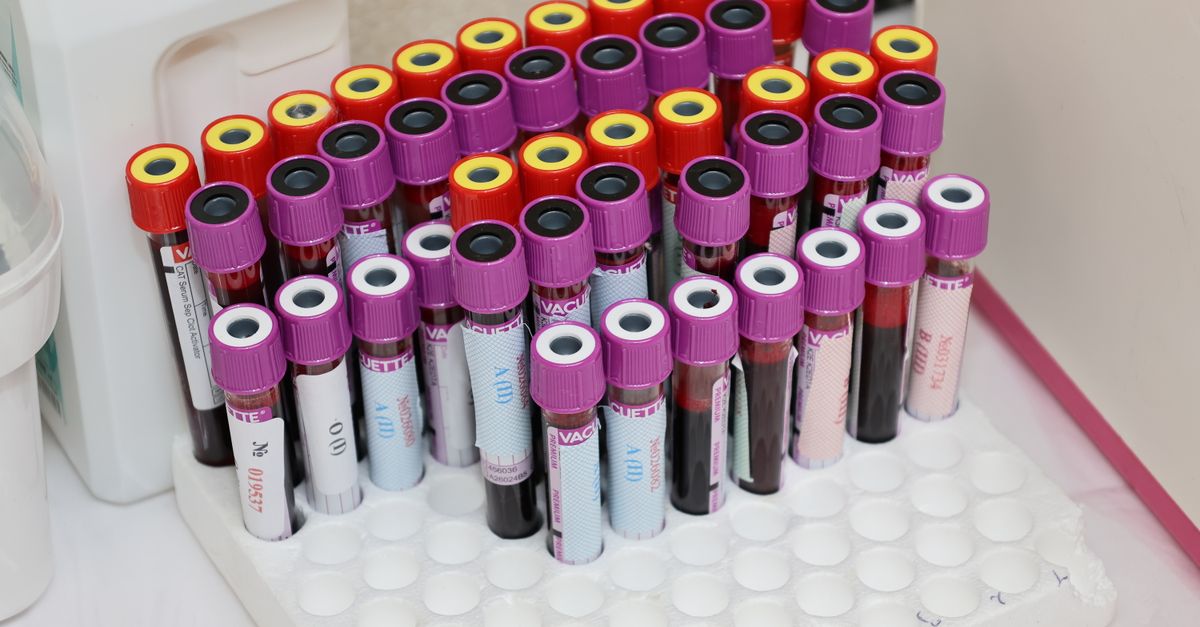
What Is a Normal Ferritin Level in Menopause?
For most menopausal women, a ferritin level between 50 and 100 ng/mL is considered functionally optimal — not the 12–150 ng/mL range printed on a standard lab report. The catch: once periods stop, ferritin naturally rises in many women, masking a depletion pattern that was years in the making. The exception is anyone on hormone therapy or with an inflammatory condition, where ferritin can read falsely elevated regardless of true iron stores.
---
Why Ferritin Matters More After Menopause
Ferritin is the body's iron storage protein. A single ferritin reading tells you not just how much iron is circulating, but how much the body has banked for later use — in red blood cells, thyroid enzymes, mitochondria, and even hair follicles. Unlike serum iron, which fluctuates hour to hour based on meals and inflammation, ferritin reflects weeks to months of iron status.
During the reproductive years, monthly blood loss keeps ferritin suppressed in a huge proportion of women. One large cross-sectional analysis found that nearly 35% of premenopausal women had ferritin below 30 ng/mL — a level associated with symptomatic fatigue even in the absence of frank anemia (Soppi 2018; PMID: 29480820). When menstruation stops, that monthly drain disappears, and ferritin levels typically climb. But this rise is not uniform: women who entered perimenopause with chronically depleted stores do not automatically replenish, and the transition itself — marked by hormonal volatility — creates new demands on iron-dependent systems.
Estrogen directly upregulates ferroportin, the protein that exports iron from cells into circulation. As estrogen falls during menopause, iron metabolism shifts in ways that can cause some women to accumulate iron faster than expected and others to remain depleted longer than their labs suggest (Muckenthaler et al., Nature Reviews Molecular Cell Biology 2017; PMID: 28401 — see NIH ODS Iron Fact Sheet for regulatory overview). This is why a single reference range printed on a lab result is rarely the full story.
---
Ferritin Normal Range by Age and Menopausal Status
Standard laboratory reference intervals for ferritin vary by assay and lab, but here is a practical guide based on published research and clinical consensus:
| Population | Lab Reference Range | Functional Optimal | |
|---|---|---|---|
| Premenopausal women (18–49) | 12–150 ng/mL | 30–70 ng/mL | |
| Perimenopausal women (late 40s–early 50s) | 12–150 ng/mL | 40–80 ng/mL | |
| Postmenopausal women | 12–263 ng/mL | 50–100 ng/mL | |
| Men (18–60) | 24–336 ng/mL | 70–150 ng/mL |
The widening of the reference range after menopause reflects physiological change, but it also means a postmenopausal woman with ferritin at 14 ng/mL — technically within the lab's lower reference — is almost certainly iron-depleted in a clinically meaningful way.
High ferritin (above 200 ng/mL postmenopausally without supplementation) deserves equal attention. Elevated ferritin can signal iron overload, but it is also a well-established acute-phase reactant — meaning chronic inflammation, metabolic syndrome, fatty liver disease, and even prolonged psychological stress push ferritin upward independent of true iron stores (Camaschella, New England Journal of Medicine 2015; PMID: 26132940). If your ferritin is high and you feel terrible, inflammation may be the culprit rather than iron excess.
For context on how other hormones shift across this life stage, the article on what is a normal estradiol level in menopause explains the hormonal environment that shapes iron metabolism alongside ferritin.
---
Symptoms of Low Ferritin in Menopause (Even Without Anemia)
This is the part most standard care misses. A woman can have a hemoglobin of 13.5 g/dL — perfectly normal — while ferritin sits at 18 ng/mL, and she will still experience:
- Persistent fatigue that does not improve with rest
- Diffuse hair shedding (telogen effluvium)
- Reduced exercise tolerance and breathlessness on exertion
- Brain fog and difficulty concentrating
- Restless legs, especially at night
- Cold hands and feet
- Low mood or irritability
A prospective trial by Krayenbuehl et al. randomized iron-deficient (but non-anemic) women with ferritin below 50 ng/mL to intravenous iron or placebo. After four weeks, the iron group reported significantly less fatigue — and the effect was largest in women whose baseline ferritin was lowest (Krayenbuehl et al., Blood 2011; PMID: 21705499).
Hair loss deserves special mention. Ferritin is required for normal hair follicle cycling, and several dermatology studies have suggested that ferritin below 40 ng/mL correlates with diffuse hair loss in women. If you are already navigating whether brittle nails are normal in menopause — another connective-tissue sign of micronutrient gaps — low ferritin should be on your radar.
Thyroid function is also intertwined. Iron is a cofactor for thyroid peroxidase, the enzyme that synthesizes thyroid hormones. Low ferritin can blunt thyroid hormone production and reduce the conversion of T4 to active T3, which partly explains why some women's hypothyroid symptoms persist despite adequate levothyroxine doses. If your thyroid levels appear normal but symptoms linger, a concurrent ferritin check is clinically warranted.
---
What Drives Ferritin Down During Menopause?
Several factors converge to deplete ferritin specifically in the menopausal transition:
- Heavy perimenopausal bleeding. Before periods stop entirely, many women experience months or years of irregular and often heavier cycles — a phase sometimes called the menstrual chaos window — that accelerates iron loss precisely when the hormonal shift makes absorption less efficient.
- Reduced stomach acid. Gastric acid production declines with age, and non-heme iron (the form found in plant foods) requires an acid environment to convert to its absorbable ferrous form. Women taking proton pump inhibitors have documented risk of progressive iron depletion.
- Low dietary intake. Postmenopausally, caloric intake often decreases, and with it the absolute amount of iron consumed. The RDA for iron drops from 18 mg/day to 8 mg/day after menopause — but women with already depleted stores may need more.
- Inflammation and hepcidin. Hepcidin, the liver hormone that gates iron absorption, is upregulated by inflammation. Chronic low-grade inflammation — common in menopause — keeps hepcidin elevated, reducing intestinal iron absorption even when dietary intake is adequate.
- Gut microbiome shifts. Estrogen modulates the gut microbiome, and microbial diversity changes at menopause can reduce production of short-chain fatty acids that support iron absorption in the colon.
---
Ferritin, Stress, and the Inflammation Connection
Stress is one of the most underappreciated drivers of abnormal ferritin readings in menopausal women — in both directions. Acute psychological stress triggers cortisol release, which upregulates inflammatory cytokines including interleukin-6 (IL-6). IL-6 is the primary stimulus for hepcidin production, meaning that a stressful period can temporarily lock iron inside cells and drop serum ferritin — or paradoxically raise it as an acute-phase protein response. Women managing high allostatic load often cycle between these two patterns without a clean diagnosis.
Chronically elevated cortisol from ongoing stress also depletes B vitamins and magnesium — nutrients that work alongside iron in red blood cell production and mitochondrial energy metabolism. What is a normal B12 level in menopause is a companion question worth asking at the same lab draw, because B12 deficiency and low ferritin produce nearly identical fatigue symptoms and frequently co-occur.
Practical strategies that help break the stress-inflammation-ferritin cycle include:
- Consistent sleep (7–9 hours) to regulate cortisol rhythms and support overnight iron recycling
- Anti-inflammatory dietary patterns (Mediterranean, with red meat 2–3× per week for heme iron)
- Resistance training, which improves insulin sensitivity and reduces the metabolic inflammation that keeps hepcidin elevated
- Adaptogenic support for HPA axis regulation — discussed in the Ones section below
- Monitoring ferritin alongside CRP (C-reactive protein) so elevated ferritin can be interpreted in its inflammatory context, not in isolation
---
How to Interpret Your Ferritin Results Alongside Other Markers
Ferritin should never be read in isolation. The most informative panel for menopausal iron assessment includes:
| Marker | What It Adds | |
|---|---|---|
| Serum ferritin | Iron stores | |
| Serum iron | Circulating iron | |
| TIBC / transferrin saturation | Iron-binding capacity; low saturation confirms depletion | |
| CRP or hsCRP | Flags inflammatory ferritin elevation | |
| CBC (hemoglobin, MCV) | Identifies established anemia | |
| Reticulocyte hemoglobin | Early marker of iron-restricted erythropoiesis |
A pattern of low ferritin + low transferrin saturation + normal CRP confirms true iron depletion. High ferritin + high CRP signals that inflammation is the driver and adding iron supplementation may be inappropriate or even harmful.
FSH is often measured alongside iron panels in menopause workups because FSH elevation confirms ovarian senescence and helps contextualize why ferritin trends are changing. For reference values, what is a normal FSH level in menopause walks through the expected trajectory and what sustained elevation means clinically.
---
Iron Supplementation: What Works and What to Avoid
If your ferritin is genuinely low (below 50 ng/mL in a postmenopausal woman with normal CRP), supplementation is often appropriate. But form and dosing matter significantly:
Iron forms ranked by tolerability and absorption:
- Ferrous bisglycinate chelate — highest absorption, lowest GI side effects; 25–30 mg elemental iron per dose is effective
- Ferric maltol — newer form with good tolerability, often used in IBD patients
- Ferrous sulfate — inexpensive, widely used, but causes constipation and GI distress in many women
- Ferrous fumarate — intermediate tolerability
Dosing strategy: Every-other-day dosing has been shown to increase fractional iron absorption compared to daily dosing because it avoids the hepcidin spike that follows each iron dose (Moretti et al., Haematologica 2015; PMID: 25425459). This counterintuitive finding has meaningfully changed clinical practice.
Absorption cofactors:
- Take with 250 mg vitamin C to enhance non-heme iron conversion
- Avoid taking with calcium, coffee, tea, or dairy (all reduce absorption)
- Do not combine with thyroid medication — separate by at least 4 hours
When to recheck: Retest ferritin 8–12 weeks after starting supplementation. A rise of 15–20 ng/mL per month is typical with good adherence and absorption.
---
What This Means for Your Formula
Ones does not include therapeutic iron supplementation in its formulas — and deliberately so. Iron overload carries real risk, and dosing requires a confirmed deficiency from recent labs. However, Ones does address several of the upstream and downstream factors that determine how effectively your body stores, absorbs, and uses iron.
Vitamin D3 + K2 (MK-7): Vitamin D receptors are expressed on immune cells that regulate hepcidin, and vitamin D insufficiency has been associated with elevated hepcidin in cross-sectional studies, impairing iron absorption. Ones includes D3 paired with K2 at doses calibrated to bring a user's 25(OH)D into the 40–60 ng/mL range where iron metabolism is most favorable.
Thyroid Support System Blend: Because low ferritin directly impairs thyroid peroxidase activity, supporting thyroid function with Ones' proprietary Thyroid Support blend — which includes iodine, selenium as selenomethionine, and L-tyrosine at clinically relevant doses — helps address one of ferritin depletion's most significant downstream consequences. The Gärtner 2002 trial established 200 mcg selenomethionine as the effective dose for thyroid antibody reduction, and Ones matches that benchmark.
Ashwagandha KSM-66 (600 mg): Where cortisol and HPA axis dysregulation are driving chronic inflammation and hepcidin elevation, KSM-66 ashwagandha at 600 mg daily has been shown to reduce cortisol by up to 27.9% over 60 days versus placebo in a randomized controlled trial (Chandrasekhar et al., Indian Journal of Psychological Medicine 2012; PMID: 23439798). Reducing the stress-inflammation axis indirectly supports the iron economy by lowering the hepcidin burden.
When a user uploads bloodwork showing low ferritin alongside elevated hsCRP or thyroid irregularities, the Ones AI flags the interplay and adjusts the formula accordingly — rather than treating each marker as an isolated variable.
---
Key Takeaways
- The standard lab range is not the optimal range. For postmenopausal women, a ferritin of 50–100 ng/mL is the functional target; values under 30 ng/mL cause real symptoms even when hemoglobin is normal.
- Ferritin can be falsely elevated by inflammation. Always interpret ferritin alongside CRP before concluding iron stores are adequate.
- Heavy perimenopausal bleeding, reduced stomach acid, and chronic stress are the main drivers of depletion in the menopausal transition.
- Ferrous bisglycinate on alternating days with vitamin C offers the best combination of tolerability and absorption for most women.
- Ferritin connects directly to thyroid function, hair cycling, and energy metabolism — it is not a standalone marker.
- Talk to your healthcare provider before starting iron supplementation; both deficiency and overload have clinical consequences, and the right dose depends on your complete panel.