Lab Results
Understanding What Is a Normal Lipoprotein a Level? on Your Lab Report
Lipoprotein(a) — often written Lp(a) — is one of the most overlooked cardiovascular risk markers on a standard lab panel, yet elevated levels affect roughly 1 in 5 people worldwide and can triple the risk of heart attack. Unlike LDL cholesterol, Lp(a) is largely determined by genetics, which means the earlier you understand your number and the context around it, the better positioned you are to act. This guide breaks down what a normal Lp(a) level looks like, how it relates to companion markers such as homocysteine and HbA1c, and what you can actually do about it.
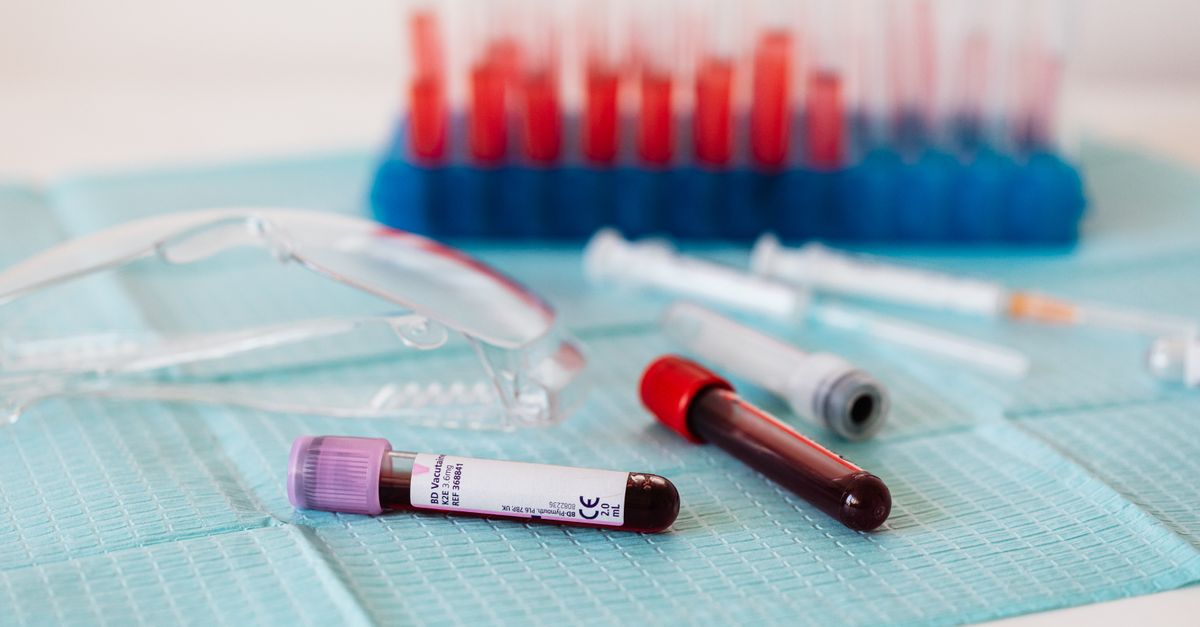
Understanding What Is a Normal Lipoprotein(a) Level on Your Lab Report
If you've ever received a lab report with a line labeled "Lp(a)" and had no idea what it meant, you're not alone. Lipoprotein(a) — pronounced "L-P-little-a" — is a specialized lipoprotein particle that combines an LDL-like core with a unique protein called apolipoprotein(a). It's been called "the most dangerous cholesterol nobody talks about," and for good reason: elevated Lp(a) is an independent, largely genetic risk factor for coronary artery disease, stroke, aortic stenosis, and peripheral artery disease (Kamstrup et al., Journal of the American College of Cardiology 2010; PMID: 20579540).
Understanding where your number sits — and how to interpret it alongside other inflammatory and metabolic markers — can meaningfully change how you approach cardiovascular prevention.
---
What Is a Normal Lipoprotein(a) Level?
This is the central question most people have when they first see the marker on their panel, and the answer is more nuanced than a single cutoff.
Reference ranges by unit:
| Classification | nmol/L | mg/dL |
|---|---|---|
| Optimal | < 75 nmol/L | < 30 mg/dL |
| Borderline elevated | 75–124 nmol/L | 30–50 mg/dL |
| High (cardiovascular risk) | 125–199 nmol/L | 50–80 mg/dL |
| Very high (major risk) | ≥ 200 nmol/L | > 80 mg/dL |
> Note: Labs in the United States most commonly report Lp(a) in mg/dL, while European guidelines increasingly prefer nmol/L because it is less affected by particle size variation. Always confirm the unit with your ordering provider.
The European Atherosclerosis Society (EAS) consensus statement positions 125 nmol/L (approximately 50 mg/dL) as the threshold associated with a risk equivalent to heterozygous familial hypercholesterolemia (Nordestgaard et al., European Heart Journal 2010; PMID: 20965889). Below 75 nmol/L is generally considered low-risk, and many preventive cardiology programs treat values above 125 nmol/L as an indication to aggressively target LDL and other modifiable risk factors.
Why genetics matter so much: Approximately 80–90% of your Lp(a) level is genetically determined by the LPA gene locus. Lifestyle changes have a comparatively modest effect on Lp(a) itself — which is exactly why knowing your number matters so much. If your Lp(a) is high, the focus shifts to reducing the modifiable risk factors that compound it: inflammation, oxidized LDL, elevated blood glucose, and elevated homocysteine.
---
What Is a Normal Homocysteine Level? (And Why It Matters for Lp(a) Risk)
Homocysteine is an amino acid produced during methionine metabolism. When it accumulates in the blood, it damages the endothelial lining of arteries — the same lining that Lp(a) particles preferentially adhere to and infiltrate. This mechanistic overlap makes homocysteine a critical companion marker to Lp(a).
Homocysteine reference ranges:
| Classification | Plasma Level (µmol/L) |
|---|---|
| Optimal | < 7 µmol/L |
| Normal (lab standard) | 5–15 µmol/L |
| Moderate hyperhomocysteinemia | 15–30 µmol/L |
| Intermediate | 30–100 µmol/L |
| Severe | > 100 µmol/L |
Functional medicine practitioners often set the optimal threshold tighter — below 7–9 µmol/L — because cardiovascular risk begins rising well before the clinical "high" cutoff of 15 µmol/L.
A landmark meta-analysis of prospective studies found that each 5 µmol/L increase in homocysteine was associated with a 20% increase in coronary artery disease risk in men (Wald et al., BMJ 2002; PMID: 11859051). When elevated homocysteine occurs alongside high Lp(a), the two appear to act synergistically, making the combination riskier than either marker alone.
The good news: Unlike Lp(a), homocysteine is highly responsive to nutritional intervention. B-vitamin supplementation — specifically folate (5-MTHF), B12, and B6 — reliably lowers homocysteine levels in most individuals. People with MTHFR gene variants may require the methylated forms of these vitamins to see meaningful reduction. If your Lp(a) is elevated, getting homocysteine tested (if it wasn't already) and addressing it nutritionally is one of the highest-leverage actions you can take.
For a deeper look at how B-vitamins interact with cardiovascular risk markers, see our guide to understanding your cardiovascular blood panel.
---
What Is a Normal HbA1c Level? How Blood Sugar Compounds Lp(a) Risk
HbA1c (hemoglobin A1c) reflects your average blood glucose over the prior 2–3 months. It's the gold-standard test for diagnosing and monitoring diabetes, but its importance to cardiovascular risk extends well beyond glucose control.
HbA1c reference ranges:
| Classification | HbA1c (%) | eAG (mg/dL) |
|---|---|---|
| Optimal (preventive) | < 5.4% | < 108 |
| Normal (ADA standard) | < 5.7% | < 117 |
| Prediabetes | 5.7–6.4% | 117–137 |
| Diabetes | ≥ 6.5% | ≥ 140 |
Elevated blood glucose accelerates the oxidation of LDL particles and promotes glycation of apolipoprotein B — both of which increase the atherogenicity of lipoprotein particles, including Lp(a)-adjacent LDL. A large prospective analysis published in The Lancet found that each 1% increase in HbA1c was associated with a 21% increase in cardiovascular events in people without diagnosed diabetes (Khaw et al., BMJ 2004; PMID: 15082465). When you carry an elevated Lp(a) burden and also have suboptimal blood sugar control, your arteries face pressure from multiple directions simultaneously.
The practical takeaway: if your Lp(a) is in the borderline or high range, keeping HbA1c in the truly optimal zone (below 5.4%) rather than simply the "normal" range becomes a meaningful part of your cardiovascular risk-reduction strategy.
---
What Is a Normal Fibrinogen Level? The Clotting Connection
Fibrinogen is a clotting protein synthesized by the liver. It is also an acute-phase inflammatory marker. Its connection to Lp(a) is particularly important: Lp(a) particles contain kringle domains that are structurally homologous to plasminogen — the protein responsible for breaking down clots. This means Lp(a) may competitively inhibit clot dissolution, and elevated fibrinogen further tips the balance toward a pro-thrombotic state.
Fibrinogen reference ranges:
| Classification | Plasma Level (mg/dL) |
|---|---|
| Optimal | 200–300 mg/dL |
| Normal (lab range) | 150–400 mg/dL |
| Elevated (cardiovascular concern) | > 350 mg/dL |
| High-risk | > 450 mg/dL |
The Northwick Park Heart Study was among the first to demonstrate that elevated fibrinogen is an independent predictor of coronary heart disease, with men in the highest fibrinogen tertile having more than twice the risk of ischemic heart disease compared to those in the lowest tertile (Meade et al., Lancet 1986; PMID: 2870489). While this is an older foundational study, it has been replicated extensively and remains a cornerstone citation in cardiovascular risk stratification.
Lifestyle factors that raise fibrinogen include smoking, sedentary behavior, chronic inflammation, and excess visceral fat. Omega-3 fatty acids (EPA/DHA), regular aerobic exercise, and anti-inflammatory dietary patterns have evidence for modest fibrinogen reduction. Because Lp(a) and fibrinogen operate through partially overlapping thrombotic pathways, individuals with high Lp(a) are often advised to pay particular attention to fibrinogen trends.
---
Reading All Four Markers Together: A Practical Framework
No single biomarker tells the full story. When you receive a lab report, these four markers — Lp(a), homocysteine, HbA1c, and fibrinogen — form a coherent cardiovascular risk picture when read together:
| Marker | Optimal Target | Primary Risk Mechanism |
|---|---|---|
| Lp(a) | < 75 nmol/L (< 30 mg/dL) | Atherosclerotic plaque, clot inhibition |
| Homocysteine | < 7–9 µmol/L | Endothelial damage, oxidative stress |
| HbA1c | < 5.4% | Oxidized LDL, glycation, vascular inflammation |
| Fibrinogen | 200–300 mg/dL | Pro-thrombotic state, systemic inflammation |
A person with Lp(a) at 150 nmol/L but optimal homocysteine, HbA1c, and fibrinogen is in a meaningfully better position than someone with the same Lp(a) and all three companion markers elevated. This is why comprehensive lab analysis — not cherry-picking a single number — is the foundation of real preventive cardiovascular medicine.
For context on how inflammation biomarkers like hsCRP interact with lipid panels, our overview of inflammatory markers and cardiovascular risk provides a useful companion read.
---
Can You Lower Lipoprotein(a)?
This is the question cardiologists field most often about Lp(a), and the honest answer is: directly, not much — yet. Unlike LDL, Lp(a) does not meaningfully respond to statins (in fact, some statins may modestly raise it). PCSK9 inhibitors (evolocumab, alirocumab) can reduce Lp(a) by 20–30%, but are typically reserved for high-risk patients. Emerging RNA-targeted therapies (pelacarsen, olpasiran) are in phase 3 trials and show dramatic Lp(a) reduction of 70–90%.
What you can do now, especially if you have borderline or elevated Lp(a):
- Aggressively lower LDL — reducing the LDL co-traveling in your bloodstream reduces overall atherosclerotic burden.
- Normalize homocysteine — address methylation status with appropriate B-vitamins.
- Optimize blood glucose — keep HbA1c in the truly optimal zone, not just the non-diabetic range.
- Reduce systemic inflammation — hsCRP, fibrinogen, and IL-6 all influence endothelial vulnerability.
- Support omega-3 status — EPA and DHA reduce triglycerides, have anti-inflammatory effects, and modestly support fibrinogen management.
- Avoid smoking — smoking dramatically compounds Lp(a) risk through both oxidative and prothrombotic mechanisms.
- Work with a preventive cardiologist — especially if Lp(a) is above 125 nmol/L, specialist monitoring is appropriate.
---
What This Means for Your Formula
Ones uses AI analysis of your lab results and health history to build a personalized daily supplement formula calibrated to your specific biomarker profile. When your labs reveal cardiovascular risk patterns — whether that's elevated homocysteine, suboptimal omega-3 status, or inflammatory markers sitting in the borderline zone — your formula reflects those specific findings.
For individuals whose panels show elevated homocysteine alongside Lp(a) risk, Methylated B-complex support (incorporating 5-MTHF and methylcobalamin) is the evidence-based nutritional intervention most directly supported by the research. Ones sources activated B-vitamin forms to support individuals with MTHFR variants who may not efficiently convert synthetic folic acid.
For the oxidative and inflammatory mechanisms that compound Lp(a) risk, Omega-3 (EPA/DHA) is among the most clinically validated tools. A meta-analysis of omega-3 trials demonstrated significant reductions in cardiovascular events at doses of 1–4g EPA/DHA daily, with the REDUCE-IT trial showing a 25% relative risk reduction in major adverse cardiovascular events with 4g icosapentaenoic acid (Bhatt et al., NEJM 2019; PMID: 30415628). Ones includes pharmaceutical-grade EPA/DHA dosed to clinical ranges relevant to your individual lab findings.
For individuals whose HbA1c sits in the 5.5–6.2% range — the prediabetic grey zone that dramatically amplifies Lp(a) risk — Ones may also incorporate Berberine or chromium picolinate, both of which have evidence for improving insulin sensitivity and fasting glucose at clinically meaningful doses.
If you want to understand how your full cardiovascular lab panel — including Lp(a), homocysteine, and inflammatory markers — maps to a personalized supplement strategy, see our guide to getting started with lab-informed supplementation.
---
Key Takeaways
- A normal Lp(a) level is generally below 75 nmol/L (30 mg/dL); values above 125 nmol/L are associated with significantly elevated cardiovascular risk and warrant targeted risk reduction strategies.
- Lp(a) is 80–90% genetically determined, meaning lifestyle changes have limited direct impact on the number itself — the priority becomes aggressively managing every modifiable co-risk factor.
- Optimal homocysteine is below 7–9 µmol/L (not just below 15); elevated homocysteine and Lp(a) appear to act synergistically on arterial damage, and homocysteine is highly responsive to methylated B-vitamin supplementation.
- HbA1c below 5.4% is the truly optimal target when Lp(a) is elevated; even prediabetic-range HbA1c substantially amplifies the atherogenic environment that makes high Lp(a) dangerous.
- Fibrinogen above 350 mg/dL compounds the pro-thrombotic effects of Lp(a) through overlapping clotting pathways; omega-3s, anti-inflammatory diet, and exercise support fibrinogen management.
- Reading these four markers together — Lp(a), homocysteine, HbA1c, and fibrinogen — gives a far more actionable cardiovascular risk picture than any single number in isolation; consult a healthcare provider or preventive cardiologist to interpret your specific results.