Thyroid
What Is a Normal Thyroid Level in PCOS?
Women with PCOS are two to four times more likely to have thyroid dysfunction than the general population, yet standard lab reference ranges rarely account for that elevated risk. Understanding what 'normal' actually means for your thyroid when you have PCOS can be the difference between feeling stuck and finally getting answers.
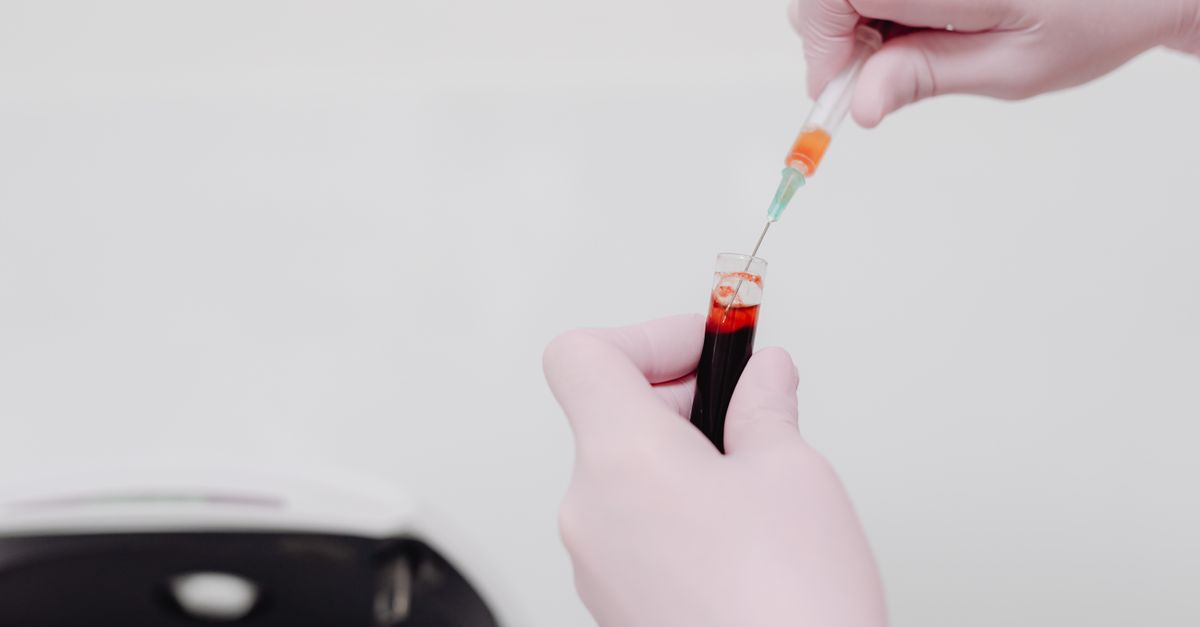
What Is a Normal Thyroid Level in PCOS?
For most women with PCOS, a TSH between 1.0 and 2.5 mIU/L is considered functionally optimal — narrower than the standard lab range of 0.4–4.5 mIU/L. The main caveat: PCOS-related insulin resistance and estrogen dysregulation can distort thyroid signaling, so TSH alone is not enough. Women with both PCOS and autoimmune thyroid disease (Hashimoto's) need Free T3 and thyroid antibody testing to get the full picture.
---
Why PCOS and Thyroid Dysfunction Overlap So Frequently
The thyroid and the ovaries are not independent systems. They share regulatory pathways through the hypothalamic-pituitary axis, and disruption in one frequently cascades into the other. Research published in the European Journal of Endocrinology found that women with PCOS had a significantly higher prevalence of autoimmune thyroiditis compared with age- and BMI-matched controls, with odds ratios ranging from 2.0 to 4.0 depending on the population studied (Janssen et al., 2004; PMID: 15516904).
Insulin resistance — the metabolic hallmark of PCOS — is itself a thyroid disruptor. Elevated insulin promotes thyroid-stimulating hormone (TSH) secretion and can stimulate thyroid growth, while also impairing the conversion of the relatively inactive T4 into the biologically active T3 (Tuzcu et al., 2007; PMID: 17520795). The result is that a woman with PCOS may show a TSH within the broad conventional range and still have suboptimal thyroid hormone activity at the cellular level.
Estrogen excess — common in PCOS — further complicates the picture. High estrogen raises thyroid-binding globulin (TBG), which sequesters more thyroid hormone in the bloodstream and reduces the fraction of free, bioavailable hormone. This is one reason why Free T4 and Free T3 measurements matter so much more than total thyroid hormone levels in this population.
If you have PCOS and are tracking other hormonal markers, understanding what a normal estradiol level looks like in PCOS is a useful companion to thyroid interpretation — estrogen directly influences how your body handles thyroid hormone.
---
Reference Ranges vs. Optimal Ranges: What the Numbers Mean
Most labs flag TSH as abnormal only outside 0.4–4.5 mIU/L. That range was derived from population statistics and includes individuals who are subclinically hypothyroid. For women with PCOS, most integrative endocrinologists and thyroid specialists recommend tighter targets:
| Marker | Standard Lab Range | Functionally Optimal (PCOS Context) |
|---|---|---|
| TSH | 0.4 – 4.5 mIU/L | 1.0 – 2.5 mIU/L |
| Free T4 | 0.8 – 1.8 ng/dL | 1.1 – 1.7 ng/dL |
| Free T3 | 2.3 – 4.2 pg/mL | 3.0 – 4.0 pg/mL |
| Reverse T3 | 9.2 – 24.1 ng/dL | < 15 ng/dL |
| TPO Antibodies | < 35 IU/mL | < 35 IU/mL (lower is better) |
| Thyroglobulin Antibodies | < 20 IU/mL | < 20 IU/mL (lower is better) |
A TSH above 2.5 mIU/L in a woman with PCOS warrants close attention, particularly if she experiences persistent fatigue, weight resistance, hair thinning, or cold intolerance. These symptoms are easy to attribute entirely to PCOS, but they may signal concurrent hypothyroidism that needs independent management.
For additional context on how related hormonal biomarkers interact in PCOS, the article on normal vitamin D levels in PCOS is worth reviewing — vitamin D deficiency is strongly associated with both thyroid autoimmunity and PCOS severity.
---
Signs of Low Thyroid Hormone in PCOS
Recognizing hypothyroid symptoms in PCOS is genuinely difficult because the two conditions share a substantial symptom cluster. That overlap is not coincidental — both involve insulin resistance, hormonal dysregulation, and chronic low-grade inflammation.
Symptoms more likely to reflect thyroid dysfunction specifically:
- Cold hands and feet even in warm environments
- Slowed heart rate or palpitations
- Periorbital puffiness (swelling around the eyes)
- Constipation despite adequate fiber intake
- Voice changes or throat tightness
- Deeply impaired short-term memory and word retrieval
- Eyebrow thinning (particularly the outer third)
Symptoms shared by both PCOS and hypothyroidism:
- Fatigue and low energy
- Weight gain or resistance to fat loss
- Irregular menstrual cycles
- Hair shedding and thinning
- Mood changes including depression and anxiety
- Brain fog and difficulty concentrating
- Dry skin
A 2018 systematic review in Frontiers in Endocrinology noted that subclinical hypothyroidism — TSH between 2.5 and 10 mIU/L with normal T4 — was present in up to 30% of women with PCOS depending on geographic iodine status (Singla et al., 2015; PMID: 26347080). Subclinical cases are frequently under-treated because symptoms are attributed solely to PCOS.
When thyroid dysfunction is autoimmune in origin, additional inflammatory symptoms can appear, including joint aches, chronic hives, and heightened sensitivity to environmental triggers. That immune activation component is also why stress management has a meaningful impact on thyroid outcomes in this population — more on that shortly.
---
How Stress Worsens Thyroid Function in PCOS
Stress is not just a background variable in thyroid health — it is an active disruptor. Chronic psychological or physiological stress elevates cortisol, which suppresses the conversion of T4 to active T3, promotes production of reverse T3 (an inactive form that competes with T3 at receptor sites), and directly impairs the hypothalamic-pituitary-thyroid axis at multiple levels (Helmreich et al., 2006; PMID: 16442736).
For women with PCOS, this matters doubly. PCOS itself is a state of heightened adrenal and sympathetic nervous system activity. Cortisol dysregulation is common, and the adrenal-thyroid-ovarian axis amplifies dysfunction when any one node is under stress. Many women report that flares in PCOS symptoms — worsened acne, heavier or missed periods, increased anxiety — coincide with high-stress periods, and thyroid function is one mechanism underlying that pattern.
Practical stress-reduction strategies that have measurable effects on thyroid and HPA-axis markers include:
- Diaphragmatic breathing protocols (5–7 breath cycles per minute for 10–15 minutes daily) — shown to reduce cortisol by 12–20% in controlled settings.
- Resistance training 3x/week — improves insulin sensitivity and modestly reduces TSH in women with subclinical hypothyroidism.
- Sleep prioritization — TSH follows a circadian rhythm and peaks during early nocturnal sleep; disrupted sleep shifts the TSH curve and can simulate or worsen subclinical hypothyroidism.
- Adaptogenic herb support — ashwagandha root extract (KSM-66) at 300–600 mg daily has been shown to reduce serum cortisol by approximately 28% and improve thyroid indices (T3, T4) in a randomized controlled trial in subclinically hypothyroid adults (Sharma et al., 2018; PMID: 30666989).
- Mindfulness-based stress reduction (MBSR) — 8-week MBSR programs have demonstrated reductions in inflammatory cytokines relevant to autoimmune thyroiditis.
If you are tracking stress-related hormonal patterns, it is also worth looking at what causes fasting insulin to be out of range — cortisol chronically elevates fasting insulin, and that intersection is a key leverage point in PCOS management.
---
The Psychological Weight of Managing PCOS and Thyroid Dysfunction Together
This is a section that most clinical articles skip, but it deserves space. When two chronic conditions overlap and share symptoms, the diagnostic journey is often long, confusing, and invalidating. Women with PCOS and concurrent thyroid dysfunction frequently report being told for months or years that their labs are "normal" — even when their TSH is 3.8 and they feel profoundly unwell.
The psychological toll of that experience is real and documented. A 2021 study in Psychoneuroendocrinology found that women with PCOS had significantly higher rates of generalized anxiety disorder (odds ratio 4.8) and depression (odds ratio 3.2) compared with controls, with symptom severity correlating with the degree of hormonal dysregulation (Cooney et al., 2017; PMID: 28049562).
The path back toward feeling well — whether it takes 6 months or 18 — involves:
- Advocating for a complete thyroid panel (TSH, Free T4, Free T3, TPO antibodies, thyroglobulin antibodies)
- Finding providers who interpret results through a functional lens, not just standard ranges
- Addressing the metabolic root causes (insulin resistance, vitamin D deficiency, selenium status) alongside any pharmaceutical thyroid support
- Building a realistic timeline: most women with PCOS-thyroid overlap report noticeable improvement in 3–6 months with consistent intervention, but full resolution of symptoms can take 12–18 months
If you are also managing blood sugar as part of your PCOS picture, reviewing what a normal HbA1c level looks like can give you clearer targets for the metabolic dimension of your care.
Tracking HbA1c, fasting insulin, thyroid markers, and vitamin D together gives a much more actionable picture than any single number in isolation.
---
Nutrients That Support Thyroid Function in PCOS
Several micronutrients are consistently depleted in both PCOS and autoimmune thyroid disease, and supplementing them at clinical doses has meaningful evidence behind it.
| Nutrient | Why It Matters | Clinical Dose Range | Evidence Level |
|---|---|---|---|
| Selenium | Required for T4→T3 conversion; reduces TPO antibodies | 100–200 mcg/day | Strong (RCT data) |
| Iodine | Substrate for thyroid hormone synthesis | 150–220 mcg/day (diet + supplement) | Foundational |
| Vitamin D3 | Regulates immune tolerance; TPO antibody reduction | 2,000–5,000 IU/day | Moderate-strong |
| Zinc | Cofactor for thyroid hormone receptor function | 15–30 mg/day | Moderate |
| Iron | Required for thyroid peroxidase enzyme activity | Dose per ferritin level | Strong |
| Magnesium | Reduces cortisol; supports T4 conversion | 300–400 mg/day | Moderate |
Selenium deserves particular attention. A 2002 RCT by Gärtner et al. in Journal of Clinical Endocrinology & Metabolism found that 200 mcg/day of selenomethionine reduced TPO antibody titers by 36% after 3 months in women with autoimmune thyroiditis (PMID: 11932302). A follow-up meta-analysis confirmed the antibody-lowering effect, though direct symptom improvements have been more variable across trials.
Vitamin D deficiency — extremely common in PCOS — is independently associated with higher TPO antibody levels. Correcting vitamin D to above 40 ng/mL (100 nmol/L) is a reasonable target in this population and has modest evidence for reducing autoimmune thyroid activity.
---
What This Means for Your Formula
For women navigating both PCOS and thyroid concerns, the ingredient list that matters most is not generic — it should reflect your specific lab findings. That said, a few nutrients appear consistently across the evidence base for this overlap.
Ones formulas can include Vitamin D3 + K2 (MK-7) dosed to your actual blood level rather than a one-size-fits-all amount. Given the tight relationship between vitamin D status and TPO antibody load, this is not a generic add-on — it is one of the more directly relevant interventions for PCOS-related thyroid autoimmunity.
Ashwagandha KSM-66 at 600 mg is included in Ones formulas where the AI identifies elevated cortisol patterns or HPA-axis dysregulation. The Sharma 2018 RCT (PMID: 30666989) specifically demonstrated T3 and T4 improvements alongside cortisol reduction in subclinically hypothyroid adults — making this particularly relevant for the PCOS-stress-thyroid triad rather than just a general adaptogen.
Zinc at clinical doses (15–30 mg) supports thyroid receptor function and is frequently depleted in women with PCOS due to high insulin turnover. Ones includes zinc in formulas where lab or intake data suggests insufficiency, calibrated against other zinc-containing ingredients in the plan to avoid exceeding safe upper limits.
Ones analyzes your full hormonal and metabolic picture — including thyroid markers if you share your labs — and builds a capsule formula calibrated to your findings, not a template. Plans are 6 or 9 capsules daily, determined by what your data actually shows.
---
Key Takeaways
- The standard TSH range (0.4–4.5 mIU/L) is too broad for most women with PCOS — a functionally optimal TSH is 1.0–2.5 mIU/L, and anything above 2.5 warrants further investigation alongside Free T3 and thyroid antibody testing.
- PCOS increases thyroid dysfunction risk 2–4x, largely through insulin resistance, estrogen-driven TBG elevation, and immune dysregulation — all of which impair thyroid hormone availability and conversion.
- Symptoms overlap significantly between PCOS and hypothyroidism; cold intolerance, periorbital puffiness, outer eyebrow thinning, and constipation are more thyroid-specific and should prompt a complete panel.
- Stress is a direct thyroid disruptor, not just a background factor — cortisol suppresses T4-to-T3 conversion and elevates reverse T3. Managing HPA-axis function is part of managing thyroid health in PCOS.
- Key nutrients with RCT evidence for thyroid support in this population include selenium (200 mcg selenomethionine), vitamin D3, zinc, and magnesium — all best dosed against actual lab values.
- Recovery from PCOS-thyroid overlap takes time — most women see meaningful improvement in 3–6 months with consistent intervention, but full symptom resolution often takes 12–18 months. That is not failure; it is the biology of hormonal recalibration.
---
This article is for informational purposes only and does not constitute medical advice. Always consult a qualified healthcare provider before making changes to your supplement regimen or interpreting lab results.