Supplements
What Supplements Affect ApoB?: Who Actually Benefits — and Who Should Skip It
ApoB is rapidly replacing LDL cholesterol as the gold-standard marker for cardiovascular risk — yet most people have never seen it on a standard lab panel. If your ApoB is elevated, certain supplements have strong clinical evidence behind them, while others are overhyped or even counterproductive depending on your metabolic picture.
What Is ApoB and Why Does It Matter More Than LDL?
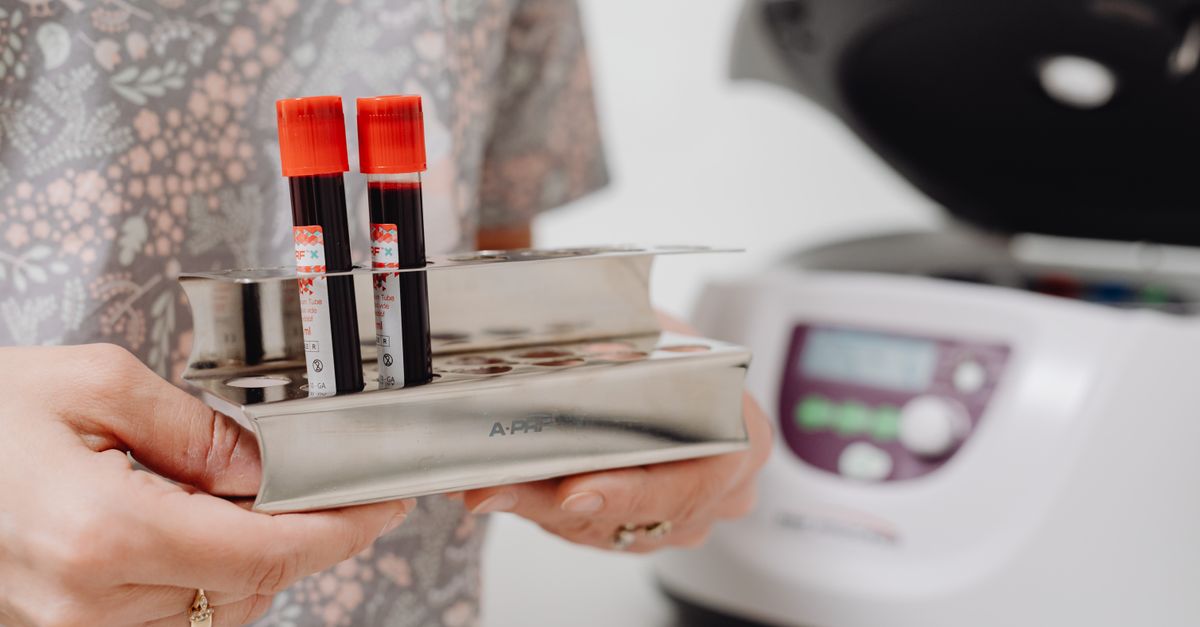
Apolipoprotein B (ApoB) is a structural protein found on every atherogenic lipoprotein particle — including LDL, VLDL, IDL, and Lp(a). Because each of these particles carries exactly one ApoB molecule, an ApoB blood test directly counts the number of potentially artery-clogging particles in your bloodstream. Standard LDL cholesterol, by contrast, measures the cholesterol cargo inside those particles — which can look deceptively normal even when particle count is dangerously high.
Large-scale studies have consistently shown that ApoB predicts major cardiovascular events more accurately than LDL-C alone (Sniderman et al., JAMA Cardiology 2019; PMID: 31045200). The European Atherosclerosis Society and the Canadian Cardiovascular Society have both moved toward recommending ApoB as a primary treatment target, particularly in patients with metabolic syndrome, insulin resistance, or discordant LDL-C and LDL particle results.
Optimal ApoB is generally considered below 80 mg/dL for people at elevated cardiovascular risk, and below 90 mg/dL for the general population. If your value sits above these thresholds, it's worth understanding exactly which lifestyle and supplement interventions have real clinical evidence behind them — and which don't.
---
What Supplements Affect LDL Particle Number?
Before addressing ApoB directly, it helps to understand LDL particle number (LDL-P), since the two markers are closely correlated. Reducing the number of small, dense LDL particles typically lowers ApoB proportionally.
Omega-3 fatty acids (EPA/DHA) are the most researched lipid-modifying supplements. High-dose EPA (icosapentaenoic acid) at 4 g/day was shown in the landmark REDUCE-IT trial to reduce cardiovascular events by 25% in statin-treated patients with elevated triglycerides (Bhatt et al., NEJM 2019; PMID: 30415628). The mechanism involves triglyceride reduction, which decreases VLDL secretion — the upstream driver of small dense LDL particles. Lower triglycerides and reduced VLDL output translate into fewer total ApoB-containing particles.
Berberine, an alkaloid found in goldenseal and barberry, has emerged as a credible LDL-modifying agent. A meta-analysis of 27 randomized controlled trials found berberine significantly reduced total cholesterol, LDL-C, and triglycerides while raising HDL (Dong et al., Planta Medica 2013; PMID: 23832245). Berberine activates PCSK9 degradation and upregulates hepatic LDL receptors — a statin-like mechanism that can meaningfully reduce circulating ApoB particles.
Soluble fiber (psyllium husk, beta-glucan from oats) binds bile acids in the intestine, forcing the liver to pull more LDL from circulation to synthesize new bile. At 10–12 g/day of psyllium, meta-analyses report LDL reductions of 6–24%, with meaningful downstream effects on particle count.
| Supplement | Primary Mechanism | Typical LDL-P Effect | Evidence Grade |
|---|---|---|---|
| Omega-3 (EPA/DHA) | ↓ VLDL, ↓ triglycerides | Moderate (↓ small dense LDL) | A |
| Berberine (500mg 3×/day) | PCSK9 degradation, ↑ LDL receptors | Moderate–Strong | B+ |
| Psyllium / Beta-Glucan | Bile acid sequestration | Moderate | A |
| Red Yeast Rice | HMG-CoA reductase inhibition | Strong | B (quality variable) |
| Plant Sterols (2g/day) | Competitive cholesterol absorption | Moderate | A |
---
What Supplements Affect CRP?
C-reactive protein (CRP), specifically high-sensitivity CRP (hs-CRP), is a downstream marker of systemic inflammation — and inflammation accelerates atherogenesis independently of cholesterol levels. Elevated ApoB plus elevated CRP is a particularly dangerous combination because inflammation promotes oxidative modification of LDL particles, making them more likely to lodge in arterial walls.
Omega-3 fatty acids again lead the evidence base. A 2012 meta-analysis of 68 randomized trials found that combined EPA+DHA supplementation at ≥ 2 g/day significantly reduced hs-CRP concentrations (Calder et al., British Journal of Nutrition 2012). The anti-inflammatory action is mediated through specialized pro-resolving mediators (SPMs) including resolvins and protectins derived from EPA and DHA.
Magnesium deficiency is independently associated with elevated CRP. A 2018 dose-response meta-analysis found that each 100 mg/day increment in dietary magnesium intake was associated with a 9% lower risk of elevated CRP (Veronese et al., Nutrients 2018; PMID: 29389872). Because magnesium sits upstream of hundreds of enzymatic reactions, including those governing NF-κB signaling, correcting a deficiency can produce meaningful CRP reductions within 8–12 weeks.
Curcumin (bioavailable form) has shown consistent CRP-lowering activity in multiple trials, though effect sizes vary significantly based on bioavailability. Phospholipid-bound or nanoparticle curcumin formulations at 500–1000 mg/day appear most effective for inflammatory marker reduction.
For people whose CRP is elevated alongside their ApoB, addressing both markers simultaneously is important — statins lower ApoB but have modest CRP effects, while omega-3s and magnesium work across both pathways.
---
What Supplements Affect ESR?
Erythrocyte sedimentation rate (ESR) is a less specific inflammatory marker than CRP, reflecting how quickly red blood cells settle in a tube. Elevated ESR is associated with chronic inflammatory states, infections, and autoimmune conditions. While ESR is not a direct cardiovascular risk marker in the way ApoB or CRP are, persistently elevated ESR in combination with high ApoB suggests that systemic inflammation is driving atherogenic particle production — particularly elevated VLDL and IDL.
Supplements that reduce underlying inflammation — omega-3s, magnesium, vitamin D3, and curcumin — generally show modest favorable effects on ESR. However, ESR is heavily influenced by conditions outside a supplement's scope (rheumatoid arthritis, chronic infection), so chasing ESR reduction with supplements alone without ruling out underlying pathology is not appropriate. If ESR is elevated alongside ApoB, a thorough workup with your healthcare provider is the right first step before layering in supplementation.
---
What Supplements Affect A1C?
Hemoglobin A1C measures average blood glucose over approximately three months, and it is more connected to ApoB than most people realize. Insulin resistance drives excess VLDL secretion from the liver — the same upstream mechanism that floods the bloodstream with ApoB-containing particles. People with pre-diabetes or type 2 diabetes consistently show higher ApoB and more small dense LDL particles even when their total LDL cholesterol appears normal.
Berberine is arguably the most clinically validated supplement for A1C reduction outside of pharmaceuticals. A randomized controlled trial published in Metabolism found that berberine 500 mg three times daily reduced A1C by 0.9% over 3 months, comparable to metformin in that population (Zhang et al., Metabolism 2008; PMID: 18442638). By improving insulin sensitivity and reducing hepatic glucose output, berberine simultaneously addresses the glycemic driver of elevated ApoB.
Magnesium glycinate is worth highlighting here because magnesium is a cofactor for insulin receptor signaling. Deficiency impairs glucose uptake and worsens insulin resistance. Several trials show magnesium supplementation improves fasting glucose and insulin sensitivity in people with sub-optimal magnesium status, with modest A1C effects at 300–400 mg/day of elemental magnesium.
Chromium picolinate at 200–1000 mcg/day has shown mixed but generally positive effects on insulin sensitivity and fasting glucose in RCT meta-analyses, though effect sizes are small.
The key insight is that ApoB-lowering and A1C-lowering often share the same interventions — particularly berberine and magnesium — because both markers reflect insulin-driven hepatic lipid overproduction. Addressing glucose metabolism is not optional when ApoB is elevated in the context of metabolic syndrome.
---
Who Actually Benefits From ApoB-Targeting Supplements — and Who Should Skip Them
Not everyone with a borderline ApoB reading needs an aggressive supplement protocol. Context matters enormously:
Who benefits most:
- People with elevated ApoB + high triglycerides + metabolic syndrome: omega-3s, berberine, and magnesium address all three arms simultaneously
- People with discordant LDL-C (normal LDL cholesterol but high ApoB or LDL particle number): plant sterols, soluble fiber, and berberine can reduce particle burden
- People with elevated ApoB + elevated hs-CRP: omega-3s are the strongest dual-action intervention
- People with pre-diabetes or insulin resistance driving VLDL overproduction: berberine + magnesium address root cause
Who should approach with caution or skip certain interventions:
- People on statin therapy: red yeast rice essentially duplicates statin mechanisms and adds myopathy risk without additive benefit
- People with fish or shellfish allergies: algae-derived omega-3 (ALA-EPA/DHA from algae oil) is an alternative, but discuss with a provider
- People with normal ApoB and normal metabolic markers: high-dose omega-3 supplementation in low-risk individuals showed no cardiovascular benefit in the ASCEND and VITAL trials
- People with active liver disease: berberine is hepatically metabolized and should be used cautiously
Always consult a qualified healthcare provider before starting any supplement protocol, particularly if you are on lipid-lowering medications.
---
What This Means for Your Formula
Ones uses an AI health practitioner to analyze your blood work — including ApoB, triglycerides, fasting glucose, hs-CRP, and other markers — alongside wearable data and health history. Rather than guessing which lipid-support supplement to take, the platform identifies the specific biological drivers behind your ApoB elevation and builds a custom capsule formula accordingly.
For someone with elevated ApoB driven by high triglycerides, the Ones formula might include Omega-3 (EPA/DHA) dosed to clinically meaningful levels aligned with cardiovascular guidelines, because the evidence for triglyceride reduction and ApoB particle lowering is strongest with adequate EPA+DHA dosing.
For someone whose elevated ApoB is clearly tied to insulin resistance and elevated fasting glucose, Ones may prioritize Magnesium Glycinate — calibrated to correct measured deficiency and support insulin receptor signaling — alongside other metabolic support ingredients. Magnesium glycinate is one of several individual actives in the Ones catalog, included precisely because it addresses the upstream glycemic driver of atherogenic dyslipidemia.
For someone presenting with both elevated ApoB and elevated hs-CRP, Ones' Heart Support system blend may be incorporated as part of a broader formula that addresses cardiovascular and inflammatory markers together.
The difference between Ones and a generic supplement stack is that your formula is determined by your actual lab data — not a symptom quiz or a one-size-fits-all multivitamin. You can learn more about how personalized nutrient formulas are built from blood work or explore the clinical evidence behind omega-3 dosing for cardiovascular health.
---
Key Takeaways
- ApoB counts atherogenic particles directly, making it a more accurate cardiovascular risk marker than LDL cholesterol alone — optimal levels are generally below 80–90 mg/dL depending on risk category.
- Omega-3 fatty acids (EPA/DHA) have the strongest evidence for reducing ApoB and LDL particle number via VLDL lowering, particularly at ≥ 2 g/day combined EPA+DHA.
- Berberine 500 mg three times daily addresses both ApoB elevation and A1C simultaneously by improving insulin sensitivity and upregulating hepatic LDL receptors — making it especially valuable in metabolic syndrome.
- Magnesium deficiency worsens both CRP and A1C, both of which drive ApoB elevation upstream; correcting it is foundational before layering in targeted lipid support.
- Context determines benefit — people on statins, those with normal ApoB, or those with specific medical conditions may see little benefit or actual harm from some ApoB-targeting supplements.
- Ones analyzes your actual blood markers — including ApoB, CRP, triglycerides, and glucose — to build a formula targeting the specific driver of your cardiovascular risk, not a generic lipid-support stack.