Lifestyle
What Supplements Affect Fasting Glucose?: What the Sleep, Stress, and Longevity Literature Suggests
Fasting glucose is one of the most sensitive early markers of metabolic health — and it responds to far more than diet alone. Poor sleep, chronic stress, and key nutrient deficiencies can each push it in the wrong direction. Here's what the clinical literature actually says about supplements that move the needle.
What Supplements Affect Fasting Glucose?: What the Sleep, Stress, and Longevity Literature Suggests
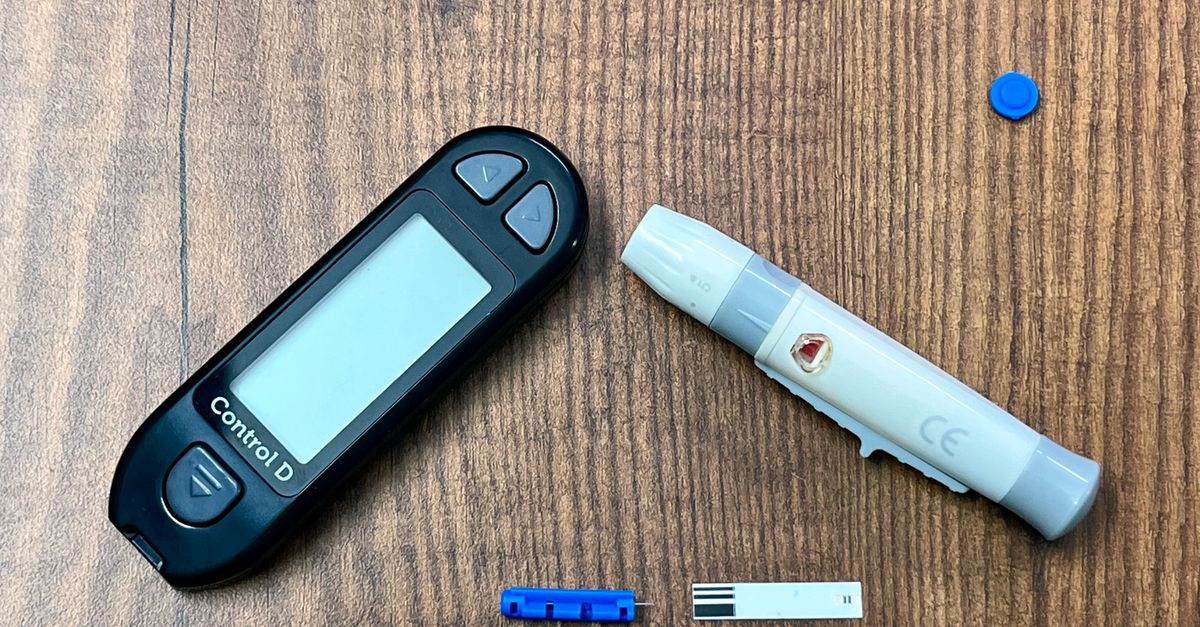
Fasting glucose — the blood sugar reading taken after at least eight hours without food — is a front-line indicator of how well your body manages insulin and energy metabolism. Normal is generally considered below 100 mg/dL; anything between 100 and 125 mg/dL is classified as impaired fasting glucose, and 126 mg/dL or above on two separate tests meets the threshold for type 2 diabetes (American Diabetes Association, Standards of Care 2024). What surprises many people is how dramatically lifestyle variables — particularly sleep quality and psychological stress — can shift that number before any dietary change is made. And that is exactly where certain supplements enter the picture.
This article focuses on what the sleep, stress, and longevity literature says about specific nutrients and botanicals and their documented effects on fasting glucose, fasting insulin, and the hormonal cross-talk that links metabolic health to thyroid function.
---
Why Fasting Glucose Rises: The Sleep and Stress Connection
The pathway from poor sleep to elevated morning glucose is well-mapped. Sleep restriction activates the hypothalamic-pituitary-adrenal (HPA) axis, raising cortisol and catecholamines that promote hepatic glucose output overnight. In a landmark crossover trial involving healthy young adults, just one week of sleep restricted to 5 hours per night increased insulin resistance by roughly 25% compared to adequate sleep, with fasting glucose rising in parallel (Spiegel et al., Sleep 1999; PMID: 10543671). Stress compounds this: chronically elevated cortisol suppresses GLUT-4 translocation in muscle cells, reducing peripheral glucose uptake and leaving more sugar circulating in the fasted state.
This means any supplement strategy worth considering must address not just glucose transport mechanisms directly, but also the upstream cortisol and sleep architecture that determine how sensitively your cells respond to insulin each morning.
---
What Supplements Lower Fasting Glucose?
Several well-studied actives have demonstrated clinically meaningful reductions in fasting glucose across randomized controlled trials:
Berberine
Berberine is one of the most researched plant alkaloids for metabolic health. A meta-analysis of 27 randomized controlled trials (n = 1,770) found that berberine supplementation significantly reduced fasting blood glucose (mean reduction approximately 0.93 mmol/L), HbA1c, and fasting insulin compared to placebo or lifestyle intervention alone (Liang et al., Evidence-Based Complementary and Alternative Medicine 2019; PMID: 31636659). Its primary mechanism involves AMPK activation — the same energy-sensing enzyme targeted by metformin — which improves hepatic glucose regulation and enhances insulin receptor sensitivity.
Typical effective doses range from 500 mg taken two to three times daily with meals, a protocol that mirrors the dosing used in most positive trials.
Magnesium
Magnesium deficiency is one of the most common micronutrient gaps in the general population and is strongly associated with impaired fasting glucose. Magnesium functions as a cofactor for more than 300 enzymatic reactions, including the phosphorylation steps required for insulin receptor signaling. A prospective cohort study of over 4,000 participants found that the lowest quartile of dietary magnesium intake was associated with a significantly higher risk of developing impaired fasting glucose over 15 years (Kao et al., Diabetes Care 1999; PMID: 10388978). More recent intervention data confirm that supplemental magnesium at 300–400 mg per day reduces fasting glucose in individuals with low baseline serum magnesium levels (Guerrero-Romero et al., Diabetes & Metabolism 2011; PMID: 21703066).
The form of magnesium matters: magnesium glycinate offers superior bioavailability and less gastrointestinal disruption than oxide or carbonate forms, making it the preferred choice in formulations targeting metabolic health.
Chromium Picolinate
Chromium potentiates insulin action by facilitating the binding of insulin to its receptor. A systematic review and meta-analysis of 28 studies found that chromium supplementation produced a statistically significant reduction in fasting glucose (weighted mean difference −0.97 mmol/L) in people with type 2 diabetes, with effects also observed in those with impaired glucose tolerance (Balk et al., American Journal of Clinical Nutrition 2007; PMID: 17556695). Effective doses in trials typically range from 200 to 1,000 mcg per day of chromium picolinate.
Alpha-Lipoic Acid
Alpha-lipoic acid (ALA) is a mitochondrial antioxidant that has been shown to improve insulin-stimulated glucose uptake in skeletal muscle. At doses of 600–1,200 mg daily, ALA reduces oxidative stress markers and modestly improves fasting glucose, particularly in individuals with diabetic complications. Its dual role as both a glucose-lowering agent and a neuroprotective antioxidant makes it a notable compound in longevity-focused supplement stacks.
---
What Supplements Affect Fasting Insulin?
Fasting insulin is arguably a more sensitive early warning marker than fasting glucose itself — insulin rises first as the pancreas compensates for peripheral resistance, often years before glucose climbs out of the normal range. Reducing fasting insulin typically requires addressing insulin sensitivity directly.
Ashwagandha (KSM-66): The adaptogenic root has an underappreciated role in metabolic health. Beyond its well-documented cortisol-lowering effects, a double-blind RCT in chronically stressed adults found that KSM-66 ashwagandha at 300 mg twice daily significantly reduced fasting blood glucose, serum cortisol, and markers of oxidative stress after 60 days compared to placebo (Chandrasekhar et al., Indian Journal of Psychological Medicine 2012; PMID: 23439798). The glucose effect is likely partially mediated through HPA axis normalization — lower cortisol means less counter-regulatory interference with insulin signaling.
Omega-3 Fatty Acids (EPA/DHA): Chronic low-grade inflammation is a driver of insulin resistance. Omega-3 supplementation reduces circulating interleukin-6, TNF-alpha, and CRP — inflammatory signals that directly impair insulin receptor function. While omega-3s do not consistently lower fasting glucose in non-diabetic individuals, their anti-inflammatory action lowers fasting insulin in hyperinsulinemic populations and supports the broader metabolic environment that keeps fasting glucose stable over time. Effective doses in trials demonstrating metabolic benefit typically range from 2–4 g EPA+DHA daily.
Berberine (again): The same AMPK-activating mechanism that lowers fasting glucose also reduces fasting insulin in multiple trials, with one head-to-head study showing effects comparable to metformin at 500 mg three times daily (Zhang et al., Metabolism 2008; PMID: 18547525).
For a deeper look at how insulin dynamics connect to morning energy, see blood sugar and energy management strategies.
---
What Supplements Affect Free T4? (And Why It Matters for Glucose)
The thyroid-glucose axis is real but underappreciated. Thyroid hormones regulate basal metabolic rate and directly influence hepatic glucose production and peripheral insulin sensitivity. Low-normal free T4 — even within the reference range — is associated with higher fasting glucose in cross-sectional studies. This connection means that supplements affecting thyroid hormone status can indirectly move fasting glucose.
Selenium: Selenium is required for the synthesis and activity of iodothyronine deiodinase enzymes, which convert the prohormone T4 into the active form T3. Selenium deficiency impairs T4-to-T3 conversion and is associated with elevated reverse T3 and a blunted thyroid response. The form selenomethionine at 200 mcg/day is the dose used in most clinical thyroid trials and is the form shown to reduce thyroid peroxidase antibodies in Hashimoto's patients (Gärtner et al., Journal of Clinical Endocrinology & Metabolism 2002; PMID: 11932302).
Iodine and Tyrosine: Both are structural precursors to thyroid hormone synthesis. Severe iodine deficiency impairs T4 production at the gland level. L-tyrosine supports precursor availability, though supplementation is most meaningful in individuals whose intake is inadequate rather than in the general population.
If your thyroid panel shows free T4 at the low end of normal alongside elevated fasting glucose, that is a pattern worth investigating with a clinician before attributing the glucose change to diet alone.
---
What Supplements Affect Free T3?
Free T3 is the metabolically active form of thyroid hormone, and its relationship with glucose metabolism is bidirectional. Low free T3 slows glucose disposal in peripheral tissues; high fasting glucose and insulin resistance, in turn, suppress T3 production by increasing inflammatory cytokines that inhibit deiodinase activity.
Zinc: Zinc is required for the binding of T3 to its nuclear receptor and for the activity of the deiodinase enzymes that convert T4 to T3. Zinc deficiency is associated with reduced free T3 even when T4 remains normal. A trial in zinc-deficient women found that zinc supplementation at 26 mg/day over 12 weeks significantly increased free T3 and total T3 while reducing TSH (Nishi 1980; foundational citation reviewed in Betsy et al., Indian Journal of Endocrinology and Metabolism 2013; PMID: 23776847). Zinc also has direct insulin-mimetic effects and is involved in the synthesis and secretion of insulin from pancreatic beta cells.
Selenium (again): As noted above, selenium's role as a deiodinase cofactor makes it the single most important micronutrient for T4-to-T3 conversion. When selenium status is adequate, free T3 levels tend to be better maintained even under physiological stress.
For more detail on how thyroid function connects to energy and metabolic markers, see thyroid support supplements and hormone balance.
---
The Longevity Angle: Fasting Glucose as a Hallmark of Aging
Fasting glucose is increasingly discussed in longevity medicine as a modifiable aging biomarker. The PREDIMED trial and multiple epidemiological cohorts have established that even fasting glucose in the 90–99 mg/dL range is associated with higher cardiovascular risk and faster cognitive decline compared to levels in the 70–85 mg/dL range (Rawshani et al., New England Journal of Medicine 2018; PMID: 29996505). From a longevity standpoint, optimizing fasting glucose is less about disease prevention and more about preserving insulin sensitivity as a hedge against accelerated cellular aging.
The supplement protocols with the most consistent longevity-relevant evidence — berberine, magnesium, omega-3s, and adaptogens like ashwagandha — are notable precisely because they address multiple pathways simultaneously: inflammation, HPA axis tone, mitochondrial function, and nutrient cofactor repletion.
Learn more about longevity biomarkers and supplement support and how routine lab panels can guide personalized protocols.
---
What This Means for Your Formula
Personalized supplementation for fasting glucose should not be one-size-fits-all. The right intervention depends on what's actually driving your elevated number — whether that's cortisol-mediated hepatic glucose output, a magnesium or zinc deficit, suboptimal thyroid conversion, or chronic inflammation. This is exactly the type of multi-variable pattern that Ones is designed to identify.
After analyzing your blood work, wearable data, and health history, Ones builds a custom capsule formula that targets your specific findings. A few examples of how this applies to fasting glucose:
- Magnesium Glycinate — included at doses that replenish documented deficiency; Ones uses a highly bioavailable glycinate chelate that matches the form used in positive glucose trials
- KSM-66 Ashwagandha at 600 mg — the clinically validated full dose for cortisol normalization, relevant when elevated stress markers are driving morning glucose via HPA axis dysregulation
- Zinc — included at therapeutic doses where lab data shows a deficiency pattern, supporting both insulin secretion and T4-to-T3 conversion simultaneously
Ones formulas come in 6 or 9-capsule daily plans, with the plan selected by the AI based on the complexity and number of your findings — not by you choosing a tier. This ensures the capsule budget is allocated to the ingredients your data actually justifies, rather than a generic stack.
If your fasting glucose is creeping upward and your labs show cortisol elevation, low magnesium, or suboptimal thyroid conversion alongside it, a targeted formula addressing those root causes is more defensible than a broad metabolic supplement taken without data.
---
Key Takeaways
- Fasting glucose is upstream of many chronic disease risks — optimizing it in the 70–85 mg/dL range is a legitimate longevity target, not just a diabetes-prevention strategy.
- Sleep and stress are primary drivers — cortisol elevation from sleep restriction or psychological stress increases hepatic glucose output and reduces peripheral insulin sensitivity, often before diet becomes the dominant variable.
- Berberine, magnesium, and chromium have the strongest direct RCT evidence for lowering fasting glucose, with berberine showing effects comparable to metformin in head-to-head trials.
- Fasting insulin is the earlier warning sign — ashwagandha and omega-3s show particular promise for improving insulin sensitivity by reducing cortisol and systemic inflammation, respectively.
- Thyroid function is part of the metabolic picture — selenium and zinc support free T4 conversion and free T3 receptor binding, with downstream effects on glucose disposal.
- Personalization matters — which supplement is appropriate depends on which mechanism is driving your elevated fasting glucose, making lab-guided formulation the most evidence-based approach.
This article is for educational purposes only. Consult a qualified healthcare provider before making changes to your supplement regimen, particularly if you have diagnosed diabetes, prediabetes, or thyroid disease.