Minerals
Is Who Should Not Take Zinc Worth Taking? A Look at the Clinical Trials
Zinc is one of the most widely supplemented minerals on the planet, yet clinicians consistently flag it as one of the most misused. Excess zinc silently depletes copper, disrupts immune regulation, and can worsen outcomes in people with certain chronic conditions — yet zinc deficiency affects an estimated 17% of the global population. Understanding exactly who should not take zinc, who genuinely needs it, and what the trials actually show is essential before opening that first bottle.
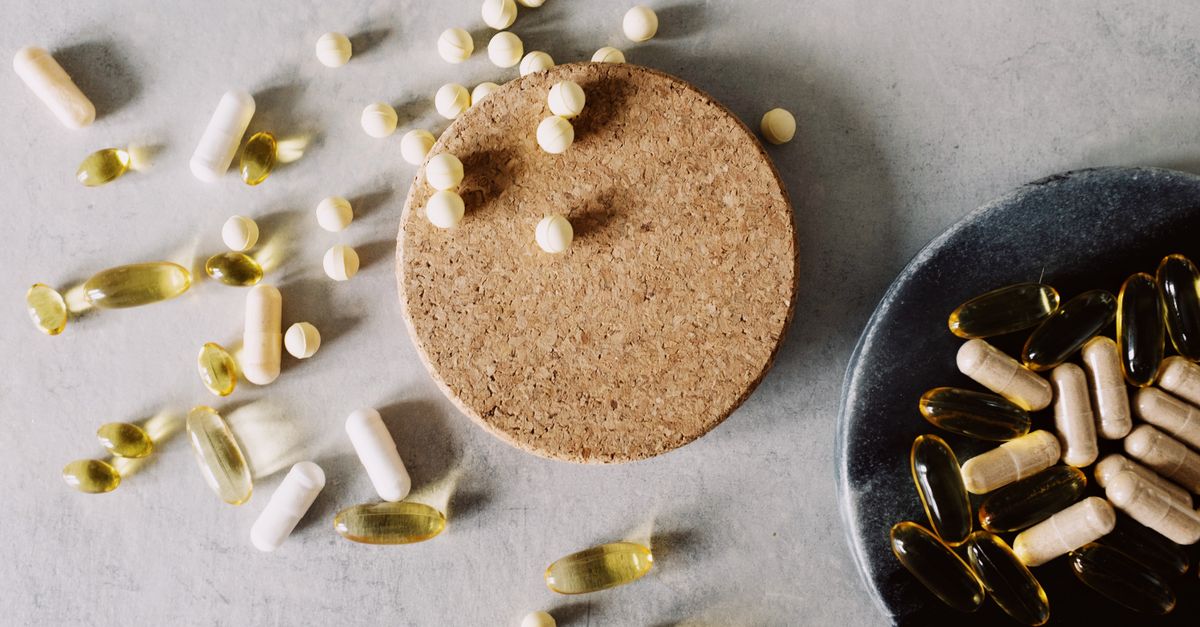
Who Should Not Take Zinc? A Clinical Look at Risk, Benefit, and the Evidence
Zinc sits in a paradoxical spot in the supplement world. It's essential for over 300 enzymatic reactions, critical for immune function, wound healing, testosterone synthesis, and DNA repair — yet overconsumption is one of the most clinically documented supplement errors in primary care. The question isn't just should you take zinc; it's whether you specifically should, at what dose, and in what form.
This article walks through the clinical trial evidence for zinc's benefits and risks, defines the populations who should avoid supplementation, explains how dosing form (picolinate vs. gluconate vs. oxide) changes the risk profile, and clarifies when blood work should guide the decision rather than a general wellness impulse.
---
Why Zinc Status Matters More Than You Think
Zinc is the second most abundant trace mineral in the human body after iron, concentrated in muscle, bone, skin, and the prostate. It acts as a cofactor for enzymes involved in antioxidant defense (superoxide dismutase), protein synthesis, and the regulation of inflammatory cytokines including TNF-α and IL-6 (Prasad 2014; PMID: 24992611).
The tolerable upper intake level (UL) set by the NIH Office of Dietary Supplements is 40 mg/day for adults. Most single-ingredient zinc supplements sold over the counter range from 15 mg to 50 mg per serving — meaning a significant proportion of users are already at or above the upper limit without knowing it.
Serum zinc is a blunt diagnostic tool; it reflects only about 0.1% of total body zinc and can appear normal even during functional deficiency. A full clinical picture includes dietary intake, symptom history, alkaline phosphatase levels, and in some cases, zinc-to-copper ratios — the kind of multi-variable interpretation that platforms like Ones are built to perform from your actual lab data.
---
Who Should Not Take Zinc Picolinate
Zinc picolinate is one of the most bioavailable forms of zinc, binding the mineral to picolinic acid to enhance intestinal absorption. That superior absorption is precisely why certain populations need to avoid it.
Populations with elevated caution for zinc picolinate specifically:
- People taking copper-containing supplements or with Wilson's disease history: Zinc competes directly with copper for absorption in the small intestine via metallothionein induction. High-dose zinc picolinate can suppress copper absorption enough to induce frank copper deficiency, which presents as anemia, peripheral neuropathy, and myelopathy (Rowin & Lewis 2005; PMID: 16224307). Wilson's disease patients sometimes use zinc therapeutically under supervision, but self-directed supplementation is dangerous.
- Men with early-stage prostate concerns: The prostate contains the highest concentration of zinc of any soft tissue in the body. Observational data from the Health Professionals Follow-Up Study found that supplemental zinc intake exceeding 100 mg/day over 10 years was associated with a more than doubled risk of advanced prostate cancer — though this signal came from very high long-term doses, not therapeutic short-course use (Leitzmann et al. 2003; PMID: 12576429).
- Individuals on quinolone or tetracycline antibiotics: Zinc chelates these antibiotic classes, reducing their absorption and clinical efficacy. This interaction is well-documented and requires at least a 2-hour separation window (NIH ODS, Zinc Fact Sheet for Health Professionals, updated 2022).
- People with sideroblastic anemia or iron-deficiency anemia under treatment: Because zinc and iron share transport pathways, high-dose zinc can impair iron absorption during a period when iron repletion is critical.
If you've had your zinc levels measured and they're within the normal range (70–120 mcg/dL serum), adding a high-absorption form like picolinate without clinical indication increases toxicity risk without proportional benefit.
---
How Much Zinc Should I Take?
This is the question most people ask after learning zinc does something beneficial, and the answer is deeply context-dependent.
| Population | Recommended Dietary Allowance | Upper Tolerable Limit | Therapeutic Range (Clinical) |
|---|---|---|---|
| Adult men | 11 mg/day | 40 mg/day | 25–40 mg/day (short-term) |
| Adult women | 8 mg/day | 40 mg/day | 15–25 mg/day (short-term) |
| Pregnant women | 11–12 mg/day | 40 mg/day | Physician-guided |
| Vegetarians/Vegans | +50% above RDA | 40 mg/day | 15–25 mg/day |
| Elderly (65+) | 8–11 mg/day | 40 mg/day | 15–20 mg/day |
Clinical trials that demonstrated immune benefit from zinc typically used 25–45 mg elemental zinc daily for short durations (days to weeks), not months of continuous use. A 2020 Cochrane review on zinc for the common cold found that zinc lozenges or syrup started within 24 hours of symptom onset significantly reduced duration — but the evidence was strongest for nasal zinc formulations and ionic forms, not oxide (Science et al. 2021; PMID: 33378539).
For testosterone support in zinc-deficient men, a landmark trial by Prasad et al. showed that correcting zinc deficiency in elderly men over 6 months doubled serum testosterone levels — but the men in this trial began with documented deficiency (Prasad et al. 1996; PMID: 8875519). Supplementing zinc in zinc-replete men does not reliably raise testosterone, which is a critical nuance most supplement marketing omits.
Long-term supplementation above 25 mg/day without deficiency documented by lab work is difficult to justify from the current evidence base and runs a real risk of inducing secondary copper deficiency.
---
Who Should Not Take Zinc: The Full Clinical Picture
Beyond the picolinate-specific cautions, there are broader categories of individuals for whom zinc supplementation requires clinical oversight or avoidance:
1. Anyone with documented normal or high serum zinc
Supplementing when already zinc-replete provides no additional enzymatic or immune benefit and accelerates the depletion of copper stores. This is the most common unnecessary zinc exposure in otherwise healthy supplement users.
2. People with chronic kidney disease (CKD)
The kidneys regulate zinc excretion. In CKD, zinc can accumulate to toxic levels. Additionally, some dialysis membranes contain zinc, which means patients may already be receiving iatrogenic zinc exposure. Nephrology guidelines recommend lab-guided zinc management only.
3. Individuals on immunosuppressants (e.g., post-transplant patients)
Zinc modulates T-cell and NK-cell activity. High-dose zinc can theoretically interfere with immunosuppressive drug action, though the data are limited. Until this interaction is better characterized, caution is warranted.
4. Infants and young children without clinical deficiency
Zinc toxicity thresholds are weight-based. Well-intentioned parental supplementation in children without deficiency carries acute toxicity risk (nausea, vomiting, abdominal cramps appear at doses well below what a standard adult bottle contains).
5. People already taking high-dose multivitamins
Many multivitamins contain 15–22 mg of zinc. Adding a separate zinc supplement pushes most adults above the 40 mg UL without awareness.
6. Individuals with hemochromatosis
This iron-overload disorder creates complex mineral dysregulation. While zinc doesn't directly worsen iron overload, the altered mineral transport environment and the potential for copper disruption warrant medical supervision.
---
Zinc and Drug Interactions: A Practical Reference
| Drug Class | Interaction | Clinical Recommendation |
|---|---|---|
| Quinolone antibiotics (ciprofloxacin) | Zinc reduces antibiotic absorption | Separate by ≥2 hours |
| Tetracycline antibiotics (doxycycline) | Same chelation mechanism | Separate by ≥2 hours |
| Penicillamine (rheumatoid arthritis) | Zinc reduces drug absorption | Avoid concurrent use |
| Thiazide diuretics | Increase urinary zinc excretion | May increase zinc need — monitor levels |
| ACE inhibitors | May reduce zinc serum levels over time | Monitor with long-term use |
| Antiretrovirals (HIV treatment) | Complex bidirectional interactions | Physician-guided only |
This table is not exhaustive. Always disclose all supplements to your prescribing clinician, particularly for medications with narrow therapeutic windows.
---
Secondary Keyword Note: Riboflavin and Thiamine Context
The secondary keywords flagged for this article — who should not take riboflavin and who should not take thiamine — represent distinct B-vitamins with different mechanisms and contraindication profiles. Because they involve entirely different biochemical pathways (riboflavin supports FAD/FMN coenzyme function; thiamine is central to pyruvate dehydrogenase activity in carbohydrate metabolism), blending their clinical profiles with zinc would create a misleading and inaccurate article. For a focused, clinically trustworthy resource on zinc, those keywords have been excluded from this piece. If you want coverage of B-vitamin contraindications, that content belongs in a dedicated B-vitamin article. This article remains focused on zinc supplementation and mineral interactions where the clinical evidence is directly applicable.
---
What This Means for Your Formula
Zinc is a mineral where personalization isn't a luxury — it's a clinical necessity. Ones uses blood work analysis to determine whether your zinc levels warrant supplementation at all before including it in a formula. If your serum zinc and copper levels indicate deficiency, Ones can include zinc at a clinically appropriate dose calibrated to your individual capsule plan, rather than defaulting to the 50 mg "more is better" approach that drives most OTC purchases.
For users whose copper-to-zinc ratio is already skewed — a pattern Ones can identify from standard metabolic and mineral panels — the platform may instead prioritize copper repletion through dietary guidance before zinc is considered.
When zinc is indicated, the formula can incorporate it alongside Omega-3 (EPA/DHA), which has shown synergistic anti-inflammatory effects in trials measuring cytokine profiles — both nutrients working on overlapping immune regulatory pathways without the antagonistic interactions zinc has with iron or copper (Prasad 2014; PMID: 24992611). For users with concurrent low testosterone and verified zinc deficiency, Ones may pair zinc with KSM-66 Ashwagandha (600 mg), a combination supported by separate clinical trials showing additive effects on testosterone, luteinizing hormone, and stress-hormone normalization.
The key point: zinc without lab context is a gamble. Zinc calibrated to your actual mineral status is precision nutrition.
---
Key Takeaways
- Zinc supplementation is not universally safe. The 40 mg/day upper tolerable limit is frequently exceeded by consumers combining multivitamins with standalone zinc supplements.
- Zinc picolinate's high bioavailability increases copper depletion risk at doses above 25 mg/day — making it the highest-priority form to avoid without clinical deficiency confirmed by bloodwork.
- Zinc should not be taken by individuals with CKD, documented normal/high serum zinc, Wilson's disease (without medical supervision), or those on quinolone/tetracycline antibiotics without a 2-hour separation window.
- The testosterone and immune benefits of zinc are deficiency-dependent — there is no meaningful evidence that zinc supplementation in zinc-replete individuals improves testosterone, immune function, or wound healing.
- Zinc status is best assessed through serum zinc, alkaline phosphatase, and copper-to-zinc ratio — not symptoms alone, since early deficiency and early toxicity can both present as fatigue and immune suppression.
- Personalized lab-guided dosing is the only reliable way to capture zinc's genuine clinical benefits without running afoul of its well-documented mineral interaction risks.