Lifestyle
Why Is My Fasting Glucose Borderline?: A Research-Backed Roadmap
A fasting glucose reading between 100–125 mg/dL puts you in prediabetes territory — a zone that affects roughly 98 million American adults, most of whom don't know it yet. The number on your lab report is rarely the whole story: insulin resistance, inflammation, and nutrient gaps can all push glucose higher before a diagnosis ever lands. Understanding *why* your result is borderline is the first step toward reversing it.
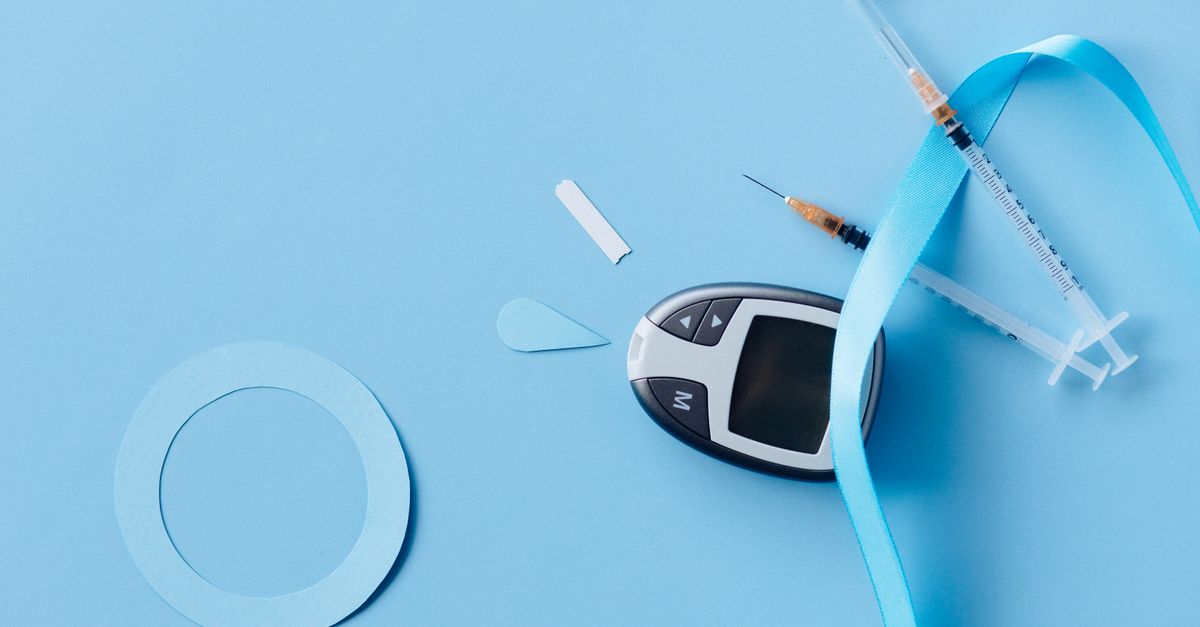
Why Is My Fasting Glucose Borderline?
You got your labs back. Everything looks fine — except one line: fasting glucose, flagged as borderline at 103 mg/dL. Your doctor says "watch your diet" and sends you home. But what is actually happening inside your body, and what can you do about it before that number climbs higher?
Fasting plasma glucose (FPG) is measured after at least 8 hours without food. A result below 100 mg/dL is considered normal by the American Diabetes Association. Between 100–125 mg/dL is classified as impaired fasting glucose (IFG), colloquially called prediabetes. At 126 mg/dL or above on two separate occasions, the diagnosis becomes type 2 diabetes.
The problem with the "borderline" zone is that it looks deceptively benign on paper while representing years of metabolic drift. Research published in The Lancet estimated that roughly 70% of people with prediabetes will eventually progress to type 2 diabetes without lifestyle or pharmacological intervention (Tabák et al., Lancet 2012; PMID: 22683128). That is not a reason to panic — it is a reason to act.
---
What Drives Fasting Glucose Higher in the First Place?
Fasting glucose is not just about how much sugar you eat. Several interconnected mechanisms determine what your liver releases into the bloodstream overnight and how efficiently your cells respond.
1. Hepatic glucose overproduction. Your liver produces glucose even when you are not eating, a process called gluconeogenesis. In insulin-resistant individuals, the liver fails to properly suppress this output in response to circulating insulin, so glucose accumulates even in a fasted state.
2. Beta-cell dysfunction. Pancreatic beta cells secrete insulin in response to rising glucose. When they are chronically overstimulated — by years of high-glycemic eating, visceral fat accumulation, or oxidative stress — first-phase insulin secretion blunts, and fasting glucose creeps upward.
3. Adipose inflammation. Excess visceral fat secretes pro-inflammatory cytokines, including TNF-α and IL-6, which directly impair insulin signaling at the receptor level (Shoelson et al., Journal of Clinical Investigation 2006; PMID: 16823477).
4. Nutrient insufficiencies. Magnesium is required for over 300 enzymatic reactions, including those governing glucose metabolism and insulin receptor phosphorylation. Large meta-analyses confirm that low magnesium intake is independently associated with elevated fasting glucose and incident type 2 diabetes (Dong et al., Diabetes Care 2011; PMID: 21310794).
5. Sleep and cortisol dysregulation. Cortisol is gluconeogenic — it tells the liver to make more glucose. Poor sleep raises overnight cortisol, which is one reason shift workers and people with chronic stress often show elevated fasting glucose even with clean diets.
Understanding which of these mechanisms is driving your number is what separates a personalized intervention from generic advice.
---
Why Is My Fasting Insulin Borderline?
If your fasting glucose is borderline, your doctor may have also ordered a fasting insulin level — or should have. These two markers together tell a much richer story.
Fasting insulin above 10–15 µIU/mL (labs vary) in the context of borderline glucose suggests compensatory hyperinsulinemia: your pancreas is working overtime to keep glucose in range, but the tissues are resisting. This is early-stage insulin resistance, and it often precedes glucose abnormalities by a decade or more.
The HOMA-IR index (Homeostatic Model Assessment of Insulin Resistance) calculates insulin resistance from these two values:
> HOMA-IR = (fasting glucose in mg/dL × fasting insulin in µIU/mL) ÷ 405
A HOMA-IR above 1.9 suggests insulin resistance; above 2.9 is associated with significant metabolic risk. A landmark validation study by Matthews et al. confirmed the clinical reliability of this model for population-level and individual screening (Matthews et al., Diabetologia 1985; PMID: 3899825).
If your fasting glucose is borderline but your fasting insulin is also elevated, the target isn't just glucose — it's insulin sensitivity. Interventions that reduce insulin demand (lower glycemic load, intermittent fasting windows, resistance training) work differently from those that improve insulin signaling at the cell (magnesium repletion, omega-3 fatty acids, berberine, chromium).
Tracking both markers over time gives you far more signal than glucose alone.
---
Why Is My Fasting Glucose Still High Despite Diet Changes?
This is one of the most frustrating scenarios: you have cleaned up your diet, cut the processed carbohydrates, maybe even started walking after meals — and your fasting glucose barely budged. Here are the most common hidden reasons.
The Dawn Phenomenon
In the early morning hours, your body naturally releases growth hormone and cortisol to prepare you for waking. These hormones trigger the liver to release glucose. For individuals with any degree of insulin resistance, this overnight surge isn't fully suppressed, resulting in higher fasting readings than post-meal readings. If your glucose is highest first thing in the morning and improves throughout the day, the dawn phenomenon is likely a major driver — and diet changes alone won't fully correct it.
Chronic Stress Undoing Dietary Gains
Cortisol raises blood sugar. A study published in Psychoneuroendocrinology demonstrated that perceived psychosocial stress was independently associated with insulin resistance in non-diabetic adults, even after adjusting for BMI and physical activity (Djordjevic et al., Psychoneuroendocrinology 2021; PMID: 33901750). If your job, sleep, or relationships are generating chronic stress, your hypothalamic-pituitary-adrenal axis is continuously releasing cortisol — and your fasting glucose will reflect it.
Micronutrient Gaps Not Addressed by Food Alone
Chromium supports insulin receptor activity and glucose uptake. Alpha-lipoic acid acts as a mitochondrial antioxidant that improves glucose utilization. Berberine activates AMPK — the same cellular energy-sensing enzyme that metformin targets — and has shown clinically meaningful reductions in fasting glucose in randomized trials. If your diet is cleaner but these functional cofactors are still depleted, the biochemical machinery to use glucose efficiently remains impaired.
Gut Microbiome Imbalance
Emerging research links gut dysbiosis to insulin resistance through short-chain fatty acid production, bile acid metabolism, and endotoxin translocation. This is an area where companies like Viome offer gut microbiome testing that can identify specific microbial imbalances — though translating that data into metabolic interventions still requires clinical context.
---
Why Is My Homocysteine Borderline?
If your comprehensive metabolic panel included homocysteine, a borderline elevation (typically defined as above 10–12 µmol/L) alongside borderline glucose is a clinically meaningful pattern that deserves attention.
Elevated homocysteine reflects impaired methylation — the biochemical process responsible for DNA repair, neurotransmitter synthesis, and vascular protection. In the context of metabolic health, high homocysteine is independently associated with endothelial dysfunction, which impairs insulin delivery to peripheral tissues. A meta-analysis of prospective studies found that elevated homocysteine was associated with a 22% increased risk of type 2 diabetes independent of classical risk factors (Xuan et al., Medicine 2015; PMID: 26683924).
The drivers of elevated homocysteine are usually nutritional: low folate (B9), low B12, or low B6 impair the transsulfuration and remethylation pathways that clear homocysteine from circulation. If you are seeing both borderline glucose and borderline homocysteine, addressing your B-vitamin status — particularly methylfolate (5-MTHF) and methylcobalamin — is a high-priority intervention. This is one reason why a root-cause blood panel matters far more than a single glucose reading.
For context on how homocysteine connects to cardiovascular risk markers, understanding the full picture is essential before deciding on an intervention plan.
---
Why Is My ESR Borderline?
Erythrocyte sedimentation rate (ESR) is a general marker of systemic inflammation. A borderline ESR (typically 20–30 mm/hr in adults, though age and sex adjust reference ranges) appearing in the same lab panel as borderline glucose is not a coincidence.
Chronic low-grade inflammation is both a consequence and a driver of insulin resistance. The adipose-derived cytokines mentioned earlier — TNF-α, IL-6, CRP — can trigger the liver to produce acute-phase proteins, raising ESR. Meanwhile, that same inflammatory environment desensitizes insulin receptors. This bi-directional relationship means that treating inflammation is treating glucose metabolism, and vice versa.
Where ESR is borderline without an obvious cause like infection or autoimmune disease, metabolic inflammation (also called metaflammation) is a common culprit. Omega-3 fatty acids (EPA and DHA) have robust evidence for reducing inflammatory cytokines and improving insulin sensitivity. A landmark meta-analysis found that omega-3 supplementation significantly reduced circulating TNF-α and IL-6, key mediators of both elevated ESR and insulin resistance (Calder, Annals of Nutrition and Metabolism 2012; PMID: 23075559).
Learning to read ESR and CRP as part of your metabolic panel gives you a much clearer picture of whether inflammation is silently undermining your glucose control.
---
What This Means for Your Formula
When Ones analyzes your blood work, the AI considers fasting glucose in the context of surrounding markers — fasting insulin, HOMA-IR, homocysteine, inflammatory indicators like ESR and CRP, and wearable data on sleep and activity patterns. A borderline glucose reading alone might generate a different formula than borderline glucose alongside elevated homocysteine and a high-stress cortisol pattern.
Here are three ingredients from the Ones catalog that are directly relevant to this picture:
| Ingredient | Clinical Dose in Ones | Mechanism | Key Evidence |
|---|---|---|---|
| Magnesium Glycinate | Dosed to individual need | Cofactor for insulin receptor signaling and glucose transport | Dong et al., Diabetes Care 2011; PMID: 21310794 |
| Omega-3 (EPA/DHA) | Clinically calibrated | Reduces adipose-derived inflammation; improves insulin sensitivity | Calder, Ann Nutr Metab 2012; PMID: 23075559 |
| Ashwagandha KSM-66 | 600 mg | Reduces cortisol output; attenuates HPA-axis-driven gluconeogenesis | Chandrasekhar et al., Indian J Psychol Med 2012; PMID: 23439798 |
For users whose borderline glucose is driven primarily by cortisol and stress physiology, Ones may also incorporate its Adrenal Support blend — a proprietary system blend formulated to modulate HPA-axis reactivity. For those whose inflammatory markers (ESR, CRP, homocysteine) are co-elevated, the formula shifts toward anti-inflammatory actives and methylation support.
This is the difference between a personalized formula and a generic glucose supplement from a shelf. You can learn more about how blood-work-based supplementation is built to understand the process end-to-end.
---
Practical Lifestyle Levers Backed by Research
Supplementation works best alongside evidence-based lifestyle strategies. The following have the strongest data for borderline fasting glucose:
- Post-meal walks (10–15 minutes): Significantly blunt postprandial glucose spikes, reducing the total glycemic load your pancreas manages daily.
- Resistance training 2–3x per week: Skeletal muscle is the largest glucose disposal site in the body. Increasing muscle mass directly improves insulin sensitivity.
- Time-restricted eating (12–16 hour overnight fast): Reduces hepatic glucose output and improves insulin signaling without requiring calorie restriction.
- Sleep optimization (7–9 hours): Even one night of poor sleep impairs insulin sensitivity by up to 25% in controlled studies.
- Stress management protocol: Cortisol-lowering interventions (breath work, nature exposure, adaptogenic support) address the HPA-axis driver of fasting glucose that diet alone cannot touch.
Consult with your healthcare provider before making significant changes to your supplement regimen or diet, particularly if you are on medication for blood sugar management.
---
Key Takeaways
- A borderline fasting glucose (100–125 mg/dL) is a meaningful early signal, not a technicality — roughly 70% of cases progress to type 2 diabetes without intervention.
- Fasting insulin and HOMA-IR tell you why glucose is elevated: compensatory hyperinsulinemia (insulin resistance) versus beta-cell insufficiency require different approaches.
- If glucose remains high despite dietary changes, investigate the dawn phenomenon, chronic cortisol elevation, and micronutrient gaps before assuming diet failure.
- Borderline homocysteine alongside borderline glucose suggests a methylation deficit; B12, methylfolate, and B6 status should be evaluated.
- Borderline ESR alongside borderline glucose points to metaflammation — omega-3 fatty acids and anti-inflammatory nutrition are priority interventions.
- Personalized supplement formulas built from your specific lab pattern — not generic glucose blends — are more likely to address the actual root causes driving your number.