Supplements
What the Research Actually Says About Why Is My Homocysteine Still High?
You started the B vitamins, cleaned up your diet, and retested — yet your homocysteine is still elevated. You're not alone: studies estimate that 5–10% of the general population has persistently high homocysteine despite standard supplementation, often due to overlooked genetic, inflammatory, and metabolic drivers. Here's what the research actually says.
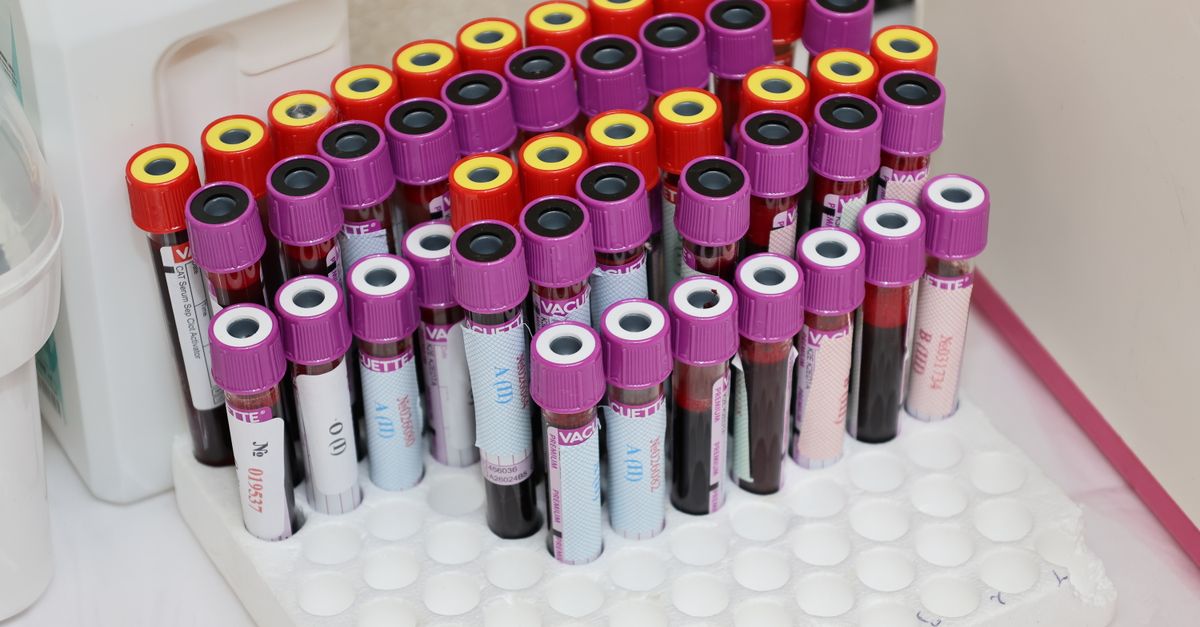
Why Is My Homocysteine Still High? What the Research Actually Says
Homocysteine is one of those blood markers that seems deceptively straightforward. Your doctor sees a number above 15 µmol/L, recommends folate, B6, and B12, and sends you on your way. You supplement diligently for three months. You retest. The number barely budges — or in some cases, it climbs. This experience is frustratingly common, and it points to a core problem: homocysteine elevation is rarely a single-nutrient deficiency. It is a systems-level signal.
This article unpacks the multi-layered reasons homocysteine can stay elevated, how it connects to other inflammatory markers, and what a data-driven approach to your formula should actually address.
---
The Biochemistry of Homocysteine Clearance (And Where It Breaks Down)
Homocysteine is an intermediate amino acid produced during the metabolism of methionine, an amino acid abundant in animal protein. Under healthy conditions, homocysteine is rapidly recycled through one of two pathways:
- Remethylation — converts homocysteine back to methionine using folate (as 5-MTHF), B12, and the enzyme MTHFR.
- Transsulfuration — converts homocysteine into cystathionine and eventually glutathione using B6 and the CBS enzyme.
When either pathway is sluggish — due to nutrient gaps, genetic variants, or enzyme inhibition — homocysteine accumulates. Elevated homocysteine (>10 µmol/L by many functional medicine thresholds; >15 µmol/L by most clinical labs) is independently associated with cardiovascular disease, cognitive decline, and bone fragility (Selhub 2006; PMID: 16765926).
Why Standard B-Vitamin Supplementation Often Isn't Enough
The most common intervention — folic acid + B12 + B6 — works well for people with nutritional deficiency as the root cause. But research increasingly shows that a significant subset of people have active B-vitamin status and still carry elevated homocysteine. A 2010 meta-analysis by Clarke and colleagues found that while B-vitamin supplementation reliably lowered homocysteine by 25–30%, it did not consistently translate into reduced cardiovascular event rates in already-supplemented populations — suggesting downstream pathology is more complex than the number alone (Clarke et al., Lancet 2010; PMID: 20594781).
---
MTHFR and Methylation Genetics: The Most Overlooked Driver
The MTHFR gene encodes the enzyme that converts dietary folate into the active form (5-methyltetrahydrofolate, or 5-MTHF) the body can actually use. Two common polymorphisms — C677T and A1298C — reduce enzyme efficiency by 30–70% depending on whether you carry one or two copies.
If you're supplementing with folic acid (the synthetic form) rather than methylfolate (5-MTHF), and you carry a MTHFR variant, your body may struggle to convert it. You could have high serum folate on labs but still be functionally undermethylated. This explains why so many people see no meaningful drop in homocysteine despite months of B-complex use.
The fix: switch to methylfolate (400–1000 mcg of 5-MTHF) and methylcobalamin (the active B12 form) rather than cyanocobalamin. A 2015 randomized controlled trial demonstrated that methylfolate supplementation produced a significantly greater reduction in homocysteine in MTHFR C677T homozygotes compared to folic acid at equivalent doses (Prinz-Langenohl et al., British Journal of Pharmacology; PMID: 19438927).
Genetic testing or a comprehensive methylation panel can clarify your status. Platforms like Ones analyze this kind of health history context when building your formula, helping ensure that the form of B vitamins in your capsules matches your biochemistry — not a generic label.
---
Why Is My CRP Still High? The Inflammation–Homocysteine Loop
C-reactive protein (CRP) is a marker of systemic inflammation produced by the liver. If your CRP is elevated alongside high homocysteine, this is not coincidental — the two are mechanistically linked.
Homocysteine promotes oxidative stress in the vascular endothelium, triggering the release of pro-inflammatory cytokines including IL-6, which drives CRP production. Conversely, systemic inflammation can impair the liver's methylation efficiency, raising homocysteine further. The result is a bidirectional feedback loop: each biomarker makes the other worse.
A 2003 cross-sectional study of over 1,000 adults found that homocysteine and CRP were independently and additively associated with cardiovascular risk — suggesting that treating one without addressing the other leaves significant risk unmanaged (Hoogeveen et al., Arteriosclerosis, Thrombosis, and Vascular Biology 2003; PMID: 14551159).
What does this mean practically? If your CRP is elevated (>1.0 mg/L for optimal range, >3.0 mg/L for high risk by AHA criteria), anti-inflammatory strategies are not optional supplements to your B-vitamin protocol — they are the protocol. Omega-3 fatty acids for inflammation have among the strongest evidence: EPA and DHA suppress NF-κB-driven cytokine release and have been shown to reduce CRP independently of homocysteine-lowering agents.
---
Why Is My ESR Still High? Chronic Low-Grade Inflammation and the Methylation Tax
Erythrocyte sedimentation rate (ESR) is another inflammatory marker — broader and less specific than CRP, but useful for detecting sustained, smoldering inflammation. An elevated ESR (>20 mm/hr in men, >30 mm/hr in women as rough clinical benchmarks) alongside persistent high homocysteine often signals that the body is under a long-term inflammatory burden.
Chronic inflammation — whether from autoimmune conditions, dysbiosis, environmental toxins, or metabolic syndrome — places enormous demands on methylation capacity. Inflammatory processes consume SAM-e (S-adenosylmethionine), the body's universal methyl donor, diverting resources away from the recycling of homocysteine. In simple terms: your body is spending methyl groups fighting inflammation, leaving fewer to manage homocysteine clearance.
This is why patients with conditions like rheumatoid arthritis, inflammatory bowel disease, or chronic infections commonly show elevated homocysteine alongside elevated ESR — it's not coincidence, it's shared metabolic pathology. Addressing the upstream inflammatory driver is essential. Pulling both biomarkers toward optimal often requires a multi-pronged formula rather than isolated B-vitamin supplementation.
---
Why Is My Fibrinogen Still High? The Coagulation Piece of the Puzzle
Fibrinogen is a clotting protein produced in the liver. Elevated fibrinogen (>400 mg/dL) increases blood viscosity and thrombotic risk — and it commonly co-occurs with high homocysteine. This overlap is not accidental.
Homocysteine directly interferes with thrombomodulin, a key anticoagulant protein on the endothelial surface. This impairs the protein C pathway and shifts the clotting balance toward prothrombotic states. At the same time, elevated fibrinogen signals hepatic inflammation, which again impairs the liver's methylation efficiency — circling back to the homocysteine problem.
If both markers are elevated, your cardiovascular risk profile is significantly amplified beyond what either marker predicts alone. Lifestyle interventions with evidence for reducing fibrinogen include regular aerobic exercise, smoking cessation, and targeted omega-3 supplementation, which has been shown in multiple trials to reduce fibrinogen modestly alongside its triglyceride-lowering effects.
---
Why Is My Fasting Insulin Still High? Metabolic Syndrome and Homocysteine Resistance
Persistently elevated fasting insulin (>7 µIU/mL as a functional medicine threshold; clinically flagged above 25) is a hallmark of insulin resistance — and it belongs in the homocysteine conversation for an underappreciated reason.
Insulin resistance promotes oxidative stress and systemic inflammation, both of which impair the transsulfuration pathway (the B6-dependent route that converts homocysteine to glutathione and cysteine). As a result, individuals with metabolic syndrome — characterized by elevated fasting insulin, central adiposity, high triglycerides, and low HDL — frequently show elevated homocysteine even when B-vitamin intake is adequate.
A 2012 study in the European Journal of Clinical Nutrition found that insulin resistance was a significant independent predictor of plasma homocysteine levels, after controlling for B-vitamin status and dietary protein intake. This means that without addressing insulin sensitivity, B-vitamin interventions alone are likely to produce only partial homocysteine reduction.
Strategies that improve insulin sensitivity — regular resistance training, reducing refined carbohydrate load, improving sleep quality, and addressing cortisol dysregulation — indirectly support homocysteine clearance by reducing the oxidative and inflammatory burden on methylation pathways. If you're working on this angle, reviewing how cortisol and adrenal function affect metabolic markers can provide additional context.
---
Gut Health, B12 Absorption, and the Forgotten Variable
Even if you're supplementing correctly, poor gut health can block absorption. B12 requires intrinsic factor — a protein produced by gastric parietal cells — to be absorbed in the terminal ileum. Conditions that reduce gastric acid (including H. pylori infection, chronic PPI use, or atrophic gastritis) can produce functional B12 deficiency even in people eating plenty of animal protein or taking oral supplements.
In these cases, sublingual or intramuscular B12 bypasses the absorption problem. A serum B12 level in the "normal" reference range does not rule out functional deficiency — checking methylmalonic acid (MMA) and holotranscobalamin gives a clearer picture of cellular B12 availability.
Similarly, small intestinal bacterial overgrowth (SIBO) can competitively consume B12 in the gut, reducing bioavailability. Gut health is not a peripheral concern when managing homocysteine — it is often central to it.
---
What This Means for Your Formula
If your homocysteine remains elevated despite basic B-vitamin supplementation, the evidence points to several potential gaps that a personalized formula should address:
- Active B-vitamin forms: Ones formulas use methylfolate (5-MTHF) and methylcobalamin rather than synthetic folic acid and cyanocobalamin, directly supporting the MTHFR-variant population where this distinction matters most.
- Omega-3 (EPA/DHA): Ones includes pharmaceutical-grade omega-3s to address the CRP–homocysteine inflammatory feedback loop. The clinical evidence supports 1–3g combined EPA+DHA daily for meaningful anti-inflammatory effect — dosing Ones calibrates based on your biomarker data.
- Magnesium Complex: Magnesium is a required cofactor for several methylation-adjacent enzyme reactions, and low magnesium is common in people with metabolic syndrome and elevated fasting insulin. Ones' Magnesium Complex provides multiple bioavailable magnesium forms to support this pathway.
When you share your lab results with Ones, the AI practitioner evaluates not just homocysteine in isolation, but the pattern across CRP, ESR, fasting insulin, and other correlated markers — then builds a capsule formula targeting the combination of factors driving your specific elevation, rather than a one-size-fits-all B-complex.
Always work with your healthcare provider to interpret lab results and determine whether pharmacologic intervention (such as trimethylglycine/betaine supplementation or prescription methylfolate) is appropriate for your case.
---
Key Takeaways
- Homocysteine elevation is rarely just a B-vitamin deficiency — genetics (MTHFR), gut absorption, inflammation, and insulin resistance all drive it independently.
- MTHFR variants require active B-vitamin forms (methylfolate, methylcobalamin) — synthetic folic acid may fail to lower homocysteine in this population.
- CRP, ESR, and fibrinogen often rise together with homocysteine because they share inflammatory and methylation-impairing mechanisms — treating one in isolation leaves the others unaddressed.
- Elevated fasting insulin signals an oxidative and inflammatory burden that directly impairs homocysteine clearance pathways, even when B-vitamin intake is adequate.
- Gut health and B12 absorption are frequently the hidden variables — check methylmalonic acid and holotranscobalamin, not just serum B12.
- A data-driven formula that addresses your full biomarker pattern — including anti-inflammatory omega-3s, magnesium, and active B-vitamin forms — is more likely to move your homocysteine than cycling through generic B-complex products.