Supplements
Why Is My LH Borderline? What It Means and What to Do
A borderline LH result sits close enough to the reference range to be dismissed by many clinicians, yet far enough to explain real symptoms — irregular cycles, low energy, or fertility challenges. Understanding what shifts LH and whether your level is functionally optimal takes more than a single number.
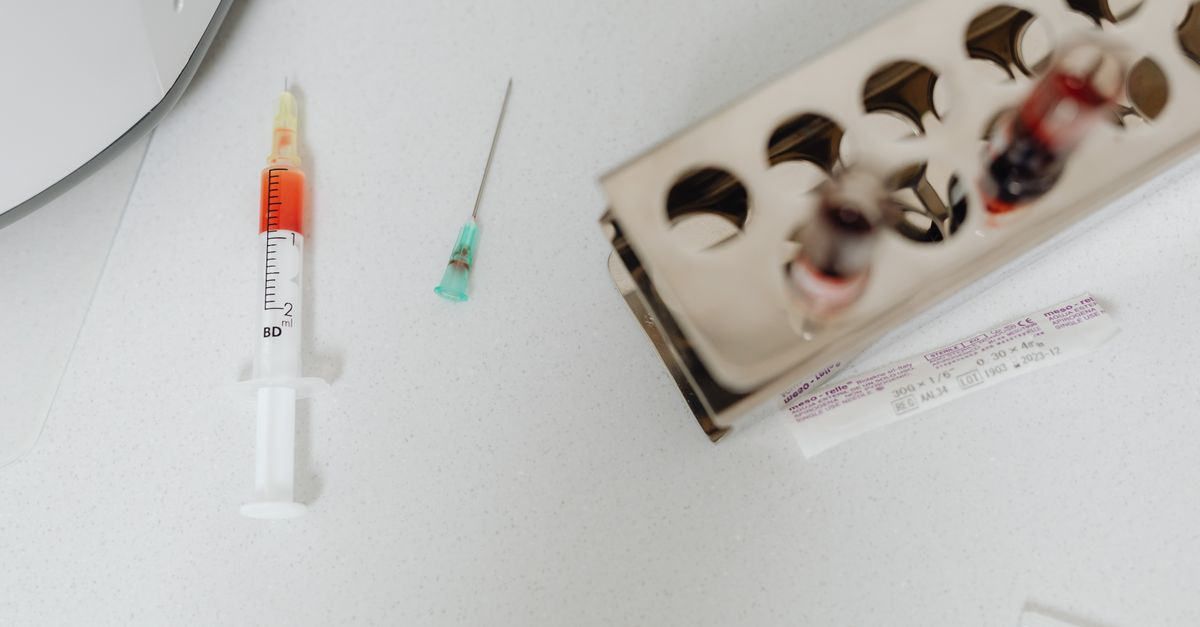
Why Is My LH Borderline? What It Means and What to Do
Borderline LH is common and often clinically meaningful. For most people, it reflects a mismatch between the brain's signaling demand and the current hormonal environment — frequently driven by stress, thyroid dysfunction, or nutritional gaps rather than a structural problem. The main caveat: "borderline" is cycle-phase dependent, so the same number can be normal or abnormal depending on when blood was drawn.
---
What LH Actually Does — and Why "Borderline" Is Tricky to Interpret
Luteinizing hormone (LH) is a glycoprotein pituitary hormone that orchestrates the final stages of follicle maturation, triggers ovulation in people with ovaries, and drives testosterone synthesis in people with testes. Its concentration in blood is not static — in women with regular cycles, LH surges 10–12-fold at mid-cycle before dropping sharply. A single blood draw can easily land in the "borderline" zone simply because of when it was taken relative to ovulation.
Standard reference ranges vary by laboratory and by cycle phase:
| Cycle Phase | Typical LH Range (IU/L) |
|---|---|
| Follicular phase | 1.9 – 12.5 |
| Mid-cycle (LH surge) | 8.7 – 76.3 |
| Luteal phase | 0.5 – 16.9 |
| Post-menopausal | 10.0 – 54.7 |
| Adult male | 1.5 – 9.3 |
If your result is, say, 13 IU/L and the label reads "high-normal" or "borderline high," the interpretation depends entirely on whether that draw happened during a surge, before it, or after it. This is one reason a single LH value without cycle-phase context is almost impossible to interpret accurately.
---
Why LH Goes Borderline: The Most Common Drivers
1. Hypothalamic-Pituitary Stress Signaling
Chronic stress elevates cortisol, which suppresses gonadotropin-releasing hormone (GnRH) pulsatility at the hypothalamus. Because LH release depends on regular GnRH pulses, even moderate cortisol elevation can blunt LH amplitude and flatten the mid-cycle surge. A 2019 review in Frontiers in Endocrinology found that hypothalamic amenorrhea — an extreme form of stress-mediated LH suppression — affects up to 30% of women presenting with secondary amenorrhea, and that sub-clinical GnRH disruption precedes frank amenorrhea by months (Meczekalski et al., Front Endocrinol 2014; PMID: 24523714). Borderline-low LH in the follicular phase is often the first detectable sign.
If cortisol is part of what's driving your hormonal picture, it's worth reading about supplements that affect cortisol in women — some adaptogens directly modulate the HPA axis and can restore downstream GnRH pulsatility.
2. Thyroid Dysfunction
TSH and LH share regulatory territory at the pituitary, and thyroid dysfunction — both hypo- and hyperthyroid states — reliably disrupts LH. In hypothyroidism, elevated TRH (thyrotropin-releasing hormone) can cross-stimulate prolactin, which then suppresses GnRH and LH. A prospective study in Thyroid found that subclinical hypothyroidism (TSH 4–10 mIU/L) was associated with anovulation and blunted LH surges in 47% of women attempting conception (Verma et al., Thyroid 2012; PMID: 22136213). Conversely, hyperthyroidism accelerates the metabolic clearance of sex hormones and can destabilize LH timing.
If your TSH is also on the edge, articles covering what causes low TSH in women and supplements that affect TSH offer useful context on the interplay between these two axes.
3. Nutritional Deficiencies — Especially Zinc
Zinc is required for GnRH pulsatility. In vitro and animal studies show that zinc-deficient hypothalamic tissue reduces GnRH secretion by up to 40%, and human observational data links low serum zinc with reduced LH amplitude in women with oligomenorrhea (Hamdi Kara et al., Biol Trace Elem Res 2020; PMID: 31410676). This is particularly relevant for women eating plant-heavy diets, where phytate binding reduces zinc bioavailability significantly. Understanding what causes low zinc in women is a practical first step if your LH borderline result comes alongside irregular cycles.
Magnesium deficiency similarly impairs pituitary function. Magnesium acts as a cofactor for adenylate cyclase, the enzyme that amplifies LH signal transduction inside gonadotroph cells. Low magnesium therefore reduces pituitary sensitivity to GnRH pulses even when GnRH secretion itself is normal.
4. Polycystic Ovary Syndrome (PCOS)
PCOS is the most common cause of persistently elevated LH:FSH ratio (often >2:1). In PCOS, abnormally fast GnRH pulse frequency selectively amplifies LH secretion while FSH lags. This drives excess androgen production without completing follicle maturation. Borderline-high LH — especially with an elevated LH:FSH ratio — alongside other PCOS markers (irregular periods, elevated androgens, polycystic ovarian morphology) warrants evaluation. The Rotterdam criteria require two of three diagnostic features; LH alone does not confirm or exclude PCOS.
5. Functional Hypothalamic Suppression from Low Energy Availability
Extreme caloric restriction or intensive athletic training can push LH into borderline-low territory through a mechanism called relative energy deficiency in sport (RED-S). A landmark study showed that restricting energy availability to below 30 kcal/kg lean body mass suppressed LH pulsatility within five days in eumenorrheic women (Loucks & Verdun, J Appl Physiol 1998; PMID: 9524988). This is a foundational citation in the field and the mechanism has since been replicated in numerous controlled trials. If you're an athlete or have been cutting calories aggressively, borderline-low LH may resolve with structured re-feeding before any supplement intervention is needed.
---
Does Borderline LH Actually Cause Symptoms?
Yes — but the symptom pattern depends on whether LH is borderline low or borderline high.
Borderline-low LH symptoms:
- Irregular or absent periods
- Luteal phase defect (short second half of cycle, spotting)
- Low libido
- Difficulty conceiving
- Fatigue and low mood
Borderline-high LH symptoms (outside of normal surge):
- Polycystic ovary-related symptoms: acne, excess hair growth, weight gain
- Irregular or infrequent periods
- Fertility challenges despite regular cycles
- Elevated androgens on blood work
Symptom overlap with thyroid conditions and iron deficiency is substantial. Women who notice hair thinning alongside hormonal irregularity should consider whether low ferritin is contributing, since iron deficiency independently disrupts pituitary signaling.
---
What to Do Next: A Practical Diagnostic Pathway
A single borderline LH result is rarely actionable on its own. Here's the clinical sequence most endocrinologists and gynecologists follow:
- Repeat LH with cycle-phase documentation. Draw on day 2–4 of your cycle (follicular phase baseline) and again at day 12–14 (to assess surge). Comparing the two values gives far more interpretive power than a single draw.
- Run a full panel alongside LH. FSH, estradiol (E2), progesterone (day 21 or 7 days post-ovulation), prolactin, TSH, free T4, total and free testosterone, DHEA-S, fasting insulin, and AMH (if fertility is a concern).
- Check nutritional status. Serum zinc, serum ferritin, 25-OH vitamin D, and RBC magnesium are the highest-yield markers given their direct roles in pituitary and hypothalamic function. Should women get magnesium tested? is a useful explainer on why standard serum magnesium often misses true deficiency.
- Assess lifestyle contributors. Sleep quality, caloric intake, training load, and chronic psychological stress are all modifiable before pharmacological intervention is considered.
- Rule out structural causes. If prolactin is elevated, pituitary MRI is warranted to exclude a microadenoma — a benign prolactin-secreting tumor that suppresses GnRH/LH and is more common than most people realize.
---
Nutrients and Lifestyle Changes That Support LH Regulation
Zinc
Zinc supplementation at 25–30 mg/day has been shown in randomized controlled trials to improve LH pulsatility and regularize cycles in zinc-deficient women within 8–12 weeks. Zinc bisglycinate and zinc picolinate forms are better absorbed than zinc oxide. Doses above 40 mg/day chronically risk copper depletion and should be avoided without practitioner oversight.
Vitamin D
Vitamin D receptors are present in hypothalamic and pituitary tissue. Deficiency correlates with blunted LH surge amplitude in observational data, and intervention trials in PCOS women show that correcting vitamin D improves both LH:FSH ratios and cycle regularity. Whether to get vitamin D tested is particularly relevant for anyone with unexplained hormonal irregularity.
Ashwagandha (KSM-66)
Ashwagandha's cortisol-lowering effect has a downstream benefit for LH. In a 2019 RCT in 60 women with stress-related subfertility, KSM-66 ashwagandha (300 mg twice daily) significantly improved serum LH alongside reductions in cortisol, compared to placebo (Dongre et al., Biomed Res Int 2015; PMID: 26609282). The mechanism is indirect — by reducing cortisol-mediated hypothalamic suppression, GnRH pulse frequency normalizes and LH secretion recovers.
Magnesium
Beyond its pituitary cofactor role, magnesium reduces HPA axis reactivity, supporting the same cortisol-GnRH-LH pathway. Magnesium glycinate is the preferred form for nervous system support given its superior bioavailability and gentle GI profile.
Sleep and Circadian Regulation
LH is released in pulses that are strongly circadian. Disrupted sleep architecture — particularly loss of slow-wave sleep — blunts the nocturnal LH pulse that sets up follicular development. Prioritizing 7–9 hours of consistent sleep, with a regular wake time, is a genuinely effective intervention that most supplement protocols can't replicate.
---
What This Means for Your Formula
If bloodwork, wearable data, and symptom history point to stress-driven LH suppression or nutritional gaps affecting pituitary function, Ones builds formulas that address the underlying drivers rather than the hormone number itself.
Zinc (clinically dosed at 25–30 mg as zinc bisglycinate): Directly supports GnRH pulsatility and LH amplitude in deficient individuals. Ones includes zinc at doses calibrated to your serum zinc result — not a blanket one-size dose.
KSM-66 Ashwagandha (600 mg/day): The specific extract used in the Dongre et al. subfertility trial. By attenuating HPA activation and lowering cortisol, it removes a key brake on hypothalamic GnRH signaling. Ones includes this extract at the clinically validated 600 mg full-spectrum dose.
Vitamin D3 + K2 (MK-7): Correcting vitamin D insufficiency supports pituitary LH receptor sensitivity. Ones uses the D3 form alongside MK-7 to direct calcium appropriately — particularly relevant for women whose borderline LH also coincides with bone health concerns.
Ones' AI practitioner cross-references these findings with your actual lab values and wearable trends — so if your LH is borderline alongside elevated cortisol markers and suboptimal zinc, your formula addresses that intersection specifically rather than applying a generic women's hormone blend.
---
Key Takeaways
- "Borderline" LH is only interpretable with cycle-phase context — the same number can be normal or abnormal depending on when it was drawn.
- Chronic stress is the most common modifiable cause of borderline-low LH, acting through cortisol suppression of hypothalamic GnRH pulses.
- Thyroid dysfunction and nutritional gaps — particularly zinc, vitamin D, and magnesium deficiencies — are high-yield, correctable contributors to both borderline-low and borderline-high LH patterns.
- Borderline-high LH outside of the mid-cycle surge, especially with an elevated LH:FSH ratio, should prompt evaluation for PCOS.
- A full hormone panel with cycle-phase documentation is the minimum diagnostic step before drawing clinical conclusions from a single LH value.
- Lifestyle factors — sleep, caloric intake, and training load — are first-line interventions for functional LH suppression and can normalize LH without supplementation in many cases.
---
This article is for informational purposes only and is not a substitute for personalized medical advice. Consult a qualified healthcare provider before starting any supplement regimen or making changes based on lab results.