Lab Results
Zinc Plasma Test: Assessing Levels, Copper Competition, and the Right Ratio
Most zinc deficiencies go undetected because standard blood panels skip it entirely — yet suboptimal zinc quietly undermines immunity, testosterone production, wound healing, and thyroid function. A zinc plasma blood test is the most reliable serum-based marker available, but reading it correctly means understanding not just your zinc level, but how it relates to your copper status. Here's what the numbers mean and how to act on them.
Why the Zinc Plasma Blood Test Is Worth Ordering
Zinc is the second most abundant trace mineral in the human body after iron, present in every cell and required as a cofactor for more than 300 enzymatic reactions (Prasad, Journal of Trace Elements in Medicine and Biology, 2012; PMID: 22664333). Despite this, it remains one of the most consistently overlooked markers in routine lab panels. Most annual physicals measure a metabolic panel, a CBC, and maybe a lipid profile — zinc rarely makes the list unless you or your provider specifically request it.
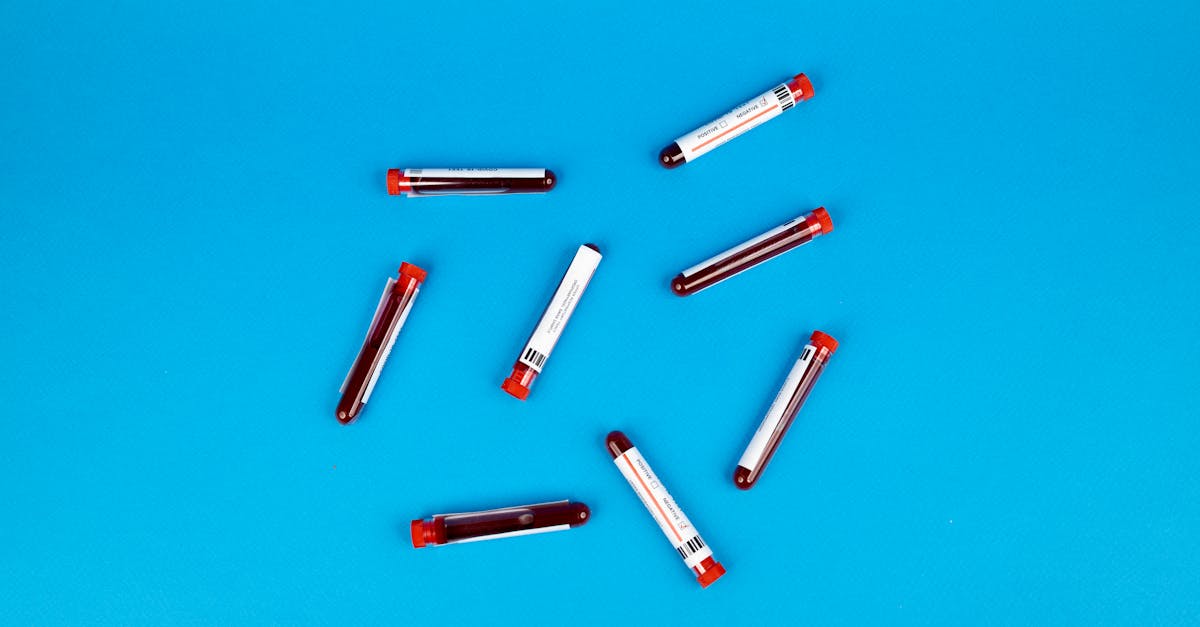
The zinc plasma blood test measures the concentration of zinc circulating in your plasma (the liquid portion of blood, separated from cells). It is the most practical and widely validated serum-based method for assessing zinc status in a clinical setting (King, American Journal of Clinical Nutrition, 2011; PMID: 21430257). While it doesn't capture intracellular zinc stores with perfect precision — since the body tightly regulates plasma levels even during mild depletion — it remains the standard first-line test recommended by bodies including the World Health Organization and the International Zinc Nutrition Consultative Group.
If you're experiencing persistent fatigue, slow wound healing, frequent infections, hair thinning, reduced sense of taste or smell, or low testosterone, a zinc plasma blood test is a logical first diagnostic step before reaching for a supplement.
---
Plasma Zinc Level Optimal: What the Reference Ranges Actually Mean
Laboratory reference ranges for plasma zinc typically fall between 70–120 µg/dL (10.7–18.4 µmol/L), though the specific cutoffs vary slightly between labs. Understanding where within this range your result falls — not just whether you're "in range" — matters considerably.
| Plasma Zinc Level | Interpretation |
|---|---|
| < 60 µg/dL | Frank deficiency — clinical intervention warranted |
| 60–70 µg/dL | Marginal deficiency — supplementation and dietary audit recommended |
| 70–90 µg/dL | Low-normal — functional suboptimality possible, especially under stress |
| 90–110 µg/dL | Optimal range for most adults |
| 110–120 µg/dL | High-normal — typically fine unless copper is also elevated |
| > 130 µg/dL | Excess — possible over-supplementation or rare genetic cause |
The Biomarkers of Nutrition for Development (BOND) project, a coordinated review by the NIH, identifies plasma zinc below 65 µg/dL in adults as indicative of deficiency requiring intervention (NIH Office of Dietary Supplements, Zinc Fact Sheet for Health Professionals, updated 2023). However, functional optimization — the threshold at which enzymes, immune cells, and hormonal pathways perform at their best — likely sits closer to 90–110 µg/dL based on mechanistic data from intervention trials.
Critically, plasma zinc is suppressed by acute inflammation. C-reactive protein (CRP) and interleukin-6 both drive zinc redistribution into the liver as part of the acute-phase response (Lowe et al., American Journal of Clinical Nutrition, 2009; PMID: 19176739). If your CRP is elevated at the time of the draw, your zinc level may appear artificially low. A good integrative or functional medicine provider will interpret both values together.
---
Zinc Deficiency Test: Recognizing the Signs Beyond the Number
A zinc plasma blood test gives you the quantitative picture, but clinical zinc deficiency has distinct phenotypic signs that often precede a dramatically abnormal lab result. This is because the body compensates by reducing zinc excretion and reallocating stores before plasma levels drop significantly — a process called zinc homeostasis adaptation.
Key clinical indicators to pair with your test result include:
- Recurrent infections or prolonged illness — zinc is essential for T-cell maturation, natural killer cell activity, and the production of thymulin, a zinc-dependent thymic hormone (Shankar and Prasad, American Journal of Clinical Nutrition, 1998; PMID: 9701160)
- Anosmia or hypogeusia — diminished smell or taste has been consistently linked to low zinc status and is partly why zinc lozenges became associated with cold duration
- Hair loss or brittle nails — zinc supports keratin synthesis and follicular cell proliferation
- Delayed wound healing — zinc is required at every phase of wound repair including inflammation, proliferation, and remodeling
- Low morning testosterone — zinc inhibits aromatase activity and supports Leydig cell function; a meta-analysis of 7 randomized trials found zinc supplementation significantly increased serum testosterone in deficient men (Fallah et al., Journal of Research in Medical Sciences, 2018; PMID: 30505339)
- White spots on nails (leukonychia) — a traditional clinical sign of zinc insufficiency, though not specific
For a more comprehensive assessment, some functional medicine practitioners also use an alkaline phosphatase (ALP) level as a proxy marker — ALP is a zinc-dependent enzyme, and ALP below 60 U/L in the absence of liver pathology often correlates with marginal zinc deficiency.
If you're already tracking your health data through wearables or prior blood work, platforms like Ones can cross-reference multiple biomarkers simultaneously — flagging patterns like low zinc alongside elevated inflammatory markers or suboptimal testosterone before they compound into larger clinical problems. Understanding vitamin D3 and K2 synergy is one parallel example of how trace mineral and fat-soluble vitamin interactions require a systems-level view rather than single-marker thinking.
---
Zinc Copper Ratio: The Most Overlooked Calculation in Your Panel
Here is where zinc testing gets genuinely sophisticated — and where most online "zinc deficiency guides" fall short. Zinc and copper are metabolic antagonists. They compete for intestinal absorption via the same transporter protein (metallothionein and ZIP/ZnT transporter families), meaning that excess zinc suppresses copper uptake, and excess copper can blunt zinc activity at the cellular level.
The zinc-to-copper ratio (calculated simply as plasma zinc ÷ plasma copper, both in µg/dL) has emerged as a clinically meaningful index beyond either value alone.
| Zinc:Copper Ratio | Interpretation |
|---|---|
| < 0.7 | Copper excess / zinc insufficiency — inflammatory, possible oxidative stress |
| 0.7–1.0 | Low-normal — suboptimal, merits review |
| 1.0–1.4 | Generally accepted optimal range |
| > 1.4 | Zinc excess / potential copper deficiency — especially with high-dose zinc supplementation |
A zinc:copper ratio below 1.0 has been associated with elevated inflammatory cytokines and worse outcomes in several chronic disease contexts. A 2019 study in Nutrients found that lower zinc:copper ratios correlated with higher TNF-α and IL-6 concentrations in a community sample of adults (Malavolta et al., Nutrients, 2019; PMID: 31635180). Conversely, a ratio chronically above 1.4 — often seen in people self-supplementing with 50mg or more of zinc daily without copper co-supplementation — can produce frank copper deficiency, manifesting as microcytic anemia, neutropenia, and neurological symptoms.
This ratio is why supplementing zinc without a baseline test is a gamble. If your copper is already low-normal and you add 50mg of zinc daily, you may resolve one deficiency while creating another. The standard clinical guidance from the National Institutes of Health recommends a copper intake of approximately 1.5–3mg for every 40–50mg of supplemental zinc taken long-term (NIH ODS, Zinc and Copper interaction data, 2023).
For those interested in cardiovascular and metabolic context, optimal magnesium glycinate dosage is another mineral interaction worth examining — magnesium and zinc share some overlapping roles in insulin signaling and are both commonly deficient in modern diets.
---
Zinc Supplementation: Forms, Clinical Doses, and How to Supplement Intelligently
Once you have a zinc plasma blood test result and a zinc:copper ratio in hand, the supplementation question becomes much more tractable. Not all zinc forms are created equal.
Zinc absorption by form (approximate bioavailability):
| Zinc Form | Estimated Bioavailability | Notes |
|---|---|---|
| Zinc glycinate | ~61% | Chelated form, high absorption, low GI irritation |
| Zinc picolinate | ~58% | Well-studied, comparable to glycinate |
| Zinc citrate | ~61% | Good bioavailability, mild taste |
| Zinc bisglycinate | High | Emerging data, well-tolerated |
| Zinc gluconate | ~38–50% | Common in lozenges, modest bioavailability |
| Zinc oxide | ~10–20% | Poor absorption, mainly used in topical products |
| Zinc sulfate | Moderate | Inexpensive but often causes nausea |
For most adults with documented marginal to moderate deficiency, 15–30mg elemental zinc daily is a clinically appropriate repletion dose (NIH ODS, 2023). For frank deficiency under clinical supervision, short-term dosing up to 40–50mg may be used, but the tolerable upper intake level (UL) for adults is set at 40mg/day by the NIH — above which copper depletion risk rises substantially.
Duration matters. Plasma zinc typically normalizes within 8–12 weeks of consistent supplementation, after which retesting is advisable to avoid overshoot. Pairing zinc with food reduces the risk of nausea; phytates in whole grains and legumes can reduce zinc absorption by 15–35%, so taking zinc 1–2 hours apart from high-phytate meals improves uptake (Lonnerdal, American Journal of Clinical Nutrition, 2000; PMID: 10919944).
For reference on how zinc interacts with other evidence-based protocols, the clinical evidence for ashwagandha is relevant because both KSM-66 ashwagandha and zinc support testosterone metabolism through complementary but distinct pathways — a combination that appears in some Ones formulas for men with documented suboptimal hormone panels.
---
What This Means for Your Formula: How Ones Addresses Zinc Status
Ones takes zinc supplementation out of the guesswork zone by starting with your actual data. When you upload blood work that includes a zinc plasma test and a copper level, the Ones AI health practitioner identifies your zinc:copper ratio, cross-references it with other biomarkers (testosterone, ALP, CRP, ferritin), and builds a formula calibrated to your specific gap — not a generic population average.
Here's what that looks like in practice with specific Ones ingredients:
1. Zinc (15–30mg, form matched to formula)
Ones includes zinc in chelated form (glycinate or picolinate) at doses scaled to your deficiency level, staying within the 40mg UL. If copper is also flagged as low or borderline, the formula will not maximize zinc without addressing the balance — the system is designed to avoid the over-supplementation trap.
2. Copper (1–2mg as copper glycinate or cupric oxide where indicated)
Where the zinc:copper ratio exceeds 1.2 or copper is low-normal on testing, Ones can include copper co-supplementation at doses matched to the zinc level in the formula. This is the kind of nuanced pairing that generic supplement stacks miss entirely.
3. Thyroid Support Blend
Zinc is a required cofactor for the conversion of T4 to active T3 thyroid hormone. Ones' proprietary Thyroid Support System Blend incorporates zinc alongside selenium and other thyroid-relevant micronutrients at clinically validated doses. If your thyroid labs (TSH, free T3, free T4) show suboptimal conversion alongside low zinc, these can be addressed within the same formula. For a broader picture of thyroid-relevant supplementation, omega-3 EPA DHA ratio guide covers how anti-inflammatory fatty acids also support thyroid receptor sensitivity.
Formulas are available in 6, 9, or 12-capsule plans, so whether zinc is your only gap or one of several, it fits within your daily capsule budget without redundant ingredients.
---
Key Takeaways
- The zinc plasma blood test is the standard first-line clinical marker for zinc status; optimal plasma zinc for most adults sits between 90–110 µg/dL, not merely "within range."
- Always interpret plasma zinc alongside CRP — acute inflammation artificially suppresses circulating zinc levels and can produce false-low readings.
- The zinc:copper ratio (target: 1.0–1.4) is as important as the zinc level itself; long-term zinc supplementation without copper monitoring is a common cause of iatrogenic copper deficiency.
- Form and dose matter — chelated forms like zinc glycinate or picolinate deliver meaningfully better bioavailability than zinc oxide or sulfate; 15–30mg elemental zinc covers most repletion needs.
- Clinical signs including hair loss, taste/smell changes, low testosterone, and recurrent infections should prompt testing even before lab numbers hit the deficiency threshold.
- Personalized formulas from Ones combine your zinc plasma result with copper status, inflammatory markers, and hormonal data to build a calibrated, ratio-aware supplementation plan — not a one-size-fits-all zinc capsule.