Supplements
Taking Benfotiamine? Side Effects Start With Your Labs
Benfotiamine is widely praised for supporting nerve health and glucose metabolism, yet most people taking it have never had a single lab test to confirm they need it — or that their dose is safe. Understanding when benfotiamine side effects become a genuine concern, and which biomarkers predict them, is the difference between supplement guesswork and precision nutrition.
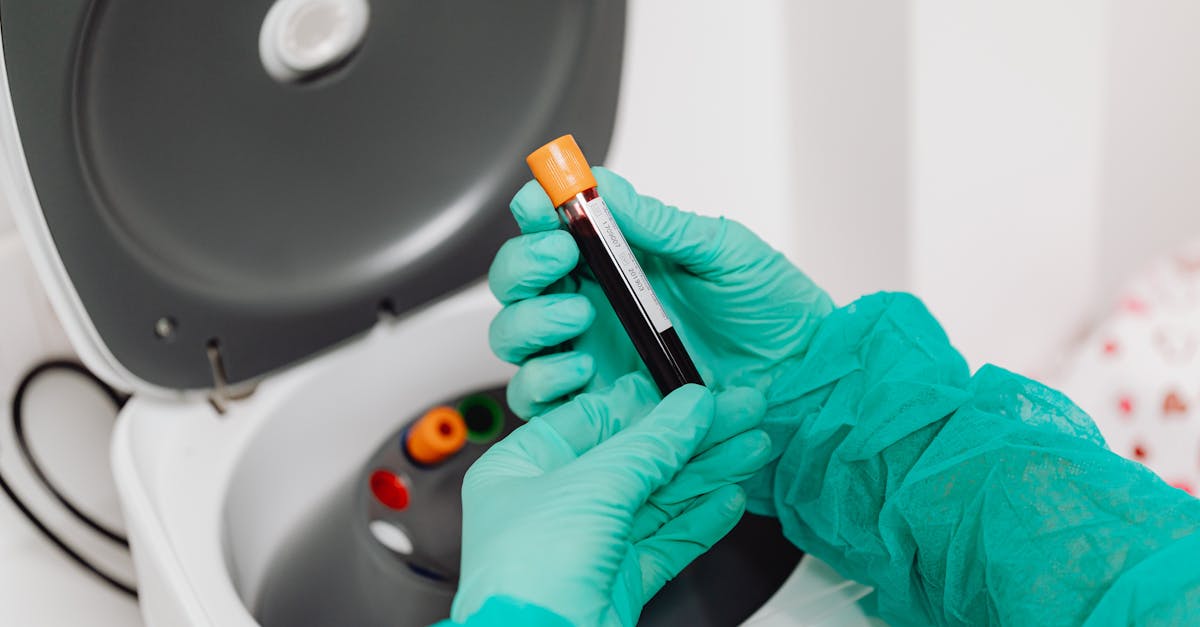
When to Worry About Benfotiamine Side Effects — and the Tests That Tell You Why
Benfotiamine has quietly become one of the more compelling vitamin B1 derivatives on the supplement market. As a fat-soluble analog of thiamine, it crosses cell membranes far more efficiently than standard thiamine hydrochloride, making it attractive for people managing diabetic neuropathy, metabolic dysfunction, and early cognitive decline. But like any biologically active compound, benfotiamine is not entirely without risk — and the signals that predict those risks are almost never discussed on supplement labels.
This article breaks down the genuine side effect profile of benfotiamine, the lab results and wearable patterns that help you interpret your personal risk, and how a data-driven supplementation approach helps you calibrate dose before problems emerge.
---
What Benfotiamine Actually Does — and Why That Matters for Side Effects
Benfotiamine is an S-acyl derivative of thiamine (vitamin B1). Once absorbed, it is converted to thiamine pyrophosphate (TPP), the biologically active coenzyme that drives the pentose phosphate pathway and transketolase enzyme activity. By flooding this pathway, benfotiamine reduces the accumulation of advanced glycation end-products (AGEs) — one of the primary mechanisms behind peripheral neuropathy and vascular damage in people with chronically elevated blood glucose.
In a landmark randomized trial, Stracke et al. (2001) demonstrated that 400 mg/day of benfotiamine significantly reduced neuropathic pain scores in diabetic patients over 3 weeks (PMID: 11693382). A later double-blind trial by Haupt et al. (2005) showed that 300 mg/day for 6 weeks reduced pain and improved nerve conduction compared to placebo (PMID: 15952077).
Because the mechanism is metabolic — rerouting glucose flux at the cellular level — the context in which you take benfotiamine matters enormously. Someone with healthy thiamine status and no glycation-related stress has very different pharmacodynamics from someone with pre-diabetes, heavy alcohol use, or subclinical thiamine deficiency.
---
The Real Benfotiamine Side Effect Profile: What Clinical Trials Show
The reassuring news: benfotiamine has a strong short-term safety record in published trials. Most studies using doses between 150 mg and 600 mg/day report no serious adverse events. The most commonly noted complaints are mild gastrointestinal — nausea, bloating, or loose stools — and these tend to resolve within the first week of use or when the supplement is taken with food.
However, several less-discussed concerns deserve attention:
1. High-dose thiamine and insulin sensitivity shifts
Benfotiamine's ability to improve glucose metabolism means it may potentiate hypoglycemia in people already taking insulin or sulfonylureas. If you are on glucose-lowering medications and add benfotiamine, blood glucose monitoring becomes essential. This is not a toxicity issue per se — it is a pharmacodynamic interaction that labs will catch before it becomes a problem.
2. Thiamine excess and B-vitamin competition
Thiamine (as TPP) competes with other B-vitamin coenzymes for transporter binding at high intracellular concentrations. Very high supplemental thiamine has been theorized to disrupt riboflavin (B2) and pyridoxine (B6) metabolism, though this remains largely mechanistic rather than confirmed in clinical trials at standard benfotiamine doses. The more practical concern is that megadosing benfotiamine without monitoring the rest of your B-vitamin panel may create subtle imbalances.
3. Thiamine and thyroid hormone metabolism
There is emerging evidence that high-dose thiamine supplementation may influence thyroid function. A case series published in BMC Neurology (Costantini et al., 2013; PMID: 23536882) reported that some patients taking high-dose thiamine (600–1800 mg/day, though primarily as thiamine HCl) experienced hyperthyroid-like symptoms. Doses in this range are far beyond standard benfotiamine protocols, but it underscores why thyroid labs — TSH, Free T3, Free T4 — are worth running if you are experimenting with long-term benfotiamine supplementation.
4. Allergy and skin reactions
Rare contact dermatitis reactions to thiamine derivatives have been documented in occupational exposure literature. Oral supplementation-linked skin reactions are uncommon but not unheard of. If you develop unexplained rash or urticaria after starting benfotiamine, thiamine sensitivity is a differential to discuss with your provider.
---
The Lab Tests That Tell You Whether Benfotiamine Is Right for You
One of the most common supplementation mistakes is taking a thiamine-supporting compound without first knowing your actual thiamine status. Here are the key markers worth reviewing:
| Lab Marker | Why It Matters | Optimal Range |
|---|---|---|
| Whole Blood Thiamine (Erythrocyte TPP) | Direct measure of functional B1 status | 70–180 nmol/L |
| Fasting Blood Glucose | Screens for metabolic context where benfotiamine is most useful | 70–99 mg/dL |
| HbA1c | Reflects 3-month glycation burden — primary indication for benfotiamine | <5.7% |
| TSH / Free T3 / Free T4 | Monitors for thyroid perturbation with long-term use | TSH 0.5–2.5 mIU/L |
| Comprehensive Metabolic Panel | Liver enzymes (AST/ALT) as safety baseline | Within reference range |
| Full B-Vitamin Panel (B2, B6, B12) | Detect imbalances that co-supplement may create | Lab-specific reference |
If your erythrocyte TPP is already in the upper quartile of normal and your HbA1c is under 5.3%, the evidence base for adding benfotiamine is thin and the risk-to-benefit ratio shifts. Conversely, if you have peripheral neuropathy symptoms, elevated HbA1c, or documented thiamine insufficiency, the clinical rationale is strong.
For deeper context on how B-vitamin status interacts with metabolic health markers, an integrated lab panel gives you far more actionable information than a symptom checklist alone.
---
Rhodiola Rosea Side Effects: Why Adaptogen Stacking Requires Caution
Many people taking benfotiamine are also supplementing with adaptogens like rhodiola rosea for fatigue and cognitive support — two common complaints in people with metabolic dysfunction or neuropathy. Understanding rhodiola rosea side effects in this context is worth a brief detour.
Rhodiola rosea (standardized to 3% rosavins and 1% salidroside) is generally well-tolerated at 200–600 mg/day. Reported side effects include agitation, insomnia, and irritability — most often in people with anxiety disorders or those taking stimulants. A systematic review by Hung et al. (2011; PMID: 21036578) found that adverse events across 11 trials were mild and transient.
The more relevant caution is that rhodiola may modestly influence cortisol signaling via HPA axis modulation, and there is mechanistic overlap with thyroid hormone regulation. If you are already monitoring thyroid labs for benfotiamine, rhodiola is another compound worth tracking against those markers.
Ones includes Rhodiola Rosea in custom formulas at evidence-based doses, and because the platform cross-references your wearable stress data and lab results before building your formula, it will not stack benfotiamine and rhodiola without sufficient physiological justification. You can read more about the clinical evidence for rhodiola rosea and stress adaptation to see how the dose windows compare across studies.
---
NAD Supplement Side Effects: The Metabolic Overlap With Benfotiamine
NAD precursors — including NMN (nicotinamide mononucleotide) and NR (nicotinamide riboside) — share functional territory with benfotiamine: both influence cellular energy production through coenzyme pathways. This makes NAD supplement side effects particularly relevant when the two are combined.
Known NAD supplement side effects at standard doses (250–500 mg/day NMN or NR) are mild: flushing, nausea, and occasional headache. However, at higher doses or in individuals with NAMPT (nicotinamide phosphoribosyltransferase) variants, NAD metabolism can generate excess nicotinamide, which at high levels has been shown to inhibit sirtuin activity — the very longevity pathway NAD precursors are supposed to activate (Bitterman et al., Science 2002; PMID: 12471258).
The benfotiamine connection: both compounds increase intracellular flux through energy-producing pathways. In theory, stacking them at maximum doses without metabolic monitoring could push mitochondrial redox balance in unpredictable directions. Neither compound is dangerous at standard doses, but the combination warrants a baseline metabolic panel and periodic liver enzyme checks.
Ones includes NMN as an individual ingredient option, dosed within evidence-aligned ranges, and its AI health practitioner reviews your existing formula context — including any benfotiamine equivalent — before recommending NAD precursors.
---
Nattokinase Side Effects: A Separate Risk Class Worth Understanding
Nattokinase is a serine protease derived from fermented soybeans, increasingly taken for cardiovascular support and blood viscosity. While it does not share a mechanistic pathway with benfotiamine, the two are frequently co-supplemented by people managing cardiovascular risk factors or diabetic complications.
Nattokinase side effects center primarily on its fibrinolytic activity — it degrades fibrin clots and reduces platelet aggregation. This makes bleeding risk the most clinically significant concern, particularly in people taking anticoagulants (warfarin, apixaban), antiplatelet agents (aspirin, clopidogrel), or who have upcoming surgery. A case report published in Neurology (Chang et al., 2008; PMID: 18981370) documented cerebral hemorrhage in a patient taking nattokinase alongside aspirin, highlighting that this is not a merely theoretical risk.
For people with diabetic neuropathy who are already on cardiovascular medications, adding nattokinase without a coagulation panel (PT/INR, aPTT) and medication review is genuinely risky. The intersection with benfotiamine is indirect, but the population overlap is real.
---
Glucosamine Chondroitin Side Effects and Metabolic Considerations
Glucosamine and chondroitin sulfate are another common co-supplement in the benfotiamine user demographic — particularly among older adults managing both neuropathy and joint pain. Understanding glucosamine chondroitin side effects matters here because glucosamine, derived from shellfish, has been studied for its effects on glucose metabolism — with mixed findings.
Early observational data raised concerns that glucosamine could impair insulin sensitivity, though a subsequent Cochrane review and multiple RCTs have not confirmed clinically meaningful effects on blood glucose at standard doses (1500 mg/day glucosamine sulfate) in most individuals (Towheed et al., Cochrane Database 2005). However, in people with pre-diabetes or established insulin resistance — precisely the population most likely to be taking benfotiamine — even modest perturbations in glucose handling are worth monitoring.
If you are taking benfotiamine to address glycation-related damage and adding glucosamine for joint support, tracking fasting glucose and HbA1c every 3–6 months is a reasonable baseline. For a deeper look at joint support ingredients and clinical evidence, understanding the dose-response relationship helps set realistic expectations.
Ones offers Ligament Support as a System Blend that combines clinically relevant connective tissue ingredients. For users also addressing metabolic health, the AI health practitioner evaluates the combined ingredient context rather than treating each supplement in isolation.
---
What This Means for Your Formula
Benfotiamine is a legitimate, evidence-backed compound — but it is most effective and safest when prescribed to the right metabolic context at the right dose. Here is how Ones approaches this:
Benfotiamine (within Thiamine/B-Complex protocols): Ones sources ingredients dosed to clinical ranges, matching the 300–600 mg/day doses validated in neuropathy trials. If your lab results show elevated HbA1c, reduced erythrocyte thiamine, or documented peripheral neuropathy symptoms in your health history, the AI recommends this ingredient with a supporting rationale tied to your data.
Magnesium Glycinate: Magnesium is a cofactor for over 300 enzymatic reactions, including several in the thiamine-dependent pyruvate dehydrogenase complex. Deficiency in magnesium impairs the same metabolic pathways benfotiamine is meant to support. Ones includes Magnesium Glycinate at 200–400 mg elemental magnesium, calibrated to your serum magnesium and RBC magnesium when available.
NMN (Nicotinamide Mononucleotide): Where NAD precursors are indicated by biological age markers, wearable recovery scores, or cellular energy biomarkers, Ones incorporates NMN into custom formulas. The platform cross-checks this against any thiamine-pathway supplements in your stack to avoid redundant or competing metabolic loads.
The 6, 9, or 12-capsule plan structure means your formula stays within a practical daily load — preventing the all-too-common problem of supplement stacking without regard for total physiological burden.
---
Key Takeaways
- Benfotiamine side effects are rare at clinical doses (300–600 mg/day) but include GI discomfort, potential glucose-lowering interactions with diabetes medications, and theoretical thyroid effects at very high doses — making baseline labs essential before long-term use.
- Key labs to run before starting benfotiamine include erythrocyte TPP (thiamine status), fasting glucose, HbA1c, thyroid panel, and liver enzymes — these biomarkers contextualize your risk and confirm whether supplementation is physiologically justified.
- Adaptogens and NAD precursors frequently co-stacked with benfotiamine (rhodiola rosea, NMN) carry their own side effect profiles and should be evaluated for cumulative metabolic burden, not just individual safety.
- Nattokinase and anticoagulant interactions represent the most serious risk in the benfotiamine co-supplement ecosystem — always review coagulation markers and medication lists before adding fibrinolytic compounds.
- Glucosamine's effect on insulin sensitivity remains debated, but people using benfotiamine for glycation management should monitor glucose markers if adding glucosamine chondroitin concurrently.
- Personalized formulas built from lab data — like those Ones generates from blood work and wearable inputs — avoid the guesswork of generic supplement stacking by matching ingredients and doses to your verified physiological need. Always consult a healthcare provider before making changes to your supplement regimen, particularly if you are managing a diagnosed condition or taking prescription medications.