Supplements
Lycopene Turning Your Skin Orange? Here's What's Really Going On
Lycopene is widely celebrated as a heart-protective, cancer-risk-reducing carotenoid — but a small subset of people experience skin discoloration, GI upset, or interactions with medications they never expected. Understanding what drives these reactions, and which biomarkers can predict them, is the difference between a supplement that works for you and one that quietly works against you.
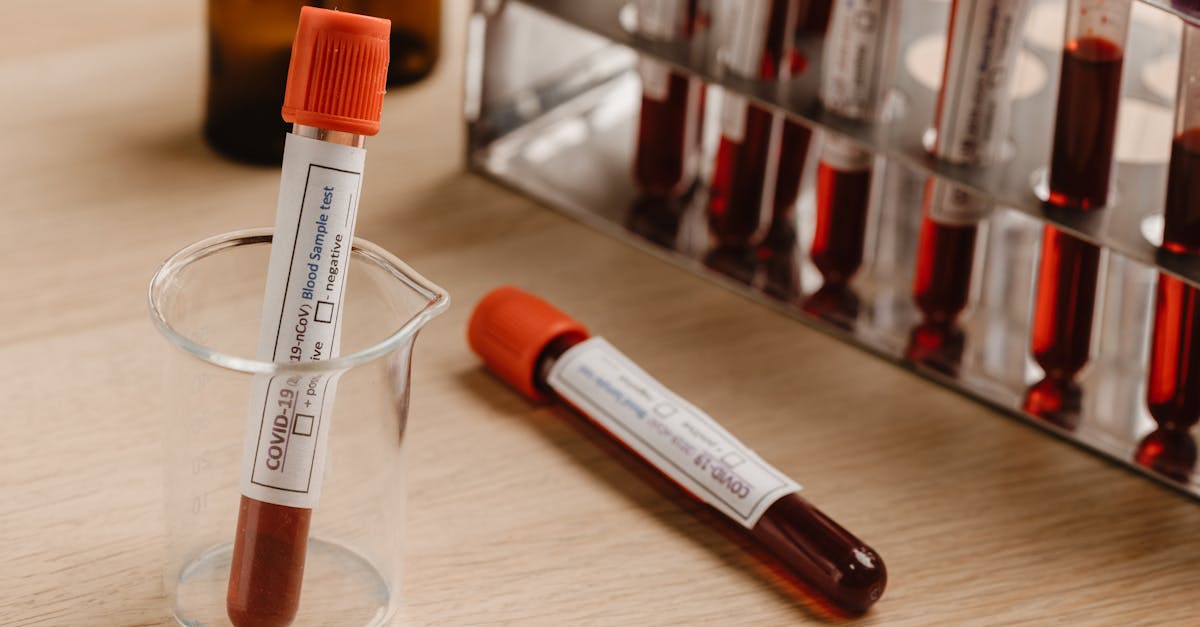
When to Worry About Lycopene Side Effects — and the Tests That Tell You Why
Lycopene is the pigment that makes tomatoes red and watermelons pink, and for decades it has attracted serious scientific attention for its antioxidant potency. Epidemiological studies consistently link higher lycopene intake with lower risks of cardiovascular disease and certain cancers — particularly prostate cancer — making it one of the most studied carotenoids in clinical nutrition (Giovannucci et al., Journal of the National Cancer Institute 2002; PMID: 12096082).
But "well-studied" does not mean "universally safe at any dose." As lycopene supplements grow in popularity — with products ranging from 10 mg to 75 mg per serving — questions about lycopene side effects are becoming more clinically relevant. This article breaks down what the evidence actually says about adverse reactions, who is most at risk, which lab markers can flag a problem before it becomes serious, and how a personalized supplement approach can help you get the benefits without the downsides.
---
What Are the Documented Lycopene Side Effects?
For most people consuming lycopene through whole foods — tomatoes, watermelon, pink grapefruit, papaya — side effects are essentially nonexistent. The carotenoid is lipid-soluble, absorbed through dietary fat, and processed by the liver without generating reactive metabolites that stress the detoxification system.
Supplemental lycopene at higher doses is a different story. Here is what the clinical literature documents:
1. Lycopenodermia (Skin Discoloration)
The most commonly reported cosmetic side effect is a yellowish-orange discoloration of the skin, called lycopenodermia, caused by carotenoid deposition in subcutaneous fat. This mirrors the better-known carotenemia seen with excessive beta-carotene. Concentrations are highest in areas with dense adipose tissue — palms, soles, and nasolabial folds. The condition is harmless and fully reversible upon dose reduction, but it is a visible signal that tissue saturation has been reached.
2. Gastrointestinal Discomfort
At doses above 30 mg/day, some individuals report nausea, bloating, diarrhea, and stomach cramps. These effects are more pronounced when supplements are taken without food. A 2011 systematic review examining lycopene supplementation trials found GI complaints were the most frequently self-reported adverse events, though serious events were not documented (Ilic et al., Cochrane Database of Systematic Reviews 2011; doi.org/10.1002/14651858.CD008007.pub2).
3. Drug Interactions
Lycopene has measurable antiplatelet activity. Studies indicate it inhibits platelet aggregation by reducing thromboxane B2 production, which can amplify the bleeding risk of anticoagulants like warfarin and antiplatelet agents like aspirin or clopidogrel (O'Kennedy et al., Platelets 2001; PMID: 11297295). Anyone on blood-thinning medications should consult their healthcare provider before supplementing with lycopene.
4. Potential Prostate PSA Interference
Some early observational data suggested that very high lycopene intake may influence PSA (prostate-specific antigen) readings, complicating cancer screening interpretations. While this effect is not definitively established, men under active prostate cancer monitoring should disclose lycopene use to their urologist.
5. Reduced Absorption of Other Nutrients
Because carotenoids compete for the same intestinal transport proteins (specifically SR-B1 and CD36), very high lycopene concentrations can impair the absorption of beta-carotene, lutein, and zeaxanthin. If you are already supplementing for macular health or immune function, stacking a high-dose lycopene supplement on top can create antagonistic absorption dynamics.
---
The Lab Tests That Tell You Why Side Effects Are Happening
When lycopene side effects occur, they rarely arise in isolation. Most of the time, there is an underlying biomarker story — a sluggish liver, a genetic polymorphism in carotenoid metabolism, or elevated inflammatory load — that explains the individual's vulnerability. Here are the tests worth requesting:
| Test | What It Reveals | Relevance to Lycopene |
|---|---|---|
| Serum Carotenoid Panel | Absolute lycopene, lutein, beta-carotene levels | Identifies tissue saturation and competitive absorption issues |
| Liver Function Panel (ALT, AST, GGT) | Hepatic detoxification capacity | Lycopene is metabolized hepatically; impaired clearance raises risk |
| Lipid Panel (LDL particle size) | Lycopene's primary cardioprotective target | Establishes baseline and monitors benefit |
| hs-CRP | Systemic inflammation | High baseline inflammation may amplify antioxidant-supplement interactions |
| INR / PT | Coagulation status | Critical for those on anticoagulant therapy |
| PSA (men 40+) | Prostate health monitoring | Relevant given lycopene's androgenic tissue affinity |
Platforms like Function Health offer broad lab panels that can capture most of these markers at once. But interpreting the results in the context of your supplement stack requires a layer of analysis that most standalone testing services don't provide.
This is exactly the gap that Ones is designed to fill. Ones' AI health practitioner ingests your blood work — including lipid panels, liver enzymes, and inflammatory markers — alongside wearable data and health history to determine not just whether lycopene belongs in your formula, but at what dose it delivers benefit without pushing you into side-effect territory.
---
Lutein and Zeaxanthin Side Effects: What Changes When You Stack Carotenoids
Many people researching lycopene are simultaneously taking lutein and zeaxanthin for eye health — and for good reason. Both carotenoids accumulate in the macular pigment of the eye and are associated with reduced risk of age-related macular degeneration (AMD) (Ahn et al., Nutrients 2021; PMID: 34444804).
But the question of lutein zeaxanthin side effects becomes more nuanced when these carotenoids are stacked with lycopene at high doses. Because lutein, zeaxanthin, and lycopene share intestinal absorption pathways, high-dose supplementation of any one can reduce bioavailability of the others by 20–50% (Borel et al., Journal of Nutrition 1998; PMID: 9566998).
Practically speaking, lutein and zeaxanthin side effects in isolation are minimal at evidence-based doses (10 mg lutein / 2 mg zeaxanthin daily is the range used in the AREDS2 trial). Yellowing of the skin (carotenodermia) can occur at very high intakes, and rare cases of vision disturbance have been anecdotally reported, though causality is not established in clinical literature.
The strategic takeaway: when building a carotenoid-containing formula, total carotenoid load — not just individual doses — needs to be accounted for. This is one reason why a curated, clinically calibrated approach to formulation matters.
---
Acetyl-L-Carnitine (ALCAR) Side Effects: Why Your Antioxidant Stack Matters Together
If you are taking lycopene for cardiovascular or cognitive support, there is a reasonable chance acetyl-l-carnitine (ALCAR) is already in or being considered for your stack. ALCAR is a mitochondria-targeting amino acid derivative that has demonstrated efficacy in fatigue reduction, cognitive support, and peripheral neuropathy (Malaguarnera et al., American Journal of Clinical Nutrition 2007; PMID: 17556703).
The acetyl l-carnitine ALCAR side effects most commonly reported in clinical trials include:
- Nausea and GI upset (most common at doses above 2g/day)
- Fishy body odor due to carnitine's conversion to trimethylamine (TMA)
- Agitation or restlessness at high doses, particularly in individuals sensitive to acetylcholine-modulating compounds
- Elevated TMAO — a gut microbiome-dependent metabolic byproduct linked to cardiovascular risk when carnitine is metabolized by certain gut bacteria (Koeth et al., Nature Medicine 2013; PMID: 23563705)
The TMAO concern is particularly relevant when pairing ALCAR with lycopene for cardiovascular protection. Lycopene works upstream — reducing LDL oxidation and platelet aggregation — while ALCAR may simultaneously elevate TMAO in certain gut microbiome profiles. Understanding your baseline TMAO levels (now available through some advanced cardiovascular panels) helps resolve this apparent contradiction.
For a deeper look at how mitochondrial nutrients interact with antioxidant compounds, the clinical evidence for CoQ10 and cardiovascular support is a useful companion read.
---
Holy Basil (Tulsi) Side Effects: When Adaptogens Enter the Equation
Holy basil (Ocimum tenuiflorum), known in Ayurvedic medicine as Tulsi, is another supplement frequently combined with antioxidant stacks for its adaptogenic and anti-inflammatory properties. Clinical trials have shown that holy basil tulsi side effects are generally mild — the most commonly cited are mild GI discomfort and, at high doses, a potential for blood glucose lowering that could be problematic in individuals on hypoglycemic agents (Jamshidi & Cohen, Journal of Evidence-Based Integrative Medicine 2017; PMID: 28590373).
Of particular relevance to lycopene users: both holy basil and lycopene have antiplatelet activity. Stacking them with anticoagulant medications or NSAIDs without medical supervision creates an additive bleeding risk that warrants INR monitoring. Tulsi also contains eugenol, which inhibits platelet aggregation through COX-1 inhibition — a mechanism that compounds lycopene's own thromboxane-suppressing effects.
For those exploring adaptogens alongside antioxidants, the clinical evidence for ashwagandha and stress support offers relevant context on how adaptogens interact with broader supplement protocols.
---
Tribulus Terrestris Side Effects: A Caution for Hormonal Stacking
Less commonly paired with lycopene — but appearing in some men's health stacks alongside it — tribulus terrestris carries its own side-effect profile worth understanding in context. Tribulus terrestris side effects documented in clinical literature include:
- GI upset (nausea, cramping) at doses above 1g/day
- Prostate stimulation concerns — some in vitro evidence suggests tribulus may upregulate androgen receptor activity, raising theoretical concerns in men with hormone-sensitive prostate conditions
- Drug interactions with lithium and antihypertensive medications
For men using lycopene specifically for prostate support, stacking tribulus terrestris creates a potential signal conflict: lycopene is being used to reduce oxidative stress in androgenic tissue, while tribulus may be stimulating that same tissue androgenically. This is precisely the kind of interaction that standard single-supplement protocols miss — and that a personalized supplement formula calibrated to your lab work is designed to catch.
---
What This Means for Your Formula
Lycopene's side-effect profile is modest compared to many supplements, but context is everything. The real risk isn't lycopene alone — it's the cumulative antioxidant and antiplatelet load of a poorly calibrated stack, combined with individual variation in liver function, gut microbiome composition, and carotenoid absorption genetics.
Here is how Ones approaches this systematically:
1. Lycopene via Tomato Extract (dosed to 10–15 mg)
Ones sources lycopene as part of its antioxidant-active ingredients, calibrated to the dose range used in cardiovascular and prostate health research — well below the threshold where skin discoloration or GI effects emerge in clinical trials. Dose is adjusted based on your dietary carotenoid intake (estimated from intake history) and liver enzyme markers.
2. Magnesium Glycinate (from the Magnesium Complex System Blend)
Magnesium supports mitochondrial energy metabolism and has a documented synergy with antioxidant compounds in reducing cardiovascular risk markers. Ones uses magnesium glycinate for superior bioavailability and GI tolerability, at doses consistent with the optimal magnesium glycinate dosage for sleep and recovery.
3. CoQ10/Ubiquinol (200 mg)
Where cardiovascular oxidative stress is the concern, Ones includes Ubiquinol at 200 mg — the reduced, more bioavailable form of CoQ10. This dose matches the protocol used in the Q-SYMBIO trial for heart failure outcomes (Mortensen et al., JACC Heart Failure 2014; PMID: 25282031). CoQ10 and lycopene together provide complementary antioxidant coverage — mitochondrial and lipid-phase respectively — without the competitive absorption issues that arise with stacking multiple carotenoids.
The key distinction: Ones doesn't add lycopene to a formula simply because it is beneficial in population studies. It adds it because your lab results indicate a specific gap — elevated LDL oxidation markers, low serum carotenoid levels, or elevated hs-CRP — that lycopene at a calibrated dose is positioned to address.
---
Key Takeaways
- Lycopene side effects are rare at food-equivalent doses (up to 10–15 mg/day) but become more relevant above 30 mg/day, where GI upset and skin discoloration are documented. Antiplatelet activity is present at all supplemental doses and requires disclosure to prescribing physicians.
- Lab testing matters before and during supplementation. A liver function panel, serum carotenoid levels, hs-CRP, lipid panel, and INR (if on blood thinners) provide the biomarker context needed to personalize dosing safely.
- Carotenoid competition is real. High-dose lycopene can reduce absorption of lutein and zeaxanthin by up to 50%; total carotenoid stack load must be considered, not just individual ingredient doses.
- Stack interactions amplify risk. ALCAR, holy basil, and tribulus terrestris each carry their own side-effect profiles that overlap with lycopene's antiplatelet and hepatic activity. Stacking without clinical calibration creates compounding risk.
- Personalized formulation resolves the guesswork. Ones uses your blood work, wearable data, and health history to determine whether lycopene belongs in your formula, at what dose, and alongside which complementary ingredients — preventing the blind stacking that drives most supplement side effects.
- Always consult a healthcare provider before adding high-dose lycopene supplements if you are on anticoagulant therapy, actively monitoring PSA, or managing a hormone-sensitive condition.