Performance
Is Best Creatine for Beginners Worth Taking? A Look at the Clinical Trials
Creatine is the most studied ergogenic aid in sports nutrition history — yet beginners are often unsure whether it's worth taking, what form to choose, or how to dose it safely. Clinical trials consistently show that creatine monohydrate can increase lean muscle mass, improve high-intensity exercise output, and even sharpen cognitive performance. Here's what the science actually says before you buy your first tub.
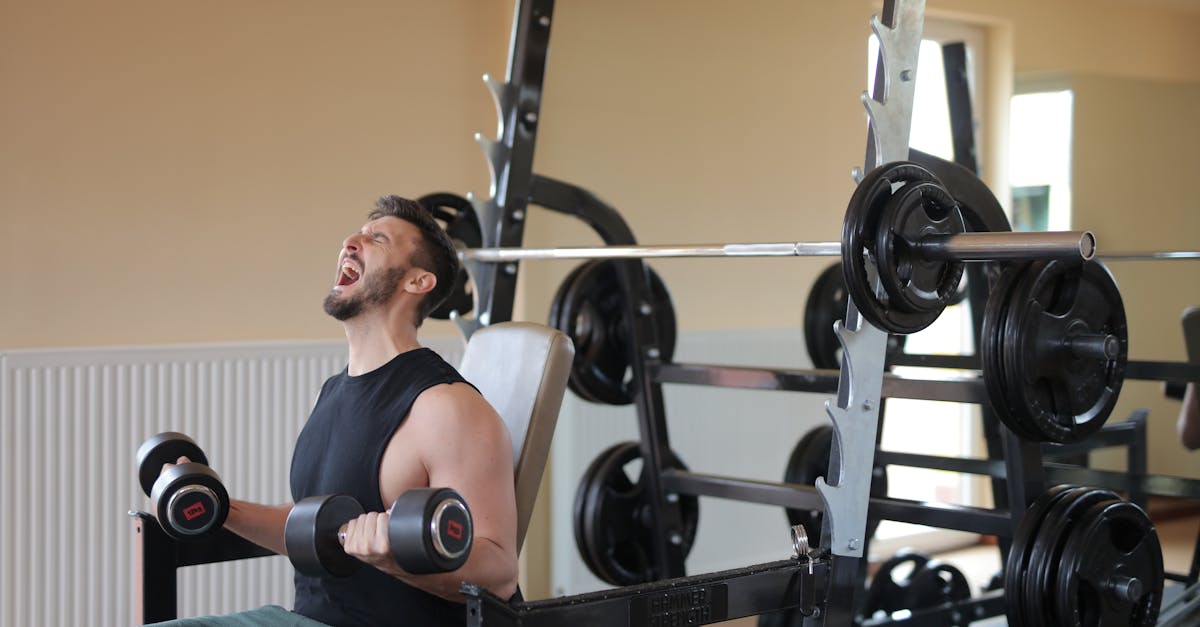
Is Creatine Worth It for Beginners? What the Research Actually Shows
If you've just started lifting, cycling, or seriously training for the first time, you've almost certainly encountered creatine. It fills the shelves of supplement stores, dominates fitness forums, and draws near-universal praise from coaches and sports dietitians alike. But hype and evidence aren't the same thing — and for a beginner, the stakes of getting supplementation wrong are higher than for an experienced athlete who already knows their body.
The good news: creatine is one of the few sports supplements backed by decades of well-controlled clinical research. A 2017 position statement from the International Society of Sports Nutrition (ISSN) classified creatine monohydrate as the most effective ergogenic nutritional supplement currently available for athletes looking to increase high-intensity exercise capacity and lean body mass (Kreider et al., Journal of the International Society of Sports Nutrition, 2017; doi.org/10.1186/s12970-017-0173-z). That's not marketing language — that's a consensus position supported by over 500 peer-reviewed studies.
But "best creatine for beginners" isn't just about picking a product off a shelf. It's about understanding which form works, what dose is appropriate, when to take it, and how it interacts with your broader health picture — including sleep quality, energy metabolism, and body composition goals.
---
What Clinical Trials Say About Creatine Monohydrate for Beginners
Creatine monohydrate is the gold-standard form, and for good reason: it is the most extensively studied, the most bioavailable at comparable doses, and the most cost-effective. A landmark meta-analysis of 22 randomized controlled trials found that creatine supplementation during resistance training led to significantly greater gains in muscle strength (approximately 8% more than placebo) and lean mass (Lanhers et al., European Journal of Sport Science, 2017; doi.org/10.1080/17461391.2016.1249895).
For beginners specifically, the effect size may actually be larger than in trained athletes. Untrained individuals show greater neuromuscular adaptation potential, meaning creatine's ability to rapidly replenish phosphocreatine stores in muscle tissue translates into more dramatic improvements in performance during the early weeks of training.
How creatine works mechanistically:
- Phosphocreatine in muscle tissue acts as a rapid ATP resynthesis buffer during maximal efforts lasting 1–10 seconds
- Oral creatine supplementation increases total muscle creatine content by approximately 20–40% (Harris et al., Clinical Science, 1992; PMID: 1327657)
- Higher intramuscular creatine allows more reps at a given weight before fatigue sets in, creating a greater training stimulus over time
- Creatine also draws water into muscle cells (cell volumization), which may signal anabolic pathways
Standard Dosing Protocol for Beginners
| Phase | Daily Dose | Duration | Purpose |
|---|---|---|---|
| Loading (optional) | 20g/day (4 × 5g doses) | 5–7 days | Rapidly saturate muscle stores |
| Maintenance | 3–5g/day | Ongoing | Maintain saturation |
| No-load approach | 3–5g/day | 3–4 weeks to full saturation | Slower, equally effective |
Many beginners skip the loading phase entirely — and the research supports this. A study by Hultman et al. demonstrated that a maintenance dose of 3g daily achieved equivalent muscle creatine saturation to a loading protocol within 28 days (Hultman et al., Journal of Applied Physiology, 1996; PMID: 8889713). For someone new to supplementation who wants to avoid the transient bloating or GI discomfort that high loading doses can cause, starting at 3–5g daily is both evidence-based and practical.
---
Creatine Monohydrate for Energy: Beyond the Gym
When most people think about creatine, they picture weightlifters. But creatine's role in energy metabolism extends well beyond skeletal muscle. The brain is one of the most metabolically active organs in the body, and neurons rely on the same phosphocreatine/ATP system that muscles use.
A double-blind, crossover trial by Rae et al. (Psychopharmacology, 2003; PMID: 14561278) found that 5g of creatine monohydrate daily for six weeks significantly improved working memory and processing speed in young adults compared to placebo. A more recent meta-analysis of 6 RCTs confirmed that creatine supplementation had a moderate positive effect on short-term memory and intelligence reasoning tasks, particularly under conditions of mental stress or sleep deprivation (Avgerinos et al., Experimental Gerontology, 2018; PMID: 29704637).
This is particularly relevant for beginners who are also managing demanding schedules — students, shift workers, new parents, or anyone juggling physical training with cognitive load. If you're interested in how ergogenic supplements interact with cognitive performance, the creatine literature is one of the strongest starting points.
Creatine for energy also matters at the cellular mitochondrial level. Research has demonstrated that creatine supplementation can increase mitochondrial efficiency and reduce oxidative stress markers in skeletal muscle, potentially contributing to the subjective feeling of having more sustained energy during and after exercise (Parise et al., Journal of Applied Physiology, 2001; PMID: 11247949).
---
Creatine Monohydrate for Sleep: An Emerging Area of Research
One of the most surprising and underreported benefits of creatine supplementation is its relationship to sleep quality and sleep deprivation resilience. The connection makes mechanistic sense: sleep deprivation reduces cerebral phosphocreatine concentrations, and creatine supplementation can partially restore this energy buffer.
A 2021 study by Gordji-Nejad et al. (published in Scientific Reports; doi.org/10.1038/s41598-021-03579-3) demonstrated that a single high dose of creatine (0.35g/kg body weight) attenuated the cognitive performance decrements associated with sleep deprivation, particularly on tasks requiring executive function and processing speed. This suggests creatine has a neuroprotective effect under conditions of metabolic stress.
For beginners who are new to training and potentially experiencing disrupted sleep as their bodies adapt to new physical demands, creatine monohydrate for sleep resilience is a genuinely useful consideration — not just a gym supplement but a metabolic support tool. If you're also looking at how specific nutrients affect sleep architecture, the evidence on magnesium glycinate for sleep quality is complementary and worth reading alongside the creatine literature.
It's worth noting that creatine is not a sedative and does not directly induce sleep. Its value in the sleep context is about maintaining brain energy reserves and cognitive resilience when sleep is insufficient — a meaningfully different mechanism than, say, melatonin or magnesium's effects on sleep onset.
---
Comparing Creatine Forms: What Should Beginners Actually Buy?
The supplement market offers numerous creatine variants pitched as superior to monohydrate — creatine HCl, buffered creatine (Kre-Alkalyn), creatine ethyl ester, and others. Head-to-head comparisons consistently disappoint these alternatives.
| Form | Absorption | Evidence Quality | Cost | Verdict |
|---|---|---|---|---|
| Creatine Monohydrate | High | Extensive (500+ RCTs) | Low | Gold standard |
| Creatine HCl | Comparable | Limited (few RCTs) | High | No proven advantage |
| Kre-Alkalyn (buffered) | Comparable | Limited | High | No proven advantage |
| Creatine Ethyl Ester | Lower | Minimal | Moderate | Inferior to monohydrate |
| Creatine Nitrate | Comparable | Minimal | High | Insufficient evidence |
A direct comparison study by Jagim et al. found that Kre-Alkalyn produced no greater increases in muscle creatine content, body composition, or exercise performance compared to creatine monohydrate at equivalent doses (Jagim et al., Journal of the International Society of Sports Nutrition, 2012; doi.org/10.1186/1550-2783-9-17). For beginners, the practical advice is simple: buy micronized creatine monohydrate (the micronized form dissolves better in water), take 3–5g daily, and ignore the premium-priced alternatives.
---
Safety Profile and Who Should Be Cautious
Creatine monohydrate has an excellent long-term safety record in healthy individuals. A review of creatine safety data found no evidence of adverse effects on kidney function in healthy individuals consuming up to 5g/day over extended periods (Persky & Brazeau, Pharmacological Reviews, 2001; PMID: 11356986). The kidneys filter creatinine (the metabolic byproduct of creatine), and while serum creatinine levels may rise slightly with supplementation, this does not reflect kidney damage — a distinction that is frequently misunderstood.
However, individuals with pre-existing kidney disease, those taking nephrotoxic medications, or anyone with a family history of polycystic kidney disease should consult a healthcare provider before beginning creatine supplementation. Similarly, those managing blood pressure-sensitive conditions should discuss supplementation with their physician, since creatine-related increases in lean mass and water retention can subtly affect body weight readings.
For most beginners — healthy adults aged 18 and above — creatine monohydrate at 3–5g/day is considered safe and effective. If you're interested in the broader landscape of clinically validated performance supplements, creatine consistently earns its place at the top of the list.
---
What This Means for Your Formula: How Ones Approaches Performance Optimization
While Ones does not currently include standalone creatine in its catalog (creatine monohydrate is best taken as a powder due to the 3–5g dose requirement making capsule delivery impractical), the Ones platform addresses the underlying metabolic and performance systems that creatine interacts with — and does so in a personalized, data-driven way.
Three specific Ones ingredients relevant to beginners optimizing performance:
- CoQ10/Ubiquinol (200mg): Coenzyme Q10 plays a central role in mitochondrial ATP production — the same energy currency that creatine helps replenish. A meta-analysis of 13 RCTs found that CoQ10 supplementation significantly reduced fatigue and improved exercise performance markers (Sarmiento et al., Nutrition, 2016; PMID: 27346425). Ones includes Ubiquinol at 200mg, matching the dose range used in clinical trials. For anyone stacking creatine with a capsule formula, CoQ10 provides complementary mitochondrial support.
- Ashwagandha KSM-66 (600mg): For beginners, training stress + life stress can compound into elevated cortisol that suppresses recovery and adaptation. KSM-66 ashwagandha at 600mg has been shown in a randomized, double-blind trial to significantly improve muscle recovery, strength, and cardiorespiratory endurance in resistance-trained adults compared to placebo (Wankhede et al., Journal of the International Society of Sports Nutrition, 2015; doi.org/10.1186/s12970-015-0104-9). You can read more about the clinical evidence for ashwagandha and how Ones calibrates this dose from cortisol and stress biomarkers.
- Magnesium Complex: Magnesium is required for over 300 enzymatic reactions, including ATP synthesis and muscle protein contractility. Many beginners — particularly those increasing training load — are functionally magnesium-depleted. Ones includes a Magnesium Complex that can be calibrated based on wearable sleep data and lab results, providing personalized dosing rather than a generic one-size-fits-all approach. For context on optimal magnesium dosing, see our guide to magnesium glycinate and sleep performance.
The Ones AI health practitioner analyzes your blood work (including markers like phosphate, kidney function, and muscle enzymes), wearable recovery data, and health history to build a 6, 9, or 12-capsule formula that supports the systems creatine interacts with — energy production, recovery, and cognitive resilience — calibrated to your actual physiology rather than a population average.
---
Key Takeaways
- Creatine monohydrate is the best creatine for beginners — no alternative form has demonstrated superior efficacy in head-to-head trials, and monohydrate has the strongest safety record by a wide margin.
- 3–5g daily (no loading required) achieves full muscle saturation within 3–4 weeks and avoids the GI discomfort that high-dose loading can cause in some individuals.
- Cognitive benefits are real and clinically documented — creatine monohydrate for energy extends to brain function, improving working memory and processing speed, particularly under sleep deprivation or mental stress.
- Creatine monohydrate for sleep resilience is an emerging and legitimate benefit — supplementation helps maintain cerebral phosphocreatine stores when sleep is disrupted, attenuating cognitive decline.
- Safety is well-established in healthy adults — long-term creatine use at 3–5g/day does not impair kidney function in people without pre-existing renal conditions; consult a physician if you have kidney disease or related risk factors.
- Creatine works best in a system context — combining it with personalized support for mitochondrial function (CoQ10), cortisol management (ashwagandha), and magnesium sufficiency creates a more complete performance foundation than creatine alone.
---
Always consult a qualified healthcare provider before beginning any new supplement protocol, particularly if you have pre-existing health conditions or are taking prescription medications.