Performance
What the Research Actually Says About Does Protein Powder Really Work
Protein powder is a $21 billion global industry built on a simple promise: drink this, build muscle. But what does the clinical research actually show—and does timing, type, or total daily intake matter more than the shake itself? The answer is more nuanced than most fitness influencers will admit, and the evidence points to some clear winners and common pitfalls worth knowing before you scoop.
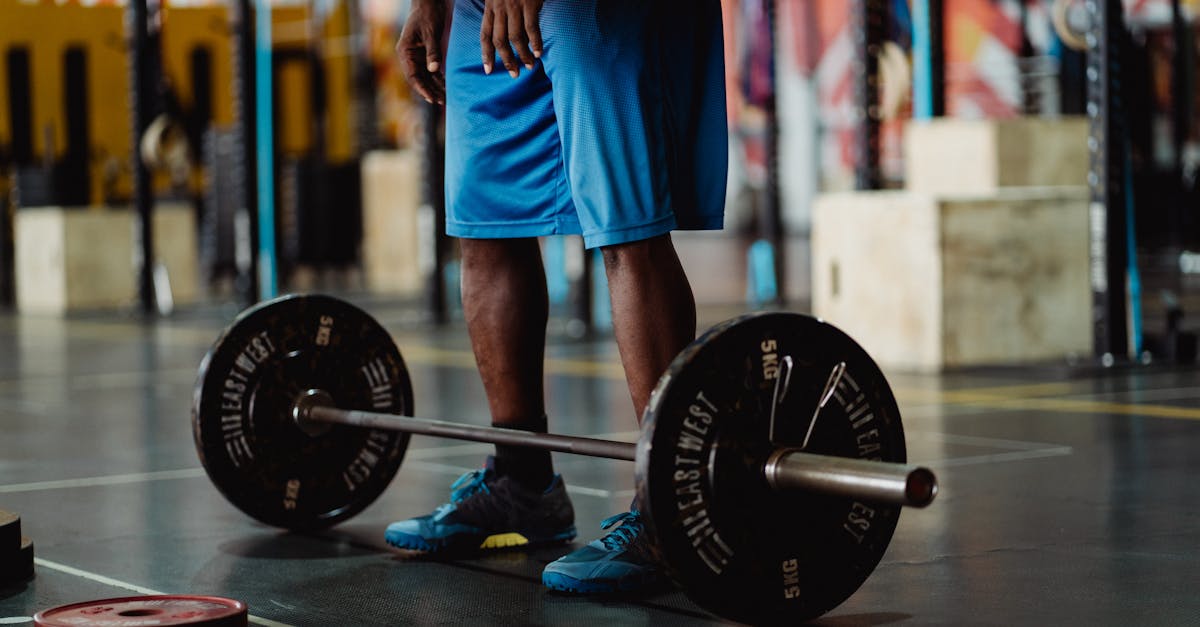
What the Research Actually Says About Protein Powder
Protein powder sits on more kitchen counters than almost any other supplement. Gym-goers swear by it, dietitians debate it, and manufacturers have turned it into a multi-billion-dollar category. But stripped of the marketing noise, a legitimate question remains: does protein powder really work, and if so, under what conditions?
The short answer is yes—with important qualifications. The longer answer involves understanding what protein supplementation is actually doing in your body, how much you need, when you need it, and whether powder is even the most efficient delivery mechanism. This article walks through the clinical evidence, common misconceptions, and where protein fits alongside other evidence-based ingredients in a personalized performance stack.
---
What Clinical Research Actually Shows About Protein Powder and Muscle Growth
The foundational mechanism is well established: dietary protein provides amino acids that stimulate muscle protein synthesis (MPS), particularly through the mTOR pathway driven by leucine. The question is whether supplemental protein—powder form—produces measurable outcomes beyond food alone.
A 2017 meta-analysis published in the British Journal of Sports Medicine analyzed 49 randomized controlled trials (n = 1,863 participants) and found that protein supplementation significantly increased fat-free mass gains during resistance training compared to placebo (Morton et al., 2017; PMID: 28698222). The effect was most pronounced in untrained individuals and in those not meeting daily protein requirements through food alone.
Critically, the same analysis found a threshold effect: once dietary protein reached approximately 1.62 g/kg of body weight per day, additional protein produced no further gains in lean mass. This is perhaps the most important clinical finding for consumers—protein powder works, but only up to a point, and total daily intake matters far more than the supplement vehicle itself.
For context, a sedentary 80 kg adult needs roughly 56–65 g/day (per general RDA guidelines), while a resistance-trained 80 kg athlete approaching that 1.62 g/kg ceiling would need about 130 g/day. If their diet already delivers 100 g through whole foods, a 30 g protein shake bridges the gap efficiently—but a second shake likely delivers diminishing returns.
Whey vs. Plant Protein: Does the Source Matter?
Whey protein consistently outperforms plant-based alternatives in acute MPS studies, largely due to its superior leucine content and digestibility score (DIAAS). A 2013 study in the Journal of the International Society of Sports Nutrition found whey isolate produced greater MPS responses than soy protein in young men following resistance exercise (Tang et al., 2009; PMID: 19589961).
However, longer-term studies paint a more balanced picture. A 2019 RCT published in Sports Medicine (Messina et al.) found that when protein sources are matched gram-for-gram and leucine-adjusted, soy protein produced equivalent lean mass gains over 12 weeks. For those avoiding dairy, pea and rice protein blends have emerged as competitive alternatives—pea protein in particular scores well on digestibility and contains significant arginine, which supports nitric oxide pathways relevant to performance.
Timing: Does the "Anabolic Window" Hold Up?
Early research promoted a tight 30-minute post-workout window for protein consumption. More recent evidence has softened this considerably. A systematic review in the Journal of the International Society of Sports Nutrition (Schoenfeld & Aragon, 2013; PMID: 24299050) concluded that total daily protein intake is the dominant driver of muscle adaptation, and that the "anabolic window" is likely wider than previously claimed—potentially 4–6 hours post-exercise in most training contexts.
Practical implication: if you train at 6 AM and eat a protein-rich breakfast by 7:30 AM, the window concern is largely moot. Protein timing becomes more relevant for twice-daily training sessions or fasted exercise.
---
Does Ashwagandha Really Work for Exercise Performance?
No protein-focused performance stack is complete without addressing the growing clinical literature on clinical evidence for ashwagandha and its role in physical output. Ashwagandha (Withania somnifera) is not a protein source, but its mechanisms directly intersect with the goals most people use protein powder to achieve.
A double-blind RCT published in the Journal of the International Society of Sports Nutrition (Wankhede et al., 2015; PMID: 26609282) enrolled 57 young men in an 8-week resistance training program. Those receiving KSM-66 ashwagandha at 600 mg/day showed significantly greater gains in muscle strength (bench press and leg extension), muscle size (arm and chest), and recovery (serum muscle damage markers) compared to placebo.
A separate RCT (Choudhary et al., 2017; PMID: 28459647) found that KSM-66 at 600 mg/day significantly reduced cortisol levels and improved self-reported recovery scores over 8 weeks. Chronically elevated cortisol is catabolic—it accelerates muscle protein breakdown—which means ashwagandha's cortisol-blunting effects can meaningfully complement the muscle-building signal that dietary protein provides.
Ones includes KSM-66 ashwagandha standardized to 5% withanolides at the clinically validated 600 mg dose, making it one of the few supplement platforms that incorporates this adaptogen at a meaningful, research-backed level rather than a token quantity.
---
Does Fish Oil Really Work Alongside Protein for Muscle Synthesis?
Omega-3 fatty acids—specifically EPA and DHA—have a more direct relationship with muscle protein synthesis than most people realize. This isn't merely a cardiovascular supplement; the omega-3 EPA DHA ratio guide has real implications for performance and recovery.
A landmark study by Smith et al. (2011) published in Clinical Nutrition (PMID: 21501117) demonstrated that omega-3 supplementation (4 g/day of EPA+DHA) significantly increased the rate of MPS in older adults in response to insulin and amino acid infusion, compared to control oil. The mechanism involves omega-3 fatty acids modulating anabolic signaling through the mTOR pathway—the same pathway leucine activates.
A follow-up RCT (Smith et al., 2015; PMID: 25770258) in healthy older adults found that 3.36 g/day of omega-3s over 6 months significantly increased muscle mass and strength compared to corn oil placebo. While much of this research has focused on older adults experiencing anabolic resistance, younger athletes may also benefit given omega-3s' well-established anti-inflammatory effects on exercise-induced muscle damage.
For anyone combining protein powder with a structured training program, omega-3 supplementation at clinical doses (≥2 g combined EPA+DHA) represents a genuinely complementary strategy—not redundant, but additive.
---
Does Berberine Really Work, and Is It Relevant to Protein Utilization?
Berberine is primarily researched for its effects on blood glucose regulation and AMPK activation—seemingly distant from protein powder's goals. But metabolic context matters enormously for how efficiently your body partitions ingested protein.
Berberine activates AMP-activated protein kinase (AMPK), which improves insulin sensitivity and glucose uptake in skeletal muscle. A meta-analysis published in Metabolism (Dong et al., 2013; PMID: 22560887) pooled 14 RCTs and found berberine at 500 mg three times daily produced clinically significant reductions in fasting blood glucose, HbA1c, and triglycerides—effects comparable to metformin in some trials.
Why does this matter for protein utilization? Insulin is a potent anabolic hormone: it suppresses muscle protein breakdown and facilitates amino acid uptake into muscle tissue. Individuals with insulin resistance or elevated fasting glucose have blunted post-meal anabolic signaling, meaning protein consumed at meals may not be utilized as efficiently. Improving insulin sensitivity—through berberine, dietary means, or exercise—can enhance the muscle-building environment in which protein powder operates.
This is why platforms like Ones look at metabolic markers in blood work before recommending ingredients. A user with elevated HbA1c and a goal of body composition change may benefit from berberine alongside adequate protein, rather than simply increasing protein dosage.
---
Does Turmeric Really Work for Exercise Recovery?
Curcumin, the active polyphenol in turmeric, is one of the most heavily researched natural anti-inflammatory compounds. Its relevance to a protein powder discussion centers on recovery: inflammation and oxidative stress following intense resistance training are normal and necessary to a point, but excessive or prolonged inflammatory burden delays recovery and blunts adaptation.
A 2017 systematic review in the Journal of Medicinal Food (Paultre et al., 2021; PMID: 33356016) examined curcumin supplementation and delayed-onset muscle soreness (DOMS), finding significant reductions in pain scores and markers of muscle damage following supplementation. Study doses ranged from 150 mg to 1,500 mg of curcumin, with bioavailability-enhanced forms (piperine combinations, phospholipid complexes) showing superior results due to curcumin's otherwise poor oral bioavailability.
For athletes consuming protein powder to support training adaptations, managing recovery quality is directly relevant. Less soreness and faster resolution of inflammatory markers means higher training frequency and better quality sessions—which ultimately drive the muscle stimulus that protein supplements support.
One important note: high-dose curcumin supplementation may blunt some training-induced oxidative signaling that is itself adaptive. Research on this topic remains active, and consulting a healthcare provider before stacking curcumin at high doses with intense training programs is advisable.
---
What This Means for Your Formula
Protein powder is a delivery tool—useful and evidence-backed, but only one variable in a larger system. Here's how Ones approaches the performance layer that surrounds protein intake:
1. KSM-66 Ashwagandha at 600 mg
Ones sources the clinically validated KSM-66 extract standardized to 5% withanolides—the form and dose used in the Wankhede 2015 trial showing superior strength gains and the Choudhary 2017 trial demonstrating cortisol reduction. For users whose wearable data or health history suggests elevated training stress or poor recovery, ashwagandha is a precision addition that complements dietary protein by reducing the catabolic environment it's working against.
2. Omega-3 (EPA + DHA) at Clinical Doses
Ones includes pharmaceutical-grade omega-3s dosed to meaningful EPA+DHA levels—not the token 300 mg found in bargain multivitamins. Given the Smith et al. evidence on omega-3s augmenting MPS signaling through mTOR, this is a logical complement to protein supplementation, particularly for users over 40 where anabolic resistance becomes a real physiological factor.
3. Magnesium Glycinate (via Magnesium Complex)
Magnesium plays a critical role in protein synthesis, muscle contraction, and sleep quality—the latter being the primary window for growth hormone release and overnight muscle repair. The Ones optimal magnesium glycinate dosage approach uses the glycinate chelate form for superior bioavailability and minimal GI side effects, dosed appropriately based on blood work showing serum magnesium status.
Unlike generalist supplement platforms, Ones uses AI analysis of lab results and wearable data to determine which of these ingredients belongs in your specific formula—and at what dose. A user with optimal omega-3 status from a fish-rich diet doesn't need EPA/DHA supplementation. A user with high cortisol markers may prioritize ashwagandha before adding a second protein shake.
For a broader look at how personalized performance stacks compare across platforms, the personalized supplement platform comparison breaks down how Ones, Thorne, Ritual, Viome, and Function Health approach ingredient selection differently.
---
Key Takeaways
- Protein powder works—up to a threshold. Meta-analysis data supports supplemental protein for muscle gains during resistance training, but benefits plateau at approximately 1.62 g/kg/day total dietary protein. Beyond that, extra shakes add calories, not muscle.
- Whey edges plant proteins in acute MPS, but the gap narrows over time. For dairy-free users, leucine-adjusted pea/rice blends perform comparably in longer-term trials.
- Total daily protein intake dominates timing. The post-workout "anabolic window" is real but wider than commonly claimed (4–6 hours), making obsessive timing less critical than consistent total intake.
- Ashwagandha (KSM-66, 600 mg) meaningfully supports the muscle-building environment by reducing cortisol-driven catabolism—a mechanism protein alone cannot address.
- Omega-3s augment muscle protein synthesis signaling through mTOR modulation and reduce training-induced inflammation, making them a genuinely additive complement to protein supplementation.
- Personalized formulas outperform generic stacks. What you need alongside protein—whether berberine for metabolic support, curcumin for recovery, or magnesium for sleep—depends on your blood work, training load, and health history, not a one-size label.