Supplements
The Practitioner's Guide to Best Urolithin A Supplement
Urolithin A is one of the most compelling longevity molecules discovered in the last decade — yet fewer than 40% of adults can produce meaningful amounts of it from diet alone. Supplement quality varies dramatically, and most products on the market are dosed well below the thresholds used in human trials. This guide breaks down the clinical evidence, what to look for in the best urolithin A supplement, and how personalized formulas are changing the approach to mitochondrial health.
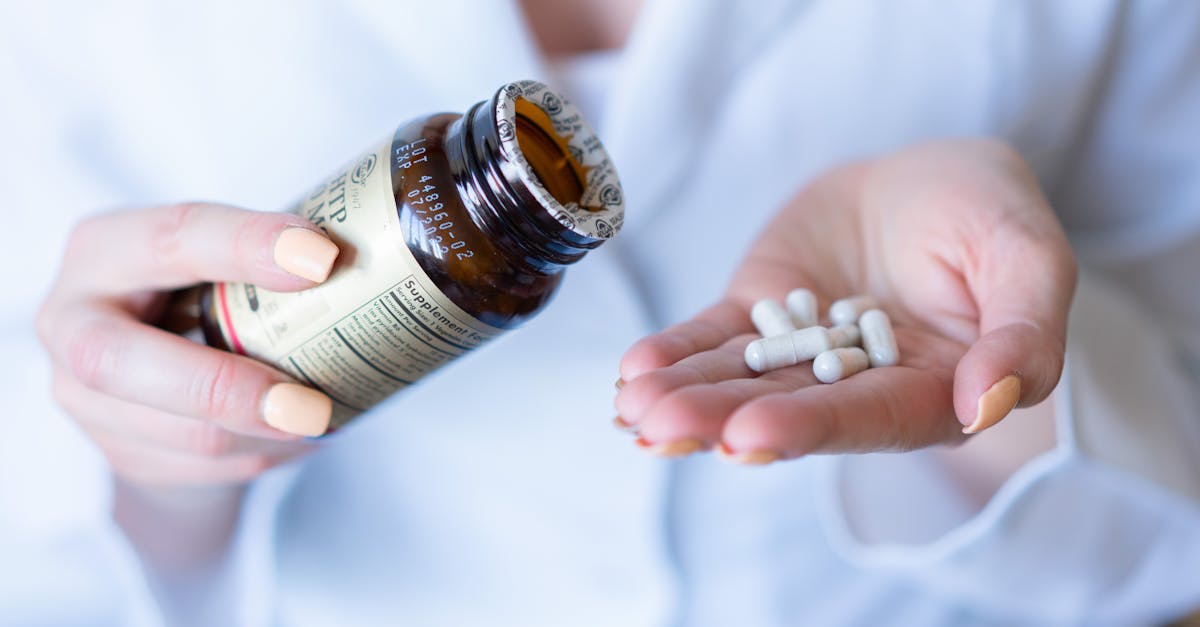
The Practitioner's Guide to Best Urolithin A Supplement
Mitochondrial dysfunction is now recognized as a central driver of aging, muscle decline, and metabolic disease. Yet one of the most promising compounds for addressing it — urolithin A — remains unfamiliar to most consumers and even some clinicians. Produced when gut bacteria metabolize ellagitannins from pomegranates, walnuts, and certain berries, urolithin A is the first compound shown to trigger mitophagy — the cellular process of clearing out damaged mitochondria and replacing them with healthy ones — in humans.
The challenge: roughly 40% of people lack the gut microbiome composition necessary to convert dietary ellagitannins into urolithin A at meaningful concentrations (Selma et al., Food & Function 2014; doi.org/10.1039/C4FO00128A). This makes direct supplementation not just convenient but, for many people, physiologically necessary. But navigating the supplement market is difficult. Products vary widely in dose, form, and clinical backing. This guide cuts through the noise.
---
What Urolithin A Actually Does: The Mitophagy Mechanism
Mitochondria reproduce and degrade continuously. As we age, the clearance of dysfunctional mitochondria slows, leading to an accumulation of damaged organelles that generate excess reactive oxygen species (ROS) and impair cellular energy output. Mitophagy — selective autophagy of damaged mitochondria — is the quality-control process that prevents this accumulation.
Urolithin A upregulates mitophagy through PINK1/Parkin pathway activation and by modulating the expression of genes involved in mitochondrial biogenesis, including PGC-1α (Ryu et al., Nature Medicine 2016; doi.org/10.1038/nm.4150). In that landmark study, urolithin A extended lifespan in C. elegans and improved muscle function in aged rodents — results that prompted the first human trials.
The first randomized, double-blind, placebo-controlled human trial (Andreux et al., Nature Metabolism 2019; doi.org/10.1038/s42255-019-0073-4) enrolled 60 healthy sedentary elderly adults and demonstrated that a single dose of 500 mg or 1,000 mg urolithin A was safe and significantly upregulated mitophagy-related gene expression in muscle biopsies at 1,000 mg. At 500 mg, plasma urolithin A levels were detectable and well-tolerated, but 1,000 mg produced stronger mitochondrial gene activation.
A subsequent 4-month trial by Liu et al. (European Journal of Nutrition 2022; doi.org/10.1007/s00394-022-02821-4) in middle-aged adults showed that 1,000 mg/day of urolithin A significantly improved muscle endurance (measured by hand grip strength and six-minute walk test distance), reduced plasma acylcarnitines (a biomarker of mitochondrial dysfunction), and improved mitochondrial respiration markers. These are the benchmarks any serious supplement should be measured against.
---
How to Evaluate the Best Urolithin A Supplement: Dose, Form, and Bioavailability
Not all urolithin A supplements are created equal. Here is what to look for:
Dose
The clinical evidence supports 500 mg to 1,000 mg per day, with 1,000 mg demonstrating stronger mitophagy gene activation. Products dosed at 250 mg or less are below any clinically validated threshold. Be skeptical of proprietary blends that obscure individual ingredient quantities.
Form and Bioavailability
Urolithin A itself (the aglycone form) has demonstrated oral bioavailability in humans. Some manufacturers use fermentation-derived urolithin A (identical to the gut-produced compound), while others use synthetic routes. Both appear bioequivalent when dose-matched. Look for third-party testing — NSF Certified for Sport, Informed Sport, or USP verification — particularly because urolithin A supply chains frequently involve international manufacturing.
Third-Party Testing
Because urolithin A is produced through microbial fermentation of ellagitannins, batch-to-batch consistency matters. A certificate of analysis (CoA) from an ISO-accredited lab should be available on request.
| Feature | Minimum Standard | Optimal Standard |
|---|---|---|
| Dose per serving | ≥500 mg | 1,000 mg |
| Form | Urolithin A aglycone | Fermentation-derived aglycone |
| Third-party testing | CoA available | NSF/Informed Sport certified |
| Bioavailability data | In vitro | Human pharmacokinetic data |
| Excipients | No artificial fillers | Clean capsule, no unnecessary additives |
Top Considerations for Stacking
Urolithin A stacks logically with other mitochondrial support compounds. CoQ10 (as ubiquinol) supports the electron transport chain and is often deficient in adults over 40; clinical evidence supports ubiquinol at 200 mg/day for measurable effects on mitochondrial function. NAD+ precursors (NMN or NR) and PQQ are commonly combined with urolithin A in longevity-focused protocols, though direct combination trials in humans remain limited.
Omega-3 fatty acids — specifically EPA and DHA — reduce the neuroinflammatory and systemic inflammatory environment in which mitochondrial dysfunction accelerates. If you are building a mitochondrial optimization stack, understanding the optimal omega-3 EPA DHA ratio for cellular health is a foundational step before layering more specialized compounds.
---
Hair Loss Supplement Considerations and Mitochondrial Connections
One of the secondary keywords surfaced in searches alongside urolithin A is hair loss supplement — and the connection is more substantive than it might initially appear. Hair follicle stem cells are among the most mitochondria-dependent cells in the body. Impaired mitophagy and mitochondrial ROS accumulation have been directly implicated in follicle miniaturization and androgenetic alopecia progression (Vidali et al., Journal of Investigative Dermatology 2013; doi.org/10.1038/jid.2012.408).
While urolithin A has not been studied specifically for hair loss in humans, the upstream mitophagy and ROS-reduction mechanisms are relevant. More directly validated hair loss interventions include:
- Zinc (15–30 mg/day): Zinc deficiency is documented in both male and female pattern hair loss (Ozuguz et al., Cutaneous and Ocular Toxicology 2014; PMID: 24238858)
- Biotin: Relevant only in confirmed biotin deficiency, which is rarer than marketing suggests
- Omega-3 and Omega-6 fatty acids: A 6-month randomized trial showed significant improvement in hair density with fish oil and black currant seed oil supplementation (Le Floc'h et al., Journal of Cosmetic Dermatology 2015; PMID: 25573272)
- Vitamin D3: Follicle cycling is regulated by vitamin D receptor (VDR) expression; deficiency correlates with alopecia areata severity (Mahamid et al., Israel Medical Association Journal 2014; PMID: 24834907)
If hair loss is a concurrent health goal, a mitophagy-supportive compound like urolithin A may complement, but not replace, these targeted interventions. Personalized formulas that analyze lab data — including ferritin, zinc, and 25-OH vitamin D — can determine which deficiencies are actually driving the issue.
---
Chlorella Supplement: Overlapping Detox and Cellular Health Goals
Searchers comparing chlorella supplement options alongside urolithin A are typically focused on cellular detoxification, oxidative stress reduction, and gut health — all of which intersect with mitochondrial function. Chlorella (Chlorella vulgaris) is a freshwater algae rich in chlorophyll, carotenoids, vitamins, and a unique glycoprotein called Chlorella Growth Factor (CGF).
Clinically, chlorella supplementation at 5–10 g/day has demonstrated:
- Significant reductions in serum dioxin levels and heavy metal bioaccumulation in several observational and interventional studies (Nakano et al., Journal of Medicinal Food 2005; PMID: 15857212)
- Modest antioxidant effects, including reductions in malondialdehyde (MDA), a lipid peroxidation marker (Panahi et al., Nutrition Journal 2012; doi.org/10.1186/1475-2891-11-79)
- Improvement in lipid profiles and fasting blood glucose in a 12-week RCT in type 2 diabetes patients (Mizoguchi et al., cited in NIH ODS algae review)
The relevance to urolithin A: both compounds target oxidative stress, but through distinct mechanisms. Urolithin A works intracellularly via mitophagy; chlorella works extracellularly via chelation and antioxidant cofactor delivery. They are not redundant and can be logically stacked within a broader cellular health protocol, provided capsule budget allows. If you are already prioritizing magnesium glycinate for sleep and cellular recovery, adding both urolithin A and chlorella may require a 9- or 12-capsule formula plan.
---
Choline Bitartrate Supplement: Why Mitochondrial Health Needs Methylation Support
A choline bitartrate supplement is frequently searched alongside mitochondrial support compounds — and the mechanistic connection is real. Choline is a methyl donor required for phosphatidylcholine synthesis, which is the dominant phospholipid in mitochondrial inner membranes. Mitochondrial membrane integrity directly determines the efficiency of oxidative phosphorylation.
More than 90% of Americans do not meet the Adequate Intake (AI) for choline (550 mg/day for men, 425 mg/day for women), according to National Health and Nutrition Examination Survey (NHANES) data analyzed by the NIH Office of Dietary Supplements. Choline bitartrate provides approximately 41% choline by weight, making it a cost-effective form, though alpha-GPC and CDP-choline offer superior blood-brain barrier penetration for cognitive applications.
In the context of urolithin A supplementation:
- Phosphatidylcholine is required for autophagosome membrane formation — the very process urolithin A stimulates during mitophagy
- Choline deficiency impairs mitochondrial beta-oxidation and promotes lipid accumulation in liver mitochondria (Corbin & Zeisel, Nutrition Reviews 2012; doi.org/10.1111/j.1753-4887.2012.00530.x)
- Combined choline and mitophagy support may therefore be synergistic for individuals with nonalcoholic fatty liver disease (NAFLD) risk or metabolic syndrome
For a deeper dive into liver-protective supplement strategies, understanding how liver support formulas are built provides useful context for where choline and mitochondrial compounds fit within a multi-system protocol.
---
What This Means for Your Formula: How Ones Addresses Mitochondrial Health
Ones operates as an AI health practitioner that analyzes your blood work, wearable data, and health history to build a personalized capsule formula. When mitochondrial health, muscle function, or metabolic aging are identified as priority areas — through biomarkers like elevated acylcarnitines, low VO2 max trends from wearable data, or high inflammatory markers — the formula can be calibrated accordingly.
Here are three specific Ones ingredients directly relevant to the evidence reviewed in this article:
- CoQ10/Ubiquinol at 200 mg: Ubiquinol is the active, reduced form of CoQ10 and is preferentially absorbed in adults over 40 whose conversion capacity declines. The 200 mg dose matches the range used in mitochondrial dysfunction trials and complements urolithin A's mitophagy activation by supporting downstream ATP synthesis in refreshed mitochondria.
- Omega-3 (EPA/DHA): Ones sources pharmaceutical-grade EPA and DHA dosed to clinical ranges. EPA reduces inflammatory cytokines that accelerate mitochondrial aging; DHA is incorporated into mitochondrial membranes, improving membrane fluidity and electron transport efficiency.
- Magnesium Complex (proprietary System Blend): Magnesium is a cofactor in over 300 enzymatic reactions, including all ATP-dependent processes. Mitochondrial function is profoundly impaired by even subclinical magnesium deficiency. Ones' Magnesium Complex uses a multi-form approach to optimize both cellular uptake and bioavailability.
Formulas come in 6, 9, or 12-capsule plans. A mitochondrial-focused protocol stacking urolithin A, ubiquinol, omega-3, and magnesium is achievable within a 12-capsule plan calibrated to your specific lab results — without the guesswork of self-assembling individual products.
For context on how vitamin D and K2 integrate into a complete cellular health stack, the vitamin D3 and K2 synergy guide explains why these are often co-prioritized with mitochondrial support ingredients in personalized protocols.
---
Key Takeaways
- Clinical dosing for urolithin A starts at 500 mg/day, with 1,000 mg/day showing stronger mitophagy gene activation in the 2019 Andreux et al. Nature Metabolism RCT — most consumer products are significantly underdosed
- Only ~40% of adults produce meaningful urolithin A from diet alone, making direct supplementation physiologically necessary for a large portion of the population
- Urolithin A works via PINK1/Parkin mitophagy pathway activation and PGC-1α upregulation — the same pathways implicated in age-related muscle decline, metabolic disease, and mitochondrial dysfunction
- Mitochondrial health is a systems problem: urolithin A stacks rationally with CoQ10/ubiquinol, omega-3, magnesium, and choline — each addressing a distinct node in the mitochondrial support network
- Hair follicle function, liver health, and cognitive performance all have documented mitochondrial dependencies, making mitophagy support broadly relevant beyond muscle aging
- Personalized formulas built from lab data remove the guesswork: Ones identifies which mitochondrial-relevant deficiencies are present (CoQ10, omega-3, magnesium, vitamin D) and doses ingredients to clinically validated ranges within your capsule budget
Always consult a qualified healthcare provider before beginning any new supplement protocol, particularly if you have existing medical conditions or take prescription medications.