Supplements
Creatine for Women Over 40: The Cognition, Bone Density, and Muscle Stack
Most women have been told creatine is a bodybuilder's supplement — but the science tells a very different story. After 40, declining estrogen accelerates muscle loss, weakens bone, and clouds cognition, and creatine addresses all three with a growing body of clinical evidence. Here's what the research actually shows, and why researchers like Dr. Stacy Sims are calling it one of the most important supplements for midlife women.
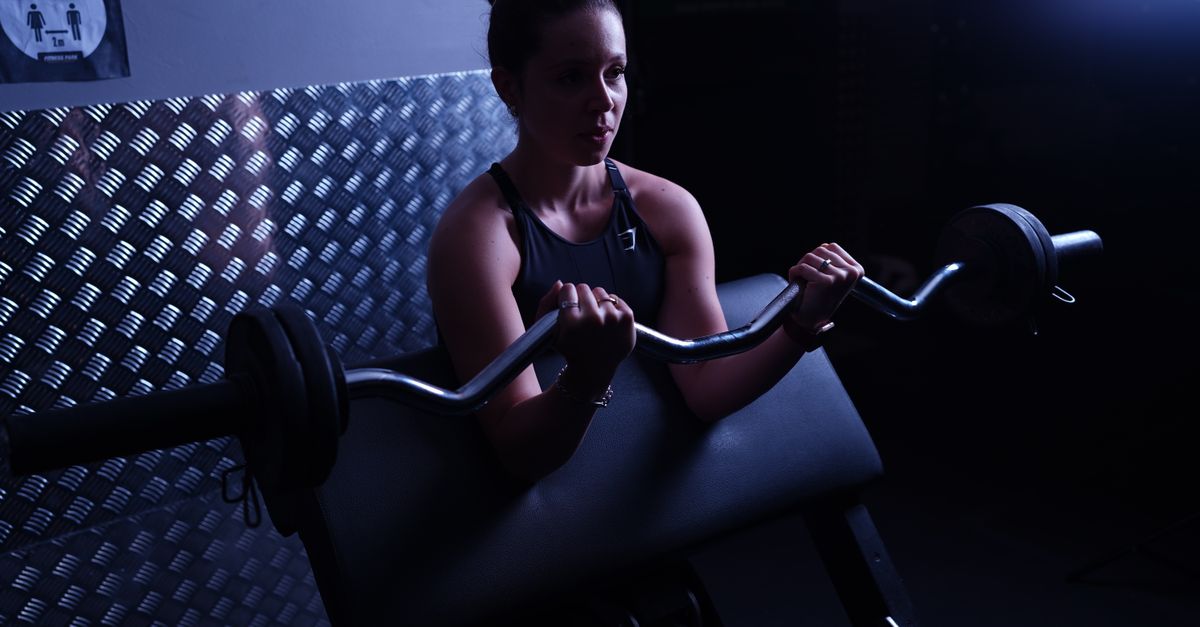
Why Creatine Deserves a Place in Every Woman's Over-40 Protocol
Creatine is one of the most studied sports supplements in existence — yet it has been almost exclusively marketed to men lifting heavy in their 20s. That framing has done a disservice to millions of women navigating the physiological shifts of perimenopause and beyond. The evidence now makes a compelling case that creatine for women over 40 isn't just about athletic performance. It's about preserving the muscle you need to stay metabolically healthy, protecting the bones that estrogen used to guard, and keeping the brain running at speed when hormonal turbulence makes cognitive function feel unreliable.
This article breaks down the mechanisms, the clinical doses, and the research — including work by exercise physiologist Dr. Stacy Sims — so you can make an informed decision about whether creatine belongs in your daily formula.
---
What Creatine Actually Does in the Body
Creatine is a naturally occurring compound synthesized in the liver, kidneys, and pancreas from the amino acids arginine, glycine, and methionine. About 95% of the body's creatine is stored in skeletal muscle as phosphocreatine, where it serves as a rapid-access reservoir for regenerating ATP — the cell's primary energy currency.
When you supplement creatine monohydrate, you increase total phosphocreatine stores by roughly 10–40%, depending on baseline diet and muscle saturation. This matters not just during exercise but in any high-demand cellular process — including neuronal firing and bone remodeling.
Women typically have 70–80% lower endogenous creatine stores than men, partly because of lower dietary intake (creatine is concentrated in red meat and fish) and partly because of differences in muscle mass. That gap makes supplementation proportionally more impactful for women than for men.
---
Creatine Women Over 40: The Hormonal Context That Changes Everything
Estrogen is a powerful anabolic signal. It stimulates muscle protein synthesis, supports osteoblast activity in bone, and modulates neurotransmitter systems in the brain. As estrogen declines through perimenopause and menopause — typically beginning in the early-to-mid 40s — women face a convergence of risks:
- Sarcopenia (age-related muscle loss) accelerates: women can lose up to 3–8% of muscle mass per decade after 30, with the rate increasing after menopause.
- Bone mineral density falls: the first 5–7 years post-menopause see the fastest bone loss of a woman's lifetime.
- Cognitive complaints — brain fog, word-finding difficulty, memory lapses — are reported by up to 60% of perimenopausal women.
Creatine operates through mechanisms that overlap directly with each of these estrogen-dependent pathways, making it uniquely relevant to this life stage.
---
Creatine Perimenopause: Muscle Mass and Metabolic Protection
The most well-documented effect of creatine supplementation is increased lean muscle mass and strength, particularly when combined with resistance training. A 2021 systematic review and meta-analysis published in Nutrients (Forbes et al., 2021; PMID: 33917028) analyzed 16 randomized controlled trials and found that creatine supplementation significantly augmented lean body mass and upper- and lower-body strength gains compared to placebo in adults over 50 — with effect sizes comparable to those seen in younger populations.
For perimenopausal women specifically, the combination of resistance training and creatine is clinically meaningful. Muscle tissue is metabolically active — it improves insulin sensitivity, supports healthy body composition, and reduces the risk of type 2 diabetes, all of which become elevated concerns after 40. Creatine also appears to reduce markers of muscle damage and inflammation post-exercise, meaning faster recovery between sessions (Rawson & Volek, Journal of Strength and Conditioning Research, 2003; PMID: 12930169).
Dr. Stacy Sims, whose research focuses on sex differences in exercise physiology and nutrition, has been vocal in interviews and her book Next Level about creatine being underutilized by midlife women. Her position aligns with the emerging literature: the declining hormonal environment of perimenopause makes creatine supplementation not just performance-enhancing but arguably protective.
A standard clinical dose is 3–5g of creatine monohydrate daily, taken consistently. Loading phases (20g/day for 5–7 days) can accelerate muscle saturation but are not required and may cause transient GI discomfort. Most women benefit from the maintenance dose taken with a meal containing carbohydrates or protein to enhance muscle uptake.
---
Creatine Bone Density Women: What the Research Shows
Bone health is where creatine's non-muscle benefits become particularly important for women over 40. Osteoblasts — the cells responsible for building new bone — rely on ATP-dependent processes. By increasing the availability of phosphocreatine in bone cells, creatine may support osteoblast function and reduce osteoclast activity (the cells that break down bone).
A landmark randomized controlled trial by Chilibeck et al. (2015; PMID: 26050294) followed 47 postmenopausal women through a 52-week resistance training program. Those supplementing with creatine monohydrate (0.1g/kg/day) showed significantly less bone mineral content loss at the femur compared to the placebo group. The training-plus-creatine group maintained bone geometry that the training-only group did not.
A follow-up systematic review by the same group in Osteoporosis International (Chilibeck et al., 2017; PMID: 28819908) confirmed that creatine supplementation during resistance training attenuated bone loss at clinically significant sites — the hip, in particular — in older adults.
This is not a replacement for pharmaceutical intervention in women with diagnosed osteoporosis, and any woman with bone density concerns should work with her physician. But as part of a comprehensive bone-support protocol — one that also includes adequate calcium, vitamin D3 and K2 for bone health, and resistance training — creatine adds a mechanistically plausible and evidence-supported layer.
---
Creatine Cognition Women: Brain Energy and the Hormonal Brain Fog Link
The brain consumes roughly 20% of the body's total energy despite being only 2% of body weight. Neurons depend heavily on rapid ATP regeneration — exactly what phosphocreatine stores enable. This is why creatine has attracted serious attention in neuroscience, not just sports medicine.
A well-cited randomized trial by Rae et al. (Psychopharmacology, 2003; PMID: 14685248) found that 5g/day of creatine monohydrate for 6 weeks significantly improved working memory and intelligence test scores in young adults compared to placebo. More relevant to midlife women, a 2022 review in Nutrients noted that creatine may be especially beneficial during periods of metabolic stress — including sleep deprivation, aging, and hormonal transition — all of which apply to perimenopausal women.
The cognitive case for creatine is also strengthened by the fact that women appear to have lower baseline brain creatine levels than men, and that estrogen modulates creatine transporter expression. As estrogen declines, the brain's ability to maintain adequate creatine stores may diminish, making dietary supplementation more meaningful.
Dr. Sims and others in the women's health space have highlighted that addressing cognitive symptoms of perimenopause requires a multi-pronged approach: sleep quality, adaptogen support for cortisol and HPA-axis balance, nutrition — and increasingly, targeted supplementation like creatine that supports brain energy metabolism directly.
---
Creatine Monohydrate vs. Other Forms: What Women Should Know
| Form | Bioavailability | Cost | Evidence Base | Notes |
|---|---|---|---|---|
| Creatine Monohydrate | High | Low | Extensive (500+ RCTs) | Gold standard; best value |
| Creatine HCl | Similar | Higher | Limited | May cause less bloating for sensitive users |
| Buffered Creatine (Kre-Alkalyn) | Similar | High | Minimal vs. monohydrate | No proven advantage |
| Creatine Ethyl Ester | Lower | Moderate | Poor | Less stable; not recommended |
Creatine monohydrate remains the gold standard. Concerns about bloating and water retention are largely overstated in women using maintenance doses (3–5g/day without a loading phase). Any initial weight gain is intramuscular water — a functional adaptation, not body fat.
---
What This Means for Your Formula
At Ones, the AI health practitioner reviews your lab results, wearable data, and health history to identify where your physiology is most at risk — and builds a custom daily capsule formula accordingly. For women over 40, several signals commonly point toward a creatine-inclusive protocol:
- Low muscle mass or declining grip strength metrics from wearable data
- Elevated inflammatory markers or signs of slower recovery
- Bone density concerns flagged in DEXA or lab history
- Cognitive complaints or poor sleep quality affecting mental performance
Beyond creatine, the Ones catalog includes ingredients that work synergistically with creatine's mechanisms in this population:
Vitamin D3 + K2 (MK-7): Vitamin D3 is essential for calcium absorption and muscle function; K2 (as MK-7) directs calcium into bone rather than arterial walls. This combination is foundational for bone health alongside creatine, particularly in women with suboptimal 25-OH vitamin D levels (typically below 40 ng/mL). The D3+K2 pairing has been validated in multiple trials for bone mineral density outcomes (Knapen et al., Osteoporosis International, 2013; PMID: 23525894).
Omega-3 (EPA/DHA): Omega-3 fatty acids reduce inflammatory signaling that contributes to muscle protein breakdown and cognitive decline — complementing creatine's anabolic and neuroprotective effects. A meta-analysis in Ageing Research Reviews (Smith et al., 2011; PMID: 21664484) found omega-3 supplementation enhanced muscle protein synthesis rates in older adults.
Magnesium Complex (Ones System Blend): Magnesium is a cofactor in ATP synthesis and phosphocreatine regeneration, making it mechanistically relevant to creatine's cellular energy effects. Magnesium also supports sleep quality and nervous system regulation — two factors tightly linked to cognitive performance in perimenopausal women.
Ones formulas come in 6 or 9-capsule daily plans — the right plan is determined by the AI based on your individual findings, not selected by you from a menu. If the data supports it, creatine and the synergistic ingredients above are incorporated at clinically meaningful doses.
Learn more about how personalized supplement formulas for women over 40 are built differently than one-size-fits-all multivitamins.
---
Key Takeaways
- Creatine for women over 40 addresses three converging perimenopause risks simultaneously: muscle loss, bone density decline, and cognitive function.
- Women have 70–80% lower baseline creatine stores than men, making supplementation proportionally more impactful.
- A dose of 3–5g of creatine monohydrate daily (no loading phase required) is the evidence-backed approach for midlife women.
- Creatine combined with resistance training significantly attenuates bone mineral loss at the femur in postmenopausal women, per RCT data (Chilibeck et al., 2015; PMID: 26050294).
- Brain phosphocreatine stores decline with age and falling estrogen; creatine supplementation improves working memory and cognitive performance under metabolic stress.
- Creatine works synergistically with Vitamin D3+K2, Omega-3, and magnesium — a combination that Ones can assess for clinical need and incorporate into a personalized daily formula.