Supplements
Beta-Glucans: Immune Priming, Cholesterol, and the Different Forms Compared
Not all beta-glucans are created equal — the same compound found in oatmeal, baker's yeast, and reishi mushroom can do radically different things inside your body depending on its molecular structure. Research shows beta-glucans can reduce LDL cholesterol by up to 10% and meaningfully modulate immune cell activity, yet most people have no idea which form they're taking or whether the dose is clinically meaningful. This guide breaks down the science, compares the major sources, and explains how to use beta-glucan supplementation strategically.
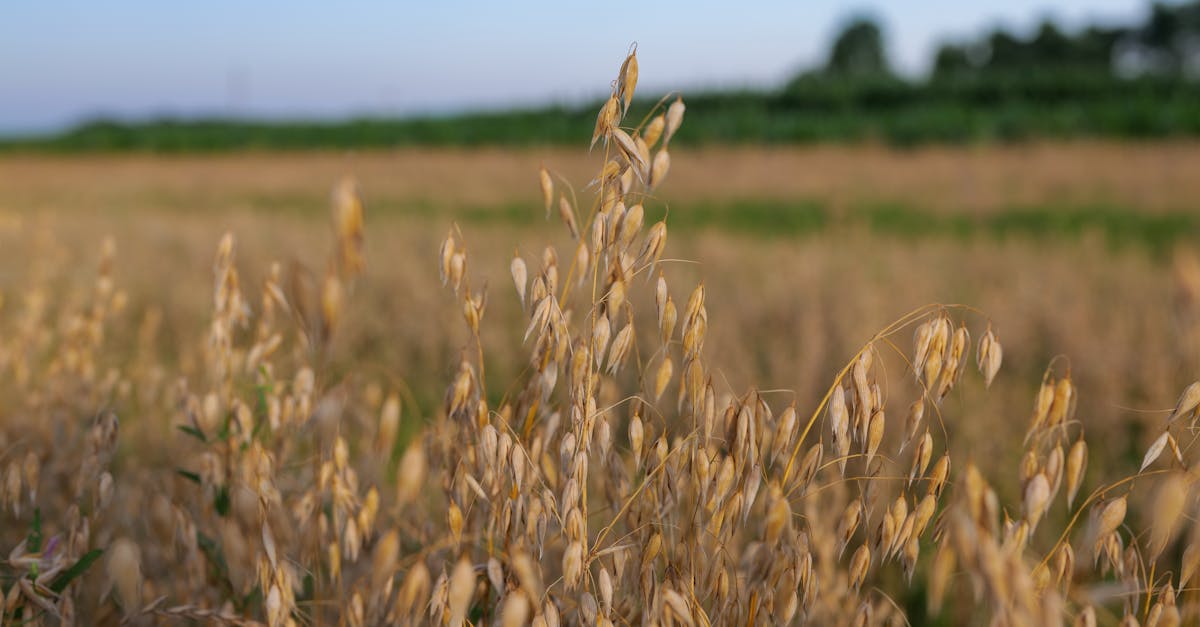
What Is a Beta-Glucan Supplement and Why Does Molecular Structure Matter?
Beta-glucans are naturally occurring polysaccharides — long chains of glucose molecules linked together — found in the cell walls of grains, fungi, and certain bacteria. The term "beta-glucan supplement" covers a surprisingly wide family of compounds, and the devil is firmly in the structural details.
The key variable is how those glucose units are connected. Oat and barley beta-glucans are predominantly (1→3)(1→4)-linked linear chains, which makes them soluble, viscous, and highly effective at trapping bile acids in the gut. Yeast-derived beta-glucans (primarily from Saccharomyces cerevisiae) are (1→3)(1→6)-linked and form a branched, particulate structure that interacts directly with immune receptors. Mushroom beta-glucans — sourced from species like Ganoderma lucidum (reishi), Lentinus edodes (shiitake), and Grifola frondosa (maitake) — are also (1→3)(1→6)-linked but carry additional structural complexity that may enhance their immunological potency.
Because these molecules engage entirely different physiological mechanisms, choosing a "beta-glucan supplement" without knowing the source and structure is like choosing an "omega-3" without knowing whether it's EPA, DHA, or ALA. The form determines the function.
---
Oat Beta-Glucan and Cholesterol: The Strongest Evidence in the Field
Of all the health claims attached to beta-glucans, the cholesterol-lowering effect of oat beta-glucan has arguably the most robust and consistent evidence base — strong enough to earn a qualified health claim from the U.S. Food and Drug Administration (FDA) and a positive opinion from the European Food Safety Authority (EFSA).
The mechanism is well-understood. Oat beta-glucan forms a viscous gel in the small intestine that traps bile acids and prevents their reabsorption. The liver compensates by pulling LDL cholesterol out of the bloodstream to synthesize new bile, resulting in measurably lower circulating LDL and total cholesterol levels.
A meta-analysis of 28 randomized controlled trials published in the American Journal of Clinical Nutrition (Whitehead et al., 2014; PMID: 24732454) found that consuming 3 grams of oat beta-glucan per day reduced LDL cholesterol by an average of 0.25 mmol/L (approximately 9.6 mg/dL) — roughly a 4–10% reduction depending on baseline levels. EFSA's scientific opinion confirms that 3 g/day is the minimum effective dose for this effect, and the source must be high-molecular-weight beta-glucan to maintain viscosity in solution (EFSA Panel on Dietetic Products, Nutrition and Allergies, 2011; doi.org/10.2903/j.efsa.2011.2624).
Importantly, the cholesterol benefit appears dose-dependent and molecular-weight-dependent. Processed or degraded beta-glucan with a lower molecular weight is significantly less effective, which is why raw oat flour and minimally processed oat bran concentrates outperform heavily refined extracts in clinical trials.
For individuals managing borderline-high LDL, pairing oat beta-glucan at 3–5 g/day with other evidence-based cardiovascular ingredients — such as omega-3 EPA and DHA or plant sterols — creates complementary mechanisms that can meaningfully shift a lipid panel without pharmaceutical intervention. Always discuss cholesterol management with your healthcare provider before adjusting any protocol.
---
Beta-Glucan Immune Modulation: Mechanisms, Receptors, and What the Research Shows
The immune-priming effects of beta-glucans operate through a completely different pathway than the cholesterol mechanism — and this is where yeast and mushroom forms really shine.
Beta-glucans are recognized as pathogen-associated molecular patterns (PAMPs) by pattern recognition receptors on innate immune cells. The primary receptor involved is Dectin-1, a C-type lectin expressed on monocytes, macrophages, dendritic cells, and neutrophils. When particulate (1→3)(1→6)-linked beta-glucan — the kind found in yeast and mushrooms — binds to Dectin-1, it activates a downstream signaling cascade involving Syk and CARD9 that primes the cell for faster and stronger responses to subsequent threats (Brown & Gordon, Nature, 2001; PMID: 11742412).
This concept is sometimes called "trained immunity" — a form of innate immune memory that allows monocytes and macrophages to respond more vigorously without the specificity of adaptive immunity. A landmark study published in Cell by Quintin et al. (2012; PMID: 22901542) demonstrated that beta-glucan induces epigenetic reprogramming of monocytes that persists for weeks, fundamentally altering how those cells mount an inflammatory response.
Clinically, beta-glucan immune modulation has been evaluated in multiple human contexts:
- A double-blind RCT in 100 participants found that 250 mg/day of Wellmune (a proprietary yeast beta-glucan) reduced the number of upper respiratory tract infection (URTI) days over a 90-day period compared to placebo (Talbott & Talbott, Journal of the American College of Nutrition, 2012; PMID: 22530714).
- In cancer patients undergoing surgery, IV-administered beta-glucan improved monocyte and neutrophil function and reduced post-operative infection rates in several early trials, though oral supplementation data remains more limited in this population.
- A 2019 meta-analysis in Nutrients reviewing 34 clinical trials concluded that beta-glucan supplementation significantly increased natural killer (NK) cell activity and circulating levels of secretory IgA, with effects most pronounced at doses of 250–500 mg/day from yeast or mushroom sources (Stier et al., Nutrients, 2014; PMID: 25415189).
The immune-modulating effect is best thought of as "priming" rather than "stimulating" — beta-glucans do not cause an indiscriminate inflammatory surge. In fact, there is evidence that in certain inflammatory or autoimmune contexts, beta-glucan can help calibrate immune responses rather than simply ramp them up, making it distinct from crude "immune boosters" that flood the system with stimulatory cytokines.
If immune resilience is a core health goal, learning more about vitamin D3 and K2 synergy is worth your time — both pathways (Dectin-1/beta-glucan and VDR/vitamin D signaling) converge on macrophage and dendritic cell function.
---
Yeast Beta-Glucan: The Immune Workhorse
Yeast-derived beta-glucan — typically extracted from the cell walls of Saccharomyces cerevisiae — has become the most studied form for immune applications. The highly branched (1→3)(1→6)-glucan structure creates a particulate that macrophages can physically engulf and process, effectively "training" them in a way that soluble oat beta-glucan cannot replicate.
Several well-characterized commercial preparations exist. Wellmune (from Kerry Group) is among the most studied, with multiple published RCTs. ResistAid (from Lonza) is another proprietary yeast beta-glucan with clinical data. Both are standardized to specific molecular structures and have dose-ranging data supporting 250–500 mg/day as the effective clinical range for immune outcomes.
| Feature | Oat Beta-Glucan | Yeast Beta-Glucan |
|---|---|---|
| Linkage type | (1→3)(1→4) linear | (1→3)(1→6) branched |
| Primary mechanism | Viscous gel, bile acid binding | Dectin-1 receptor activation |
| Main clinical use | LDL cholesterol reduction | Immune priming, URTI prevention |
| Effective clinical dose | 3–5 g/day | 250–500 mg/day |
| Solubility | Soluble | Particulate / poorly soluble |
| FDA/EFSA health claim | Yes (cholesterol) | No formal claim |
For those building personalized supplement formulas, the low-dose requirement of yeast beta-glucan (250–500 mg) makes it highly compatible with capsule-based stacking. This is a meaningful practical advantage over oat beta-glucan, where therapeutic doses are typically delivered through food or dedicated fiber supplements rather than capsules.
---
Mushroom Beta-Glucan: Depth of Immune Benefit and Adaptogenic Context
Mushroom-derived beta-glucans sit at the intersection of traditional medicine and modern immunology. Medicinal mushrooms like reishi (Ganoderma lucidum), shiitake (Lentinus edodes), turkey tail (Trametes versicolor), and lion's mane (Hericium erinaceus) contain (1→3)(1→6)-linked beta-glucans alongside triterpenes, ergosterols, and other bioactive compounds that may work synergistically.
The beta-glucan content varies considerably between mushroom species and between "mycelium" and "fruiting body" products. Fruiting body extracts consistently contain higher beta-glucan concentrations than mycelium-on-grain products, which often contain significant amounts of oat or rice starch rather than active beta-glucan. A 2017 analysis published in International Journal of Medicinal Mushrooms (Bak et al.; doi.org/10.1615/IntJMedMushrooms.2017024529) measured beta-glucan concentrations in commercial mushroom products and found several-fold differences between fruiting body and mycelium preparations.
For turkey tail (T. versicolor), the polysaccharide-K (PSK) extract — a specific beta-glucan-rich fraction — has been studied in large Japanese clinical trials as adjunctive therapy in gastrointestinal cancer patients, showing statistically significant improvements in survival in some cohorts (Oba et al., Anticancer Research, 2007; PMID: 17407026). These findings are context-specific and should not be generalized to healthy populations, but they illustrate the depth of biological activity possible with well-characterized mushroom beta-glucans.
For everyday immune support, lion's mane and reishi mushroom extracts standardized to ≥30% beta-glucan content at 500–1000 mg/day represent a reasonable target, though head-to-head clinical comparisons with yeast beta-glucan in healthy adults remain limited.
---
How Ones Addresses This: Building Beta-Glucan Into a Personalized Formula
At Ones, the AI health practitioner doesn't just look at a single biomarker — it cross-references blood work, wearable data (like HRV trends that can reflect immune load and recovery), and your stated health goals to determine whether and which beta-glucan form belongs in your formula.
Here's how specific ingredients map to the evidence:
Yeast Beta-Glucan (250–500 mg): For users whose data points to immune resilience as a priority — frequent illness, elevated inflammatory markers, low NK cell counts on functional panels — Ones can include yeast beta-glucan at the clinically studied dose range used in Wellmune RCTs. At 250–500 mg, it fits comfortably within a 6- to 12-capsule daily plan.
Mushroom Beta-Glucan Extracts (via Immune-C and Beta Max System Blends): Ones' proprietary Beta Max and Immune-C blends draw on mushroom-derived beta-glucan fractions alongside complementary immune-active ingredients. These system blends are calibrated so that individual components contribute without exceeding sensible daily totals across the formula — avoiding the common mistake of stacking multiple mushroom products and over-indexing on a single pathway.
Vitamin D3 + K2 (MK-7): Because Dectin-1 signaling and vitamin D receptor (VDR) signaling both converge on macrophage function, Ones frequently pairs beta-glucan with Vitamin D3 at doses calibrated to move serum 25(OH)D into the 40–60 ng/mL range — the range associated with optimal innate immune function in observational studies. K2 as MK-7 is included to support D3 metabolism and calcium partitioning.
If cardiovascular support is also in scope — elevated LDL on blood work, for example — Ones can layer in clinical evidence-backed ingredients for cholesterol alongside dietary guidance on oat beta-glucan intake from food sources, since the 3–5 g/day therapeutic dose for LDL reduction is most practical through whole food or fiber supplement formats rather than capsules.
---
Comparing Beta-Glucan Sources: A Quick-Reference Table
| Source | Form | Primary Benefit | Clinical Dose | Key Mechanism |
|---|---|---|---|---|
| Oat / Barley | Soluble fiber | LDL cholesterol reduction | 3–5 g/day | Bile acid sequestration |
| Baker's Yeast (*S. cerevisiae*) | Particulate extract | Immune priming, URTI reduction | 250–500 mg/day | Dectin-1 / trained immunity |
| Reishi (*G. lucidum*) | Fruiting body extract | Immune modulation, adaptogenic | 500–1000 mg/day | Dectin-1, TLR-2, triterpene co-activity |
| Turkey Tail (*T. versicolor*) | PSK / polysaccharide extract | Immune adjunct (clinical context) | 3 g/day (PSK) | NK cell, T-cell activation |
| Lion's Mane (*H. erinaceus*) | Fruiting body extract | Immune + neurological support | 500–1000 mg/day | Beta-glucan + hericenones |
| Shiitake (*L. edodes*) | Lentinan / whole mushroom | Immune support | 250–500 mg/day | Macrophage and NK activation |
---
Key Takeaways
- Source determines function: Oat beta-glucan lowers LDL cholesterol through viscous gel formation and bile acid binding; yeast and mushroom beta-glucans prime innate immune cells via Dectin-1 receptor activation — these are not interchangeable benefits.
- Oat beta-glucan requires 3–5 g/day to achieve the FDA/EFSA-recognized LDL reduction of approximately 10%; this dose is most practical from food sources or dedicated fiber supplements, not standard capsules.
- Yeast beta-glucan at 250–500 mg/day has the strongest RCT evidence for reducing URTI frequency and duration in healthy adults; look for standardized preparations like Wellmune in clinical trials.
- Mushroom extracts should specify beta-glucan content: Fruiting body extracts standardized to ≥30% beta-glucan consistently outperform mycelium-on-grain products; check the certificate of analysis before purchasing.
- Immune priming is not the same as immune stimulation: Beta-glucans train innate immune cells through epigenetic reprogramming (trained immunity), providing a more calibrated effect than crude immune stimulants.
- Personalized stacking matters: Ones uses blood work and wearable data to identify whether immune or cardiovascular support is the priority, then doses the appropriate beta-glucan form alongside synergistic ingredients like Vitamin D3/K2 — avoiding the guesswork of one-size-fits-all supplements.