Supplements
Can Diet Change HDL?: Bioavailability, Stack Synergies, and Lab-Backed Dosing
HDL cholesterol is often dismissed as simply 'the good cholesterol,' but raising it is notoriously harder than lowering LDL — dietary changes that seem logical sometimes backfire. Research now shows that specific food patterns, lifestyle levers, and a handful of clinically dosed nutrients can meaningfully shift HDL, along with related markers like CRP, ApoB, and cholesterol ratio. Here's what the data actually say.
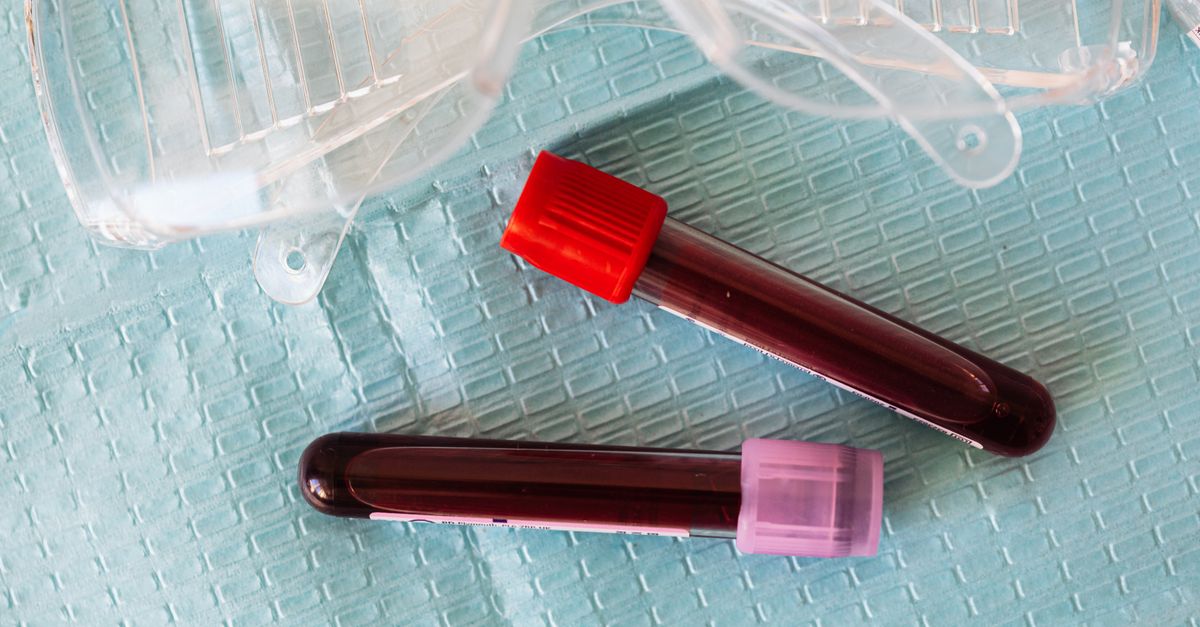
Can Diet Change HDL? What the Evidence Really Shows
HDL (high-density lipoprotein) is the lipoprotein responsible for reverse cholesterol transport — shuttling excess cholesterol from peripheral tissues back to the liver for clearance. A higher HDL-C is generally associated with lower cardiovascular risk, but the relationship is more nuanced than a single number. Functional HDL — HDL that actually performs reverse cholesterol transport efficiently — matters more than concentration alone.
So can diet change HDL in a clinically meaningful way? The short answer is yes, but the effect sizes are modest and highly dependent on which dietary changes you make. A 2019 meta-analysis of 55 randomized controlled trials found that replacing saturated fats with monounsaturated fats (MUFAs) raised HDL-C by approximately 0.06 mmol/L, while replacing them with carbohydrates actually lowered HDL (Mensink et al., European Journal of Clinical Nutrition 2003; PMID: 12966433). This counterintuitive finding — that not all fat reductions are equal — is one reason blanket "low-fat" dietary advice has largely fallen out of favor for cardiovascular optimization.
The Mediterranean dietary pattern consistently emerges as the most evidence-backed approach. A landmark 2013 PREDIMED trial (n=7,447) demonstrated that a Mediterranean diet supplemented with olive oil or nuts significantly improved HDL particle function and reduced major cardiovascular events by ~30% compared to a low-fat control diet (Estruch et al., NEJM 2013; PMID: 23432189). Crucially, HDL function improved even when HDL-C concentration didn't rise dramatically — underscoring why looking at the full lipid panel, not just HDL-C in isolation, matters.
Specific Dietary Levers That Raise HDL
Beyond broad dietary patterns, specific foods and nutrients have demonstrated measurable HDL effects:
- Extra virgin olive oil: Rich in oleocanthal and oleuropein, EVOO raises HDL-C and improves its anti-inflammatory capacity.
- Fatty fish (EPA/DHA): Omega-3 fatty acids primarily lower triglycerides, but higher EPA+DHA intake is also associated with improved HDL particle size.
- Soluble fiber: Oats, legumes, and psyllium lower LDL and triglycerides, which indirectly improves the cholesterol ratio even without large HDL-C changes.
- Alcohol (limited evidence): Moderate alcohol consumption raises HDL-C, but the net health risk-benefit calculation does not support using alcohol as an HDL strategy.
- Aerobic exercise: While not dietary, exercise is worth mentioning — 30 minutes of moderate-intensity aerobic activity most days can raise HDL-C by 3–9% (Kodama et al., Archives of Internal Medicine 2007; PMID: 17404354).
The takeaway: diet can shift HDL, but rarely by more than 5–10% in isolation. Understanding your baseline lipid panel, including ApoB and cholesterol ratio, helps you identify which levers to pull hardest.
---
Can Diet Change Cholesterol Ratio?
The cholesterol ratio — typically expressed as total cholesterol divided by HDL-C, or LDL-C divided by HDL-C — is considered a stronger predictor of cardiovascular risk than LDL-C alone in many guidelines. Diet has a more pronounced effect on cholesterol ratio than on HDL-C in isolation, because it acts on both numerator and denominator simultaneously.
Replacing dietary saturated fatty acids with polyunsaturated fatty acids (PUFAs) — especially linoleic acid from nuts and seeds — reduces LDL-C while modestly raising or maintaining HDL-C, compressing the ratio favorably. A pooled analysis of prospective cohort studies found that replacing 5% of energy from saturated fat with PUFAs was associated with a 10% lower coronary heart disease risk (Mozaffarian et al., PLOS Medicine 2010; PMID: 20351774).
Niacin (vitamin B3) at pharmacological doses (1,000–2,000 mg/day) is one of the most potent dietary-adjacent interventions known to raise HDL-C and improve cholesterol ratio, but its use as a standalone supplement is controversial due to flushing side effects and mixed outcomes in trials when combined with statins. At lower nutritional doses found in food or standard B-complex supplements, niacin's lipid effects are negligible.
Practical ratio-improving strategies:
- Replace refined carbohydrates with MUFA and PUFA sources (avocado, olive oil, walnuts, fatty fish).
- Increase soluble fiber to 10–25 g/day to lower total and LDL cholesterol.
- Reduce trans fats completely — they simultaneously lower HDL and raise LDL, maximally worsening the ratio.
- Consider plant sterols (2 g/day) if LDL-C is elevated; they reduce LDL absorption by ~10% without affecting HDL.
---
Can Diet Change ApoB?
Apolipoprotein B (ApoB) is the structural protein on every atherogenic lipoprotein particle — LDL, VLDL, IDL, and Lp(a). Because each atherogenic particle carries exactly one ApoB molecule, ApoB concentration is effectively a direct particle count, making it a superior predictor of cardiovascular risk compared to LDL-C in many patients, particularly those with metabolic syndrome or insulin resistance where "ApoB discordance" from LDL-C is common.
Can diet change ApoB? Yes, and often more meaningfully than it changes HDL-C. The same dietary swaps that reduce LDL-C tend to reduce ApoB: replacing saturated fat with PUFAs, reducing refined carbohydrates, and increasing fiber all lower ApoB particle count. A 2022 systematic review confirmed that low-carbohydrate diets significantly reduced ApoB compared to low-fat diets, particularly in participants with elevated baseline triglycerides (Gjuladin-Hellon et al., Nutrition Reviews 2019; PMID: 30535398).
Omega-3 supplementation at therapeutic doses (EPA+DHA ≥2 g/day) is particularly relevant for ApoB because it dramatically lowers VLDL secretion and triglycerides — reducing the pool of atherogenic particles. The REDUCE-IT trial demonstrated that 4 g/day of icosapentaenoic acid (EPA) reduced major adverse cardiovascular events by 25% in statin-treated patients with elevated triglycerides, with ApoB-lowering as one proposed mechanism (Bhatt et al., NEJM 2019; PMID: 30415628).
For anyone getting cardiovascular labs done, requesting ApoB alongside the standard lipid panel gives a more complete picture of actual particle burden — and reveals whether diet is working at the level that matters most.
---
Can Diet Change CRP?
C-reactive protein (CRP), especially the high-sensitivity variant (hs-CRP), is a downstream marker of systemic inflammation. Elevated hs-CRP (>2 mg/L) independently predicts cardiovascular events and is now incorporated into several cardiovascular risk calculators. Because atherosclerosis is fundamentally an inflammatory process, reducing CRP is a legitimate strategy alongside improving lipids.
Dietary inflammation is real and measurable. Ultra-processed foods, refined sugars, and omega-6-heavy seed oils elevate CRP, while the Mediterranean diet, rich in polyphenols and omega-3 fats, consistently lowers it. A meta-analysis of 17 RCTs found that Mediterranean diet adherence reduced hs-CRP by an average of 0.58 mg/L (Schwingshackl & Hoffmann, European Journal of Nutrition 2014; PMID: 24271615).
Beyond diet pattern, specific supplements have demonstrated CRP-lowering effects:
- Omega-3 EPA/DHA at ≥2 g/day reduces hs-CRP through prostaglandin modulation and NF-κB inhibition.
- Curcumin (standardized extract, ~500 mg/day) has shown CRP reductions in multiple trials, though bioavailability requires piperine or phospholipid complexing.
- Magnesium: Low magnesium status correlates with elevated CRP; repletion in deficient individuals reduces inflammatory markers.
The CRP-HDL connection is bidirectional — chronic inflammation impairs HDL function and reduces reverse cholesterol transport efficiency, so addressing CRP is not just a standalone goal but a core part of restoring meaningful HDL activity.
---
Can Diet Change ESR?
Erythrocyte sedimentation rate (ESR) is a broader, less specific inflammatory marker than CRP. It reflects how quickly red blood cells settle in a tube — faster settling indicates higher levels of fibrinogen, globulins, and other acute-phase proteins associated with inflammation, infection, or autoimmune activity. ESR is commonly ordered alongside CRP but responds more slowly to interventions.
Diet can modestly influence ESR, primarily through the same anti-inflammatory pathways that affect CRP. Anti-inflammatory diets rich in omega-3 fats, polyphenols, and fiber reduce circulating fibrinogen and inflammatory cytokines over time, which eventually lowers ESR. However, because ESR is influenced by anemia, kidney disease, and other systemic conditions, persistently elevated ESR warrants investigation beyond dietary modification. If your ESR is high without a clear dietary explanation, a conversation with your healthcare provider is essential before attributing it solely to food choices.
For cardiovascular-focused monitoring, hs-CRP and ApoB provide more actionable, diet-responsive data than ESR — which is why most lipid optimization protocols prioritize those two markers.
---
What This Means for Your Formula
Diet is foundational, but for many people — especially those with genetic lipid tendencies, metabolic syndrome, or suboptimal labs despite clean eating — targeted supplementation fills the gap that food alone cannot close. This is precisely where a personalized approach like Ones adds value: rather than guessing which lipid-supporting nutrients you need, Ones analyzes your actual blood work and wearable data to identify the specific deficiencies and imbalances driving your results.
For HDL optimization and cardiovascular metabolic health, Ones draws on several clinically validated ingredients:
Omega-3 (EPA/DHA) — Ones includes high-quality omega-3s at doses calibrated to your triglyceride and inflammatory marker baseline. At 2–4 g/day of combined EPA+DHA, omega-3s reduce VLDL and triglycerides (improving cholesterol ratio), lower hs-CRP, and support ApoB reduction — hitting multiple cardiovascular markers simultaneously (Bhatt et al., NEJM 2019; PMID: 30415628).
Ones Heart Support — This proprietary System Blend is formulated specifically for cardiovascular system function, combining ingredients that support healthy lipid metabolism and vascular tone. It's included in custom formulas when lab data and health history indicate cardiovascular risk factors that go beyond what single-ingredient supplementation can address.
CoQ10/Ubiquinol (200 mg) — Mitochondrial energy production underpins endothelial function and oxidative stress management — both of which influence HDL particle functionality and arterial health. CoQ10 depletion is common in people on statins and in those over 40, and Ones includes it at the 200 mg ubiquinol dose used in clinical trials when indicated by the user's profile.
For cardiovascular markers, Ones provides a personalized formula in either a 6 or 9-capsule daily plan — the AI determines the appropriate plan based on the breadth of your findings, not a one-size-fits-all default. You can also learn more about how omega-3 supplementation affects triglycerides and cardiovascular risk and how personalized blood work analysis shapes supplement recommendations.
If you're interested in how inflammation markers like CRP connect to lipid health, our deep-dive on lowering hs-CRP with diet and supplements covers the clinical evidence in detail.
---
Key Takeaways
- Diet can raise HDL-C by 5–10% through Mediterranean-style eating, MUFA/PUFA substitution for saturated fat, and soluble fiber — but HDL function matters as much as the number.
- Cholesterol ratio responds more strongly to diet than HDL in isolation; replacing refined carbs and trans fats with PUFAs compresses the ratio favorably.
- ApoB is the most actionable cardiovascular particle marker — omega-3 supplementation at ≥2 g/day and low-carbohydrate dietary patterns reduce ApoB meaningfully, particularly in metabolically unhealthy individuals.
- CRP and HDL are linked — chronic inflammation impairs HDL function, making anti-inflammatory dietary strategies (Mediterranean diet, omega-3s, magnesium repletion) doubly important.
- ESR is a less specific and slower-responding marker than hs-CRP for dietary interventions; prioritize CRP and ApoB for tracking lipid-related inflammation.
- Personalized supplementation — calibrated to your actual lab data rather than population averages — can address lipid and inflammatory gaps that diet alone leaves open, which is the core principle behind Ones formulas.