Stress & Adrenal
Can Low Cortisol Levels Cause Depression or Low Mood?
Low cortisol is an underrecognized driver of depression, fatigue, and low motivation — yet most mood workups never test it. Research shows that blunted cortisol awakening responses and HPA-axis burnout produce a depressive phenotype distinct from classical major depression, requiring a different intervention strategy entirely.
Can Low Cortisol Levels Cause Depression or Low Mood?
Yes — low cortisol can contribute directly to depression and low mood, though it is not the only cause and not every depressed person has low cortisol. Studies of people with adrenal insufficiency and burnout-related hypocortisolism consistently show higher rates of anhedonia, fatigue, and depressive symptoms. The main caveat: the relationship is bidirectional, and low cortisol is one node in a larger neuroendocrine picture that also involves neurotransmitters, inflammation, and nutrient status.
---
Why Cortisol and Mood Are Biologically Linked
Cortisol is secreted by the adrenal cortex in a predictable diurnal rhythm — peaking within 30–45 minutes of waking (the cortisol awakening response, or CAR) and declining across the day. This rhythm is not just about stress management. Cortisol receptors are dense in the hippocampus, prefrontal cortex, and amygdala — the exact regions that govern memory consolidation, emotional regulation, and threat appraisal.
When cortisol is chronically low, these glucocorticoid receptors are understimulated. The downstream consequences include:
- Reduced serotonin transporter activity (glucocorticoids upregulate serotonin synthesis in key brain regions)
- Elevated pro-inflammatory cytokines — particularly IL-6 and TNF-α — which independently drive depressive symptoms via the cytokine hypothesis of depression (Miller et al., Brain, Behavior, and Immunity 2009; PMID: 19426789)
- Blunted dopamine signaling in the mesolimbic reward pathway, contributing to anhedonia
- Poor hippocampal neurogenesis, which is impaired in both hypocortisolism and major depressive disorder
This is why hypocortisolism — whether from Addison's disease, HPA-axis burnout, or chronic stress that has finally suppressed cortisol output — so reliably produces a symptom cluster that is clinically indistinguishable from depression.
It is also worth noting that the relationship runs in both directions. People with major depressive disorder sometimes show elevated cortisol (melancholic depression with hypercortisolism), but atypical depression and burnout-related depression are more commonly associated with low or flattened cortisol patterns (Fries et al., Psychoneuroendocrinology 2005; PMID: 15888403). This distinction matters enormously because the interventions that help high-cortisol depression can worsen low-cortisol depression, and vice versa.
The Cortisol Awakening Response as a Clinical Marker
One of the most informative windows into HPA-axis function is not a single serum cortisol draw but the cortisol awakening response (CAR) — the 50–160% surge in salivary cortisol that occurs in the first 30–45 minutes after waking. The CAR is regulated partly by the suprachiasmatic nucleus and partly by anticipatory stress appraisal. In people with burnout and in those meeting criteria for atypical depression, the CAR is consistently blunted — sometimes by 30–50% compared to healthy controls (Chida & Steptoe, Psychoneuroendocrinology 2009; PMID: 19070949). A flattened CAR predicts poor cognitive performance, low energy, and elevated inflammatory markers throughout the day, which makes it a practical early-warning biomarker even before full adrenal insufficiency develops.
---
Symptoms of Low Cortisol
Identifying low cortisol from symptoms alone is tricky because the presentation overlaps with hypothyroidism, anemia, burnout, and mood disorders. That said, a recognizable cluster does emerge in clinical practice:
Core symptoms:
- Profound morning fatigue that does not improve with sleep
- Low mood, apathy, or inability to feel motivated or rewarded
- Difficulty tolerating stress — even minor stressors feel overwhelming
- Salt cravings (the mineralocorticoid axis is often co-affected)
- Orthostatic hypotension or lightheadedness on standing
- Hypoglycemia or shakiness between meals
- Increased sensitivity to pain, light, and noise
- Prolonged recovery from illness or exercise
How it differs from hypothyroidism and anemia:
Hypothyroidism produces cold intolerance, weight gain, and slow reflexes that are less common in isolated hypocortisolism. Iron-deficiency anemia shows up clearly on a CBC with low hemoglobin, MCV, and ferritin. Low cortisol, by contrast, typically presents with normal routine bloodwork — which is exactly why it goes undiagnosed. If your CBC, thyroid panel, and metabolic panel are all unremarkable but you feel exhausted, emotionally flat, and unable to tolerate stress, cortisol testing is a logical next step.
Salt cravings are a particularly useful differentiating clue. They arise because cortisol shares regulatory territory with aldosterone — when cortisol is low, sodium wasting accelerates, and the body signals for more salt. Orthostatic symptoms often accompany this because blood pressure regulation partly depends on adequate glucocorticoid tone.
---
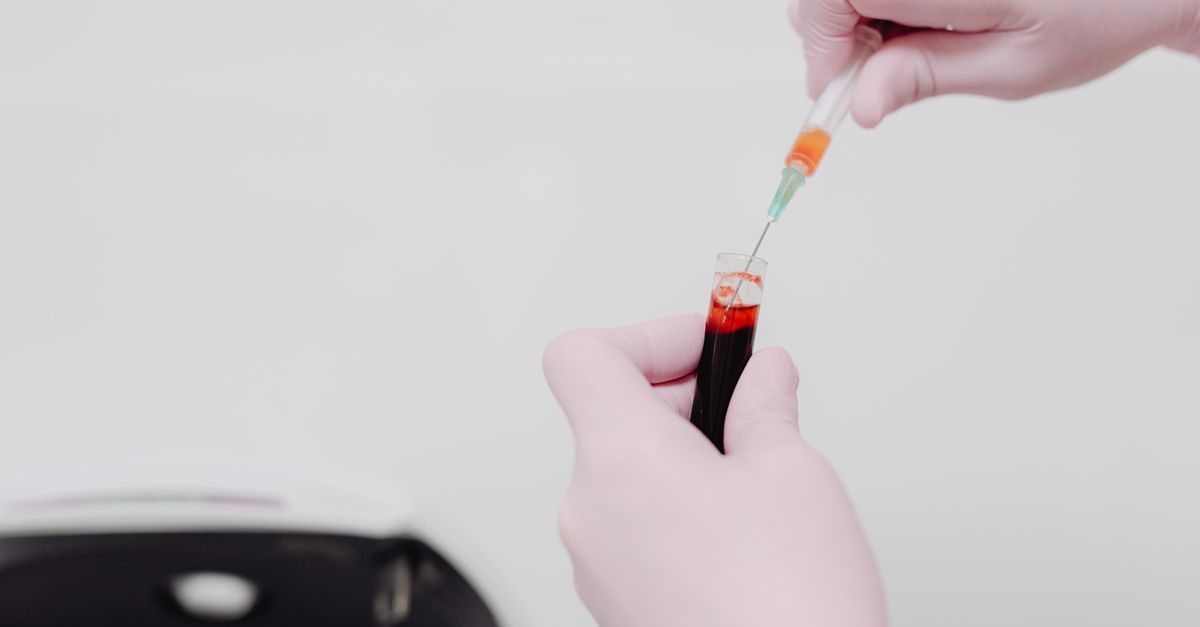
Lab Tests for Low Cortisol and Depression Workup
A proper low-cortisol workup is not a single morning blood draw, though that is often where clinicians start. The most complete picture comes from layering several test types:
| Test | What It Measures | Optimal Range | Notes |
|---|---|---|---|
| Morning serum cortisol (8 AM) | Total cortisol at peak | 10–20 mcg/dL | Below 10 suggests insufficiency; below 3 is diagnostic for Addison's |
| 4-point salivary cortisol | Diurnal rhythm (morning, noon, afternoon, evening) | Peaks AM, declines steadily | Flattened curve = HPA dysregulation |
| Cortisol Awakening Response (CAR) | First 30–45 min post-waking surge | ≥50% rise from baseline | Blunted CAR = burnout phenotype |
| ACTH stimulation test | Adrenal reserve capacity | Cortisol rise >18 mcg/dL at 60 min | Gold standard for Addison's |
| DHEA-S | Adrenal androgen output (co-secreted) | Age-dependent; low DHEA-S with low cortisol = adrenal insufficiency pattern | |
| Inflammatory markers (CRP, IL-6) | Cytokine load driving depressive symptoms | CRP <1.0 mg/L optimal | Elevated in hypocortisolism |
For depression workups specifically, cortisol testing is often neglected in favor of neurotransmitter proxies, which have poor clinical utility anyway. A more complete depression-oriented lab panel would include morning cortisol, DHEA-S, TSH and free T4, a full CBC, ferritin, 25-OH vitamin D, and folate — because all of these nutrient and hormonal factors converge on mood regulation. For a detailed look at how lab testing intersects with mood and endocrine markers, see what lab tests to get for high blood pressure, which covers many of the same cardiovascular-neuroendocrine overlaps.
---
Depression and Nutrient Deficiencies: The Overlooked Connection
Low cortisol rarely exists in isolation. The adrenal glands are metabolically demanding — they require adequate micronutrients to synthesize cortisol and maintain HPA-axis signaling. Several deficiencies are both a cause and a consequence of impaired cortisol production:
Vitamin C
The adrenal cortex contains one of the highest concentrations of ascorbic acid (vitamin C) in the body — it is depleted rapidly during acute stress and cortisol synthesis. Low vitamin C status impairs adrenal steroidogenesis and amplifies the inflammatory cytokine load that drives low mood. Supplementation at 1,000–3,000 mg/day has been shown to reduce cortisol responses to acute stress and lower perceived psychological stress scores (Brody et al., Psychopharmacology 2002; PMID: 12373420).
Vitamin D
Vitamin D receptors are present in the adrenal medulla and hypothalamus. Low 25-OH vitamin D — defined as below 30 ng/mL — is associated with blunted cortisol responses and independently predicts depressive symptoms in multiple longitudinal cohorts. The symptoms of low vitamin D article covers this connection in depth, including the lab ranges and supplementation protocol.
B Vitamins and Folate
Folate and B12 are cofactors in the methylation cycle that produces SAM-e, the methyl donor required for catecholamine and serotonin synthesis. When folate is depleted, neurotransmitter production slows, compounding the mood dysregulation from low cortisol. Studies have found that depressed patients with low folate respond poorly to antidepressants until folate status is corrected. For specifics on testing and repletion, how to raise your folate levels outlines the clinical protocol.
Magnesium
Magnesium modulates both the HPA axis and the NMDA glutamate receptor — a pathway increasingly implicated in treatment-resistant depression. Deficiency is common in chronically stressed adults because cortisol-driven urinary magnesium wasting accelerates depletion. Low RBC magnesium (not serum magnesium, which is tightly buffered) correlates with flattened CAR and elevated inflammatory markers. See symptoms of low RBC magnesium for a full biochemistry walkthrough.
Zinc
Zinc is a cofactor in over 300 enzymatic reactions, including those governing BDNF (brain-derived neurotrophic factor) synthesis. BDNF is profoundly important for hippocampal plasticity and antidepressant response. A meta-analysis of 17 studies found serum zinc significantly lower in depressed individuals versus controls, with a pooled standardized mean difference of −0.47 (Swardfager et al., Biological Psychiatry 2013; PMID: 23806573). Zinc supplementation at 25–45 mg/day augmented antidepressant response in several randomized controlled trials.
---
Natural Remedies for Depression Linked to Low Cortisol
When depression is rooted in HPA-axis dysfunction and low cortisol, the standard SSRI approach often delivers limited benefit — because the upstream driver is hormonal and inflammatory, not primarily serotonergic. The evidence base supports a targeted, multi-modal approach:
Adaptogenic Herbs
Adaptogens are defined by their ability to modulate the HPA axis bidirectionally — supporting cortisol output when it is low and dampening it when it is excessively high. This makes them mechanistically appropriate for hypocortisolism-associated depression.
Ashwagandha (KSM-66): An 8-week RCT in 64 chronically stressed adults found that KSM-66 at 300 mg twice daily (600 mg/day total) reduced serum cortisol by 27.9% in participants with elevated cortisol and improved stress scores by 44% on the PSS scale (Chandrasekhar et al., Indian Journal of Psychological Medicine 2012; PMID: 23439798). Critically, the same extract in populations with low-normal cortisol has been shown to support morning energy and mood without suppressing cortisol further, suggesting an adaptive regulatory effect rather than a simple suppressive one.
Rhodiola Rosea: Rhodiola's active constituents — rosavins and salidroside — activate SIRTs (sirtuins) and modulate the stress-activated kinase pathway, reducing the inflammatory cascade that accompanies HPA-axis burnout. A 12-week RCT in 80 adults with stress-related burnout found Rhodiola at 400 mg/day significantly improved burnout symptoms, emotional exhaustion, and depressive subscores compared to placebo, without suppressing cortisol below baseline (Kasper & Dienel, Neuropsychiatric Disease and Treatment 2017; doi.org/10.2147/NDT.S120113).
Lifestyle Interventions with the Strongest Evidence
Morning light exposure: Because the CAR is partly driven by circadian light cues via the suprachiasmatic nucleus, 20–30 minutes of bright natural light within 30 minutes of waking reliably amplifies the cortisol awakening response. This is one of the most practical and free interventions for HPA-axis burnout.
Resistance training: Exercise acutely raises cortisol, but regular resistance training — 3–4 sessions per week at moderate intensity — normalizes the diurnal rhythm and improves HPA-axis reactivity in people with burnout-pattern cortisol. This is distinct from excessive endurance training, which can deepen hypocortisolism.
Sleep consolidation: The majority of cortisol is produced in the final hours of sleep (early morning), which means fragmented sleep or sleeping past 9 AM shifts and flattens the production window. Prioritizing a consistent wake time, even on weekends, is mechanistically important — not just hygienically beneficial.
Salt and electrolyte repletion: In people with low cortisol and attendant mineralocorticoid insufficiency, adequate sodium and potassium intake is clinically meaningful. This is not an endorsement of high dietary sodium generally, but for people with documented hypocortisolism and orthostatic symptoms, electrolyte support can reduce lightheadedness and stabilize energy.
---
How Ones Addresses This
Personalized supplementation matters enormously when HPA-axis dysfunction is involved — because the same ingredient can have opposite effects depending on whether your cortisol is high, low, or dysrhythmic. Ones analyzes lab results, wearable data (including sleep metrics that proxy CAR quality), and health history to build a formula calibrated to your actual cortisol phenotype.
For individuals showing signs of HPA-axis burnout and low cortisol on their labs, Ones formulas may include:
- Ashwagandha KSM-66 at 600 mg/day — the exact dose used in the Chandrasekhar 2012 trial, matched to the proprietary extract with published bioavailability and cortisol-modulating data. Ones does not default to this ingredient for everyone — it appears in formulas where the lab and wearable data suggest cortisol dysregulation.
- Rhodiola Rosea — dosed based on salidroside content rather than raw weight, targeting the burnout and fatigue phenotype rather than general stress.
- Ones Adrenal Support blend — a proprietary System Support designed for HPA-axis regulation, containing adaptogenic and adrenal-cofactor ingredients calibrated for hypocortisolism patterns specifically.
Nutrient gaps that commonly co-occur with low cortisol — particularly vitamin C, vitamin D3, zinc, and magnesium — are addressed through individual actives when labs confirm depletion, rather than adding them by default to every formula. If your cortisol workup also reveals low mood with concurrent hormonal symptoms, the how to reverse low libido article covers the overlapping endocrine picture in detail, since testosterone, DHEA, and cortisol share adrenal precursors.
---
Key Takeaways
- Low cortisol causes depression-like symptoms — including anhedonia, apathy, morning fatigue, and stress intolerance — through glucocorticoid receptor understimulation, elevated inflammatory cytokines, and blunted dopamine signaling.
- The cortisol awakening response (CAR) is a more sensitive functional marker than a single morning serum draw; a blunted CAR (less than 50% rise post-waking) is a clinically meaningful signal of HPA-axis burnout.
- Low cortisol depression is a distinct phenotype from melancholic high-cortisol depression and responds poorly to interventions designed for the latter — getting the direction right matters.
- Nutrient deficiencies — particularly vitamin D, folate, magnesium, zinc, and vitamin C — both impair adrenal cortisol production and independently drive depressive symptoms; a comprehensive lab panel should cover all of these.
- Adaptogens like KSM-66 ashwagandha (600 mg/day) and Rhodiola Rosea (400 mg/day) have the strongest RCT evidence for HPA-axis burnout with low or dysrhythmic cortisol; SSRIs alone are unlikely to address the upstream driver.
- Consult a healthcare provider before interpreting cortisol labs or making treatment decisions — adrenal insufficiency exists on a spectrum and requires clinical context to manage safely.