Supplements
Chromium Side Effects: A Functional-Medicine Lens on Causes and Support
Chromium is one of the most widely taken blood sugar supplements — yet its side effects are routinely misunderstood or dismissed. From hypoglycemic episodes and GI distress to rare but serious renal concerns, the risks are dose-dependent, form-dependent, and highly individual. Understanding the functional-medicine view on chromium can be the difference between a supplement that helps and one that quietly harms.
Chromium Side Effects: A Functional-Medicine Lens on Causes and Support
Chromium is one of those minerals that generates quiet controversy in functional and integrative medicine circles. On one side, it appears in nearly every blood sugar and weight-management formula on the market. On the other, a growing body of clinical evidence suggests that the wrong form, the wrong dose, or the wrong metabolic context can produce real adverse effects — from hypoglycemia and GI upset to DNA oxidative stress and kidney strain.
This article breaks down what the research actually shows about chromium side effects, examines the chromium picolinate form specifically, clarifies which secondary ingredients like quercetin and astaxanthin are genuinely relevant to chromium metabolism, and explains how a precision-supplement platform like Ones approaches chromium dosing within the full picture of your biology.
---
What Is Chromium and Why Do People Take It?
Chromium is a trace mineral involved in potentiating the action of insulin — the hormone that drives glucose into cells. It works partly through a molecule called chromodulin (also called low-molecular-weight chromium-binding substance), which amplifies insulin receptor signaling (Vincent, Biological Trace Element Research 2015; PMID: 25204465).
Because of this mechanism, chromium supplementation has been studied for:
- Type 2 diabetes and insulin resistance — improving fasting glucose and HbA1c
- Polycystic ovary syndrome (PCOS) — reducing androgen-driven insulin resistance
- Weight management — reducing carbohydrate cravings
- Metabolic syndrome — addressing dyslipidemia alongside glucose dysregulation
Dietary chromium is found in broccoli, whole grains, brewer's yeast, and beef. However, processed diets, high sugar intake, and physical stress can deplete chromium. Chromium is classified as an essential trace element by the National Institutes of Health Office of Dietary Supplements, although no Recommended Dietary Allowance (RDA) has been established — only an Adequate Intake (AI) of 25–35 mcg/day for adults (NIH ODS, Chromium Fact Sheet for Health Professionals, 2023).
Supplements routinely deliver 200–1,000 mcg daily — orders of magnitude above dietary intake — which is precisely where the risk profile begins to shift.
---
Chromium Picolinate Side Effects: What the Evidence Shows
Chromium picolinate is the dominant commercial form of the mineral because picolinic acid chelation dramatically improves bioavailability compared to chromium chloride. But this increased absorption is a double-edged sword when it comes to side effects.
Oxidative DNA Damage
The most debated concern with chromium picolinate is its potential to generate reactive chromium species — specifically Cr(V) intermediates — that can cause oxidative strand breaks in DNA. In vitro and animal studies have demonstrated this effect, and a review by Stearns et al. (Molecular and Cellular Biochemistry 2002; PMID: 12206088) concluded that picolinate may facilitate the reduction of Cr(III) to genotoxic species under certain biological conditions. While the clinical relevance in humans at standard supplement doses remains disputed, functional medicine practitioners tend to favor chromium histidinate or chromium nicotinate as lower-risk alternatives for long-term use.
Hypoglycemia
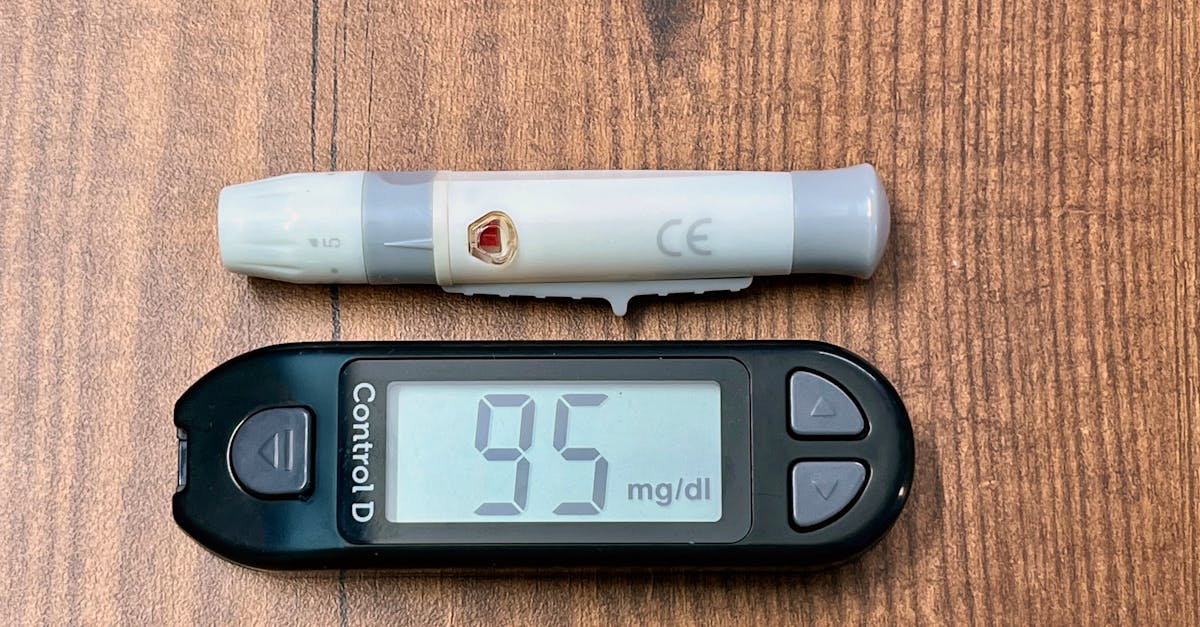
The most practically significant chromium picolinate side effect for most users is excessive blood glucose lowering. In individuals already on insulin or sulfonylureas, chromium's insulin-potentiating action can compound glucose-lowering effects significantly. Case reports have documented symptomatic hypoglycemia in individuals taking 400–1,000 mcg/day alongside oral antidiabetic medications. If you are managing blood sugar with a targeted supplement protocol, this interaction demands proactive monitoring.
Gastrointestinal Distress
At doses above 400 mcg/day, a subset of users reports nausea, loose stools, or abdominal cramping — likely due to the picolinate ligand itself rather than the chromium. Taking chromium picolinate with food attenuates this in most cases.
Renal and Hepatic Toxicity (High-Dose)
Several case reports have linked high-dose chromium picolinate (>1,200 mcg/day) to acute renal failure and hepatotoxicity, including a widely cited case involving a 33-year-old woman who developed rhabdomyolysis, hemolytic anemia, and renal failure after taking 1,200–2,400 mcg/day for several weeks (Cerulli et al., Annals of Pharmacotherapy 1998; PMID: 9793600). These are rare events at supplement doses below 1,000 mcg, but they underscore the importance of not treating chromium as an innocuous mineral at high intakes.
| Chromium Form | Bioavailability | Oxidative Concern | Preferred Context |
|---|---|---|---|
| Chromium Picolinate | High | Moderate (animal data) | Short-term glucose support |
| Chromium Nicotinate (GTF) | Moderate-High | Low | Metabolic syndrome, longer use |
| Chromium Histidinate | High | Low | Insulin resistance, PCOS |
| Chromium Chloride | Low | Very Low | Not typically recommended |
---
Who Is Most Vulnerable to Chromium Side Effects?
Functional medicine contextualizes risk rather than applying population-level averages. Several groups warrant heightened caution:
- People on insulin or oral hypoglycemics — additive blood sugar lowering can cause dangerous hypoglycemia
- Individuals with pre-existing renal impairment — chromium is primarily renally excreted; accumulation risk is real
- Those with hemochromatosis or iron overload — chromium and iron share some transport mechanisms; competitive absorption may unpredictably alter iron status
- Pregnant women — AI is set at 30 mcg/day; high-dose supplementation is not established as safe
- People taking levothyroxine or antacids — absorption timing interactions have been documented
Always consult your healthcare provider before adding chromium to an existing medication regimen, particularly any that affect blood glucose or renal function.
---
Quercetin Side Effects in the Context of Chromium Metabolism
Quercetin is a flavonoid antioxidant with anti-inflammatory, anti-histamine, and insulin-sensitizing properties — and it appears in many formulas alongside chromium. Understanding quercetin's own side effect profile matters because the two compounds may share metabolic terrain, particularly around glucose regulation and oxidative stress.
Quercetin has a favorable safety profile at doses of 500–1,000 mg/day in most adults. However, documented quercetin side effects include:
- Headache and tingling — reported at doses above 1,000 mg/day in some subjects in a 12-week safety trial (Harwood et al., Food and Chemical Toxicology 2007; PMID: 17418462)
- GI upset — nausea at high oral doses, partially mitigated by liposomal or phytosome delivery forms
- Drug interactions — quercetin inhibits CYP3A4 and P-glycoprotein, potentially elevating plasma concentrations of statins, immunosuppressants, and some antibiotics
- Thyroid considerations — quercetin may inhibit thyroid peroxidase at very high doses in animal models, though human relevance at standard doses is unclear
From a functional-medicine standpoint, quercetin's insulin-sensitizing action via AMPK activation (Eid et al., PLOS ONE 2015; PMID: 25875045) actually complements chromium's chromodulin pathway — making the combination potentially additive for glucose support, but also potentially additive in terms of hypoglycemia risk in sensitive individuals. This is exactly the kind of multi-ingredient interaction that a precision platform like Ones evaluates through your lab data before building your formula.
---
Astaxanthin Side Effects and Their Relevance to Chromium Use
Astaxanthin is a marine-derived carotenoid with exceptional antioxidant potency — roughly 6,000 times the free-radical quenching capacity of vitamin C by some measures. It is included here because it is frequently co-supplemented with chromium in metabolic or anti-aging stacks, and its side effect profile deserves clarity.
Astaxanthin side effects are generally mild at studied doses (4–12 mg/day):
- Skin pigmentation — a yellow-orange tint of the skin with extended high-dose use, similar to carotenemia from beta-carotene
- GI changes — softened stools and red-colored stool at higher doses
- Hormonal considerations — astaxanthin inhibits 5-alpha reductase and may modestly lower dihydrotestosterone (DHT); relevant for anyone managing hormone-sensitive conditions
- Blood pressure lowering — a 12-week RCT in hypertensive subjects found a modest but significant reduction in systolic blood pressure (Yoshida et al., Journal of Nutritional Science and Vitaminology 2010; PMID: 20530946), which may compound effects of antihypertensives
The relevance to chromium is indirect but real: astaxanthin's antioxidant action may actually mitigate some of the oxidative stress concern associated with chromium picolinate — specifically by quenching reactive oxygen species that the picolinate form might generate. In that sense, thoughtful stacking of astaxanthin with chromium picolinate could represent a buffering strategy, though this specific interaction has not been studied in clinical trials.
If you are interested in how antioxidant stacking applies more broadly, the clinical evidence for astaxanthin in metabolic health offers a useful deeper dive.
---
Magnesium L-Threonate Side Effects in the Context of Blood Sugar Formulas
Magnesium l-threonate is a newer magnesium chelate specifically developed to cross the blood-brain barrier, studied primarily for cognitive function and neuroplasticity (Slutsky et al., Neuron 2010; PMID: 20152124). It is commonly included in metabolic and longevity formulas alongside chromium, which is why its side effects appear in this functional-medicine lens.
Magnesium l-threonate side effects at studied doses (1,500–2,000 mg/day of the compound, delivering ~140–150 mg elemental magnesium) include:
- Drowsiness or fatigue — due to magnesium's inhibitory effect on NMDA glutamate receptors; more pronounced when taken in the morning
- Loose stools — less than with magnesium oxide or citrate, but possible, particularly above 300 mg elemental magnesium/day total intake
- Transient headache — reported in early weeks of use as the brain adapts to altered glutamate signaling
The connection to chromium is metabolic: magnesium is a required cofactor for insulin receptor tyrosine kinase activity, and magnesium deficiency is independently associated with insulin resistance (Gröber et al., Nutrients 2015; PMID: 26404370). Combining chromium with adequate magnesium may therefore produce more consistent glycemic benefits — but the additive blood-sugar-lowering interaction again warrants monitoring in medicated patients.
For a more detailed breakdown of dosing and timing, the optimal magnesium glycinate dosage guide also covers how different magnesium forms compare on tolerance and bioavailability.
---
How Ones Addresses This: Personalized Chromium and Metabolic Support
Ones does not add chromium to every formula — it only appears when your lab data and health history indicate a genuine need. This is a fundamental difference from off-the-shelf metabolic supplements that dose chromium at a flat 200–1,000 mcg regardless of your fasting insulin, HbA1c, or current medications.
When Ones' AI health practitioner identifies metabolic markers that warrant chromium support, it calibrates the dose to the lower end of the therapeutic range (typically 200–400 mcg) and selects the form based on your full health picture — favoring chromium histidinate or nicotinate for users with longer-term supplementation goals or renal considerations.
Three specific Ones ingredients are frequently relevant in metabolic support formulas:
- Magnesium Glycinate (300–400 mg elemental magnesium): Ones uses magnesium glycinate as the preferred form for most users — lower GI risk than oxide, excellent bioavailability, and direct support for insulin receptor function via the mechanisms described above. Users with cognitive goals may receive magnesium l-threonate instead.
- Berberine (500 mg): An AMPK activator with insulin-sensitizing effects comparable to metformin in some trials (Yin et al., Metabolism 2008; PMID: 18405761). When chromium and berberine appear together in a formula, Ones flags the combined glucose-lowering effect and may reduce chromium dose proportionally.
- CoQ10/Ubiquinol (200 mg): Mitochondrial electron transport support that also functions as a lipid-phase antioxidant. Ones includes ubiquinol at 200 mg — the dose used in several cardiovascular and metabolic trials — which may provide a partial buffer against the oxidative stress concerns associated with chromium picolinate metabolism.
The 6, 9, or 12-capsule plan structure means that Ones can integrate chromium within a precision metabolic stack without exceeding your daily capsule budget, and without the redundancy common in pre-built metabolic formulas that stack four or five insulin-sensitizing agents without accounting for interactions.
If you want to explore how personalized blood work integration shapes these decisions, understanding your fasting insulin and metabolic labs is a useful starting point before your first Ones assessment.
---
Key Takeaways
- Chromium side effects are dose- and form-dependent: chromium picolinate carries greater oxidative concern than histidinate or nicotinate forms; most adverse effects emerge above 400–600 mcg/day
- Hypoglycemia is the most clinically significant risk for anyone combining chromium with insulin, sulfonylureas, berberine, or other insulin-sensitizing agents — proactive blood glucose monitoring is essential
- Quercetin and astaxanthin are relevant co-supplements in metabolic stacks; quercetin's AMPK activation adds synergistic but potentially additive glucose-lowering effects, while astaxanthin's antioxidant capacity may offset some of chromium picolinate's oxidative concerns
- Magnesium l-threonate is primarily a cognitive magnesium form, but as a cofactor for insulin signaling, adequate magnesium status is foundational before optimizing chromium response
- Vulnerable populations — including those with renal impairment, people on antidiabetic medications, and pregnant women — should consult a healthcare provider before supplementing chromium above dietary levels
- Ones personalizes chromium dosing based on your actual lab data, selects forms appropriate to your health history, and accounts for interaction risk within your full formula — avoiding the blanket high-dose approach of generic metabolic supplements