Supplements
Cistanche Side Effects: A Functional-Medicine Lens on Causes and Support
Cistanche tubulosa is gaining serious traction in longevity and men's health circles, but most articles skip the part where things can go sideways. Understanding cistanche side effects through a functional-medicine lens — including how your liver, adrenal system, and detox pathways interact with this potent adaptogen — can mean the difference between thriving on it and quietly suffering through it.
Cistanche Side Effects: A Functional-Medicine Lens on Causes and Support
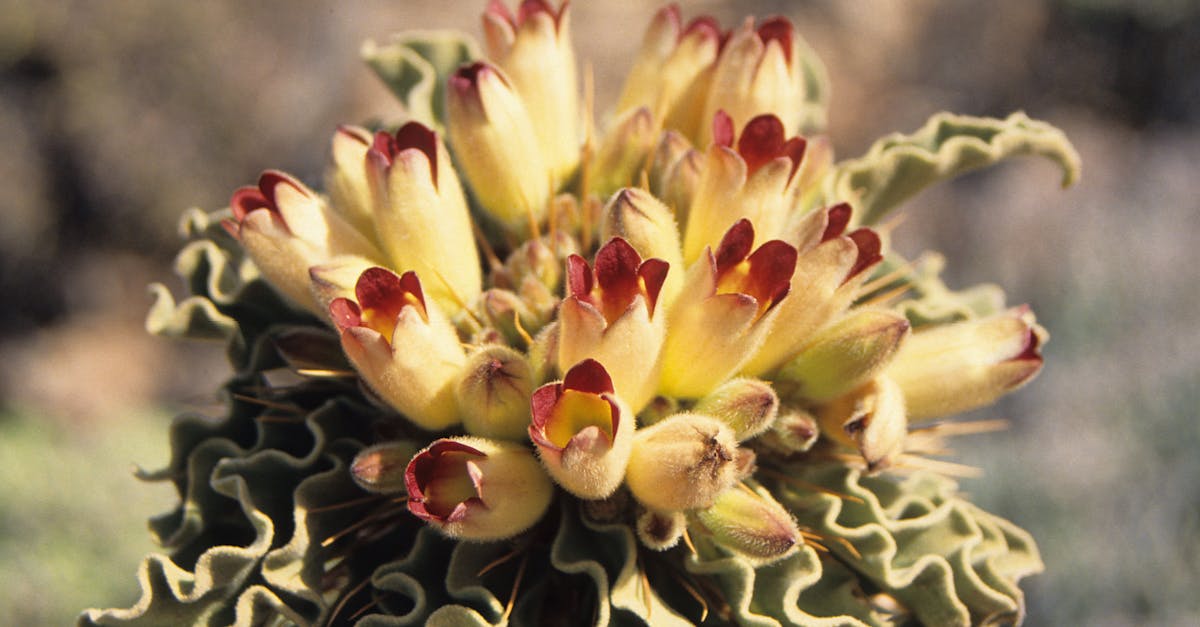
Cistanche tubulosa — a parasitic desert plant long prized in Traditional Chinese Medicine as a jing-tonifying herb — has quietly become one of the most discussed longevity botanicals in functional-medicine circles. Early human and animal research suggests it may support cognitive function, testosterone-related pathways, antioxidant status, and even gut motility. But as with any pharmacologically active compound, the question is never just does it work — it's also what happens when things don't go as planned, and why.
This article takes a thorough, evidence-grounded look at cistanche side effects, who is most likely to experience them, what biological mechanisms drive them, and how a personalized supplement strategy — one calibrated to your own lab results and physiology — can meaningfully reduce your risk.
---
What Is Cistanche and Why Is It Gaining Attention?
Cistanche species (primarily C. tubulosa and C. deserticola) are parasitic plants that attach to host shrubs in desert ecosystems across China, Mongolia, and the Middle East. They contain a distinctive phytochemical profile dominated by phenylethanoid glycosides (PhGs) — particularly echinacoside and acteoside — as well as iridoids, lignans, and polysaccharides.
In preclinical models, cistanche extracts have shown:
- Neuroprotective effects: A study in Evidence-Based Complementary and Alternative Medicine found echinacoside protected dopaminergic neurons from oxidative damage in Parkinson's disease models (Li et al., 2016; PMID: 27413390).
- Testosterone pathway activity: Animal data suggests PhGs may modulate luteinizing hormone signaling, though robust human RCT data on testosterone levels specifically remains limited (NIH ODS; Cistanche Deserticola Monograph, 2020).
- Gut motility support: A small Chinese clinical study found C. deserticola extract significantly reduced constipation symptoms in elderly patients (Zhao et al., Journal of Ethnopharmacology, 2014; PMID: 24468744).
- Cognitive support: A randomized, placebo-controlled trial in healthy adults found 600 mg/day of C. tubulosa extract for 8 weeks improved selective attention and processing speed compared to placebo (Jiang et al., Evidence-Based Complementary and Alternative Medicine, 2014; PMID: 24963315).
These findings have made cistanche increasingly popular in nootropic stacks and longevity protocols. But the same mechanisms that make it biologically active are the same ones that can cause problems in susceptible individuals.
---
Common Cistanche Side Effects: What the Evidence Actually Shows
Clinical trials to date have generally reported cistanche as well-tolerated at doses in the 300–1,000 mg/day range of standardized extract. However, reported and plausible side effects cluster into several categories:
1. Gastrointestinal Disturbance
This is the most frequently self-reported side effect in community discussions and is consistent with cistanche's mechanism as a gut motility enhancer. Loose stools, abdominal cramping, and urgency are more likely in individuals who already have irritable bowel syndrome (IBS) or a hyperactive gut. Starting at a lower dose (150–300 mg) and titrating slowly tends to resolve this in most users.
2. Overstimulation and Sleep Disruption
Cistanche's influence on dopaminergic tone and its mild warming, yang-tonifying properties in TCM tradition may translate into difficulty falling asleep or increased mental activation when taken late in the day. This is more anecdotal than rigorously documented, but mechanistically plausible given its effect on monoamine systems.
3. Hormonal Sensitivity
Because PhGs may modulate androgen-related signaling pathways, individuals with hormone-sensitive conditions — including those with polycystic ovary syndrome (PCOS), estrogen dominance, or prostate concerns — should exercise caution and consult a healthcare provider before use.
4. Blood Pressure Fluctuations
Cistanche has vasodilatory properties documented in preclinical settings. For individuals with already low blood pressure or those taking antihypertensive medications, there is a theoretical interaction risk. This has not been confirmed in large human trials, but it warrants attention.
5. Liver Enzyme Sensitivity
High-dose or long-term use of concentrated plant extracts generally warrants monitoring of liver enzymes. No specific hepatotoxicity has been attributed to cistanche in peer-reviewed literature, but individuals with compromised liver function should be cautious and have baseline labs checked.
| Side Effect | Likely Population | Mitigation Strategy |
|---|---|---|
| Loose stools / GI upset | IBS, sensitive gut | Start low (150 mg), take with food |
| Sleep disruption | Dopamine-sensitive, evening users | Morning dosing only |
| Hormonal shifts | PCOS, prostate issues, hormone therapy | Consult provider; monitor labs |
| Blood pressure changes | Hypotension, antihypertensive users | Monitor BP; avoid stacking with vasodilators |
| Liver enzyme elevation | Pre-existing liver issues | Baseline LFTs; consider liver support |
---
Molybdenum Side Effects and Their Relevance to Herb Detoxification
At first glance, molybdenum — a trace mineral cofactor — may seem tangential to a discussion of cistanche side effects. But from a functional-medicine standpoint, the connection is clinically meaningful.
Molybdenum is an essential cofactor for four mammalian enzymes: sulfite oxidase, xanthine oxidase, aldehyde oxidase, and mitochondrial amidoxime-reducing component (mARC). Of particular relevance here are aldehyde oxidase and sulfite oxidase, both of which are involved in metabolizing plant-derived aldehydes and sulfite compounds that may be liberated during hepatic processing of PhG-rich botanical extracts.
When molybdenum is adequate, these detox enzymes function efficiently. When it is insufficient, metabolic intermediates can accumulate — potentially contributing to headaches, brain fog, or exaggerated sensitivity to botanical compounds like cistanche.
Molybdenum side effects are rare but occur at excessive intakes (above the tolerable upper intake level of 2,000 mcg/day for adults, per NIH ODS). Excessive molybdenum can cause:
- Elevated uric acid levels (gout-like symptoms in genetically susceptible individuals)
- Copper deficiency symptoms over time (competitive antagonism)
- Diarrhea and GI distress at very high doses
The takeaway for cistanche users is nuanced: too little molybdenum may impair your ability to detoxify plant metabolites efficiently; too much creates its own problems. Testing blood molybdenum status — or reviewing serum uric acid and copper levels — before optimizing trace mineral intake is the functional-medicine approach. If you're experiencing unexplained sensitivity to herbal supplements including cistanche, suboptimal molybdenum status is worth investigating.
---
Collagen Benefits and Side Effects in the Context of Cistanche Protocols
Longevity and anti-aging protocols that include cistanche often also incorporate collagen peptides, particularly for joint, skin, and gut-lining support. Since these compounds frequently appear together in supplement stacks, it's worth understanding how collagen benefits and side effects interact with the broader physiological picture.
Collagen peptides (hydrolyzed Type I/III, or Type II for joints) are among the better-studied functional proteins in sports medicine and healthy aging research. A 2019 randomized controlled trial published in Nutrients found that 15 g/day of collagen peptides combined with resistance training significantly improved body composition and muscle strength markers compared to placebo in older men (Zdzieblik et al., Nutrients, 2021; doi.org/10.3390/nu13051637).
Common collagen side effects include:
- GI discomfort: Heaviness, bloating, or nausea, especially with high doses taken on an empty stomach
- Hypercalcemia risk (marine collagen only): Marine sources may concentrate calcium; relevant for individuals with parathyroid disorders
- Histamine reactions: Hydrolyzed collagen is technically a fermented protein product and can trigger histamine responses in individuals with histamine intolerance
- Amino acid imbalance: Very high collagen intake (>30 g/day) is low in tryptophan; this could theoretically affect serotonin synthesis in those already tryptophan-depleted
For cistanche users who are stacking collagen, the histamine angle deserves attention. Both cistanche and collagen can individually contribute to histamine load in sensitive individuals. If you're experiencing flushing, headaches, or sinus congestion after starting either compound, histamine intolerance — not direct toxicity — is the more likely mechanism. Ones includes a proprietary Histamine Support blend in its ingredient catalog precisely because histamine-related supplement sensitivity is underdiagnosed and frequently misattributed to the supplement itself rather than to the user's enzyme capacity (diamine oxidase deficiency being a primary culprit).
---
Who Is Most at Risk for Cistanche Side Effects?
Functional medicine frames risk as context-dependent, not universal. The following profiles carry higher likelihood of cistanche-related side effects:
- Individuals with elevated DHT or androgen sensitivity — PhGs' modulation of androgen pathways may amplify existing hormonal imbalances
- Those with poor sulfation or glucuronidation capacity — genetic SNPs in CYP enzymes (CYP1A2, CYP3A4) reduce efficient processing of botanical compounds
- People with low digestive enzyme output — HCl or pancreatic enzyme insufficiency impairs breakdown of complex polysaccharides in cistanche, increasing fermentation and gas
- Users with thyroid conditions — some adaptogens modulate HPT axis activity; monitor TSH if you have Hashimoto's or are on levothyroxine
- Individuals stacking multiple adaptogens — combining cistanche with ashwagandha, rhodiola, and tongkat ali simultaneously increases the cumulative stimulatory burden on the HPA axis
If you're currently exploring the clinical evidence for ashwagandha or how rhodiola rosea supports cortisol balance, those articles can help you understand how adaptogen stacking interacts with your adrenal load — a critical consideration when adding cistanche.
---
What This Means for Your Formula: How Ones Approaches Cistanche-Related Concerns
Ones was built on the premise that supplement formulas should be calibrated to your biology — not a generic wellness profile. When users report sensitivity to herbal compounds like cistanche, or when their lab results suggest suboptimal detox capacity, Ones' AI health practitioner cross-references multiple biomarkers before recommending any adaptogen.
Here are three specific ingredients in the Ones catalog that are clinically relevant to the cistanche side effect picture:
1. Liver Support (Proprietary System Blend)
Ones' Liver Support blend is designed to upregulate hepatic detoxification pathways — Phase I and Phase II — which are responsible for metabolizing the PhGs in cistanche. For users whose ALT or AST trends high, or who have a history of medication sensitivity, prioritizing liver support before adding potent botanicals is standard functional-medicine practice.
2. Adrenal Support (Proprietary System Blend)
Cistanche's stimulatory effect on HPA axis activity makes adrenal context critical. Ones' Adrenal Support blend is calibrated to support cortisol regulation and adrenal resilience. This is especially relevant for users who experience overstimulation or sleep disruption — two of the most reported cistanche side effects — as these often signal adrenal dysregulation rather than direct herb toxicity.
3. Magnesium Glycinate (300–400 mg)
Magnesium is a cofactor in over 300 enzymatic reactions, including those involved in detoxification, neurotransmitter synthesis, and sleep regulation. A 2012 randomized trial in the Journal of Research in Medical Sciences found magnesium supplementation significantly improved insomnia scores and sleep efficiency in elderly participants (Abbasi et al., JRMS, 2012; PMID: 23853635). For cistanche users experiencing sleep disruption, optimal magnesium glycinate dosage is one of the highest-yield interventions available. Ones includes magnesium glycinate in clinically relevant doses, personalized to your capsule plan (6, 9, or 12 capsules).
By analyzing blood work, wearable data, and health history together, Ones builds a formula that accounts for the why behind your sensitivity — not just the symptom itself.
---
Practical Dosing Protocol to Minimize Cistanche Side Effects
If you're introducing cistanche to your regimen, the following stepwise approach reflects functional-medicine best practice:
- Establish baseline labs first: Liver enzymes (ALT, AST, GGT), testosterone panel (total T, free T, SHBG, DHT), and basic metabolic panel
- Start low: 150–300 mg of a standardized extract (≥15% PhGs by echinacoside) taken with breakfast
- Assess for 2 weeks: Track sleep quality, digestion, energy, and mood before increasing dose
- Titrate to 600 mg if well-tolerated — this aligns with the dose used in the Jiang et al. 2014 cognition RCT
- Cycle appropriately: Consider 5 days on, 2 days off to prevent receptor downregulation
- Re-test liver enzymes at 8–12 weeks if using daily at higher doses
- Consult a healthcare provider before use if you have hormone-sensitive conditions, are on medications, or have known liver impairment
---
Key Takeaways
- Cistanche side effects are real but manageable: GI upset, sleep disruption, hormonal sensitivity, and blood pressure fluctuations are the most commonly reported — all can be mitigated with proper dosing and timing
- Detox capacity matters: Suboptimal molybdenum status or impaired Phase I/II liver detoxification can amplify sensitivity to cistanche's phenylethanoid glycosides; lab testing helps identify this before problems start
- Histamine sensitivity can masquerade as herb intolerance: Both cistanche and collagen peptides can contribute to histamine load; if you're stacking both, histamine support is worth considering
- Context determines risk: Individuals with hormonal imbalances, thyroid conditions, adrenal dysregulation, or polypharmacy are at higher risk and should proceed with medical supervision
- A personalized formula beats a generic stack: Ones' AI-driven approach cross-references your biomarkers with its catalog of ~70 clinically validated ingredients — including Liver Support, Adrenal Support, and Magnesium Glycinate — to build a formula calibrated to your specific risk profile
- Always consult a healthcare provider before introducing cistanche if you have pre-existing conditions, are pregnant or nursing, or are taking prescription medications