Supplements
Daily Supplements for Athletes: Bioavailability, Stack Synergies, and Lab-Backed Dosing
Push your body hard enough and the demand on your endocrine, mitochondrial, and musculoskeletal systems climbs well beyond what a standard one-a-day pill covers. Elite and recreational athletes alike show measurable depletions in key nutrients after sustained training — and those gaps show up as slower recovery, suppressed testosterone, disturbed sleep, and plateaued performance. This guide unpacks the clinical evidence behind daily supplements for athletes, covering hormone precursors, adaptogens, mitochondrial cofactors, and how to layer them effectively.
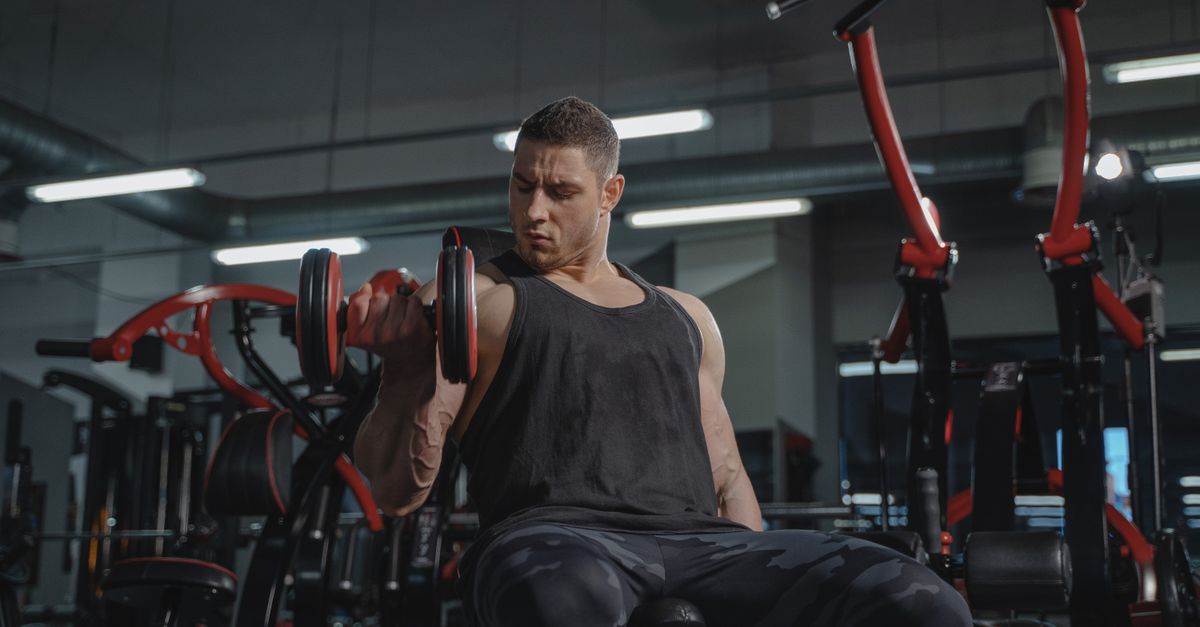
Why Athletes Need More Than a Generic Multivitamin
Push your body hard enough and the demand on your endocrine, mitochondrial, and musculoskeletal systems climbs well beyond what a standard one-a-day pill covers. Elite and recreational athletes alike show measurable depletions in zinc, magnesium, vitamin D, and CoQ10 after sustained training — and those gaps show up as slower recovery, suppressed testosterone, disturbed sleep, and plateaued performance (Lukaski, Nutrition 2004; PMID: 15212745).
The challenge is that most over-the-counter formulas are built for a sedentary 155-pound adult, not someone running 40 miles a week or logging three resistance sessions. Dose matters, form matters, and the synergistic relationship between ingredients matters even more. This guide unpacks the clinical evidence behind the best daily supplements for athletes — covering hormone precursors, adaptogens, mitochondrial cofactors, and how to layer them effectively.
---
How Bioavailability Changes Everything for Active Adults
Bioavailability — the fraction of an ingested nutrient that actually reaches circulation — is the single most important variable most athletes ignore. Magnesium oxide, for instance, has a bioavailability of roughly 4%, compared to 40–50% for magnesium glycinate (Coudray et al., Magnesium Research 2005; PMID: 16548135). The same nutrient at the same dose on the label can produce wildly different physiological effects based purely on form.
For athletes specifically, a few bioavailability principles are worth memorizing:
- Fat-soluble vitamins (D3, K2, CoQ10) absorb dramatically better when taken with a meal containing dietary fat.
- Amino-acid chelated minerals (magnesium glycinate, zinc bisglycinate) bypass intestinal competition pathways that block oxide and carbonate forms.
- Standardized botanical extracts (KSM-66 ashwagandha, Rhodiola rosea) require specified withanolide or salidroside content to replicate trial results — raw herb powders rarely hit that threshold.
- Omega-3 EPA/DHA in triglyceride form shows roughly 70% greater absorption than ethyl ester concentrates (Dyerberg et al., Prostaglandins, Leukotrienes and Essential Fatty Acids 2010; PMID: 20638827).
This is why a personalized approach — one that chooses the right form and dose for your physiology rather than a population average — outperforms even the most thoughtfully curated generic stack.
The Stacking Hierarchy
Before diving into individual ingredients, it helps to think in tiers:
- Foundation layer — nutrients athletes deplete fastest: magnesium, zinc, vitamin D3 + K2, omega-3 EPA/DHA.
- Hormone precursor layer — compounds that feed endocrine output: DHEA, pregnenolone.
- Adaptogen layer — stress-response modulators: KSM-66 ashwagandha, Rhodiola rosea.
- Mitochondrial layer — energy substrate support: CoQ10/ubiquinol, B-complex, alpha-lipoic acid.
Most athletes supplement haphazardly within a single tier while ignoring others. A runner who takes zinc and magnesium but neglects their cratering DHEA-to-cortisol ratio will still hit a recovery ceiling. The goal is to address all four tiers — at clinical doses, in bioavailable forms — calibrated to your actual blood markers.
---
Best Supplements for DHEA: The Adrenal-Athlete Connection
DHEA (dehydroepiandrosterone) is the most abundant circulating steroid hormone in the body and serves as the upstream precursor to both testosterone and estrogen. Intense training chronically elevates cortisol, which competes with DHEA synthesis in the adrenal cortex — a phenomenon sometimes called the cortisol-DHEA seesaw. When cortisol stays persistently elevated through overtraining or inadequate recovery, serum DHEA-S (the sulfated storage form measured on blood panels) drops measurably.
A randomized controlled trial in older men and women found that 50 mg/day of oral DHEA for 6 months significantly increased IGF-1, improved fat-free mass, and enhanced physical performance markers compared to placebo (Villareal and Holloszy, Journal of Clinical Endocrinology & Metabolism 2004; PMID: 15472231). Among athletes specifically, low DHEA-S is correlated with overtraining syndrome and slower return to baseline performance.
Important nuance: DHEA supplementation is not blanket-appropriate. Because DHEA converts downstream into androgens and estrogens, the clinical picture depends on your sex, age, baseline hormone panel, and DHEA-S serum level. Men under 35 with normal DHEA-S rarely benefit and may suppress endogenous synthesis. Women with androgen-sensitive conditions require physician oversight. Blood work first — supplementation second. For a deeper look at the safety profile, the DHEA safety and bioavailability guide covers trial data and contraindications in detail.
| DHEA Form | Typical Dose Range | Conversion Efficiency | Best Candidate |
|---|---|---|---|
| Micronized oral | 25–50 mg/day | Moderate | Adults 40+ with confirmed low DHEA-S |
| Sublingual | 10–25 mg/day | Higher (bypasses first-pass) | Sensitive individuals needing lower systemic dose |
| Topical cream | 10–50 mg/day | Variable | Individuals with GI sensitivity |
---
Supplements to Increase Pregnenolone: The Master Precursor
If DHEA is the upstream hormone, pregnenolone sits one step higher. Synthesized from cholesterol in the mitochondria via the StAR (steroidogenic acute regulatory) protein and CYP11A1 enzyme, pregnenolone is the biochemical origin of every steroid hormone in the body — including cortisol, DHEA, progesterone, testosterone, and estradiol. Dubbed the "master precursor," pregnenolone levels peak in the mid-20s and decline roughly 60% by age 75 (Baulieu et al., Proceedings of the National Academy of Sciences 2000; PMID: 11058131).
For athletes, the relevance is threefold:
- Neurosteroid function — pregnenolone is a positive allosteric modulator of NMDA receptors and influences acetylcholine signaling, affecting reaction time and cognitive sharpness under fatigue.
- Anabolic precursor supply — low pregnenolone can create a bottleneck that limits testosterone synthesis even when LH signaling is adequate.
- Stress resilience — because pregnenolone feeds both the cortisol and DHEA pathways, adequate levels help the adrenal glands respond to acute stress without depleting one pathway at the expense of the other.
Direct pregnenolone supplementation is typically dosed at 10–50 mg/day in clinical settings. However, indirect approaches — ensuring mitochondrial health so the CYP11A1 enzyme operates efficiently — are equally important. Specific nutrients that support pregnenolone synthesis include:
- Vitamin D3: VDR (vitamin D receptor) signaling upregulates StAR protein expression, the rate-limiting step in mitochondrial cholesterol transport (Slominski et al., FASEB Journal 2014; PMID: 24347610).
- Phosphatidylserine: supports adrenocortical membrane integrity needed for optimal steroidogenesis.
- Zinc: a cofactor for the CYP enzyme family involved in steroid hydroxylation.
Note that direct pregnenolone supplements carry similar caveats to DHEA — conversion is unpredictable and sex-specific, and supplementation without a baseline panel is guesswork at best.
---
Best Supplements for Oxytocin: Recovery, Bonding, and the Social Athlete
Oxytocin is less discussed in performance circles but increasingly recognized as a regulator of muscle satellite cell activation and post-exercise tissue repair. A 2019 study published in Nature Communications reported that oxytocin signaling declines with age and that restoring oxytocin levels in aged mice rejuvenated muscle repair capacity — partly through muscle stem cell proliferation (Elabd et al., Nature Communications 2014; PMID: 25088745). While direct supplemental oxytocin (nasal spray) is a prescription item in the US, several nutritional strategies meaningfully support endogenous oxytocin release:
- Magnesium glycinate: magnesium potentiates oxytocin receptor sensitivity; athletes commonly run magnesium deficient, blunting this pathway.
- Vitamin D3: serum 25(OH)D correlates positively with oxytocin levels in observational data.
- Physical warmth and connection: not a capsule, but cold-water immersion followed by social recovery (sauna, team environments) demonstrably raises oxytocin — a practical adjunct.
- Ashwagandha (KSM-66): cortisol suppression indirectly enables higher oxytocin tone; chronically elevated cortisol inhibits oxytocin neurons in the hypothalamus.
For athletes focused on recovery, the oxytocin angle reinforces what the physiological data increasingly shows: stress modulation and endocrine balance are inseparable from performance outcomes.
---
Adaptogens and Mitochondrial Support: Closing the Loop
Rhodiola Rosea for Endurance and Mental Fatigue
Rhodiola rosea (standardized to 3% rosavins, 1% salidroside) consistently outperforms placebo in endurance performance trials. A double-blind crossover trial in 24 physically active men found that acute Rhodiola supplementation (200 mg, 1 hour pre-exercise) significantly increased time-to-exhaustion and reduced perceived exertion during endurance cycling (De Bock et al., International Journal of Sport Nutrition and Exercise Metabolism 2004; PMID: 15256690). Chronic dosing (400 mg/day for 4 weeks) showed additional benefits in mental fatigue and reaction time — critical for sport requiring decision-making under physical stress.
CoQ10/Ubiquinol for Mitochondrial Efficiency
CoQ10 functions as an electron carrier in the mitochondrial respiratory chain (complexes I–III) and is a potent lipid-phase antioxidant. Statin use and sustained aerobic exercise both deplete tissue CoQ10. Ubiquinol (the reduced, active form) shows superior plasma bioavailability compared to ubiquinone — particularly important in athletes over 40 whose conversion efficiency declines. A 2008 trial found 300 mg/day ubiquinol over 8 weeks significantly increased CoQ10 plasma levels and physical performance in trained individuals compared to ubiquinone at the same dose (Hosoe et al., Regulatory Toxicology and Pharmacology 2007; PMID: 17543411).
Omega-3 EPA/DHA for Inflammation and Muscle Protein Synthesis
Post-exercise inflammation is necessary for adaptation but becomes counterproductive when unresolved. EPA and DHA are substrates for specialized pro-resolving mediators (resolvins, protectins) that actively terminate the inflammatory cascade. Meta-analyses show omega-3 supplementation reduces delayed-onset muscle soreness (DOMS) markers and attenuates exercise-induced creatine kinase elevations. Beyond inflammation, DHA specifically appears to enhance the muscle protein synthesis response to leucine — an anabolic synergy demonstrated in a mechanistic trial at Washington University (Smith et al., Clinical Science 2011; PMID: 20979563). The practical dose for athletes is 2–4 g combined EPA/DHA daily, in triglyceride form, taken with a fat-containing meal.
---
Supplement Timing Protocol for Athletes
Even the right ingredients at clinical doses underperform if timing conflicts with physiology:
- Morning with breakfast: Vitamin D3 + K2 (MK-7), omega-3 EPA/DHA, CoQ10/ubiquinol, zinc (away from calcium sources).
- Pre-workout (60–90 min before): Rhodiola rosea (200–400 mg), ashwagandha if used acutely for cortisol blunting.
- Post-workout: Magnesium glycinate (300–400 mg elemental) supports muscle relaxation and DOMS reduction; consider protein + leucine here to leverage the omega-3 / muscle protein synthesis synergy.
- Evening: Magnesium glycinate (split dose or full dose) supports sleep quality and nocturnal GH secretion; DHEA if used (some practitioners prefer AM dosing to mirror natural diurnal peak — follow your physician's guidance).
- With meals containing fat: All fat-solubles — D3, K2, CoQ10, omega-3.
For athletes tracking what supplements affect cholesterol ratio, omega-3 and CoQ10 both have documented lipid effects worth monitoring on periodic panels. Similarly, athletes reviewing their lipid panels should understand how long it takes to lower LDL particle number so they can set realistic expectations from dietary and supplement changes.
---
What This Means for Your Formula
Ones uses AI analysis of your blood work, wearable data, and health history to build a daily capsule formula calibrated to your specific gaps — not a population average. For athletes, the formulas most commonly implicated include:
- Rhodiola Rosea at a standardized extract dose targeting the 3% rosavin / 1% salidroside specification — matching the preparation used in the De Bock endurance trial — for athletes showing HRV suppression or elevated perceived exertion on wearable data.
- Omega-3 EPA/DHA in triglyceride form at a dose calibrated to baseline erythrocyte omega-3 index; the target is an omega-3 index above 8%, which correlates with reduced cardiovascular event risk and better muscle protein synthesis response.
- Ones' Adrenal Support blend — a proprietary System Support — for athletes whose cortisol-to-DHEA ratio flags in the overtraining range, addressing both sides of the adrenal axis rather than supplementing DHEA or cortisol-modulators in isolation.
Athletes wondering about the interplay between their lipid panel and training load may also find it useful to read the supplements for cholesterol guide, since sustained aerobic exercise can shift HDL, triglycerides, and LDL particle size in ways that warrant periodic re-evaluation of any supplement protocol. Ones re-analyzes your data each order cycle, so the formula evolves as your markers do.
---
Key Takeaways
- Form determines function: bioavailable forms (magnesium glycinate, triglyceride-form omega-3, ubiquinol, KSM-66) are non-negotiable for athletes — label dose means nothing if absorption is poor.
- The cortisol-DHEA seesaw is real: sustained training chronically suppresses DHEA-S; if your DHEA-S panel is low and cortisol is elevated, targeted support — confirmed by labs — can meaningfully accelerate recovery.
- Pregnenolone is the upstream bottleneck: vitamin D3, zinc, and mitochondrial support (CoQ10) all feed pregnenolone synthesis; addressing the cofactors is often more appropriate than direct supplementation.
- Oxytocin and recovery are linked: magnesium repletion, stress reduction, and cortisol modulation via adaptogens all support oxytocin tone — a mechanism that directly affects muscle satellite cell activity.
- Timing is a force multiplier: the same capsule taken at the wrong time relative to training, meals, or sleep can reduce efficacy by 30–70% for fat-soluble nutrients.
- Personalization beats any generic stack: athletes have unique depletion patterns based on training load, diet, genetics, and sleep — a formula built from your own data will always outperform a shelf product built for no one in particular.