Supplements
Does Probiotic Supplementation Help with Postpartum Recovery?
Postpartum recovery involves far more than sleep deprivation and feeding schedules — your gut microbiome takes a significant hit during and after delivery, affecting mood, immunity, and even breast milk composition. The right probiotic strains, dosed correctly, have real clinical data behind them. Generic blends often don't.
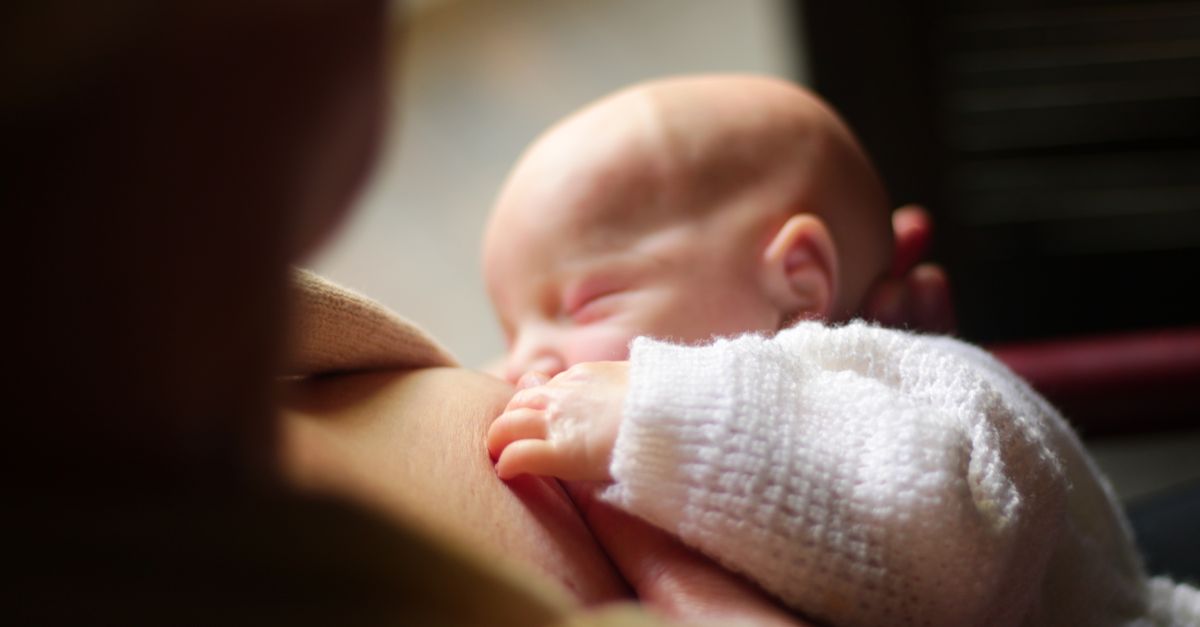
Does Probiotic Supplementation Help with Postpartum Recovery?
Yes, for most postpartum women, targeted probiotic strains offer meaningful benefits — particularly for mood, gut motility, and immune regulation. The main caveat is that the effect is strain-specific: generic blends with low colony-forming unit (CFU) counts rarely replicate the results seen in clinical trials. Women recovering from cesarean delivery or those with documented gut dysbiosis tend to see the largest gains.
---
What Happens to Your Gut Microbiome After Delivery?
Childbirth — regardless of delivery mode — triggers a measurable shift in the maternal gut microbiome. A 2019 cohort study published in Cell Host & Microbe found that microbial diversity drops significantly in the third trimester and does not fully restore until roughly six months postpartum, with cesarean-delivered mothers showing the steepest decline in Bifidobacterium and Lactobacillus species (Codagnone et al., Cell Host & Microbe 2019; PMID: 31757769).
This dysbiosis matters for several downstream reasons:
- Intestinal permeability increases, raising systemic inflammation markers such as CRP and IL-6.
- Serotonin production — roughly 90% of which originates in the gut — is disrupted, contributing to mood instability.
- Immune tolerance is compromised, which can worsen histamine reactivity and autoimmune flares that sometimes emerge in the months after delivery.
- Breast milk microbiota shifts, influencing which bacteria a nursing infant receives during the first weeks of life.
Understanding this cascade explains why a blanket approach of taking any probiotic off the shelf rarely moves the needle. Strain selection and CFU dose need to match the specific deficit.
The Cesarean vs. Vaginal Delivery Divide
The delivery method creates meaningfully different microbiome starting points. Vaginal delivery exposes the infant and temporarily enriches the maternal perineal microbiome, while cesarean delivery is associated with a prolonged reduction in maternal gut Bifidobacterium longum and elevated Clostridiales species. A 2021 analysis in Nature Medicine tracked 596 mother–infant dyads and confirmed that cesarean-born infants had gut microbiomes resembling skin flora rather than vaginal flora through at least twelve months of age, with corresponding differences in maternal gut composition during breastfeeding (Shao et al., Nature Medicine 2019; PMID: 31133738). For postpartum women who delivered via cesarean, restoring Bifidobacterium populations is therefore a more targeted and urgent priority than it is for vaginal-delivery mothers.
---
The Gut-Brain Axis: Why Probiotics Can Affect Postpartum Mood
Postpartum depression affects approximately 10–15% of new mothers globally, and emerging evidence links gut dysbiosis directly to its pathophysiology. The mechanism runs through at least three pathways:
- Tryptophan metabolism: Certain gut bacteria — particularly Lactobacillus rhamnosus and Bifidobacterium longum — regulate how dietary tryptophan is shunted toward serotonin synthesis versus the kynurenine pathway. Inflammatory dysbiosis tilts this balance toward kynurenine, which produces neuroactive metabolites associated with depression and anxiety.
- GABA signaling: Lactobacillus rhamnosus JB-1 has been shown in animal models to upregulate GABA-A receptor expression in the cortex and hippocampus, reducing anxiety-like behavior. In a human proof-of-concept trial, a related strain reduced cortisol awakening response and self-reported psychological distress over four weeks (Bravo et al., PNAS 2011; PMID: 21876150).
- Vagal nerve signaling: The gut–vagus–brain loop transmits microbial metabolites and immune signals bidirectionally. Restoration of a healthy mucosal barrier reduces the neuro-inflammatory signaling that contributes to postpartum mood symptoms.
A double-blind RCT published in EBioMedicine (Slykerman et al., 2017; PMID: 28943228) followed 423 women who received either Lactobacillus rhamnosus HN001 or placebo from early pregnancy through six months postpartum. Women in the probiotic group scored significantly lower on the Edinburgh Postnatal Depression Scale (EPDS) at six months — a clinically meaningful reduction that was especially pronounced in women who had a history of depression or anxiety. The dose used was 6 × 10⁹ CFU per day, a figure worth noting given that most grocery-store probiotic bottles contain far lower active counts by the time they reach the consumer.
This doesn't mean probiotics are a substitute for professional mental health care — if you're experiencing persistent low mood, anxiety, or intrusive thoughts after delivery, talk to your healthcare provider. But the mechanistic case for probiotic support as an adjunct is growing stronger. For broader context on how gut health influences recovery, the gut health guide on microbiome and digestion covers the underlying science in depth.
---
Probiotics and Postpartum Immune Function
The postpartum immune system is in a state of recalibration. During pregnancy, immune tolerance is deliberately suppressed to protect the fetus; after delivery, the immune system swings back toward an inflammatory baseline. This rebound can trigger or worsen autoimmune conditions — postpartum thyroiditis, for example, affects approximately 5–7% of postpartum women and is driven by this immune shift.
Probiotic supplementation appears to modulate this rebound in two key ways:
- Regulatory T-cell induction: Strains like Bifidobacterium infantis 35624 have been shown to increase circulating regulatory T-cells (Tregs) and reduce pro-inflammatory cytokines IL-6 and TNF-α in clinical populations (Groeger et al., Gut 2013; PMID: 22525953). Tregs are the primary brake on autoimmune overactivation.
- Secretory IgA production: Probiotics that colonize the small intestinal mucosa support secretory IgA output, which forms the first line of defense against pathogens and prevents inappropriate inflammatory activation from food antigens.
For postpartum women dealing with histamine reactivity — a common complaint tied to mast cell activation and elevated estrogen fluctuations — certain probiotic strains also matter. Lactobacillus plantarum and Bifidobacterium longum have demonstrated histamine-degrading activity, while Lactobacillus casei and Lactobacillus bulgaricus are known histamine producers and should be avoided in histamine-sensitive individuals. This is one area where strain specificity isn't just about efficacy — it's about avoiding a flare.
---
Breast Milk Microbiome and Infant Transfer
One underappreciated benefit of postpartum probiotic use is the effect on breast milk microbiota. Human breast milk is not sterile — it contains between 10² and 10³ bacteria per milliliter, which serve as the infant's primary microbial inoculum alongside vaginal and skin flora during delivery.
A randomized trial published in Nutrients found that mothers who supplemented with Lactobacillus fermentum CECT5716 from delivery through 16 weeks had significantly higher concentrations of beneficial bacteria in expressed breast milk and a 51% reduction in infectious mastitis episodes compared to placebo (Fernández et al., Nutrients 2016; PMID: 27043570). Mastitis is one of the most common reasons women discontinue breastfeeding early — so this downstream benefit is clinically significant even for women whose primary goal isn't microbiome restoration.
For women exploring the full landscape of postpartum nutritional support, it's worth noting that omega-3 fatty acids also play a complementary role in postpartum recovery — particularly EPA and DHA for mood and inflammation — and magnesium supports postpartum sleep quality and nervous system recovery.
---
Which Probiotic Strains Have the Strongest Postpartum Evidence?
| Strain | Primary Benefit | Clinical Dose | Key Study |
|---|---|---|---|
| *Lactobacillus rhamnosus* HN001 | Postpartum depression & anxiety | 6 × 10⁹ CFU/day | Slykerman et al., 2017 (PMID: 28943228) |
| *Bifidobacterium longum* 1714 | Stress & cortisol regulation | 1 × 10⁹ CFU/day | Allen et al., *Translational Psychiatry* 2016 |
| *Lactobacillus fermentum* CECT5716 | Mastitis prevention, milk microbiome | 1 × 10⁹ CFU/day | Fernández et al., 2016 (PMID: 27043570) |
| *Bifidobacterium infantis* 35624 | Immune regulation, Treg induction | 1 × 10⁸ CFU/day | Groeger et al., 2013 (PMID: 22525953) |
| *Lactobacillus plantarum* | Histamine degradation, gut barrier | 10⁹–10¹⁰ CFU/day | Multiple in vitro and pilot studies |
A critical practical point: CFU counts on the label reflect what's present at the time of manufacturing, not at the time of consumption. Temperature, moisture, and shelf time degrade live cultures substantially. Look for products with CFU counts guaranteed at expiration, not at manufacture — and refrigerated storage is strongly preferred for any multi-strain formula.
---
Does Calcium Work Alongside Probiotics in Postpartum Recovery?
Calcium is often discussed separately from gut health, but there is a genuine intersection. Postpartum women lose significant bone density during breastfeeding — approximately 3–5% in the lumbar spine during six months of exclusive nursing — and calcium absorption is directly regulated by gut mucosal health and the vitamin D–calcium axis. Dysbiosis impairs brush-border enzyme activity and reduces uptake of both calcium and magnesium from the small intestine.
Probiotic supplementation that restores Lactobacillus acidophilus populations has been shown to increase calcium absorption by improving intestinal pH and bile salt metabolism. For postpartum women already concerned about bone density — a concern explored in the context of perimenopause and calcium supplementation here — this gut-mediated calcium absorption effect represents another indirect benefit of probiotic use during the recovery period. Restoring mucosal integrity means the nutrients you're taking actually get absorbed.
---
Who Is the Exception? When Probiotics May Not Help Postpartum
Probiotics are not universally appropriate. Specific populations should exercise caution or consult a physician before starting:
- Women who are immunocompromised (e.g., on corticosteroids or biologics for autoimmune conditions) face a small but real risk of bacterial translocation and septicemia from live cultures.
- Women with SIBO (small intestinal bacterial overgrowth): Introducing more live bacteria into an already-overpopulated small intestine can worsen bloating, pain, and motility issues. If your dominant postpartum GI symptom is upper abdominal distension and early satiety, rule out SIBO before starting a high-dose probiotic.
- Women with a history of histamine intolerance: As noted above, several common strains are net histamine producers. Symptom monitoring in the first two weeks of any probiotic protocol is important.
- Women on certain antibiotics postpartum: If you received antibiotics during labor or a postpartum course for mastitis or wound infection, timing matters. Starting probiotics within 24–48 hours of antibiotic completion (rather than concurrently) allows for better initial colonization.
For women dealing with complex postpartum recovery — particularly those managing multiple symptoms simultaneously and feeling overwhelmed by fragmented supplement advice — personalized supplement approaches offer a more systematic way to prioritize what actually matters for your specific physiology.
---
What This Means for Your Formula
Ones doesn't currently stock a standalone probiotic SKU, but the platform's approach directly complements a probiotic protocol. When Ones analyzes your lab work and health history postpartum, it identifies the downstream effects of gut dysbiosis — elevated inflammatory markers, low vitamin D, disrupted cortisol patterns — and builds a formula to address those upstream drivers.
Specifically relevant for postpartum women:
- Omega-3 (EPA/DHA): Ones includes pharmaceutical-grade Omega-3 dosed to clinical ranges. EPA in particular reduces the pro-inflammatory cytokine load (IL-6, TNF-α) that gut dysbiosis amplifies postpartum, and EPA has independent data supporting postpartum mood stabilization.
- Magnesium Glycinate: Ones' Magnesium Complex includes glycinate, the form with the highest bioavailability and the least laxative effect — relevant because magnesium absorption is directly impaired by the gut permeability issues that probiotics are working to resolve. Restoring magnesium status supports sleep architecture, which is already under pressure in the early postpartum period.
- Liver Support (System Blend): Estrogen clearance after delivery depends heavily on hepatic glucuronidation and gut microbiome beta-glucuronidase activity. When the gut microbiome is disrupted, estrogen is recirculated rather than excreted, contributing to the mood volatility and fatigue that characterize the first postpartum months. Ones' Liver Support blend addresses this axis directly, complementing whatever probiotic protocol you establish independently.
Think of probiotics as the foundation — they restore the environment — and targeted, data-driven supplementation as the structure built on top of it.
---
Key Takeaways
- Strain specificity is everything. L. rhamnosus HN001 at 6 × 10⁹ CFU/day has the strongest postpartum mood data; B. infantis 35624 leads on immune modulation. Generic blends are unlikely to replicate trial outcomes.
- Cesarean-delivered mothers need more targeted Bifidobacterium replenishment due to a steeper and more prolonged microbiome disruption compared to vaginal delivery.
- The gut-brain connection is real and mechanistic — not just theoretical. Serotonin precursor availability, GABA receptor expression, and neuro-inflammatory signaling all run through gut microbial activity.
- Histamine-sensitive women should avoid L. casei and L. bulgaricus strains, which are net histamine producers and can worsen mast cell symptoms common in the postpartum period.
- Probiotics improve nutrient absorption indirectly — restoring mucosal integrity means calcium, magnesium, and omega-3s are better absorbed, amplifying the benefit of any other supplementation you're doing.
- Talk to your healthcare provider before starting any new supplement regimen, especially if you are immunocompromised, on antibiotics, or managing a diagnosed autoimmune condition postpartum.