Supplements
What Causes High Ceruloplasmin?
Ceruloplasmin rarely makes headlines, yet a single elevated result on a metabolic panel can point to systemic inflammation, copper dysregulation, or early liver disease. Understanding what drives this acute-phase protein higher — and when it's benign versus concerning — can reshape how you approach your supplement and lifestyle protocol.
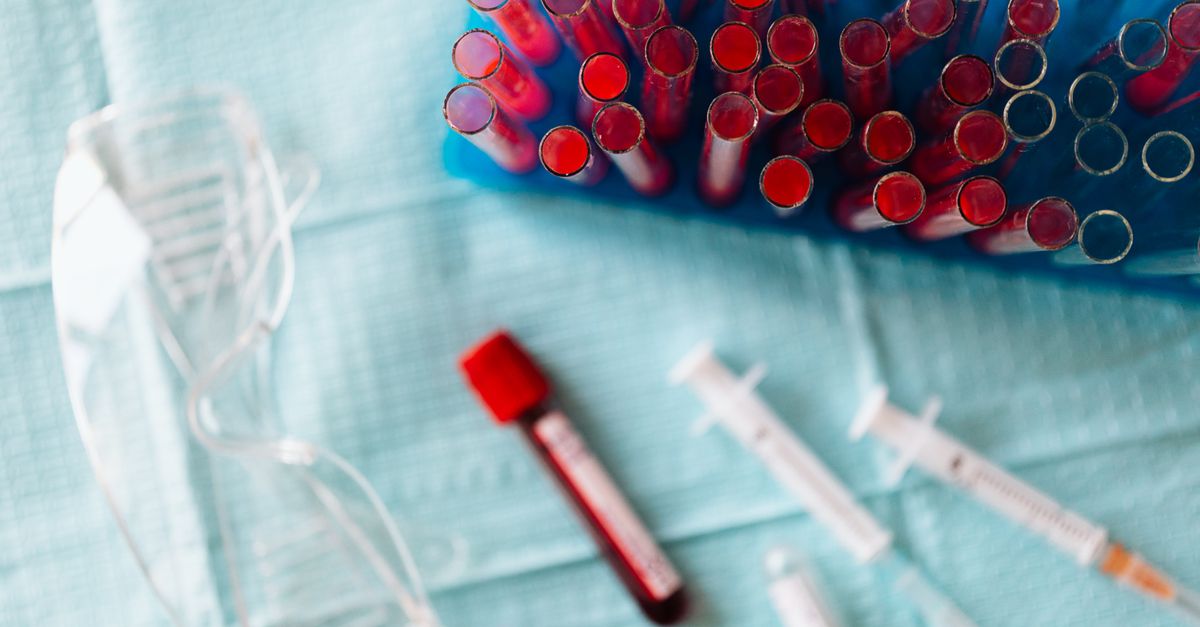
What Causes High Ceruloplasmin?
High ceruloplasmin is most often a sign of acute or chronic inflammation, because it is a positive acute-phase reactant produced by the liver in response to inflammatory signals such as IL-6 and TNF-alpha. Elevated levels can also reflect excess estrogen (including oral contraceptive use), copper overload, pregnancy, or early liver disease. The main caveat: a mildly elevated result in someone with an active infection or recent injury is usually transient and expected. The exception is persistently high ceruloplasmin in the absence of an obvious trigger — that warrants deeper investigation into copper metabolism and inflammatory burden.
---
What Is Ceruloplasmin and Why Does It Matter?
Ceruloplasmin is a copper-carrying glycoprotein synthesized almost exclusively by hepatocytes (liver cells). It transports roughly 70–95% of total serum copper and also functions as a ferroxidase — an enzyme that oxidizes ferrous iron (Fe²⁺) to ferric iron (Fe³⁺), enabling iron to bind transferrin and leave tissues safely. Without adequate ceruloplasmin activity, iron accumulates in organs even when total serum iron looks normal.
Reference ranges for ceruloplasmin generally sit between 20–60 mg/dL in adults, though labs vary slightly. Values above 60 mg/dL are typically flagged as elevated. Because the protein rises with inflammation, clinicians often pair ceruloplasmin with C-reactive protein (CRP), serum copper, and a 24-hour urine copper test to distinguish true copper overload from an inflammatory artifact.
If you're also seeing elevated hs-CRP on your panel, pairing that result with ceruloplasmin gives a clearer picture of your overall inflammatory load.
---
The Most Common Causes of High Ceruloplasmin
1. Systemic Inflammation
The liver upregulates ceruloplasmin synthesis when pro-inflammatory cytokines — particularly interleukin-6 (IL-6) — signal an immune response. This is the same pathway that elevates fibrinogen, ferritin, and CRP. Studies show ceruloplasmin can rise 50% or more above baseline within 24–48 hours of infection, surgery, or significant tissue injury (Gitlin 1988; PMID: 3063535).
Chronic low-grade inflammation from obesity, autoimmune disease, or metabolic syndrome sustains this elevation over time, making persistently high ceruloplasmin a useful, underappreciated chronic inflammation marker.
2. Estrogen and Oral Contraceptives
Estrogen directly stimulates hepatic ceruloplasmin synthesis. Women on combined oral contraceptives or undergoing estrogen replacement therapy frequently show ceruloplasmin values 30–50% higher than cycling women not on hormonal treatment (Palan et al., Obstetrics & Gynecology 1990). Pregnancy — particularly the third trimester — can push ceruloplasmin to twice the normal upper limit due to placental estrogen production. This is physiologically normal and resolves postpartum.
3. Copper Overload or Supplementation
Copper is a cofactor required for ceruloplasmin assembly. When dietary or supplemental copper intake is high, the liver responds by increasing ceruloplasmin output. Excess copper can accumulate in the liver, brain, and kidneys — a pattern seen in Wilson's disease (where ceruloplasmin is paradoxically low because the protein is structurally defective) but also with chronic overconsumption of copper-rich foods or multivitamins containing copper.
4. Liver Disease and Biliary Dysfunction
Ceruloplasmin production is a liver-dependent process. In acute hepatitis, alcoholic liver disease, or primary biliary cholangitis, an initial inflammatory spike in ceruloplasmin can precede the eventual decline seen in end-stage hepatic failure. A rising ceruloplasmin in someone with known liver pathology may therefore represent early-stage inflammation, not necessarily copper overload.
5. Rheumatoid Arthritis and Other Autoimmune Conditions
Autoimmune diseases involving persistent cytokine activation — rheumatoid arthritis (RA), systemic lupus erythematosus (SLE), and inflammatory bowel disease — are well-documented drivers of elevated ceruloplasmin. A 2014 study found ceruloplasmin significantly elevated in active RA patients compared to controls, correlating with ESR and CRP (Kontoghiorghe et al., World Journal of Methodology 2014).
6. Hypothyroidism
Thyroid hormones modulate hepatic protein synthesis rates. In hypothyroidism, reduced T3 activity slows copper clearance pathways, potentially elevating both serum copper and ceruloplasmin. If your thyroid panel is also flagged, understanding what drives high thyroid antibodies can illuminate whether autoimmune thyroid disease is contributing to your ceruloplasmin elevation.
---
Symptoms Associated with High Ceruloplasmin
Ceruloplasmin itself rarely causes symptoms — it is a downstream signal. The symptoms you experience depend on what is driving the elevation:
- Inflammation-driven elevation: fatigue, joint pain, brain fog, elevated resting heart rate
- Copper excess: nausea, abdominal discomfort, neurological symptoms (tremor, difficulty concentrating), Kayser-Fleischer rings (a hallmark of Wilson's disease requiring specialist diagnosis)
- Estrogen-driven elevation: often asymptomatic; may accompany other estrogen-excess symptoms such as fluid retention or mood changes
- Liver disease: jaundice, right upper quadrant discomfort, abnormal ALT/AST
Because these drivers overlap symptomatically with many other conditions, never self-diagnose based on ceruloplasmin alone. Pair the result with serum copper, 24-hour urine copper, liver enzymes, and an inflammatory panel.
---
Foods High in Vitamin E and Their Role in Copper-Inflammation Balance
Vitamin E is one of the most studied fat-soluble antioxidants in the context of copper-driven oxidative stress. Copper ions catalyze the generation of reactive oxygen species (ROS) through Fenton-like reactions; vitamin E (particularly alpha-tocopherol) quenches lipid peroxidation downstream of these reactions.
A 2010 meta-analysis of randomized controlled trials found that vitamin E supplementation significantly reduced CRP in populations with elevated inflammatory markers, with the effect size being larger in individuals with concurrent metabolic risk factors (Montonen et al., European Journal of Clinical Nutrition 2010).
Foods high in vitamin E (alpha-tocopherol):
| Food | Vitamin E per serving |
|---|---|
| Wheat germ oil (1 tbsp) | 20.3 mg |
| Sunflower seeds (1 oz) | 7.4 mg |
| Almonds (1 oz) | 6.8 mg |
| Sunflower oil (1 tbsp) | 5.6 mg |
| Hazelnuts (1 oz) | 4.3 mg |
| Spinach, cooked (½ cup) | 1.9 mg |
The NIH Office of Dietary Supplements sets the adult RDA for vitamin E at 15 mg/day, with a tolerable upper limit of 1,000 mg/day from supplemental alpha-tocopherol. For inflammation modulation, trials typically use 200–800 IU/day of natural-source d-alpha-tocopherol.
---
Foods High in Tocotrienols: The Underappreciated Vitamin E Fraction
Tocotrienols are the less-discussed members of the vitamin E family — alpha, beta, gamma, and delta — and emerging data suggest they may outperform tocopherols for certain inflammatory endpoints. Palm oil and rice bran oil are the richest dietary sources, but annatto seed oil is the only commercial source of delta- and gamma-tocotrienols largely free of competing tocopherols.
Foods high in tocotrienols:
| Food | Dominant tocotrienol fraction |
|---|---|
| Annatto oil | Delta + gamma |
| Red palm oil | Alpha + gamma |
| Rice bran oil | Alpha + gamma |
| Barley | Alpha |
| Rye | Alpha |
| Cocoa butter | Gamma |
A 2014 randomized trial found that 400 mg/day of mixed tocotrienols reduced serum gamma-tocopherol displacement while significantly lowering liver enzyme markers in non-alcoholic fatty liver disease (Pervez et al., Hepatology International 2014). Given the liver's central role in ceruloplasmin production, this connection between tocotrienol supplementation and hepatic health is clinically relevant.
---
Foods High in Vitamin K1 and Its Relationship to Liver Protein Synthesis
Vitamin K1 (phylloquinone) is the dominant dietary form of vitamin K and is concentrated in green leafy vegetables. Its primary role is as a cofactor for gamma-carboxylation of clotting factors (II, VII, IX, X) in the liver — the same organ synthesizing ceruloplasmin. A well-nourished liver produces all its export proteins more efficiently, and vitamin K1 status is a recognized marker of hepatic synthetic function.
Foods high in vitamin K1 (phylloquinone):
| Food | Vitamin K1 per 100 g |
|---|---|
| Kale, raw | 817 µg |
| Spinach, raw | 483 µg |
| Collard greens, cooked | 407 µg |
| Broccoli, cooked | 141 µg |
| Brussels sprouts, cooked | 140 µg |
| Green leaf lettuce | 126 µg |
The adequate intake (AI) for vitamin K1 in adults is 90–120 µg/day. Most Western diets fall short of this target — a gap that matters not just for coagulation but for overall hepatic function relevant to ceruloplasmin metabolism.
If you are tracking what causes high fasting glucose, it's worth noting that vitamin K1 intake is inversely associated with insulin resistance in observational data, suggesting its relevance extends beyond clotting alone.
---
Foods High in Vitamin K2 and Vascular Copper Distribution
Vitamin K2 (menaquinones, particularly MK-7) differs from K1 in its tissue distribution and biological half-life. K2 has much higher bioavailability per microgram and preferentially reaches extrahepatic tissues — including arteries and bone — where it activates matrix Gla protein (MGP), a potent inhibitor of arterial calcification.
The relevance to ceruloplasmin: copper-driven oxidative stress accelerates vascular inflammation and calcification. By activating MGP, adequate K2 may attenuate one downstream consequence of copper excess (Geleijnse et al., Journal of Nutrition 2004; PMID: 15514282).
Foods high in vitamin K2 (MK-7):
| Food | Vitamin K2 (MK-7) per serving |
|---|---|
| Natto (3.5 oz / 100 g) | 939 µg |
| Hard cheese (1 oz) | ~10–75 µg (MK-4–MK-9) |
| Soft cheese (1 oz) | ~5–50 µg |
| Egg yolk (1 large) | ~5 µg |
| Chicken liver (3 oz) | ~12 µg (mostly MK-4) |
MK-7 from natto is by far the most bioavailable dietary source of K2. Supplemental MK-7 at 90–200 µg/day has been shown in controlled trials to significantly improve carboxylation of MGP within 12 weeks (Knapen et al., Osteoporosis International 2013; PMID: 23525894).
---
What This Means for Your Formula
When ceruloplasmin is elevated as part of a broader inflammatory or copper-dysregulation picture, the supplement protocol needs to be targeted — not generic. Here is how Ones approaches this category of biomarker findings:
Vitamin D3 + K2 (MK-7): Ones includes Vitamin D3 paired with MK-7 at clinically validated doses. The D3 + K2 combination supports immune modulation (which bears on cytokine-driven ceruloplasmin elevation) while MK-7 activates extrahepatic MGP, reducing one downstream risk of elevated vascular copper oxidation. The 2013 Knapen trial showed 180 µg/day MK-7 improved MGP carboxylation significantly over 3 years.
Liver Support (System Blend): Ones carries a proprietary Liver Support blend that addresses hepatic detoxification pathways — directly relevant when the liver's protein-synthesis and copper-handling capacity is under stress. Supporting bile flow and phase II conjugation can reduce the copper recirculation that keeps ceruloplasmin elevated.
Omega-3 (EPA/DHA): Systemic inflammation is the number-one driver of elevated ceruloplasmin. High-dose EPA/DHA has demonstrated reductions in IL-6 — the primary cytokine that signals hepatic ceruloplasmin upregulation — in multiple RCTs (Calder 2013; PMID: 23353654). Ones includes Omega-3 dosed to EPA/DHA ranges matching those used in inflammatory trials.
What Ones does not do is hand you a fixed 10-capsule stack and hope for the best. Its AI practitioner cross-references your lab data, identifies whether your ceruloplasmin elevation tracks with hs-CRP, estrogen status, thyroid function, or liver enzymes, and builds a 6- or 9-capsule daily formula calibrated to that specific pattern.
---
Key Takeaways
- Ceruloplasmin is a positive acute-phase reactant — it rises with inflammation, estrogen, copper overload, pregnancy, autoimmune disease, and liver stress.
- Context determines meaning: a mildly elevated result during illness is expected; persistent elevation without an obvious trigger requires a copper panel, liver enzymes, and a full inflammatory workup.
- Foods high in vitamin E and tocotrienols help quench copper-catalyzed oxidative stress downstream of elevated ceruloplasmin.
- Vitamin K1 and K2 (MK-7) support liver synthetic function and vascular protection respectively — both relevant when copper metabolism is dysregulated.
- Systemic inflammation is the most common driver — strategies that reduce IL-6 and CRP (omega-3, lifestyle modifications, targeted antioxidants) will also tend to normalize ceruloplasmin over time.
- Always pair ceruloplasmin with serum copper, 24-hour urine copper, and an inflammatory panel before drawing conclusions or starting a supplement protocol; consult a healthcare provider for diagnosis and treatment decisions.