Thyroid
Does Thyroid Antibodies Matter If Everything Else Is Normal?: Evidence-Backed Benefits and Realistic Expectations
Your TSH is normal, your T4 looks fine — so why does your doctor keep mentioning those thyroid antibody numbers? Elevated TPO or thyroglobulin antibodies in the presence of otherwise normal thyroid labs affect roughly 10% of the population, yet most patients are told to simply watch and wait. The evidence suggests that approach deserves a second look.
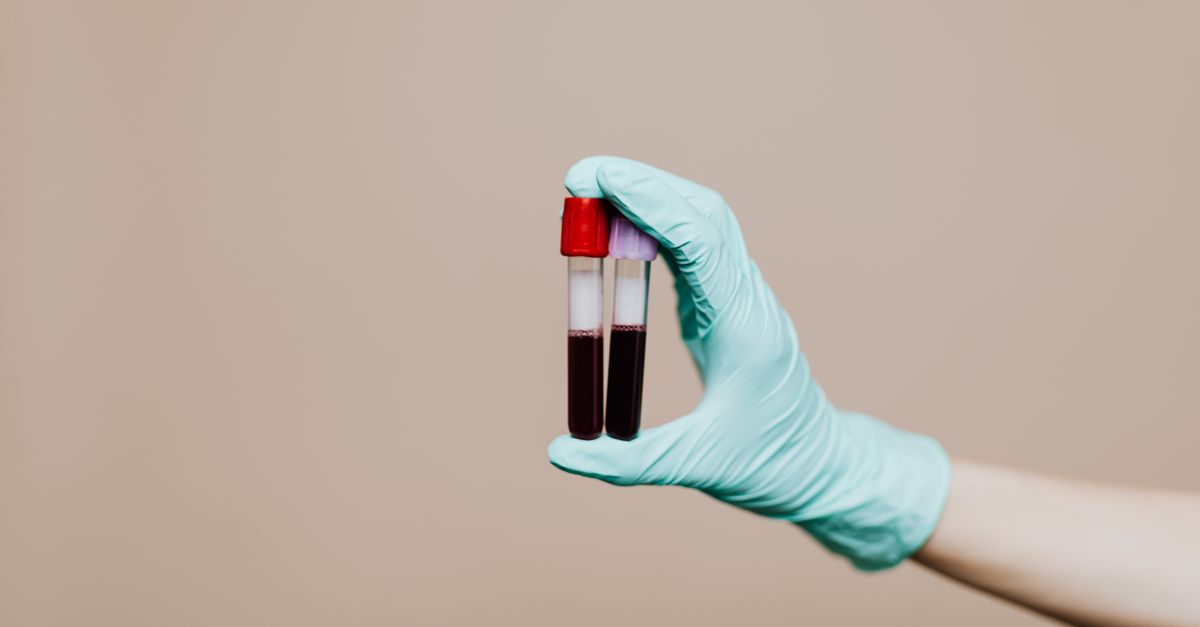
When "Normal" Labs Don't Tell the Whole Story
Imagine leaving your annual physical with a clean bill of thyroid health — TSH within range, free T4 solid, no symptoms flagged — only to notice a footnote on your lab report: TPO antibodies elevated. Your doctor reassures you it's nothing to worry about right now. But is that really the end of the conversation?
For millions of Americans, thyroid peroxidase (TPO) antibodies and thyroglobulin antibodies (TgAb) represent a subclinical immune attack on thyroid tissue that standard lab panels routinely minimize. Understanding whether thyroid antibodies matter when everything else looks normal requires diving into what those antibodies are actually doing — and what the research shows about their long-term trajectory.
What Thyroid Antibodies Actually Signal
TPO antibodies and TgAb are immune proteins that mistakenly target thyroid tissue. Their presence is the hallmark of Hashimoto's thyroiditis, an autoimmune condition that is the most common cause of hypothyroidism in the United States. The critical nuance is that the immune assault can be ongoing for years — even decades — before TSH rises out of range.
A large cross-sectional study published in The Journal of Clinical Endocrinology & Metabolism found that approximately 10–12% of the general population carries detectable TPO antibodies, with the majority having normal TSH at the time of measurement (Hollowell et al., JCEM 2002; PMID: 11836274). But longitudinal follow-up data tell a more sobering story: individuals with elevated TPO antibodies progress to overt hypothyroidism at a rate of 2–4% per year, compared to less than 0.2% per year in antibody-negative individuals (Vanderpump et al., Clinical Endocrinology 1995; PMID: 7641412).
So does thyroid antibodies matter if everything else is normal? Based on the trajectory data, yes — not because of what antibodies mean today, but because of what they predict tomorrow.
The Symptom Gap: Why People Feel Unwell Before Numbers Change
One of the most frustrating experiences for patients with elevated thyroid antibodies and normal TSH is feeling symptomatic — fatigue, cold sensitivity, brain fog, hair thinning, low mood — while being told their labs are fine. This isn't psychosomatic. Research points to several mechanisms:
- Fluctuating thyroid output: Active autoimmune inflammation can cause intermittent release of preformed thyroid hormone from damaged follicles, creating subclinical swings in circulating T3 and T4 that standard snapshot labs miss.
- Peripheral conversion impairment: Even when TSH is normal, chronic inflammation associated with autoimmune thyroid disease can impair the conversion of T4 to the more active T3 in peripheral tissues.
- Direct inflammatory load: Hashimoto's carries an elevated systemic inflammatory burden, which alone can drive fatigue and cognitive symptoms independent of thyroid hormone levels.
A Finnish longitudinal cohort study tracking antibody-positive euthyroid women over 10 years found significantly higher rates of depressive symptoms and fatigue compared to antibody-negative controls, even after controlling for thyroid hormone levels (Engum et al., Journal of Clinical Endocrinology & Metabolism 2002; PMID: 12161447).
Does CRP Matter If Everything Else Is Normal?
This question frequently surfaces alongside thyroid antibody concerns, and the connection is clinically meaningful. C-reactive protein (CRP) is a liver-produced inflammatory marker that rises in response to systemic inflammation. In the context of autoimmune thyroid disease, elevated high-sensitivity CRP (hs-CRP) reflects the broader inflammatory environment that drives antibody production.
A 2019 meta-analysis in Thyroid found that Hashimoto's patients — including those with normal TSH — showed significantly elevated hs-CRP compared to healthy controls, suggesting that even subclinical autoimmune activity fuels measurable systemic inflammation (Guo et al., Thyroid 2019; doi.org/10.1089/thy.2018.0461). When hs-CRP is elevated alongside positive thyroid antibodies, it is not a coincidental finding — both are downstream of the same immune dysregulation.
So yes, CRP matters when everything else appears normal, particularly when it appears alongside thyroid antibody positivity. Treating them as isolated data points misses the interconnected inflammatory picture. Lifestyle interventions including anti-inflammatory dietary patterns, omega-3 supplementation, and stress reduction have demonstrated the ability to lower both CRP and, in some studies, TPO antibody titers over time.
If you want a deeper understanding of how inflammation markers interact with metabolic health, the article on understanding systemic inflammation and supplement support walks through the full picture.
Does Homocysteine Matter If Everything Else Is Normal?
Homocysteine is another marker that frequently gets sidelined when it appears mildly elevated alongside normal standard labs. Like elevated thyroid antibodies, mildly high homocysteine (generally defined as >10–12 µmol/L) is often dismissed unless it climbs above 15 µmol/L.
The relevance to thyroid health is direct: hypothyroidism — even subclinical — impairs the remethylation pathways that convert homocysteine back to methionine, causing accumulation. For individuals with elevated antibodies and normal TSH, homocysteine may be an early signal of metabolic stress not yet reflected in thyroid hormone numbers. Elevated homocysteine is independently associated with cardiovascular risk, cognitive decline, and arterial stiffness (Selhub et al., Annual Review of Nutrition 1999; PMID: 10448527).
The practical takeaway: if you have elevated thyroid antibodies and a homocysteine reading above 10 µmol/L, treating both markers as informative context — rather than isolated anomalies — gives a clearer metabolic picture than any single lab value alone.
Does A1C Matter If Everything Else Is Normal?
For thyroid antibody-positive patients, the A1C question carries particular weight because autoimmune conditions rarely travel alone. Hashimoto's thyroiditis is associated with a significantly higher incidence of Type 1 diabetes and other autoimmune conditions including celiac disease. Additionally, even subclinical thyroid dysfunction affects insulin sensitivity and glucose metabolism.
An A1C in the prediabetes range (5.7–6.4%) combined with elevated thyroid antibodies and normal TSH can indicate a person is simultaneously carrying two separate autoimmune risks that are each progressing below the conventional intervention threshold. Clinicians specializing in functional or integrative medicine increasingly view these co-occurring findings as rationale for earlier intervention rather than watchful waiting.
It is worth emphasizing: a mildly elevated A1C is not diagnostic on its own, and clinical context matters enormously. Always discuss combined lab patterns with a qualified healthcare provider rather than self-diagnosing.
Does Cholesterol Ratio Matter If Everything Else Is Normal?
The total cholesterol-to-HDL ratio is a well-established cardiovascular risk marker, and its relevance in the thyroid antibody conversation is often underappreciated. Thyroid hormone plays a direct regulatory role in lipid metabolism — T3 upregulates LDL receptors in the liver, increasing the clearance of LDL from circulation. Even mild reductions in thyroid output, including in subclinical or early-stage Hashimoto's, can shift the cholesterol ratio unfavorably.
Studies have found that individuals with subclinical hypothyroidism (normal TSH, elevated antibodies, low-normal free T4) carry measurably elevated total cholesterol and LDL compared to euthyroid controls (Duntas & Brenta, Thyroid 2012; PMID: 22316106). A worsening cholesterol ratio in the presence of positive thyroid antibodies, even with normal TSH, may be an early metabolic signal that the thyroid axis is beginning to underperform — years before TSH formally elevates.
Rather than viewing these markers in isolation, consider the cholesterol ratio as part of a metabolic fingerprint that becomes more interpretable when read alongside thyroid antibody status, inflammatory markers, and insulin sensitivity data.
The Selenium Evidence: A Modifiable Variable
Not all of the news around thyroid antibodies is passive. One of the most replicated nutritional interventions in autoimmune thyroid research is selenium supplementation. Selenium is required for the synthesis of selenoproteins, including glutathione peroxidase and thioredoxin reductase — key antioxidants that protect thyroid follicular cells from the oxidative damage produced during thyroid hormone synthesis.
A landmark randomized controlled trial by Gärtner et al. demonstrated that 200 mcg of selenomethionine daily over 3 months significantly reduced TPO antibody titers in Hashimoto's patients (Gärtner et al., Journal of Clinical Endocrinology & Metabolism 2002; PMID: 11932302). A subsequent meta-analysis of 16 trials confirmed that selenium supplementation consistently reduces TPO antibody levels and may improve thyroid ultrasound echogenicity in autoimmune thyroid disease (Fan et al., Frontiers in Endocrinology 2014; doi.org/10.3389/fendo.2014.00111).
Importantly, the benefit appears most pronounced in individuals who are selenium-deficient or in selenium-suboptimal regions — a common finding on micronutrient panels in the U.S. population.
What This Means for Your Formula
At Ones, the AI practitioner is specifically designed to look beyond TSH in isolation. When a user's lab results include elevated TPO or TgAb antibodies, the platform weighs that data in context — alongside inflammatory markers, metabolic indicators, wearable trends, and health history — to construct a targeted formula.
For thyroid antibody-positive users, two Ones ingredients are particularly relevant:
- Selenomethionine (200 mcg): Ones sources selenomethionine at the 200 mcg daily dose used in the Gärtner 2002 RCT — the most directly cited clinical benchmark for TPO antibody reduction in Hashimoto's. This form has superior bioavailability compared to selenite.
- Ones Thyroid Support Blend: This proprietary System Blend is formulated to address the multi-factorial demands of autoimmune thyroid dysfunction, including supporting thyroid hormone conversion pathways and reducing inflammatory burden on thyroid tissue. It is included in custom formulas where the AI identifies thyroid autoimmunity signals.
For users whose Ones workup also surfaces elevated hs-CRP or homocysteine alongside thyroid findings — a pattern the platform recognizes as clinically interconnected — omega-3 EPA/DHA supplementation is a frequently included active ingredient, given its evidence base for reducing both systemic inflammation and cardiovascular risk markers.
Formula composition and capsule counts are determined by the AI based on a user's complete findings — the platform balances clinical priority against the daily capsule budget to ensure the most impactful ingredients are always prioritized.
Key Takeaways
- Elevated TPO or thyroglobulin antibodies in the presence of normal TSH are not benign: they predict a 2–4% annual progression rate toward overt hypothyroidism and are associated with symptoms even before hormone levels shift.
- Thyroid antibody status should be interpreted alongside other markers — including hs-CRP, homocysteine, A1C, and cholesterol ratio — rather than in isolation, as these often reflect the same underlying immune and metabolic dysfunction.
- Elevated CRP alongside positive thyroid antibodies signals shared inflammatory pathophysiology, not two separate unrelated findings.
- A worsening cholesterol ratio or mildly elevated homocysteine in an antibody-positive individual may indicate subclinical metabolic impact years before TSH rises out of range.
- Selenium supplementation at 200 mcg/day (selenomethionine form) is the most evidence-backed nutritional intervention for reducing TPO antibody titers, supported by multiple RCTs and meta-analyses.
- Personalized lab interpretation — weighing antibody data alongside inflammatory, metabolic, and hormonal markers — provides a far more actionable picture than any single value in isolation. Consult a qualified healthcare provider for any diagnosis or treatment decisions.