Immune Support
Elderberry Made You Feel Worse? Here's Why It Happens
Elderberry is one of the most popular immune supplements on the market — but nausea, digestive upset, and even immune overstimulation can catch users off guard. Understanding why these reactions happen, and how your individual biology shapes them, is the difference between a supplement that helps and one that backfires. Here's what functional medicine says about elderberry side effects and how to address them intelligently.
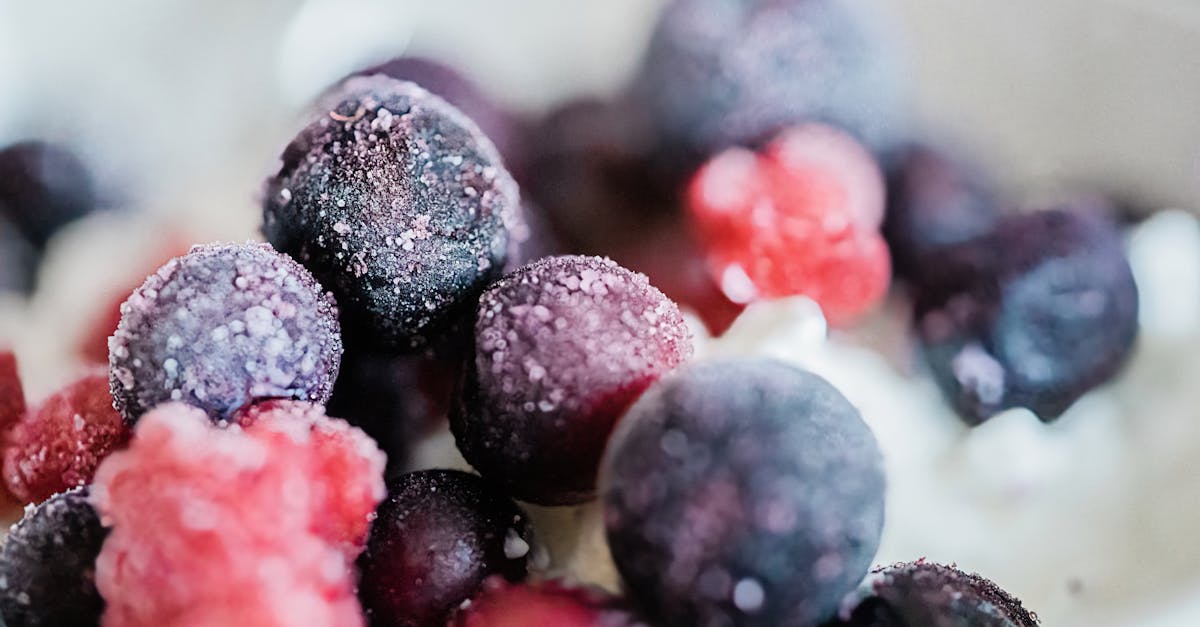
Elderberry Side Effects: A Functional-Medicine Lens on Causes and Support
Elderberry (Sambucus nigra) has earned a prominent place in immune-support protocols — and for good reason. Clinical trials have shown it can reduce the duration and severity of cold and influenza symptoms. A 2016 randomized controlled trial published in Nutrients found that elderberry supplementation reduced cold duration by an average of two days in air travelers (Tiralongo et al., Nutrients 2016; PMID: 26765895). Yet alongside its benefits, elderberry comes with a set of side effects that are rarely discussed in depth — and for people with autoimmune conditions, histamine sensitivities, or complex supplement stacks, those side effects matter.
This article takes a functional-medicine lens to elderberry side effects: what causes them biologically, who is most at risk, and how to contextualize elderberry within a broader immune-support strategy. We'll also cover where other commonly combined supplements — including those with their own tolerance profiles — factor into the picture.
---
What Causes Elderberry Side Effects?
Most elderberry side effects trace back to three distinct mechanisms:
1. Cyanogenic Glycosides in Raw or Underprocessed Elderberry
Raw elderberries, elderberry leaves, and elderberry bark contain cyanogenic glycosides — compounds that can release hydrogen cyanide when metabolized. Commercial elderberry syrups and standardized supplements use heat processing to neutralize these compounds, but poorly processed products or homemade preparations carry real risk. Symptoms of cyanogenic glycoside exposure include nausea, vomiting, diarrhea, and in severe cases, dizziness and shortness of breath (NIH National Center for Complementary and Integrative Health, 2020).
Takeaway: Always use standardized elderberry extracts from reputable manufacturers. Look for products that specify heating or extraction processes.
2. Cytokine Stimulation and Immune Overstimulation
Elderberry's immune-boosting mechanism works partly by stimulating cytokine production — specifically pro-inflammatory cytokines like TNF-α, IL-1β, and IL-6. In healthy individuals recovering from a cold or flu, this is beneficial. But in people with autoimmune conditions (lupus, rheumatoid arthritis, multiple sclerosis), already-elevated inflammatory markers, or those prone to cytokine storms, elderberry may amplify immune dysregulation rather than resolve it.
A 2009 study in Phytochemistry identified flavonoids in elderberry — particularly cyanidin-3-glucoside and cyanidin-3-sambubioside — as key immunomodulatory compounds (Barak et al.; this mechanism is discussed broadly across immunology literature and in the NIH NCCIH elderberry monograph). This dual role — immune activator and potential immune irritant — is the central tension in elderberry use.
3. Histamine Liberating Properties
Elderberry is classified as a moderate histamine liberator in functional nutrition practice. For individuals with histamine intolerance — where the enzyme diamine oxidase (DAO) is insufficient to break down dietary histamine — elderberry can trigger reactions including headaches, skin flushing, nasal congestion, and gastrointestinal distress. This is distinct from an allergic reaction and often goes undiagnosed.
If you experience these reactions consistently with elderberry, exploring histamine intolerance and DAO enzyme support may be a productive next step before continuing supplementation.
---
Who Is Most at Risk for Elderberry Side Effects?
Not all elderberry users experience side effects. Risk profiles vary significantly:
| Risk Factor | Likely Reaction | Clinical Consideration |
|---|---|---|
| Autoimmune disease | Immune flare, worsened inflammation | Consult rheumatologist before use |
| Histamine intolerance | Headache, flushing, GI upset | Consider DAO enzyme support |
| Immunosuppressant medications | Reduced drug efficacy | Drug-herb interaction risk |
| Raw/home-prepared elderberry | Nausea, vomiting, dizziness | Cyanogenic glycoside toxicity |
| Children under 12 | GI sensitivity | Use pediatric-dosed, standardized forms only |
| Pregnancy | Unknown risk | Avoid; insufficient safety data |
For most healthy adults using a quality standardized extract at recommended doses (typically 500–1000mg elderberry extract or 5–15mL of syrup daily), side effects are mild and self-limiting.
---
Elderberry Side Effects vs. Other Common Supplement Reactions
Elderberry is rarely taken in isolation. People building immune-support stacks often combine it with other supplements — and some of those supplements carry their own tolerance considerations. Understanding the full picture prevents misattribution of symptoms.
L-Carnitine Side Effects
L-carnitine is commonly added to energy and metabolic stacks. Its most reported side effects — nausea, abdominal cramping, diarrhea, and a fishy body odor — are dose-dependent and typically occur above 3g/day. There is also emerging research on gut microbiome-mediated conversion of L-carnitine to TMAO (trimethylamine N-oxide), a compound associated with cardiovascular risk in some populations, though the clinical significance of supplemental L-carnitine on TMAO levels remains debated (Koeth et al., Nature Medicine 2013; PMID: 23563705). If you're stacking L-carnitine alongside elderberry and experience GI symptoms, the carnitine dose is the more likely culprit.
Alpha-Lipoic Acid (ALA) Side Effects
Alpha-lipoic acid is a potent antioxidant with strong evidence for supporting blood sugar metabolism and nerve health. Its side effects are primarily GI — nausea, stomach upset, and reflux — especially when taken on an empty stomach or at doses above 600mg. ALA also has a meaningful drug interaction profile: it can enhance the effects of insulin and oral hypoglycemic agents, potentially causing blood sugar to drop too low (NIH ODS, Dietary Supplements for Blood Sugar Management). For anyone combining ALA with elderberry in a broad immune-metabolic stack, taking both supplements with food and monitoring blood sugar (if applicable) is advisable.
Ginkgo Biloba Side Effects
Ginkgo biloba is often included in cognitive and circulation stacks. Its known side effects include headache, dizziness, palpitations, and GI upset. More significantly, ginkgo has antiplatelet and mild anticoagulant properties, and combining it with blood-thinning medications or other supplements that affect coagulation warrants caution (Kellermann & Kloft, Drugs in R&D 2011; PMID: 21254789). Ginkgo is not typically combined with elderberry in standard immune protocols, but for individuals taking complex multi-supplement formulas, awareness of ginkgo's interaction profile is clinically relevant.
Valerian Root Side Effects
Valerian root — widely used for sleep and anxiety support — has a generally favorable safety profile, but side effects including vivid dreams, morning grogginess, headache, and paradoxical stimulation (particularly in high doses or in some individuals) are documented. Long-term use at high doses has raised questions about hepatotoxicity in case reports, though systematic evidence is limited (Taibi et al., Sleep Medicine Reviews 2007; PMID: 17517355). Valerian is sometimes combined with elderberry during illness recovery to support sleep — a reasonable pairing, but one where the combined sedative-plus-immune-activating effect should be monitored in sensitive individuals.
---
Elderberry Drug Interactions: What the Evidence Says
Beyond side effects in isolation, elderberry carries several drug interaction risks worth flagging:
- Immunosuppressants (e.g., cyclosporine, methotrexate, corticosteroids): Elderberry's cytokine-stimulating effects may counteract these medications' intended immune-dampening action.
- Diuretics: Elderberry has mild diuretic properties; combining with pharmaceutical diuretics may increase fluid and electrolyte loss.
- Diabetes medications: Elderberry may lower blood glucose through multiple pathways; combined use with insulin or metformin requires blood sugar monitoring.
- Laxatives: Elderberry's GI activity can potentiate the effects of stimulant laxatives.
Anyone managing chronic conditions should consult a healthcare provider before adding elderberry to their supplement regimen. This is especially true if you're exploring elderberry and immune modulation for autoimmune conditions, where the benefit-risk calculus is more nuanced.
---
How to Minimize Elderberry Side Effects: A Practical Protocol
- Choose standardized, heat-processed extracts. Look for products specifying Haschberg cultivar (Sambucus nigra) or BerryPharma®/Isoropolis® extracts with documented processing.
- Start at the lower end of the dosing range. Begin with 500mg extract or 5mL syrup daily and assess tolerance before increasing.
- Take with food. GI side effects are reduced significantly when elderberry is taken with a meal.
- Limit duration during acute illness. Most clinical trials use elderberry for 5–14 days during active illness, not as a continuous daily supplement. Long-term continuous use has less evidence and may maintain unnecessary cytokine elevation.
- Assess your histamine load. If you're already consuming high-histamine foods (fermented foods, alcohol, aged cheese), adding a histamine liberator like elderberry may push your threshold.
- Avoid during immune flares. If you have an autoimmune condition experiencing a flare, this is not the time to add an immune stimulant.
---
What This Means for Your Formula
Elderberry's side effect profile underscores a core principle of functional medicine: the right support depends on your individual biology, not a one-size-fits-all supplement. Ones approaches immune support this way — analyzing your blood work, wearable data, and health history to build a custom capsule formula calibrated to what you actually need.
For immune-system optimization, three ingredients frequently appear in personalized Ones formulas based on clinical evidence:
1. Vitamin C (as Ascorbic Acid or Calcium Ascorbate)
High-dose vitamin C has well-established roles in supporting neutrophil and lymphocyte function. Ones' Immune-C and C Boost System Blends deliver vitamin C at clinically relevant doses, supporting immune defense without the cytokine-overstimulation risk associated with elderberry. Meta-analyses have shown that regular vitamin C supplementation reduces cold duration by approximately 8% in adults and 14% in children (Hemilä & Chalker, Cochrane Database of Systematic Reviews 2013; PMID: 23440782).
2. Zinc (as Zinc Glycinate or Zinc Picolinate)
Zinc is essential for thymic function and T-cell development. Ones includes zinc at doses aligned with clinical evidence — typically 15–30mg — in formulas flagged for immune insufficiency or frequent illness patterns from lab data. Zinc lozenges started within 24 hours of cold symptom onset reduced duration by approximately 33% in one meta-analysis (Science et al., CMAJ 2012; PMID: 22566526).
3. NAC (N-Acetyl Cysteine)
NAC is a glutathione precursor with antioxidant and mucolytic properties particularly relevant during respiratory illness. For individuals who want immune support without the cytokine-stimulating risks of elderberry, NAC's role in respiratory and immune health makes it a compelling alternative or complement. Ones includes NAC at doses of 600–1200mg based on individual need.
For individuals with histamine sensitivity — identified through Ones' intake data or lab markers like DAO enzyme levels — the Histamine Support System Blend provides a targeted alternative to broad immune stimulants like elderberry.
This level of personalization is what distinguishes Ones from static supplement platforms like Ritual (which offers fixed multivitamin formulations) or even practitioner-grade brands like Thorne (which offers quality individual ingredients but not AI-driven formula customization based on your lab results).
---
Key Takeaways
- Raw or underprocessed elderberry contains cyanogenic glycosides that can cause nausea, vomiting, and dizziness; always use standardized, heat-processed extracts.
- Elderberry stimulates pro-inflammatory cytokines, which is beneficial during acute illness but potentially problematic for individuals with autoimmune conditions or elevated baseline inflammation.
- Histamine sensitivity is an underrecognized risk factor for elderberry reactions; symptoms include headache, flushing, and GI upset distinct from true allergy.
- Common co-supplements like L-carnitine, ALA, and valerian have their own side effect profiles that can be mistakenly attributed to elderberry when stacking.
- Drug interactions matter: elderberry should be used with caution alongside immunosuppressants, diuretics, and diabetes medications.
- Personalized immune support — using vitamin C, zinc, and NAC calibrated to your lab data — can deliver immune benefits with a more targeted and manageable risk profile than broad immune stimulants.
---
This article is for informational purposes only and does not constitute medical advice. Consult a qualified healthcare provider before making changes to your supplement regimen, especially if you have a chronic health condition or take prescription medications.