Supplements
Why Curcumin Upsets Your Stomach (and How to Fix It)
Curcumin is one of the most researched anti-inflammatory compounds on the planet — yet a surprising number of people experience digestive discomfort, drug interactions, or absorption failures that undermine their results. Understanding why these side effects happen, who is most at risk, and how to structure a smarter protocol can be the difference between a supplement that transforms your health and one that quietly causes harm.
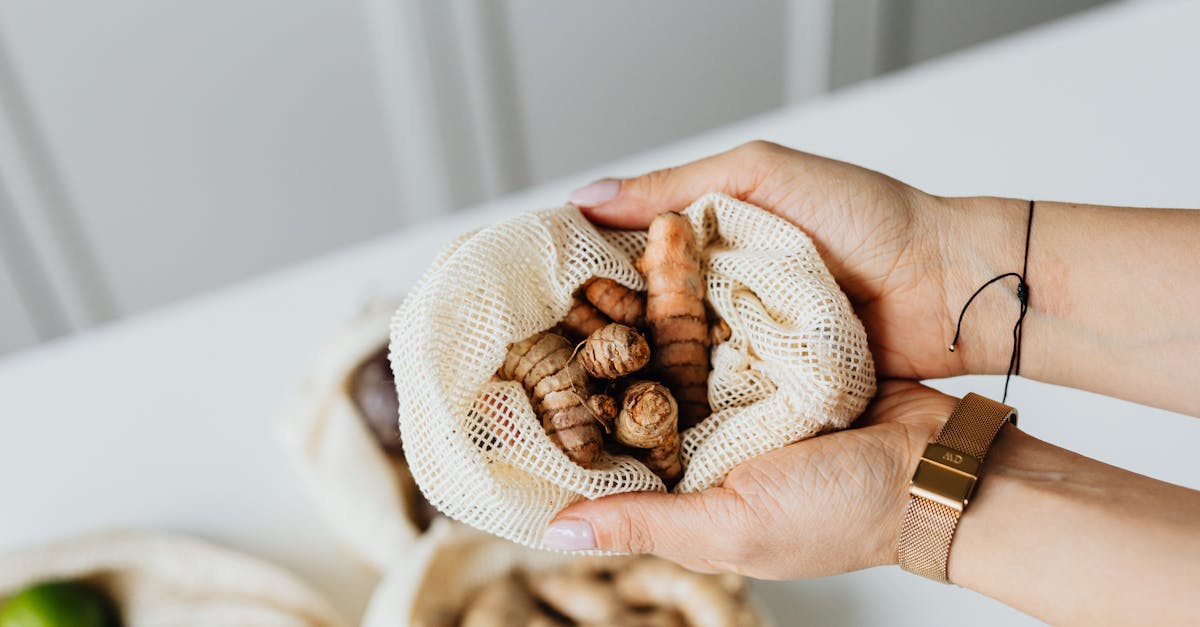
Curcumin Side Effects: A Functional-Medicine Lens on Causes and Support
Curcumin — the primary bioactive polyphenol in turmeric — has accumulated an impressive body of clinical evidence for reducing systemic inflammation, supporting joint health, and modulating oxidative stress. Yet the same compound that generates headlines for its therapeutic potential also generates real, underappreciated side effects that functional-medicine practitioners encounter regularly. Poor bioavailability formulations, inappropriate doses, pre-existing GI conditions, and drug-nutrient interactions all play a role.
This article examines curcumin side effects with the specificity those effects deserve: what the research actually says, which populations are most vulnerable, how secondary nutrients in common supplement stacks interact with high-dose curcumin, and what a personalized approach to dosing looks like in practice.
---
Curcumin Turmeric Side Effects: What the Clinical Evidence Actually Shows
When clinicians talk about curcumin turmeric side effects, they are usually referring to a cluster of GI-related complaints — nausea, abdominal cramping, loose stools, and acid reflux — that appear most frequently at doses above 1,000 mg per day of curcuminoids. A systematic review published in Food & Chemical Toxicology confirmed that curcumin is well-tolerated in healthy adults at doses up to 8,000 mg/day in short-term studies, but that GI adverse events clustered in a subset of participants even at moderate doses (Lao et al., 2006; PMID: 16545122). More recent safety data from a 90-day supplementation trial using 500–2,000 mg/day found that loose stools and nausea were the most commonly reported complaints, particularly in participants with baseline gut permeability issues (Gupta et al., Advances in Experimental Medicine and Biology, 2012; PMID: 22528928).
Beyond GI symptoms, several clinically significant interactions deserve attention:
1. Anticoagulant and antiplatelet drug interactions
Curcumin inhibits platelet aggregation through thromboxane B2 suppression and COX-1 pathway modulation. For individuals on warfarin, aspirin, clopidogrel, or similar agents, high-dose curcumin supplementation may amplify bleeding risk. Case reports and pharmacokinetic modeling suggest that curcumin can potentiate warfarin's anticoagulant effect by inhibiting CYP2C9-mediated metabolism (Volak et al., Drug Metabolism and Disposition, 2008; PMID: 18591253). Always consult a healthcare provider before combining curcumin with anticoagulant medications.
2. Iron absorption interference
Curcumin chelates non-heme iron with notable affinity. Studies in rodent models have shown that chronic high-dose curcumin can reduce intestinal iron absorption, and human data suggest that co-administration of curcumin with iron-rich meals or iron supplements may reduce iron bioavailability by up to 20–40% depending on dose (Tuntipopipat et al., Journal of Nutrition, 2006; PMID: 16702330). Individuals with diagnosed iron deficiency anemia or borderline ferritin levels should take curcumin at a separate time from iron supplementation.
3. Gallstone risk and bile duct obstruction
Turmeric stimulates bile production and gallbladder contraction. While this can be beneficial for sluggish bile flow, it presents a contraindication for individuals with existing gallstones or bile duct obstruction, where stimulated bile flow could precipitate a pain crisis or obstruction. The European Medicines Agency notes this contraindication explicitly in its monograph on Curcuma longa rhizome.
4. Hormonal pathway modulation
Curcumin exhibits weak estrogenic and anti-estrogenic properties depending on concentration and hormonal context. At physiological supplementation doses, it may modulate aromatase activity. Individuals with estrogen-receptor-positive cancers, those on hormone replacement therapy, or women with estrogen-dominant conditions such as endometriosis should discuss curcumin supplementation with their oncologist or gynecologist.
5. Piperine and drug interaction amplification
Most high-bioavailability curcumin products include piperine (BioPerine) at 5–20 mg to boost curcumin absorption by up to 2,000%, as demonstrated in a seminal pharmacokinetic study (Shoba et al., Planta Medica, 1998; PMID: 9619120). However, piperine is a potent CYP3A4 and P-glycoprotein inhibitor. Adding piperine to a curcumin formula can inadvertently increase blood levels of medications metabolized by CYP3A4 — including statins, immunosuppressants, and certain antidepressants — to potentially dangerous ranges.
| Side Effect | Typical Dose Threshold | Risk Population |
|---|---|---|
| Nausea / GI upset | > 1,000 mg/day curcuminoids | IBS, leaky gut, ulcer history |
| Iron depletion risk | > 500 mg/day with meals | Low ferritin, anemia |
| Bleeding risk amplification | > 500 mg/day + anticoagulants | Warfarin, aspirin, NSAID users |
| Gallbladder pain | Any dose | Gallstones, bile duct obstruction |
| CYP3A4 drug interactions | Piperine-enhanced formulas | Statin, immunosuppressant users |
| Hormonal modulation | > 1,000 mg/day | ER+ cancer, HRT users |
---
Why Bioavailability Format Changes the Side-Effect Profile
Standard turmeric powder contains approximately 3–5% curcuminoids by weight and is notoriously poorly absorbed, with peak plasma concentrations remaining negligible after oral ingestion of unenhanced powder. This low bioavailability historically protected casual users from dose-related side effects — but it also limited therapeutic benefit.
The emergence of enhanced delivery systems — piperine co-formulations, phospholipid complexes (Meriva), micellar formulations (LongVida), and nano-emulsions — dramatically increases circulating curcumin levels. A crossover study comparing standard curcumin to Meriva found a 29-fold increase in curcumin bioavailability with the phospholipid complex (Cuomo et al., Journal of Natural Products, 2011; PMID: 21619917). This is clinically meaningful: it also means that a 500 mg dose of a bioavailable formulation may deliver the systemic exposure of 14,000 mg of standard turmeric — well above any GI tolerance threshold.
The practical lesson: side effects often arise not from the dose printed on the label, but from the effective systemic exposure driven by the delivery vehicle. Someone experiencing curcumin GI side effects on a piperine-enhanced or phospholipid-complexed formula at 500 mg may be experiencing exposure equivalent to multi-gram dosing.
For individuals managing inflammatory conditions who want the clinical benefit without the GI liability, understanding curcumin's absorption mechanisms and how formulation affects dose is essential before choosing a product.
---
CoQ10 Side Effects in the Context of a Curcumin Stack
Many functional-medicine supplement protocols pair curcumin with CoQ10 (coenzyme Q10) for combined antioxidant and mitochondrial support. It is worth briefly addressing CoQ10 side effects because they are frequently misattributed to curcumin in mixed-stack users.
Coenzyme Q10 — particularly ubiquinol, the reduced, more bioavailable form — is considered extremely safe across a wide dose range. Clinical trials using 300–600 mg/day for cardiac conditions and up to 1,200 mg/day in neurological applications have reported minimal adverse events (Shults et al., Archives of Neurology, 2002; PMID: 12374491). When side effects do occur, they mirror those of curcumin: mild GI upset (nausea, loose stools) at doses above 300 mg/day in sensitive individuals, and mild insomnia when evening dosing is used given CoQ10's role in mitochondrial energetics.
One nuanced interaction: both curcumin and CoQ10 are lipophilic compounds that are best absorbed with dietary fat. Co-administering them with a fat-containing meal significantly improves absorption for both. Taking either on an empty stomach not only reduces bioavailability but may increase GI irritation — a common source of user-reported side effects that is entirely preventable through meal-timed dosing.
Ones includes Ubiquinol (CoQ10) at 200 mg in custom formulas, a dose aligned with evidence for cardiovascular and mitochondrial support without exceeding GI tolerance thresholds. When paired with curcumin in a personalized stack, Ones' AI system accounts for lipophilic co-absorption needs, timing guidance, and total antioxidant load.
---
Folate Side Effects and Curcumin: A Metabolic Overlap Worth Knowing
Folate side effects are rarely discussed in the context of curcumin supplementation, but there is a clinically relevant metabolic connection. Curcumin inhibits DNMT (DNA methyltransferase) enzymes and influences one-carbon metabolism — the same biochemical pathway in which folate operates as the primary methyl donor. Individuals who are homozygous or compound heterozygous for MTHFR polymorphisms (approximately 10–15% of the population) may have amplified sensitivity at the intersection of high-dose curcumin and sub-optimal methylated folate status.
Separately, folate — particularly synthetic folic acid in high doses (above 1,000 mcg/day) — can produce symptoms including bloating, nausea, and sleep disturbance that can be confused with curcumin side effects in stacked-supplement users. Methylfolate (5-MTHF), the biologically active form, has a more favorable side-effect profile, though individuals with extreme MTHFR variants may experience over-methylation symptoms (irritability, anxiety) if introduced too rapidly.
A well-designed personalized formula accounts for MTHFR status, folate level from blood work, and curcumin dose simultaneously — the kind of integration that a flat-dose multivitamin cannot provide. For a deeper look at how methylation status affects supplement tolerance and dosing, the research increasingly supports individualized dosing over population-average recommendations.
---
Biotin Side Effects and Lab Interference: A Critical Curcumin-Era Issue
Biotin side effects deserve specific attention in the context of anyone using functional-medicine supplement protocols that include curcumin. Biotin at doses of 5,000–10,000 mcg/day — commonly marketed for hair and nail growth — is well-tolerated from a direct toxicity standpoint; no upper tolerable intake level has been established by the NIH Office of Dietary Supplements.
However, high-dose biotin creates a significant and underappreciated problem: laboratory interference. Biotin competes with streptavidin-biotin binding in many immunoassay platforms, causing falsely elevated or falsely suppressed results across a range of critical biomarkers including TSH, free T4, free T3, troponin, 25-OH vitamin D, and estradiol (Bowen et al., Practical Laboratory Medicine, 2019; doi.org/10.1016/j.plabm.2019.e00102).
Why does this matter for curcumin users? Because many people self-optimizing with curcumin are also running comprehensive lab panels to monitor inflammatory markers, thyroid function, and metabolic health. If biotin is not discontinued 48–72 hours before bloodwork (the FDA's guidance from its 2017 safety communication), clinicians may misread panels and either over-supplement or under-supplement based on false data — including the data used to evaluate whether curcumin is working.
Ones' AI health practitioner specifically flags biotin status relative to biomarker panels during formula personalization, helping users understand when biotin levels could confound their lab interpretation. This is the kind of cross-nutrient intelligence that separates personalized platforms from generic supplement regimens.
---
What This Means for Your Formula
From a functional-medicine perspective, managing curcumin side effects is fundamentally a precision-dosing and context problem. The same compound that causes GI distress at 2,000 mg/day in a piperine-enhanced capsule on an empty stomach may be both tolerated and therapeutic at 500 mg as a phospholipid complex taken with a fat-containing meal in the same individual.
Here is how Ones approaches curcumin-containing protocols:
- Curcuminoids at clinically validated doses: Ones sources curcumin from validated extracts and doses based on inflammatory biomarker data (CRP, IL-6, ferritin) from uploaded blood work, rather than defaulting to a fixed population dose.
- CoQ10/Ubiquinol at 200 mg: Paired with curcumin in oxidative-stress and cardiovascular protocols, Ubiquinol at 200 mg aligns with the dose used in cardiovascular outcome trials and avoids the GI ceiling seen at higher unbuffered doses.
- Magnesium Glycinate and Adrenal Support System Blend: Curcumin's interaction with cortisol and HPA-axis signaling means inflammatory support formulas are often paired with adrenal-regulating nutrients. Ones' Adrenal Support System Blend — which includes ashwagandha (KSM-66 at 600 mg, the dose validated in cortisol-reduction trials) and targeted adaptogenic support — can be included alongside curcumin in users whose labs indicate both elevated inflammation and dysregulated stress response markers.
- Cross-nutrient conflict flagging: Ones' AI intake system checks for iron supplementation, anticoagulant medication use, MTHFR status (where disclosed), and high-dose biotin — flagging potential curcumin interaction risks before a formula is finalized.
For anyone evaluating personalized supplement platforms, the ability to weigh curcumin's benefits against its specific risks for your biomarker profile is a fundamentally different exercise than purchasing a standardized turmeric capsule from a retailer. Platforms like Thorne offer high-quality standalone curcumin products, but without lab integration. Viome offers microbiome-based recommendations but does not cover the full blood-panel-driven dosing specificity that inflammatory protocols require. Ones builds the interaction matrix into the formula itself.
To understand how omega-3 fatty acids complement curcumin's anti-inflammatory mechanisms and how the two can be combined without compounding GI risk, the synergy between EPA/DHA and curcumin on NF-κB pathway suppression is worth reviewing in your broader protocol context.
---
Key Takeaways
- GI side effects are dose- and formulation-dependent: Curcumin turmeric side effects like nausea and loose stools most commonly appear above 1,000 mg/day of curcuminoids or with piperine-enhanced formulas on an empty stomach — not at moderate doses with food.
- Drug interactions are the highest-risk concern: Curcumin and piperine both modulate CYP450 enzymes; anyone on anticoagulants, statins, or immunosuppressants should consult a healthcare provider before supplementing.
- Bioavailability format multiplies effective exposure: A 500 mg phospholipid-complexed or nano-emulsified curcumin may deliver systemic exposure equivalent to many times that dose in standard powder form — recalibrating side-effect risk accordingly.
- Biotin lab interference is underappreciated: High-dose biotin (≥ 5,000 mcg) can falsify thyroid, cardiac, and vitamin D panels; discontinue 48–72 hours before bloodwork when using curcumin-monitoring lab draws.
- CoQ10 and curcumin share a GI mechanism: Both are lipophilic compounds best absorbed with fat; empty-stomach dosing of either increases GI complaint risk and reduces therapeutic benefit simultaneously.
- Personalized dosing resolves most risk: Context from blood work (CRP, ferritin, iron saturation, liver enzymes), medication history, and genetic markers turns curcumin from a one-size supplement into a precisely calibrated anti-inflammatory tool.