Women's Health
Fadogia Agrestis for Women: Who Benefits and Who Should Skip It
Fadogia agrestis became a household name in men's health circles, but women are increasingly curious about it too. The problem: this herb's LH-stimulating mechanism hits very differently in female hormonal biology, and for a large subset of women — including the millions with PCOS — it could actively make things worse. Here's what the evidence actually says.
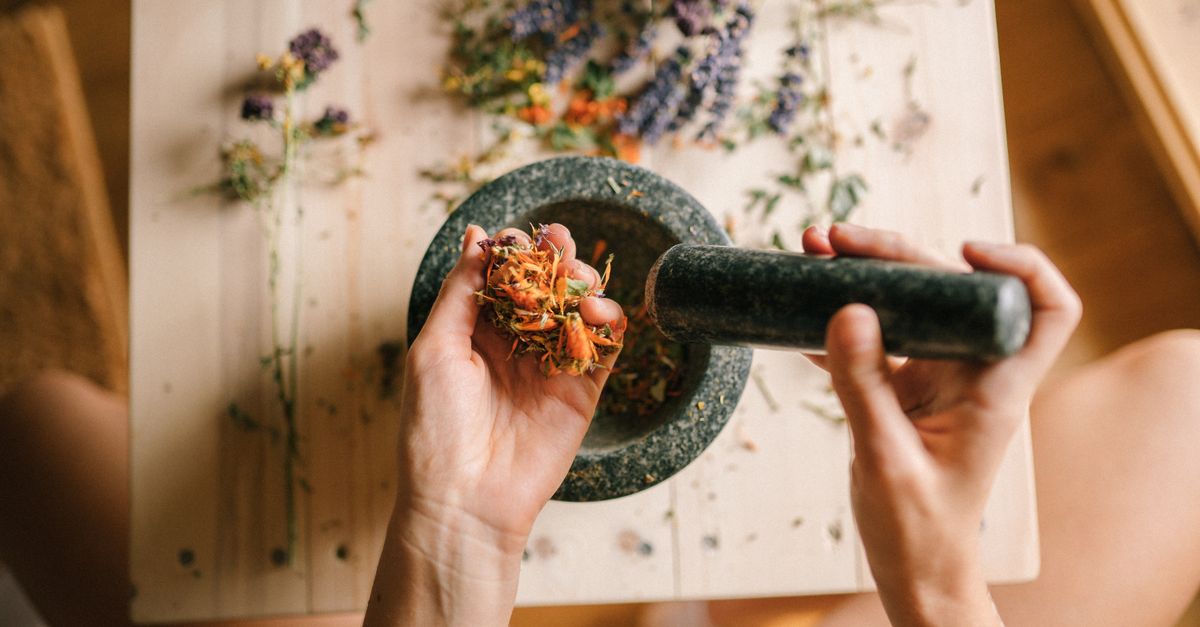
What Is Fadogia Agrestis?
Fadogia agrestis is a shrub native to Nigeria and other parts of West Africa that has been used in traditional medicine for centuries, primarily as an aphrodisiac and energy tonic. Its surge in Western popularity is largely credited to podcaster and researcher Andrew Huberman, who discussed it as a potential luteinizing hormone (LH) stimulator that could support testosterone production.
The mechanism under investigation is straightforward: animal studies suggest that extracts of Fadogia agrestis may increase serum testosterone by stimulating LH release from the pituitary gland — the same hormonal signal the body uses to tell the testes (and, in smaller amounts, the ovaries and adrenal glands) to produce more sex hormones (Yakubu et al., Journal of Ethnopharmacology 2005; PMID: 15752645).
For men with suboptimal testosterone, that mechanism sounds appealing. But women have a very different hormonal architecture, and what benefits one population can actively destabilize another.
Fadogia Agrestis for Women: What the Research Actually Shows
Here is the most important thing to understand upfront: there are no published human clinical trials specifically examining Fadogia agrestis in women. Every piece of mechanistic data comes from rodent models, mostly male rats. That gap matters enormously when making decisions about a hormone-active compound.
Women do produce testosterone — the ovaries and adrenal glands secrete small but physiologically critical amounts. Healthy testosterone in women supports libido, lean muscle mass, bone density, mood stability, and cognitive clarity. Levels that are either too low or too high cause measurable problems (Davis et al., Lancet Diabetes & Endocrinology 2015; PMID: 25631295).
The question for women, then, is whether an LH-stimulating herb would push testosterone into a beneficial range or overshoot it into androgenic territory. Given that many women already deal with androgen excess — polycystic ovary syndrome (PCOS) affects roughly 8–13% of reproductive-age women worldwide (Bozdag et al., Human Reproduction 2016; PMID: 27664216) — an herb that further elevates LH and androgens is not benign background noise.
The Hypothalamic–Pituitary–Gonadal Axis in Women
To understand why Fadogia agrestis affects women differently from men, it helps to walk through the hypothalamic–pituitary–gonadal (HPG) axis in more detail. In women of reproductive age, the pituitary releases LH in precise, pulsatile bursts coordinated with the menstrual cycle. A surge in LH around day 14 triggers ovulation. Before and after that surge, LH is supposed to remain relatively low — elevated baseline LH is itself a diagnostic criterion for PCOS.
In postmenopausal women, LH rises dramatically and stays elevated because the ovarian feedback loop that normally suppresses it is no longer functional. Introducing an exogenous LH stimulator on top of already elevated LH is unlikely to produce any useful testosterone signal and may amplify hormonal noise without therapeutic benefit.
In women of reproductive age who have normal hormonal cycling, artificially stimulating LH could disrupt the timing of ovulation — either blunting the mid-cycle surge by creating a persistently elevated baseline, or triggering premature LH release that disrupts follicle maturation. Neither outcome is desirable for fertility or cycle regularity.
The saponin compounds in Fadogia agrestis — primarily steroidal saponins that appear to mimic the structure of cholesterol precursors — are hypothesized to interact with Leydig cell receptors in male physiology. In women, analogous cells in the ovarian theca layer respond to LH to produce androgens. Whether Fadogia's saponins interact directly with theca cells, or act purely via pituitary LH stimulation, has not been studied — and that mechanistic uncertainty is itself a red flag for anyone managing female hormonal health.
Women Who May See Some Benefit
A narrow subset of women might reasonably explore Fadogia agrestis under clinical supervision:
- Postmenopausal women with confirmed low testosterone who have not responded adequately to other interventions and whose DHEA-S, LH, and androgen panels have been fully characterized
- Women with hypoactive sexual desire disorder (HSDD) linked to low androgens, though evidence-based options like testosterone cream and flibanserin exist and carry more human safety data
- Female athletes or strength-focused individuals curious about lean mass support, though again the evidence base is animal-only
Even within this group, the risk-to-benefit ratio remains speculative because of the toxicity signals described below. It is worth noting that in the Yakubu et al. 2005 rodent study that ignited much of the interest in this herb, testosterone increases were observed at doses of 18, 50, and 100 mg/kg body weight over 28 days in male rats — and the effect was dose-dependent and significant at all three levels. When converted to a human equivalent dose using the standard body surface area formula (divide by 6.2), 50 mg/kg in a rat approximates roughly 490 mg/day in a 60 kg human. That figure is within the range of most commercial supplements. But those same animals showed testicular changes at the higher doses, raising the question of whether the effective dose and the toxic dose are dangerously close together.
Women Who Should Skip It
The list of women who should avoid Fadogia agrestis is substantially longer:
- Anyone with PCOS, elevated androgens, or elevated LH already
- Women who are pregnant or trying to conceive
- Breastfeeding women
- Women on hormonal contraceptives (the herb's LH-stimulating effects could theoretically interfere with the contraceptive mechanism)
- Women with liver conditions (see toxicity section)
- Women taking hormone replacement therapy without endocrinology oversight
- Perimenopausal women whose LH levels are already dramatically elevated
If you're uncertain about your baseline hormonal status, understanding what supplements affect ApoB and how systemic markers interact is a useful starting point before adding any hormone-active ingredient.
Fadogia Agrestis Overdose Symptoms
One of the most underreported aspects of Fadogia agrestis is its toxicity profile. The same Nigerian research group that documented testosterone-elevating effects also published data showing dose-dependent organ toxicity in rodents.
At high doses, Fadogia agrestis extract caused:
- Elevated liver enzymes (hepatotoxicity markers)
- Testicular morphology changes in male rodents, suggesting gonadotoxicity at supraphysiological doses
- Reduced sperm motility and count in prolonged high-dose rodent exposures (Yakubu et al., Asian Journal of Andrology 2008; PMID: 18097481)
A separate study by Yakubu and Afolayan published in the African Journal of Biomedical Research examined the hematological and biochemical effects of aqueous extracts of Fadogia agrestis in male rats and found dose-related increases in alanine aminotransferase (ALT) and aspartate aminotransferase (AST), both markers of liver cell damage. At 100 mg/kg, these elevations were statistically significant relative to control groups. Serum creatinine also trended upward at the highest dose bracket, suggesting potential renal involvement.
Fadogia agrestis overdose symptoms in humans are not well characterized because we lack clinical trial data, but extrapolating from the animal toxicology, warning signs to watch for include:
- Nausea, right-sided abdominal discomfort, or jaundice-like symptoms (suggesting liver stress)
- Irregular menstrual cycles or cessation of periods (indicating hormonal disruption)
- Acne flares, increased facial or body hair, or scalp hair thinning (androgenic side effects)
- Mood instability or irritability disproportionate to life circumstances
- Elevated heart rate or palpitations (adrenal involvement)
If you experience any of these symptoms after starting Fadogia agrestis, discontinue use and consult a healthcare provider. Liver enzyme testing (ALT, AST) would be appropriate given the animal toxicity data.
Dose context matters. Most commercial products supply 425–600 mg per serving. The rodent studies used doses that, when scaled to human equivalents using body surface area conversion, suggest toxicity risk increases meaningfully above 1,000 mg/day — but no human dose-ranging studies confirm where the safe ceiling actually sits. For women in particular, where the therapeutic window for androgen elevation is narrower than in men, caution at any dose is warranted until human trials exist.
| Symptom Category | Potential Signal | Recommended Action |
|---|---|---|
| Liver (nausea, RUQ pain, yellowing) | Hepatotoxicity | Stop use; check ALT/AST |
| Hormonal (irregular periods, acne, hirsutism) | Androgen excess | Stop use; check total/free testosterone, LH |
| Renal (reduced urine output, ankle swelling) | Kidney stress | Stop use; check creatinine, BUN |
| Cardiovascular (palpitations, elevated HR) | Adrenal activation | Stop use; consult provider |
Signs of Fadogia Agrestis Deficiency
This is where a critical clarification is warranted: Fadogia agrestis is not an essential nutrient, and there is no such thing as a Fadogia agrestis deficiency.
Unlike magnesium, vitamin D, or zinc — which have recognized deficiency syndromes tied to measurable depletion — Fadogia agrestis is a botanical that the body does not require to function. You cannot be "deficient" in it any more than you can be deficient in coffee.
What people often mean when they search "signs of Fadogia agrestis deficiency" is actually the question: what symptoms suggest I might have low testosterone or low LH drive, and could Fadogia help? That is a fair reframe, and the answer is more nuanced than supplement marketing suggests.
Fadogia Agrestis Deficiency Symptoms — What You're Actually Asking
Low testosterone in women presents as a recognizable cluster: diminished libido, reduced energy not explained by thyroid or iron status, difficulty maintaining lean muscle mass despite consistent training, emotional flatness or reduced motivation, and decreased sensitivity to sexual stimulation (Davis et al., Lancet Diabetes & Endocrinology 2015; PMID: 25631295). These symptoms are real and warrant investigation — but the correct next step is lab testing, not a botanical with no human female data.
A standard hormonal panel for a woman presenting with these symptoms would include:
- Total and free testosterone
- Sex hormone-binding globulin (SHBG)
- DHEA-sulfate (DHEA-S)
- LH and FSH
- Estradiol
- Prolactin (to rule out pituitary causes)
- Thyroid function (TSH, free T3, free T4) — because hypothyroidism mimics low-androgen symptoms precisely
If testing confirms genuinely low testosterone with no contraindications, there are interventions with actual human clinical trial data — including compounded testosterone cream at doses of 0.5–2 mg/day, which has been studied specifically in women with HSDD (Davis et al., New England Journal of Medicine 2008; PMID: 18753645). That is a far more defensible starting point than Fadogia agrestis.
If your low-energy, low-motivation symptoms turn out to be driven by suboptimal LDL metabolism, systemic inflammation, or poor sleep architecture rather than androgen insufficiency, you're looking at a completely different set of solutions. You can explore how cholesterol panel timing and inflammatory markers like ESR fit into a broader metabolic picture before attributing symptoms to hormone issues.
Fadogia Agrestis Morning or Night: Does Timing Matter?
The question of whether to take Fadogia agrestis in the morning or at night is frequently searched, which suggests people are already using it and trying to optimize their protocol. A few mechanistic considerations are relevant here, even in the absence of direct human timing studies.
Testosterone follows a diurnal rhythm in both men and women, peaking in the early morning hours and declining through the afternoon. LH secretion is also pulsatile and partly governed by sleep-wake cycles, with evidence that sleep deprivation suppresses LH pulsatility and consequently testosterone levels (Leproult & Van Cauter, JAMA 2011; PMID: 21632481). If Fadogia agrestis acts by stimulating LH release, taking it in a way that supports rather than competes with the body's natural LH pulse pattern would theoretically be preferable.
Most practitioners who recommend Fadogia agrestis for men suggest morning dosing — taken with breakfast to reduce gastrointestinal irritation from the saponin content and to align with the natural testosterone peak window. Evening dosing is not well-supported mechanistically and may introduce unnecessary disruption to the sleep-phase hormonal environment.
For women specifically, cycle phase matters more than time of day. LH is supposed to spike dramatically only once per cycle. Introducing a persistent LH stimulator at any time of day risks blunting that natural pulsatility. There is no published data describing an optimal timing strategy for women, which is itself telling — the absence of research reflects a genuine gap, not an oversight.
Practical protocol considerations for any woman who decides — after consulting a healthcare provider and reviewing her full hormonal panel — to trial Fadogia agrestis:
- Start at the lowest available dose (typically 425 mg once daily, not twice)
- Take with food to reduce GI irritation from saponin content
- Morning dosing preferred over evening
- Cycle the herb: 8 weeks on, 4 weeks off, to avoid chronic LH suppression feedback
- Retest testosterone, LH, and liver enzymes (ALT, AST) at the 8-week mark before continuing
- Discontinue immediately if androgenic side effects appear (acne, hirsutism, cycle disruption)
How Ones Addresses This
Ones does not include Fadogia agrestis in its ingredient catalog — and that is an intentional, evidence-based decision. With no published human clinical trials, an animal toxicity signal at doses close to commonly marketed human servings, and a particularly poor risk profile for women with PCOS or hormonal contraceptive use, it does not meet the threshold for inclusion in a personalized formula where safety and clinical validation are prerequisites.
For women experiencing the underlying issues that Fadogia agrestis is sometimes promoted for — low libido, energy deficits, lean mass challenges, and mood instability — Ones' AI health practitioner analyzes your blood work and wearable data to identify which of these symptoms have a measurable physiological root cause. The formula then addresses those causes directly with validated ingredients.
For women whose panels show androgen or energy-related gaps, relevant Ones ingredients include:
- Ashwagandha (KSM-66, 600 mg) — this adaptogen has demonstrated clinically meaningful reductions in cortisol, which chronically suppresses sex hormone production by diverting pregnenolone toward cortisol synthesis. A 2012 randomized controlled trial in 64 chronically stressed adults showed KSM-66 reduced cortisol by 27.9% versus placebo (Chandrasekhar et al., Indian Journal of Psychological Medicine 2012; PMID: 23439798). Lower cortisol can support the HPG axis without directly stimulating LH in a way that overshoots androgen targets.
- Zinc — zinc deficiency is associated with reduced LH receptor sensitivity and impaired testosterone synthesis at the gonadal level. Adequate zinc repletion supports baseline hormonal function without acting as an LH agonist. This is relevant for women whose panels show borderline low zinc alongside low-normal testosterone.
- Rhodiola Rosea — included in Ones formulas where wearable data and self-reported symptoms suggest fatigue and motivation deficits without a clearly hormonal root cause. Rhodiola's adaptogenic effects on the HPA axis can reduce the cortisol burden that suppresses sex hormone production indirectly.
If you're curious how Fadogia Agrestis actually works in broader context — including the male use case and the full benefit-vs-risk picture — that resource covers the complete landscape. Understanding why borderline LDL matters is also worth exploring if cardiovascular markers came up alongside hormonal findings in your last blood panel.
Key Takeaways
- Fadogia agrestis has no published human clinical trials in women — all mechanistic data is from male rodent models, making risk-benefit assessment genuinely difficult.
- Women with PCOS, elevated androgens, elevated LH, or those on hormonal contraceptives should avoid this herb; the risk of worsening androgen excess is real.
- Animal toxicology shows dose-dependent liver enzyme elevation and gonadal changes at doses close to human equivalent ranges — treat any hepatic or androgenic symptoms as a signal to stop and test.
- "Fadogia agrestis deficiency" is not a real medical concept; symptoms suggesting low testosterone warrant a full hormonal panel, not a botanical with no female clinical data.
- Morning dosing with food, if used at all, is preferable over evening; cycle the herb with breaks and monitor liver enzymes and a full androgen panel at each interval.
- Ones does not include Fadogia agrestis precisely because safety evidence in women is insufficient — but validated alternatives like KSM-66 ashwagandha, zinc, and Rhodiola address overlapping concerns with a far stronger evidence base.