Supplements
Foods to Avoid on Mounjaro (and Other GLP-1 Drugs)
Starting Mounjaro or another GLP-1 medication is a significant step, but what you eat alongside it can determine whether you lose fat — or muscle. Research shows that dietary choices on these drugs directly influence tolerability, nutrient absorption, and long-term body composition outcomes. Here's what the clinical evidence says about foods to steer clear of on every major GLP-1 platform.
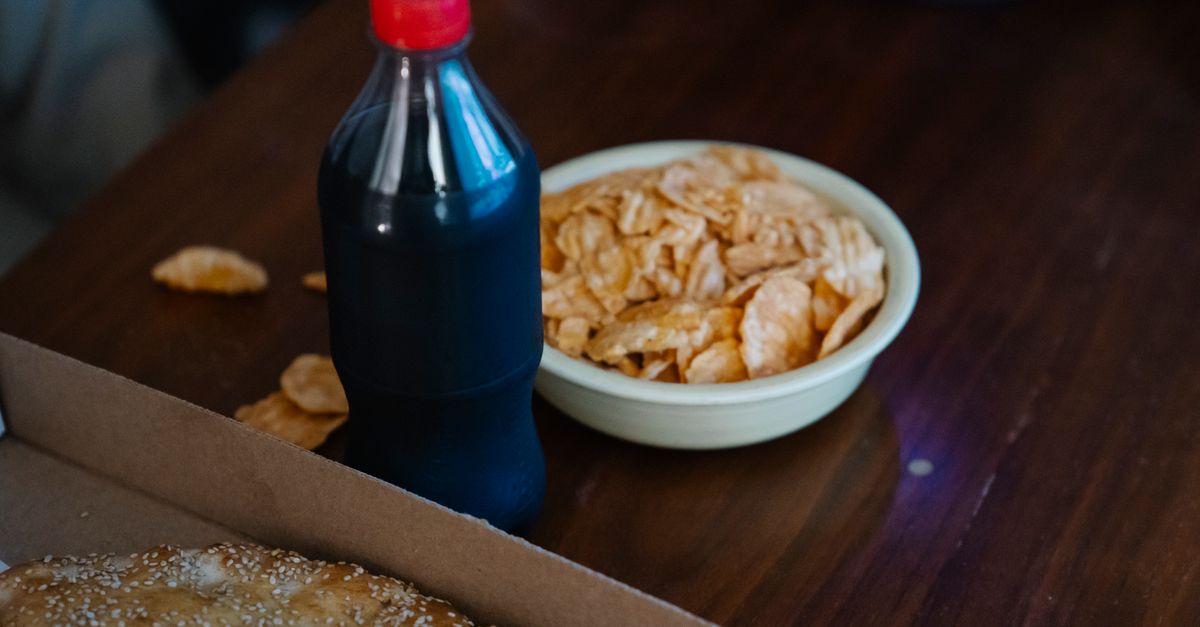
Foods to Avoid on Mounjaro (and Other GLP-1 Drugs)
Tirzepatide (Mounjaro/Zepbound), semaglutide (Ozempic/Wegovy/Rybelsus), liraglutide (Victoza), and the emerging retatrutide all slow gastric emptying dramatically — by 30–70% depending on the agent and dose (Nauck et al., Diabetes Care 2021; PMID: 34006607). That slowing is partly why these drugs suppress appetite so effectively. It's also exactly why certain foods become far harder to tolerate and can amplify side effects ranging from nausea and vomiting to acid reflux and painful bloating.
Understanding the overlap between drug mechanism and dietary chemistry isn't optional trivia — it's practical harm reduction that determines whether you stay on the medication long enough to see results.
---
Why Food Choices Matter More on GLP-1 Medications
GLP-1 receptor agonists mimic glucagon-like peptide-1, a gut hormone that slows the rate at which food leaves the stomach (gastric emptying), suppresses glucagon, and signals satiety to the brain. When gastric emptying is already slowed, any food that is inherently slow to digest — high fat, high fiber, heavily processed, carbonated — compounds the delay and dramatically increases the risk of nausea, regurgitation, and gastroparesis-like symptoms.
A 2022 pooled analysis of tirzepatide trials (SURPASS-1 through SURPASS-5) found that gastrointestinal adverse events — primarily nausea, vomiting, and diarrhea — were the leading cause of discontinuation, affecting up to 44% of participants at higher doses (Frias et al., The Lancet 2021; PMID: 34370971). Dietary modification was consistently cited in the clinical notes as the most actionable patient lever for improving tolerability.
With that context, here are the food categories to minimize or avoid across all major GLP-1 platforms.
---
High-Fat and Fried Foods
Fat is the macronutrient that slows gastric emptying the most under normal conditions. Stack that on top of a GLP-1 drug already doing the same thing, and you get prolonged stomach distension, significant nausea, and a high risk of vomiting — especially in the first 8–12 weeks when doses are being titrated upward.
Foods to limit:
- Fast food burgers and fries
- Deep-fried chicken, fish, or anything battered
- Heavy cream sauces, alfredo, creamy soups
- Processed fatty meats like bacon in large quantities
- Full-fat cheese consumed in large servings
This doesn't mean fat is off the table. Moderate amounts of healthy fats — avocado, olive oil, fatty fish — are well tolerated by most users when portion sizes are small. The problem is calorie-dense, high-fat meals eaten in one sitting.
---
Ultra-Processed and High-Sugar Foods
Refined carbohydrates and high-sugar foods cause rapid blood glucose spikes followed by steep crashes. On a GLP-1 drug, the insulin response is already being modulated, and stacking processed sugar load on top creates unpredictable glycemic swings. This is particularly relevant for Victoza and Rybelsus users, who are often managing type 2 diabetes alongside weight concerns.
A 2017 randomized trial found that high glycemic index diets worsened GI side effects in patients on liraglutide (Victoza) compared to low-GI dietary patterns (Lean et al., The Lancet 2017; PMID: 28229965). The mechanism is likely tied to rapid fermentation of simple sugars in a delayed-emptying gut, producing gas, bloating, and loose stools.
Foods to limit:
- Candy, pastries, doughnuts
- Sugary cereals and white bread
- Sodas and sweetened juices
- Ice cream in large portions
- Heavily sweetened protein bars
---
Carbonated Beverages
This one surprises many patients. Sparkling water, diet sodas, and carbonated energy drinks introduce gas into a stomach that is already slow to empty. The result is uncomfortable bloating and belching that can trigger the nausea reflex already primed by GLP-1 activity.
Carbon dioxide in beverages also increases intragastric pressure, which can push stomach contents upward in people prone to reflux — a side effect independently associated with tirzepatide and semaglutide at therapeutic doses. Plain still water is almost always better tolerated, and adequate hydration (at least 6–8 cups per day) is especially important because reduced food intake on these medications can lower electrolyte intake significantly.
---
Foods to Avoid on Zepbound
Zepbound is simply tirzepatide approved specifically for obesity management (as opposed to Mounjaro, approved for type 2 diabetes — same molecule, same considerations). The dietary guidance overlaps almost entirely with Mounjaro because the pharmacological mechanism is identical: dual GIP and GLP-1 receptor agonism.
However, Zepbound patients are often not managing active diabetes, which means their baseline diet may include more processed convenience foods and alcohol. Both warrant special attention:
Alcohol: Ethanol is an irritant to the GI mucosa under normal conditions. On Zepbound, slowed gastric emptying means alcohol stays in the upper digestive tract longer, increasing mucosal exposure time and amplifying its sedative effects. Many users report dramatically lower alcohol tolerance on tirzepatide. Beyond tolerability, alcohol delivers empty calories that blunt the caloric deficit these medications are designed to create.
Large-volume meals: Even if the food itself is healthy, large portion sizes overwhelm a stomach with delayed emptying. The clinical recommendation from gastroenterologists managing patients on GLP-1 drugs is to shift to 4–6 small meals rather than 2–3 large ones (Wilding et al., NEJM 2021; PMID: 33567185).
---
Foods to Avoid on Victoza
Victoza (liraglutide 1.2–1.8 mg/day) was originally approved for type 2 diabetes and later at a higher dose as Saxenda for obesity. It has a shorter half-life than semaglutide and tirzepatide, which means the peak GI burden is somewhat different — but the food categories to avoid remain consistent.
One additional concern specific to Victoza users managing diabetes: high-glycemic foods aren't just a GI tolerability issue, they actively undermine the drug's glucose-lowering purpose. Refined grains, white rice, and starchy snacks eaten in large amounts can override the postprandial glucose control Victoza is prescribed to deliver.
Patients on Victoza should also be aware that high-fiber foods — while generally healthy — can be problematic in large amounts early in treatment. Cruciferous vegetables like broccoli, cauliflower, and Brussels sprouts are beneficial but ferment readily in a slowed gut, producing gas and discomfort. Cooked vegetables are generally better tolerated than raw in the first 4–8 weeks.
For those exploring how zinc picolinate absorption is affected by food timing, the same principles apply on GLP-1 medications: nutrient timing becomes more consequential when gastric transit is altered.
---
Foods to Avoid on Rybelsus
Rybelsus is the oral tablet form of semaglutide — the only GLP-1 receptor agonist currently available as a pill rather than an injection. Its absorption mechanism makes dietary timing uniquely critical: Rybelsus must be taken on an empty stomach with no more than 4 oz (120 mL) of plain water, then no food or other beverages for at least 30 minutes.
Any food eaten too close to Rybelsus dosing dramatically reduces bioavailability. A pharmacokinetic study showed that taking oral semaglutide with a meal reduced AUC (area under the curve, a measure of drug absorption) by approximately 90% compared to fasted administration (Buckley et al., Clinical Pharmacokinetics 2018; PMID: 29363040). This makes Rybelsus uniquely sensitive to meal timing compared to injectable GLP-1 agents.
Beyond the absorption window, the same categories apply: avoid high-fat foods, large meals, alcohol, and carbonated drinks for maximum tolerability.
---
Foods to Avoid on Retatrutide
Retatrutide is a next-generation triple hormone receptor agonist (GIP, GLP-1, and glucagon receptor) currently in Phase 3 clinical trials. Early data from the Phase 2 trial published in the New England Journal of Medicine showed weight loss of up to 24.2% at 48 weeks — substantially higher than tirzepatide or semaglutide monotherapy (Jastreboff et al., NEJM 2023; PMID: 37366315).
Because retatrutide also activates glucagon receptors, its GI profile may differ somewhat from tirzepatide, with potentially higher rates of nausea at escalating doses. The triple mechanism is also more potent at suppressing appetite, which makes the risk of under-eating and muscle loss even more pronounced.
For retatrutide users (and all GLP-1 patients), the greatest dietary risk isn't just what to avoid — it's what gets crowded out of the diet. When total food intake drops 20–40%, protein intake is often the first casualty. Preserving lean muscle mass requires deliberate, high-quality protein consumption: eggs, lean poultry, fish, Greek yogurt, and low-fat cottage cheese are all easy-to-tolerate sources.
If you're also taking supplements to support overall metabolic health, understanding who should not take zinc is a useful reference point, since zinc status often declines on calorie-restricted regimens.
---
The Muscle Loss Problem: Nutrition Gaps on GLP-1 Drugs
One of the most underreported consequences of GLP-1 medication use is the disproportionate loss of lean muscle mass. In the SURMOUNT-1 trial, approximately 39% of weight lost on tirzepatide was lean mass — a ratio that concerns sports medicine physicians and longevity-focused clinicians alike (Jastreboff et al., NEJM 2022; PMID: 35658024).
Reducing highly processed, high-fat foods is the right move — but that caloric gap needs to be refilled with nutrient-dense, protein-forward choices, not simply left empty. Clinical guidelines increasingly recommend resistance training and protein targets of 1.2–1.6 g per kg of body weight per day for patients on GLP-1 medications.
Micronutrient gaps are equally real. Vitamins B12, D, magnesium, zinc, and omega-3 fatty acids are commonly under-consumed on the reduced-calorie diets that accompany GLP-1 use. This is an area where precision supplementation becomes especially relevant — not to replace good food choices, but to fill the gaps that reduced intake inevitably creates.
For those thinking about supporting cognitive function during periods of calorie restriction, the clinical evidence behind NAC brain benefits is worth exploring, since oxidative stress often rises during rapid weight loss.
---
What This Means for Your Formula
Ones is an AI-driven personalized supplement platform that analyzes blood work, wearable data, and health history to build custom capsule formulas. For patients on GLP-1 medications, there are several ingredients Ones includes that are directly relevant to managing the metabolic and nutritional gaps these drugs create:
Omega-3 (EPA/DHA): GLP-1 users on calorie-restricted diets frequently under-consume fatty fish. Omega-3s at clinical doses (1,000–2,000 mg EPA+DHA combined) support triglyceride reduction, reduce systemic inflammation, and support cardiovascular health — all relevant to the metabolic profile of patients on these medications. A meta-analysis confirmed significant triglyceride reductions with omega-3 supplementation in the context of metabolic syndrome (Miller et al., Journal of Clinical Lipidology 2014; doi:10.1016/j.jacl.2013.10.001).
Magnesium Glycinate: Reduced food intake on GLP-1 drugs commonly leads to suboptimal magnesium status. Magnesium glycinate is Ones' preferred form for its superior bioavailability and GI tolerability — important for a population already dealing with GI sensitivity. Adequate magnesium supports insulin sensitivity, muscle function, and sleep quality, all of which matter during active weight loss.
Vitamin D3 + K2 (MK-7): Adipose tissue sequesters vitamin D, and as patients lose body fat rapidly on GLP-1 drugs, vitamin D redistribution can alter circulating levels unpredictably. Pairing D3 with K2 as MK-7 ensures proper calcium routing — a clinical consideration for patients losing weight rapidly and potentially reducing bone density over time.
Ones calibrates doses to your bloodwork and health history, so the formula adapts to what your labs actually show — not a generic multivitamin guess.
---
Key Takeaways
- High-fat and fried foods dramatically amplify GI side effects on all GLP-1 medications by compounding delayed gastric emptying.
- Carbonated beverages and alcohol worsen bloating and nausea and should be minimized, especially in the titration phase.
- Rybelsus users face a unique absorption rule: food eaten within 30 minutes of the oral tablet can reduce drug bioavailability by up to 90%.
- Retatrutide's triple-receptor mechanism may produce stronger appetite suppression than current GLP-1 drugs, raising the stakes for deliberate protein and micronutrient intake.
- Muscle loss is a real risk: approximately 39% of weight lost in tirzepatide trials was lean mass — protein-forward eating and resistance training are essential countermeasures.
- Micronutrient gaps in magnesium, vitamin D, omega-3s, and zinc are common on the reduced-calorie diets accompanying GLP-1 use — targeted supplementation based on actual lab data addresses this more precisely than guessing.
---
This article is for informational purposes only. It does not constitute medical advice. Always consult a licensed healthcare provider before making changes to your diet or medication regimen.