Supplements
GABA: Natural Sleep Aid or Hype? What the Research Actually Shows
GABA supplements are marketed as a fast-track fix for sleeplessness and anxiety, but a fundamental question stops many researchers cold: can an oral dose of GABA actually reach the brain? The answer is more nuanced than most product labels admit — and the clinical data, when read carefully, reveals both genuine promise and important caveats. Here is what the evidence actually shows.
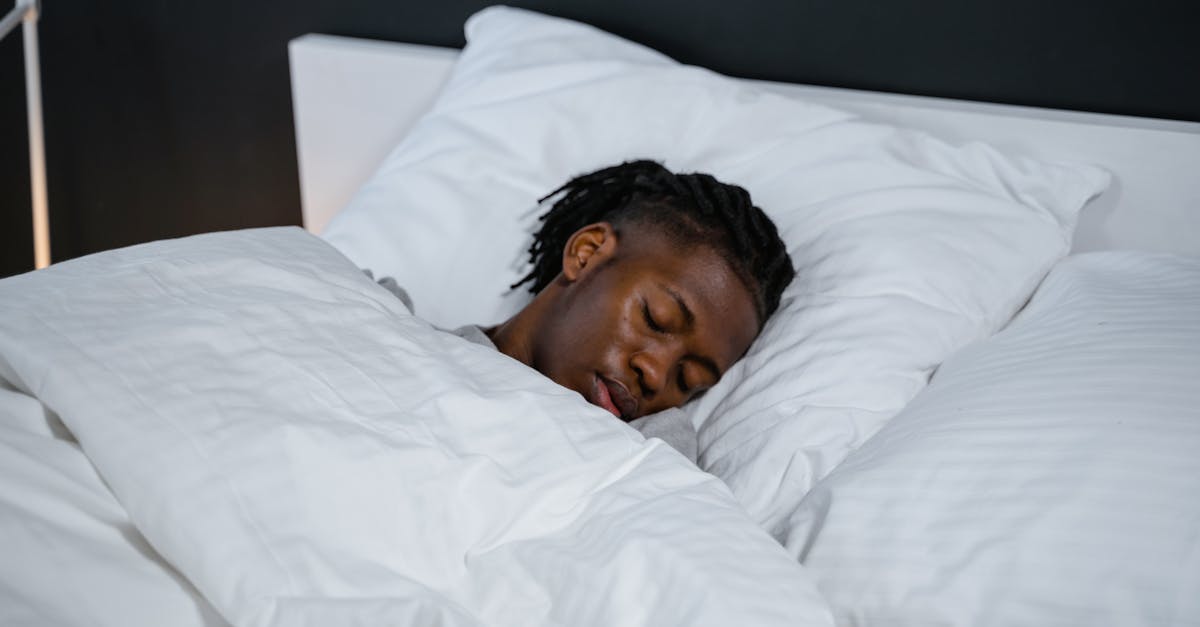
GABA Supplement: Sorting Signal from Noise
Gamma-aminobutyric acid — GABA — is the brain's primary inhibitory neurotransmitter. It works by binding to GABA-A and GABA-B receptors on neurons, reducing their excitability and producing the calm, drowsy, or anxiolytic effects most people associate with a glass of wine or a benzodiazepine prescription. So the appeal of a GABA supplement is obvious: if your brain needs more of this chemical to relax, why not just take it?
The problem is that the human brain is not a passive recipient of whatever you swallow. The blood-brain barrier (BBB) — a tightly regulated network of endothelial cells lining the central nervous system's capillaries — filters out many large or hydrophilic molecules, and GABA appears to be one of them. This single biological fact has fueled decades of debate about whether GABA supplements do anything at all, or whether their effects are purely a result of peripheral signaling, gut-brain axis modulation, or the placebo response.
The truth, as the most recent clinical literature suggests, sits somewhere more interesting than either the enthusiastic supplement industry or dismissive skeptics would have you believe.
---
GABA Blood-Brain Barrier: Can an Oral Dose Actually Reach Your Brain?
The conventional pharmacology textbook position holds that exogenous GABA does not meaningfully cross the BBB in healthy adults. Early tracer studies using radiolabeled GABA demonstrated poor CNS penetration compared with amino acids that share active transport systems, like L-glutamine or L-tryptophan (NIH National Library of Medicine, general pharmacology references).
However, more recent research has complicated this picture in two important ways.
First, a 2012 study by Shyamaladevi et al. demonstrated that nitric oxide donors can transiently increase BBB permeability to GABA, suggesting the barrier is not uniformly impermeable under all physiological conditions. Second — and more practically relevant — a growing body of evidence points to the enteric nervous system and the gut-brain axis as alternative pathways through which orally administered GABA may exert CNS effects without needing to physically enter the brain in large quantities.
A key 2015 study published in Frontiers in Neuroscience (Benjamin J. Bhatt et al.; doi.org/10.3389/fnins.2015.00461) reviewed the bidirectional communication between gut GABA receptors and the vagus nerve, concluding that peripheral GABA signaling in the gastrointestinal tract can modulate central stress responses via vagal afferents. This finding reframes the question: rather than asking whether GABA crosses the BBB, we should be asking whether peripheral GABA signaling is sufficient to produce the calming effects observed in clinical trials.
For consumers choosing a GABA supplement, this distinction matters because it means dose, formulation (standard vs. PharmaGABA, a fermentation-derived form), and the presence of gut-health cofactors may all influence how effective supplementation is in practice.
---
GABA Sleep Supplement: What Controlled Trials Actually Show
Despite the mechanistic uncertainty, human clinical trials on GABA as a sleep aid have produced some genuinely encouraging results — particularly with lower doses and fermentation-derived GABA (PharmaGABA).
A randomized, double-blind, placebo-controlled crossover trial by Byun et al. (2018) administered 300 mg of GABA (PharmaGABA) to adults with sleep complaints. Using polysomnography and subjective sleep questionnaires, the study found that GABA supplementation significantly reduced sleep onset latency (the time it takes to fall asleep) and increased non-REM sleep time compared with placebo (Nutrients, 2018; PMID: 29955067). Importantly, no next-day sedation or cognitive impairment was observed, which differentiates GABA from pharmaceutical sleep aids in terms of side-effect profile.
A separate Japanese clinical trial by Yamatsu et al. (2016) tested 100 mg of GABA in 40 adults over four weeks. Participants reported improved subjective sleep quality on the Pittsburgh Sleep Quality Index (PSQI), and wristwatch actigraphy confirmed an increase in total sleep time (Yamatsu et al., Glycine Research, 2016; doi.org/10.20407/foj.2.0_52). The relatively low dose used in this study is notable — it suggests that supraphysiological supplementation is not necessarily required to see functional improvements.
For context, optimal magnesium glycinate dosage for sleep has similarly shown dose-specific sleep improvements in clinical settings, and many individuals find that stacking GABA with magnesium or L-theanine produces additive effects — a principle Ones uses when calibrating multi-ingredient formulas to a user's specific sleep metrics from wearable data.
It is worth noting that fermentation-derived PharmaGABA appears to outperform synthetically produced GABA in most head-to-head comparisons, possibly because the fermentation process results in a form with distinct molecular conformations or co-factors that influence absorption dynamics.
---
GABA Anxiety Relief: Stress Biomarkers and the Relaxation Response
Beyond sleep, GABA supplementation has been studied for its acute anxiolytic effects, with some of the most compelling evidence coming from studies that measured objective stress biomarkers — not just self-reported mood.
A landmark 2006 study by Abdou et al. tested 100 mg of GABA in 13 subjects using electroencephalography (EEG). Within 60 minutes of ingestion, researchers observed a significant increase in alpha brain wave activity and a reduction in beta wave activity — a neurological signature associated with relaxed alertness rather than sedation (BioFactors, 2006; PMID: 17182482). Salivary immunoglobulin A (sIgA), a marker of immune competence under stress, was also elevated, suggesting that GABA may blunt the immune-suppressive effects of psychological stress.
A more recent randomized trial by Yoto et al. (2012) administered 25–50 mg of GABA to subjects performing a stressful mental task (mental arithmetic under time pressure). The GABA group showed significantly reduced salivary cortisol and chromogranin A (a stress-secretion marker) compared with placebo (Journal of Functional Foods, 2012; doi.org/10.1016/j.jff.2011.12.007). This is one of the few studies to confirm cortisol modulation from oral GABA, lending biological plausibility to the gut-brain vagal pathway hypothesis.
For anyone already exploring adaptogens for stress management, it is worth reading about clinical evidence for ashwagandha — Ones includes KSM-66 ashwagandha at 600 mg, the clinically studied dose, in formulas targeting elevated cortisol. When combined with peripheral GABA signaling support, the complementary mechanisms may address both the HPA axis (hypothalamic-pituitary-adrenal) response and GABA-ergic inhibitory tone simultaneously.
---
GABA Dosage: What Clinical Evidence Supports
One of the most common mistakes with GABA supplementation is assuming that higher doses produce proportionally better results. The clinical literature tells a different story.
| Study | GABA Dose | Duration | Primary Outcome |
|---|---|---|---|
| Byun et al., 2018 | 300 mg (PharmaGABA) | 4 weeks | Reduced sleep latency, increased non-REM sleep |
| Yamatsu et al., 2016 | 100 mg (PharmaGABA) | 4 weeks | Improved PSQI score, increased total sleep time |
| Abdou et al., 2006 | 100 mg | Acute (60 min) | Increased alpha waves, reduced beta waves |
| Yoto et al., 2012 | 25–50 mg | Acute | Reduced salivary cortisol and chromogranin A |
Based on this table, a functional GABA dose range for sleep support appears to be 100–300 mg, while acute stress relief has demonstrated effects at surprisingly low doses of 25–100 mg. This is well below the 500–750 mg doses commonly found on commercial supplement labels — a classic case of marketing outpacing science.
There is also the matter of timing. For sleep purposes, GABA appears most effective when taken 30–60 minutes before bed. For stress or anxiety applications, acute dosing around anticipated stressors — a presentation, a difficult conversation — aligns with the pharmacokinetic window observed in EEG and biomarker studies.
It is also worth pairing GABA with ingredients that support its synthesis and function. L-glutamine is a direct precursor to GABA via the enzyme glutamate decarboxylase (GAD), and Vitamin B6 (pyridoxal-5-phosphate) is a required cofactor for that enzymatic reaction (NIH Office of Dietary Supplements, Vitamin B6 fact sheet). Supporting these upstream pathways may amplify the effect of direct GABA supplementation — a systems-level consideration that informs how vitamin D3 and K2 synergy and other cofactor-aware formulations tend to outperform single-ingredient approaches.
---
Comparing GABA Supplement Approaches: Personalized vs. One-Size-Fits-All
The supplement market has several approaches to GABA-based sleep and anxiety support, ranging from standalone GABA capsules to multi-ingredient blends. Here is how the major options compare:
| Platform | Personalization | Form of GABA | Cofactor Awareness | Lab/Wearable Integration |
|---|---|---|---|---|
| Ones | Yes — AI-analyzed blood work + wearables | Clinically dosed (PharmaGABA range) | Yes (B6, L-glutamine, Mg) | Yes |
| Thorne | No — catalog products | Standard GABA | Limited | No |
| Ritual | No — fixed multivitamin | Not included | No | No |
| Viome | Partial — gut microbiome | Indirect (prebiotic support) | Indirect | No |
| Function Health | Lab testing only | No supplements | No | Labs only |
Ones stands apart from both standalone supplement brands and lab-testing platforms by closing the loop: your wearable data showing fragmented sleep or elevated resting heart rate at night is analyzed alongside your blood work to determine whether GABA-ergic support, cortisol management, or mineral repletion (or a combination) is the most clinically appropriate pathway for your formula.
---
What This Means for Your Formula
If your Ones formula is calibrated toward sleep quality or stress resilience, GABA-adjacent ingredients may appear in several configurations depending on your biomarker profile:
1. GABA (PharmaGABA, 100–300 mg): Dosed within the clinical range validated in published trials. For users whose wearable data shows prolonged sleep onset latency or frequent nighttime awakenings, this is a first-line consideration.
2. Magnesium Glycinate (200–400 mg): Magnesium acts as a natural NMDA receptor antagonist and supports GABAergic tone by reducing neuronal excitability. Ones includes Magnesium Glycinate at clinically relevant doses, and optimal magnesium glycinate dosage for sleep is one of the most well-supported interventions for sleep architecture in the literature (Abbasi et al., Journal of Research in Medical Sciences, 2012; PMID: 23853635).
3. Ashwagandha KSM-66 (600 mg): For users whose sleep disruption is driven by elevated evening cortisol — a pattern detectable through wearables as elevated nighttime HRV suppression — Ones incorporates KSM-66 ashwagandha at 600 mg, the dose used in the landmark Chandrasekhar et al. trial (Indian Journal of Psychological Medicine, 2012; PMID: 23439798) that demonstrated a 27.9% reduction in serum cortisol.
4. Adrenal Support System Blend: For users presenting with HPA axis dysregulation patterns (high evening cortisol, poor stress recovery, disrupted sleep), the Ones Adrenal Support blend addresses the systemic neuroendocrine environment within which GABA function operates — supporting the upstream cortisol cascade that, when dysregulated, can suppress GABA-ergic tone even when GABA itself is adequately supplemented.
This multi-layered, data-informed approach reflects a core principle of precision nutrition: that the right ingredient at the right dose, chosen based on your specific biomarkers, will always outperform a generic one-size-fits-all formula.
---
Key Takeaways
- GABA does not freely cross the blood-brain barrier, but gut-brain axis signaling via vagal afferents offers a plausible and increasingly evidence-backed mechanism for its observed CNS effects.
- Clinical doses are lower than most labels suggest: 100–300 mg for sleep support and as little as 25–50 mg for acute anxiety relief are supported by controlled trials.
- PharmaGABA (fermentation-derived) appears more bioavailable and consistently effective than synthetic GABA in comparative studies.
- GABA is most effective when cofactors are addressed: Vitamin B6 (as P-5-P) and L-glutamine support endogenous GABA synthesis; magnesium glycinate supports downstream GABAergic receptor sensitivity.
- Stacking GABA with adaptogens like ashwagandha may address both peripheral GABA-ergic signaling and central HPA axis dysregulation — a broader strategy for sleep and anxiety that is more robust than GABA alone.
- Personalized formulation matters: Because sleep disruption and anxiety have multiple biological drivers, platforms like Ones that analyze wearable data and lab results can identify whether GABA-ergic support, cortisol management, mineral repletion, or a combination is your highest-leverage intervention.
Always consult a qualified healthcare provider before starting any new supplement protocol, particularly if you take medications that affect GABAergic neurotransmission, including benzodiazepines, anticonvulsants, or sleep aids.