Supplements
What Helps With Heavy Period Symptoms Without Hormones?
Heavy periods do more than cause inconvenience — each cycle depletes iron, dysregulates cortisol, and floods the body with inflammatory prostaglandins that drive cramping, fatigue, and brain fog. The right non-hormonal protocol targets all three pathways simultaneously, but the specific ingredients and doses that matter depend on what your labs actually show.
What Helps With Heavy Period Symptoms Without Hormones?
Yes, several non-hormonal approaches work — and the evidence is stronger than most people expect. Iron replenishment, anti-inflammatory nutrition, targeted supplements like magnesium and omega-3s, and stress management can meaningfully reduce blood loss, cramping severity, and secondary symptoms like fatigue and brain fog. The main caveat: individual results depend on what's actually driving your heavy flow — fibroids, adenomyosis, iron deficiency, or chronic stress each require a slightly different protocol.
---
Understanding Why Heavy Periods Create So Many Downstream Symptoms
Menorrhagia — defined clinically as blood loss exceeding 80 mL per cycle — isn't just an inconvenience. Each heavy cycle depletes iron, and iron is the rate-limiting substrate for hemoglobin, energy metabolism, dopamine synthesis, and thyroid hormone conversion. A single heavy period can drop serum ferritin by 10–15 ng/mL in someone who started the month borderline low. That ferritin crash is what produces the familiar cluster: bone-deep exhaustion, brain fog that feels like thinking through wet cement, restless nights and insomnia, and joint aches that seem completely unrelated to menstruation.
Prostaglandin overproduction compounds the problem. In heavy menstrual bleeding, the endometrium releases excess prostaglandin F2α, which drives uterine contractility (cramps), systemic inflammation (body aches), and GI upset (nausea, diarrhea). Specifically, prostaglandin F2α binds FP receptors on uterine smooth muscle, triggering sustained vasoconstriction and myometrial contractions that can exceed the intensity of early labor contractions in severe dysmenorrhea. Estrogen-dominant states further amplify prostaglandin synthesis by upregulating COX-2 expression in endometrial tissue, creating a feedback loop that more bleeding and more inflammation perpetuate each month.
It is worth noting that not every person with heavy bleeding has elevated prostaglandins as the primary driver. Women with submucosal fibroids or adenomyosis have structural distortions that increase surface area and impair normal endometrial hemostasis — meaning prostaglandin-targeted supplements help less for them than for women with primary dysmenorrhea or estrogen dominance. If you've tried omega-3s and magnesium for three cycles without improvement, imaging to rule out structural causes is the appropriate next step before continuing to layer supplements.
That mechanistic chain is exactly why addressing heavy periods without hormones requires working on multiple pathways simultaneously — not just taking one supplement and hoping for the best.
---
How Stress Makes Heavy Period Symptoms Significantly Worse
If you feel like your period is always worst during high-stress stretches, you're not imagining it. The HPA axis (hypothalamic-pituitary-adrenal) and HPO axis (hypothalamic-pituitary-ovarian) share upstream signaling. Elevated cortisol suppresses progesterone synthesis — because cortisol and progesterone compete for the same precursor, pregnenolone — and low progesterone relative to estrogen is one of the primary drivers of heavier, more painful periods.
A cross-sectional study of 388 women found that self-reported high stress was independently associated with more severe dysmenorrhea and heavier flow, even after controlling for BMI, age, and contraceptive use (Gordley et al., Annals of Epidemiology 2000; PMID: 10641609). Chronic stress also elevates inflammatory cytokines (IL-6, TNF-α), which directly amplify prostaglandin production in uterine tissue. Importantly, this is a bidirectional relationship: the pain and blood loss of heavy periods are themselves physiological stressors that raise cortisol, meaning the cycle can self-perpetuate unless both the hormonal imbalance and the stress load are addressed together.
For people whose heavy periods track closely with demanding life periods — exams, work deadlines, relationship conflict — the cortisol-progesterone link also explains why cycle length can shorten or lengthen erratically under stress, compressing the luteal phase when progesterone is most needed to balance estrogen.
Practical stress-mitigation strategies that have clinical support:
- Magnesium glycinate (300–400 mg elemental before bed): Magnesium down-regulates the HPA axis response to stress and has been shown to reduce prostaglandin F2α levels in dysmenorrhea trials (Seifert et al., Journal of the American College of Nutrition 1989; PMID: 2675496). It also improves sleep architecture, which compounds the cortisol-lowering effect.
- Ashwagandha root extract (KSM-66, 300–600 mg daily): A double-blind RCT in 60 adults showed KSM-66 reduced serum cortisol by 27.9% vs. placebo over 60 days (Chandrasekhar et al., Indian Journal of Psychological Medicine 2012; PMID: 23439798). Lower cortisol means more pregnenolone substrate is available for progesterone production rather than being shunted toward cortisol synthesis.
- Breathwork and HRV training: Eight weeks of slow-paced breathing (5–6 breaths per minute) significantly increased parasympathetic tone and reduced perceived stress in a 2017 RCT (Steffen et al., Applied Psychophysiology and Biofeedback 2017; PMID: 28091716).
- Sleep prioritization: Cortisol is primarily cleared during slow-wave sleep. Even one week of sleeping under 6 hours raises next-day cortisol by approximately 20%, according to sleep deprivation studies — a meaningful amplifier of the hormonal imbalance underlying heavy periods.
For people navigating the relentless loop of heavy bleeding → exhaustion → poor sleep → elevated cortisol → heavier next cycle, stress management isn't optional — it's foundational.
---
The Long Road Back: Managing Heavy Period Symptoms When They've Piled Up for Months
If you've been dealing with heavy periods and accumulating symptoms for many months — fatigue, exhaustion that doesn't respond to rest, heart palpitations from iron-deficiency anemia, mood dysregulation — the psychological weight is real and often under-discussed. Chronic iron deficiency reduces ferritin-dependent dopamine receptor density in the striatum and diminishes serotonin synthesis by limiting the cofactor availability for tryptophan hydroxylase. This isn't weakness; it is biochemistry with measurable neurological correlates, and it explains why heavy-period sufferers frequently report anxiety, low motivation, and emotional blunting that improve only once ferritin climbs above roughly 50 ng/mL — not just above the lab's low-normal cutoff of 12 ng/mL.
The recovery protocol in this context needs to address both the physical depletions and the compounding mental fatigue:
Step 1 — Quantify the damage with labs
Get serum ferritin, hemoglobin, TIBC, transferrin saturation, vitamin D (25-OH), B12, folate, and a basic metabolic panel. Ferritin below 30 ng/mL in someone with heavy periods warrants supplementation; below 15 ng/mL warrants a conversation with a provider about IV iron infusion, which bypasses hepcidin regulation entirely and can restore stores in a single session. Do not guess — your symptoms will overlap substantially with thyroid dysfunction, B12 deficiency, and cortisol dysregulation, and treating the wrong pathway first adds months to recovery.
Step 2 — Rebuild iron stores strategically
Oral iron is effective but tricky. Ferrous sulfate at 325 mg three times daily causes significant GI distress in most people due to unabsorbed iron irritating the intestinal lining. Newer bisglycinate chelate forms at 25–30 mg elemental iron, taken every other day, absorb more efficiently because hepcidin (the iron-regulatory hormone) rises after a supplementation dose and suppresses absorption for approximately 24 hours — meaning daily dosing partially defeats itself. A 2017 study in 90 iron-deficient women found every-other-day dosing produced 55% greater fractional iron absorption than daily dosing with significantly fewer GI side effects (Stoffel et al., Lancet Haematology 2017; PMID: 28709673). Taking iron with 250–500 mg vitamin C further enhances non-heme iron absorption by reducing ferric iron to the more absorbable ferrous form.
Step 3 — Address vitamin D and B12 simultaneously
Iron deficiency rarely travels alone. A meta-analysis found that vitamin D deficiency was significantly more prevalent in women with heavy menstrual bleeding than in controls, and that supplementation modestly reduced blood loss — a finding hypothesized to relate to vitamin D's role in regulating endometrial inflammatory pathways (Lim et al., Nutrients 2020; PMID: 32824399). B12 deficiency — common in those with heavy bleeding, vegan diets, or gut absorption issues — layers additional fatigue and neurological symptoms on top, and can present with identical cognitive complaints to iron deficiency, making the two difficult to disentangle without labs.
Step 4 — Support the adrenal recovery loop
Months of chronic stress and iron deficiency tax adrenal function. Adaptogenic support with rhodiola rosea (200–400 mg standardized to 3% rosavins) has been shown to reduce fatigue and support mental performance under stress in a 2009 RCT of 60 stressed individuals — the rhodiola group showed significantly lower cortisol area-under-the-curve and improved stress symptom scores compared to placebo (Olsson et al., Planta Medica 2009; PMID: 19016404). Rhodiola is not estrogenic and is compatible with non-hormonal approaches. It is particularly well-suited to the recovery phase once acute iron repletion is underway, as it supports the mental energy needed to sustain a multi-step protocol.
---
Worst Period Cramps: What You Can Do Beyond Ibuprofen
NSAIDs like ibuprofen work by blocking COX-1 and COX-2 enzymes that produce prostaglandins — and they're genuinely effective, reducing menstrual blood loss by about 20–30% in addition to cutting pain. But if NSAIDs aren't enough, cause GI issues, or you want to reduce dependence on them, here are the strategies with actual trial data:
Omega-3 fatty acids (EPA + DHA)
Omega-3s compete with arachidonic acid for COX enzymes, shifting prostaglandin synthesis away from the pro-inflammatory series-2 prostaglandins toward anti-inflammatory series-3 prostaglandins. This is not a marginal shift: when EPA is elevated in membrane phospholipids, the ratio of PGE3 to PGE2 increases substantially, and the overall prostaglandin signaling in uterine tissue becomes less contractile. A RCT of 78 students found that fish oil (1,080 mg EPA + 720 mg DHA daily) reduced dysmenorrhea pain scores significantly more than ibuprofen alone after two cycles, with the fish oil group requiring meaningfully less ibuprofen rescue medication (Harel et al., Archives of Pediatrics and Adolescent Medicine 1996; PMID: 8554021). It takes approximately 6–8 weeks of consistent supplementation to meaningfully shift the EPA:arachidonic acid ratio in cell membranes, so omega-3s are a medium-term investment rather than an acute rescue tool. Standard therapeutic doses range from 1–3 g combined EPA+DHA daily, with higher doses (2–3 g) used in inflammatory conditions.
Ginger root (Zingiber officinale)
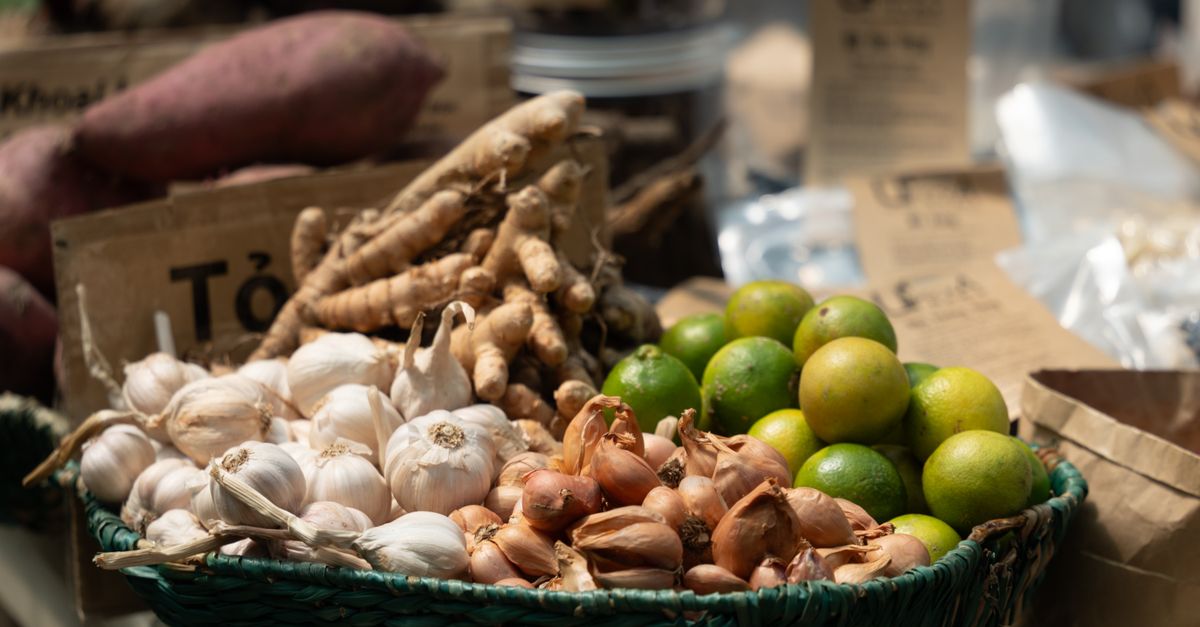
Ginger inhibits both COX and 5-LOX (lipoxygenase) enzymes, giving it broader anti-prostaglandin and anti-leukotriene activity than NSAIDs alone. LOX products (leukotrienes) contribute to the pelvic pain and uterine hypersensitivity that NSAIDs often do not fully address. A double-blind trial in 150 students found that 250 mg ginger powder four times daily during the first three days of menstruation reduced pain scores comparably to 250 mg mefenamic acid and 400 mg ibuprofen (Ozgoli et al., Journal of Alternative and Complementary Medicine 2009; PMID: 19216660). Ginger is non-hormonal and has an excellent safety profile at these doses.
Magnesium glycinate
As noted earlier, magnesium reduces prostaglandin F2α and also relaxes uterine smooth muscle via calcium channel antagonism — magnesium competes with calcium at voltage-gated channels in myometrial cells, reducing contractile force. A randomized trial found that magnesium supplementation significantly reduced the number of days with pain and the need for pain medication in primary dysmenorrhea compared to placebo (Seifert et al., PMID: 2675496). The effect is most pronounced in people with baseline magnesium insufficiency, which is common given that roughly 45% of American adults consume below the estimated average requirement.
Heat therapy
A controlled trial found that continuous low-level topical heat (38–40°C applied to the lower abdomen) was as effective as ibuprofen 400 mg for menstrual pain, and that combining heat with ibuprofen outperformed either alone (Akin et al., Obstetrics & Gynecology 2001; PMID: 11239651). This is pharmacologically significant — heat increases local blood flow, reduces ischemia-driven pain, and may independently suppress local prostaglandin release through thermal effects on cyclooxygenase activity. A quality heating pad used at the first sign of cramping, combined with the supplements above, can make a significant dent without any pharmacological dependence.
Dietary adjustments in the 5–7 days before your period
Reducing refined carbohydrates, alcohol, and high-arachidonic acid foods (factory-farmed meat, processed snacks) decreases the substrate pool for pro-inflammatory prostaglandins. Increasing cruciferous vegetables supports estrogen clearance via the liver's phase II detoxification pathways (specifically the DIM and sulforaphane-driven upregulation of CYP1A2 and SULT1A1 enzymes), which reduces the circulating estrogen load that drives endometrial COX-2 expression. This dietary shift takes two to three cycles to produce measurable changes in estrogen metabolite ratios, so it pairs well with faster-acting interventions like ginger and heat.
---
Making Your Period Care Routine Work for You — Consistency and Practicality
Practical period management matters more than most clinical content acknowledges. Whether you prefer reusable period underwear, menstrual discs, high-capacity cups, or carefully curated conventional products — the goal is to set up a system that removes decision fatigue during the days when your energy and cognitive bandwidth are lowest.
Period underwear rated for heavy flow (absorbing 10+ mL per garment) can be genuinely life-changing for people managing unexpected gushes. Menstrual discs sit higher in the vaginal fornix than cups and can be emptied and reinserted without removal, which many people find more comfortable during peak flow days. The practical point: whatever system makes you feel in control is the right one — because reducing the anxiety and cognitive load of managing heavy bleeding is itself part of symptom management, and lower situational stress translates directly to lower cortisol across the cycle.
For brittle nails that worsen around your cycle or itchy skin that flares with heavy bleeding, building a supplement routine that you actually take consistently is the difference between results and frustration. Behavioral science on habit stacking — anchoring a new behavior to an already-automatic one like morning coffee or brushing teeth — shows significantly better adherence than trying to remember supplements as a standalone task. Set your Ones capsules next to whatever you already do every morning, and the consistency problem largely solves itself.
---
What This Means for Your Formula
If you're managing heavy period symptoms without hormones, the supplement stack that moves the needle most is the one calibrated to your actual labs — not a generic women's multivitamin. Here's where Ones is specifically relevant:
Omega-3 (EPA + DHA at clinical doses): Ones includes pharmaceutical-grade omega-3 dosed at the range used in dysmenorrhea trials — not the token 300 mg found in most multivitamins. Given that prostaglandin competition is the core mechanism for both blood loss reduction and cramp relief, EPA/DHA is one of the highest-leverage non-hormonal inputs available, and it's only included at therapeutic dose when your omega-3 index indicates a gap.
Ashwagandha KSM-66 (600 mg): For cycles driven by cortisol-progesterone imbalance, Ones includes KSM-66 at the full 600 mg dose used in the Chandrasekhar 2012 cortisol-reduction trial (PMID: 23439798) — the same extract, same dose. This is particularly relevant for people whose heavy periods and cramp severity track closely with stressful life periods.
Rhodiola Rosea (standardized extract): For the recovery phase — months into managing depletion — Ones can include rhodiola at doses matching the Olsson 2009 RCT parameters, specifically for people whose wearable data and health history flag sustained fatigue and HPA axis burden. Unlike ashwagandha, rhodiola is mildly stimulating rather than sedating, which makes it the better fit for daytime energy restoration alongside iron repletion.
Ones' AI health practitioner reviews your blood work, wearable sleep and stress data, and health history before building your formula — so if your ferritin is already optimal, you won't receive redundant iron support. If your omega-3 index is low and your stress markers are elevated, those get prioritized in the same formula. That personalization is what separates a targeted non-hormonal protocol from throwing the entire supplement aisle at the problem.
| Approach | Mechanism | Evidence Level | Time to Effect |
|---|---|---|---|
| Omega-3 (EPA+DHA 1–3 g/day) | Shifts prostaglandin synthesis to series-3 | RCT, PMID 8554021 | 6–8 weeks |
| Magnesium glycinate (300–400 mg) | Reduces PGF2α; relaxes uterine smooth muscle | RCT, PMID 2675496 | 2–4 weeks |
| Ginger root (250 mg 4×/day) | COX + LOX inhibition | RCT, PMID 19216660 | Same cycle |
| KSM-66 Ashwagandha (600 mg) | Lowers cortisol; spares progesterone | RCT, PMID 23439798 | 4–8 weeks |
| Rhodiola rosea (200–400 mg) | Adrenal support; reduces fatigue | RCT, PMID 19016404 | 2–4 weeks |
| Every-other-day iron bisglycinate | Bypasses hepcidin rebound; rebuilds ferritin | RCT, PMID 28709673 | 8–12 weeks |
| Heat therapy (38–40°C topical) | Increases local perfusion; suppresses COX locally | RCT, PMID 11239651 | Immediate |
---
Key Takeaways
- Heavy periods deplete iron rapidly, creating cascading secondary symptoms — fatigue, brain fog, insomnia, palpitations — that require targeted replenishment informed by labs, not just symptom management.
- Stress is mechanistically linked to heavier flow via the cortisol-pregnenolone-progesterone pathway; addressing HPA axis burden with KSM-66 and sleep optimization is as important as any anti-cramping supplement.
- Omega-3s (EPA/DHA at 1–3 g/day), magnesium glycinate, and ginger root have randomized trial support for reducing both menstrual blood loss and cramping pain without hormonal intervention — but omega-3s require 6–8 weeks to shift membrane ratios, so consistency matters.
- Every-other-day iron bisglycinate absorbs 55% more efficiently than daily ferrous sulfate and causes significantly less GI distress, making it the preferred replenishment strategy for most people with heavy-period-driven deficiency.
- Recovery from months of heavy-period-driven depletion requires labs first, then a layered protocol addressing iron, vitamin D, B12, and adrenal support in sequence — and it takes the same number of months to rebuild as it took to deplete.
- Consistency in your supplement routine matters as much as ingredient selection — habit-stacking your protocol around anchored daily behaviors is the single highest-leverage behavioral intervention for long-term adherence and measurable results.
---
This article is for informational purposes only and does not constitute medical advice. If you suspect iron deficiency anemia, fibroids, adenomyosis, or another underlying cause of heavy periods, consult a licensed healthcare provider for evaluation and personalized treatment.