Supplements
Are Brittle Nails Normal During a Heavy Period?
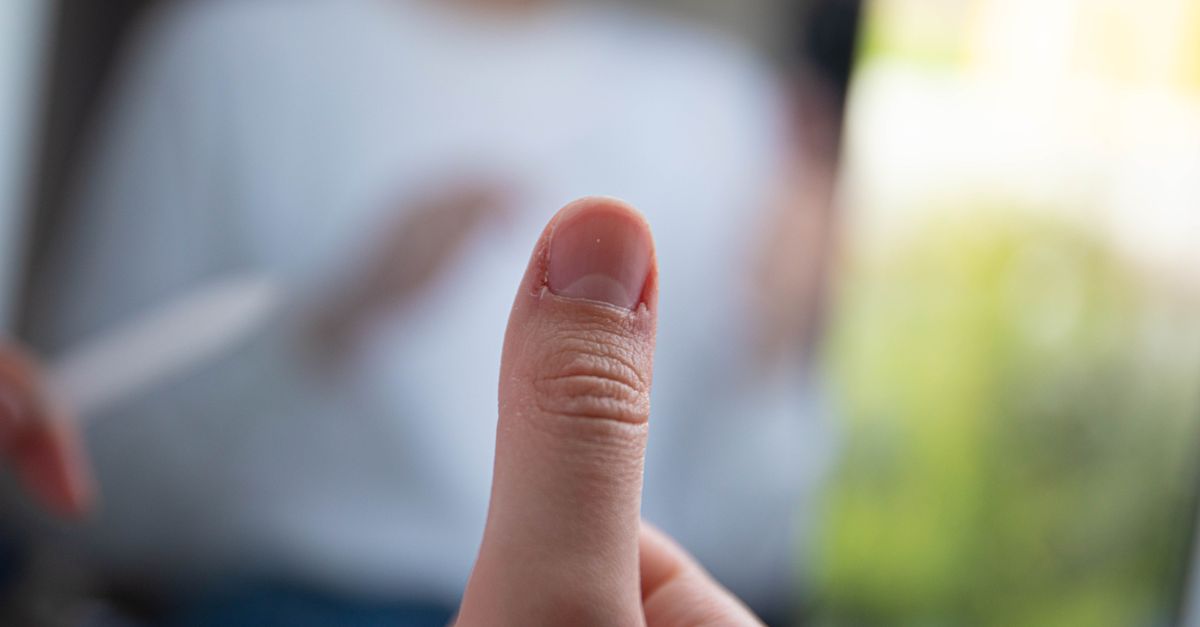
Brittle, peeling nails during a heavy period are more common than most people realize — and they're rarely just a cosmetic issue. Monthly blood loss can quietly drain iron, zinc, and B-vitamins to levels that visibly affect nail structure. If your nails are breaking more than usual around your cycle, your body may be signaling a nutrient deficit worth taking seriously.
Are Brittle Nails Normal During a Heavy Period?
Yes, brittle nails during or after a heavy period are common and usually linked to iron or zinc depletion from blood loss — not a standalone nail condition. The main caveat: "common" does not mean harmless. Chronic heavy menstrual bleeding (HMB) can push ferritin and zinc low enough to structurally compromise nail keratin. The exception is women who replenish these nutrients consistently; they rarely see cycle-related nail changes.
Why Heavy Periods Affect Nail Health
Nails are made almost entirely of keratin, a structural protein whose synthesis depends on a surprisingly short list of micronutrients: iron, zinc, biotin, and protein. When you lose more than 80 mL of blood per cycle — the clinical threshold for heavy menstrual bleeding — you're also losing meaningful amounts of iron and trace minerals with every period.
Iron is needed for oxygen delivery to the nail matrix, the tissue at the base of each nail where new cells are made. When ferritin falls, the nail matrix receives less oxygen, cell turnover slows, and the resulting nail plate is thinner and more prone to splitting or peeling. A landmark study found that women with heavy menstrual bleeding had significantly lower serum ferritin than age-matched controls, with nail fragility among the reported symptoms (Hallberg et al., American Journal of Clinical Nutrition 1966; PMID: 5909754).
Zinc plays a parallel role. It's required for the enzymatic cross-linking of keratin proteins, and sweat and blood loss both deplete it. Research in the Journal of Trace Elements in Medicine and Biology showed that low plasma zinc was independently associated with brittle nail syndrome in otherwise healthy women (Ibs & Rink, 2003; PMID: 14977436). Even modest zinc shortfalls — not full deficiency, just suboptimal status — are enough to alter nail texture.
Biotin (vitamin B7) rounds out the trio. A multicenter trial found that women taking 2.5 mg of biotin daily for 6 months showed a 25% increase in nail plate thickness and a significant reduction in splitting (Colombo et al., Journal of the American Academy of Dermatology 1990; PMID: 2312102). Biotin doesn't get depleted by bleeding the way iron does, but its utilization is impaired when B-vitamin status overall is low — which heavy-period patients often are.
How Much Iron Is Lost in a Heavy Period?
The average menstrual cycle loses roughly 30–40 mL of blood, containing about 15–20 mg of elemental iron. Heavy menstrual bleeding (>80 mL per cycle) can push that loss to 40–80 mg of iron per cycle — more than many women absorb from diet in an entire week.
Ferritin is the stored form of iron, and it's also the earliest marker to fall. Many women feel and look fine when hemoglobin is still normal but ferritin has already dropped below 30 ng/mL. At that level, symptoms like fatigue, brain fog, and brittle nails often appear before a standard blood count shows anything abnormal. If you're also noticing exhaustion around your period or brain fog that tracks with your cycle, low ferritin is frequently the common denominator.
| Blood Loss per Cycle | Estimated Iron Lost | Risk Level |
|---|---|---|
| <30 mL (light) | <15 mg | Low |
| 30–80 mL (normal–moderate) | 15–40 mg | Moderate if diet is low in heme iron |
| >80 mL (heavy) | >40 mg | High; ferritin drops within 2–3 cycles |
Other Symptoms That Often Travel With Brittle Nails
Brittle nails rarely appear in isolation when heavy periods are the cause. The same nutrient shortfalls that compromise nail keratin also affect other tissues. Common co-occurring symptoms include:
- Fatigue and reduced exercise tolerance (iron-related)
- Heart palpitations around your period (iron-deficiency anemia reducing oxygen delivery)
- Insomnia that worsens premenstrually (iron's role in dopamine synthesis and sleep regulation)
- Hair shedding, especially in the weeks after a heavy period
- Pale nail beds or a bluish tint at the nail base
- Spoon-shaped nails (koilonychia) in more severe iron deficiency
If you're experiencing two or more of these together, the pattern strongly suggests systemic nutrient depletion rather than a localized nail problem.
What Your Blood Work Should Show
If brittle nails and heavy periods are both present, these are the panels worth requesting:
| Test | What It Measures | Optimal Range (Not Just "Normal") |
|---|---|---|
| Serum ferritin | Iron stores | 50–100 ng/mL for symptom resolution |
| Serum iron + TIBC | Iron transport capacity | Iron: 60–170 mcg/dL |
| Zinc (serum or RBC) | Functional zinc status | Serum: 70–120 mcg/dL |
| CBC (complete blood count) | Hemoglobin, hematocrit | Hgb >12 g/dL for women |
| Biotin (if prolonged nail changes) | B7 status | Rarely deficient; consider raw egg intake as a depletor |
Note: Standard laboratory "normal" ranges for ferritin often extend down to 12–15 ng/mL. That is the threshold for outright deficiency, not the threshold for feeling well or growing healthy nails. Functional medicine practitioners typically aim for ferritin above 50 ng/mL in women with HMB-related symptoms.
The Secondary Keywords in This Context: Why Liver Enzymes Don't Apply
Searches around "GGT normal range by age," "ALT normal range by age," and "AST normal range by age" relate to liver function panels — not to heavy periods or nail health. These tests measure hepatocyte damage and bile duct stress, which are unrelated to menstrual blood loss or brittle nails unless a separate liver condition is present. Similarly, "TSH normal range by age" is a thyroid marker; while hypothyroidism can independently cause brittle nails, it is a distinct mechanism from iron/zinc depletion caused by HMB. If you're investigating nail changes, your first-line blood work should focus on the iron and zinc panels above, not liver enzymes or thyroid panels — unless your clinician has a specific reason to suspect those systems.
For a detailed explainer on liver enzyme interpretation, see what ALT, AST, and GGT tell you about liver health.
Nutritional Strategies to Rebuild Nail Strength
The good news: nutrient-driven nail changes are reversible. Nails grow roughly 3 mm per month, so meaningful improvement typically takes 3–6 months of consistent repletion. The protocol has three layers:
1. Dietary Iron Prioritization
Heme iron (from red meat, organ meat, poultry) is absorbed at roughly 15–35%, compared to 2–20% for non-heme iron from plants. Women with HMB who avoid red meat face a structural disadvantage. Pairing non-heme sources with vitamin C (50–100 mg per meal) meaningfully improves absorption by reducing ferric iron to the absorbable ferrous form.
2. Targeted Supplementation
| Nutrient | Therapeutic Dose | Evidence Level |
|---|---|---|
| Iron (bisglycinate or ferrous sulfate) | 25–65 mg elemental iron/day | Strong; Hallberg 1966, PMID 5909754 |
| Zinc (bisglycinate or picolinate) | 15–30 mg/day | Moderate; Ibs & Rink 2003, PMID 14977436 |
| Biotin | 2.5–5 mg/day | Moderate; Colombo 1990, PMID 2312102 |
| Vitamin C | 500–1000 mg with iron dose | Strong; enhances non-heme absorption |
Important: high-dose iron supplementation requires monitoring — excess iron is pro-oxidant and can cause GI distress or mask other conditions. Work with a clinician before exceeding standard doses.
3. Addressing the Underlying Bleeding Volume
Supplement protocols address the downstream effect. If periods are consistently heavy enough to cause recurring nutrient loss, investigating the cause — fibroids, adenomyosis, endometriosis, a bleeding disorder — is more important than indefinite supplementation. Brittle nails should be treated as a signal to investigate, not just a cosmetic problem to patch.
What This Means for Your Formula
Ones builds personalized formulas from lab results and health history, which makes heavy-period-related nutrient loss one of the clearer use cases for a data-driven approach. Rather than guessing at iron or zinc status, the AI health practitioner analyzes your blood work and flags the specific gaps.
For brittle nails driven by heavy menstrual bleeding, relevant Ones ingredients include:
- Zinc (bisglycinate, 25–30 mg): Dosed to match the therapeutic range used in zinc-deficiency nail studies, not just the RDA of 8 mg. Bisglycinate form minimizes GI side effects common with zinc sulfate.
- Vitamin C (500–1000 mg): Included where blood work suggests iron absorption is a bottleneck, paired specifically to support non-heme iron uptake.
- Biotin (2.5 mg): Matched to the clinical dose from the Colombo trial showing 25% increase in nail plate thickness. Included when nail fragility and splitting are part of the intake profile.
Iron itself is not currently in the Ones catalog as a standalone ingredient — iron supplementation requires tighter clinical monitoring than most other micronutrients, and the threshold for therapeutic dosing vs. excess is narrow. If your labs show depleted ferritin, the Ones AI will flag this and recommend clinical follow-up for iron specifically, while building the surrounding formula to support absorption and utilization.
Brittle nails are also one symptom cluster in a broader pattern of heavy-period-related changes. If you're also dealing with bloating or fluid retention around your cycle, or noticing muscle loss that tracks with heavier periods, a complete blood panel interpreted in context tends to reveal more than investigating each symptom separately.
Key Takeaways
- Brittle nails during or after a heavy period are common and usually caused by iron and zinc depletion from blood loss — not a standalone nail condition.
- Heavy menstrual bleeding (>80 mL per cycle) can remove 40+ mg of iron per month, enough to drop ferritin into the symptomatic range within a few cycles.
- Ferritin below 50 ng/mL and sub-optimal zinc status are the most likely culprits; standard lab "normal" ranges often miss functional deficiency.
- Biotin at 2.5 mg/day has clinical evidence for improving nail thickness and reducing splitting over 3–6 months of use.
- Brittle nails rarely appear alone — heart palpitations, fatigue, brain fog, and hair shedding around the same cycle are meaningful co-signals worth investigating together.
- Supplementing zinc and biotin addresses downstream nail quality; investigating the cause of heavy bleeding itself is the most important long-term step.