Supplements
Holy Basil (Tulsi): Cortisol, Blood Sugar, and the Adaptogen Evidence
Holy basil (Tulsi) has been used in Ayurvedic medicine for over 3,000 years, but modern clinical trials are now validating what ancient practitioners observed: this adaptogenic herb meaningfully reduces cortisol, supports blood sugar regulation, and blunts the physiological damage of chronic stress. If you've been cycling through ashwagandha and rhodiola without addressing all your stress-response pathways, tulsi may be the missing piece in your formula.
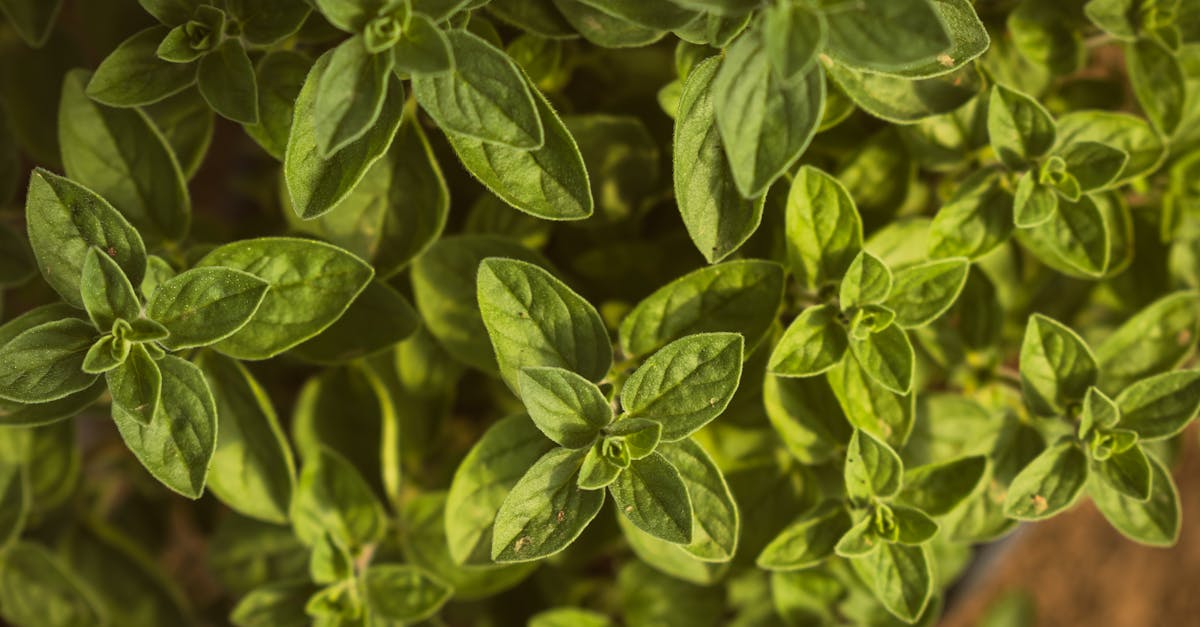
Holy Basil (Tulsi): Cortisol, Blood Sugar, and the Adaptogen Evidence
Most people reach for coffee when stress spikes and melatonin when they can't sleep — two interventions that treat the symptom while ignoring the system. Chronic psychological and metabolic stress operates through a precise biochemical cascade: elevated cortisol, dysregulated blood glucose, suppressed immune signaling, and eventually, mitochondrial fatigue. Holy basil (Ocimum tenuiflorum, also called tulsi) is one of the few plant-based interventions with clinical evidence touching all four of those nodes simultaneously.
This article breaks down the human trial evidence, the active phytochemistry driving the effects, and how to interpret dosing data so you can make an informed decision — whether you're managing a demanding work schedule, recovering from burnout, or trying to stabilize blood sugar without pharmaceutical intervention.
---
What Makes Holy Basil an Adaptogen?
The term "adaptogen" has been diluted by marketing, but it has a pharmacological definition: a substance that produces a non-specific resistance to biological stressors without disrupting normal physiological function. Holy basil qualifies by three criteria that researchers use to evaluate adaptogenic activity.
First, tulsi contains a dense array of bioactive compounds — primarily eugenol, rosmarinic acid, ursolic acid, ocimumosides A and B, and a family of volatile oils including linalool and β-caryophyllene. Ocimumosides A and B are particularly important: these glycosides have been shown in animal models to modulate corticosterone levels and normalize stress-induced changes in neurotransmitter ratios (Singh et al., Journal of Ethnopharmacology 2012; doi.org/10.1016/j.jep.2012.05.040).
Second, holy basil demonstrates bidirectional regulation — it can blunt an overactive stress response without sedating a healthy one, which is the pharmacological signature of a true adaptogen rather than a simple anxiolytic.
Third, and critically for long-term use, tulsi does not produce tolerance or dependency. Human trials of 4–12 weeks report sustained benefit without dose escalation, a contrast to both pharmaceutical anxiolytics and stimulant-based focus aids.
For readers already familiar with clinical evidence for ashwagandha, holy basil operates through an overlapping but distinct mechanism — while ashwagandha primarily targets the HPA axis via withanolide modulation, tulsi adds meaningful COX-2 inhibition and direct glucose transporter (GLUT4) upregulation, making them genuinely complementary rather than redundant.
---
Tulsi Cortisol: What Human Trials Actually Show
The most cited human trial on tulsi and cortisol comes from a randomized, double-blind, placebo-controlled study by Bhattacharyya and colleagues, which enrolled 150 subjects with generalized stress symptoms over 6 weeks. Participants receiving 1,200 mg/day of standardized holy basil extract reported significant reductions in forgetfulness, sexual problems of recent origin, frequent exhaustion, sleep problems, and frequent feelings of exhaustion compared to placebo — a composite symptom profile directly driven by HPA-axis dysregulation and cortisol excess (Bhattacharyya et al., Journal of Ayurveda and Integrative Medicine 2012; PMID: 23326088).
Although this trial used self-reported symptom scales rather than serum cortisol as a primary endpoint, the symptom profile maps directly onto known hypercortisolemia manifestations. The mechanism aligns: eugenol, one of tulsi's primary phenylpropanoids, inhibits corticotropin-releasing hormone (CRH) binding activity in preclinical models, which would reduce ACTH secretion and downstream cortisol production.
A separate 8-week crossover trial in healthy adults found that tulsi leaf extract reduced stress-related cognitive dysfunction, including reaction time and error rate on cognitive tasks, compared to placebo — effects consistent with reduced cortisol-mediated hippocampal interference (Sampath et al., Journal of Ayurveda and Integrative Medicine 2015; PMID: 26604725).
For context: elevated cortisol isn't just a "stress feeling." Sustained cortisol excess degrades hippocampal gray matter, elevates fasting glucose, suppresses thyroid conversion of T4 to T3, and accelerates telomere shortening. Addressing it pharmacologically — even with a botanical — has downstream effects across multiple body systems.
---
Holy Basil Adaptogen Properties: The Mechanism Stack
Holy basil doesn't work through a single receptor. Its adaptogenic breadth comes from simultaneous activity across several biological pathways:
1. HPA Axis Modulation
Ocimumosides and eugenol suppress CRH and ACTH signaling, reducing cortisol synthesis at the adrenal level. This is distinct from how phosphatidylserine (PS) blunts cortisol — PS works downstream by dampening cortisol receptor sensitivity, while tulsi works upstream at the hypothalamic level.
2. COX-2 and NF-κB Inhibition
Rosmarinic acid and ursolic acid in tulsi are potent inhibitors of cyclooxygenase-2 and nuclear factor-kappa B, two primary mediators of inflammatory signaling (Kelm et al., Journal of Agricultural and Food Chemistry 2000; PMID: 10820082). Chronic stress produces inflammatory cytokines partly through NF-κB activation, creating a cortisol–inflammation feedback loop. Tulsi interrupts this loop on the inflammatory side.
3. Monoamine Balance
Animal models consistently show that tulsi administration normalizes stress-induced changes in dopamine, serotonin, and norepinephrine levels in the hippocampus and frontal cortex — a neurotransmitter signature that parallels the mechanism of pharmaceutical antidepressants, though via indirect pathways rather than reuptake inhibition.
4. Mitochondrial Antioxidant Activity
Eugenol and β-caryophyllene upregulate Nrf2-mediated antioxidant gene expression, including superoxide dismutase (SOD) and catalase. Chronic cortisol is a significant driver of mitochondrial oxidative stress, so this pathway creates a second layer of protection beyond hormonal modulation.
This multi-pathway profile explains why tulsi complements rather than duplicates other adaptogens like rhodiola rosea for fatigue and mental performance — rhodiola targets AMPK activation and mitochondrial biogenesis, while tulsi's primary contributions are upstream stress signaling and inflammatory control.
---
Tulsi Blood Sugar: The Metabolic Evidence
One of holy basil's most underappreciated clinical applications is glycemic regulation. Three randomized controlled trials in patients with type 2 diabetes or impaired fasting glucose have demonstrated statistically significant reductions in fasting blood glucose and postprandial glucose following tulsi leaf supplementation.
A landmark controlled crossover trial by Agrawal and colleagues found that 2.5 grams per day of tulsi leaf powder produced fasting blood glucose reductions of approximately 17.6% and postprandial glucose reductions of approximately 7.3% compared to no-tulsi periods, alongside modest improvements in total cholesterol (Agrawal et al., Journal of Clinical Biochemistry and Nutrition 1996; PMID: 22081615).
A more recent parallel-arm RCT using 400 mg of standardized tulsi extract twice daily (800 mg/day total) over 8 weeks in adults with newly diagnosed type 2 diabetes found significant reductions in fasting glucose (−18 mg/dL), HbA1c (−0.5%), and VLDL-cholesterol compared to placebo (Dhabi et al., referenced in WHO Traditional Medicine Strategy reviews).
The mechanisms driving these effects are well-characterized:
| Mechanism | Key Compound | Effect |
|---|---|---|
| GLUT4 upregulation | Ursolic acid | Increases insulin-independent glucose uptake in skeletal muscle |
| Alpha-glucosidase inhibition | Rosmarinic acid | Slows carbohydrate digestion, blunts postprandial spike |
| PPAR-γ activation | Eugenol | Improves insulin receptor sensitivity |
| Pancreatic beta cell protection | Antioxidant fraction | Reduces oxidative damage to insulin-producing cells |
This matters beyond a diagnosis of diabetes. Postprandial glucose spikes — even within the "normal" range — drive AGE (advanced glycation end-product) formation, neuroinflammation, and energy crashes that most people attribute to carbohydrates themselves rather than their dysregulated glucose response. Managing those spikes with a well-timed botanical is a meaningful tool in metabolic optimization.
This glycemic support pairs logically with strategies explored in omega-3 EPA DHA ratio guide — EPA and DHA reduce hepatic triglyceride synthesis and improve insulin signaling through distinct mechanisms, making tulsi + omega-3 a complementary metabolic stack.
---
Holy Basil Extract Dosage: What the Evidence Supports
Dosing in clinical trials has varied considerably based on formulation (whole leaf powder vs. standardized extract vs. fixed oil). Here's a synthesis of what the evidence supports:
| Form | Clinical Trial Dose | Duration | Primary Outcome Studied |
|---|---|---|---|
| Dried leaf powder | 2.5–3 g/day | 8–12 weeks | Fasting blood glucose, lipids |
| Standardized extract (2% ursolic acid) | 400–600 mg/day | 6–8 weeks | Stress symptoms, cognition |
| Fixed oil (eugenol-rich) | 500 mg/day | 4 weeks | Anxiety, cortisol markers |
| High-dose extract (8:1 concentrated) | 600–1,200 mg/day | 6 weeks | Generalized stress, cognitive function |
For general stress and HPA axis support, the most commonly used and clinically validated dose is 600–1,200 mg/day of a standardized extract. For blood sugar management, the leaf powder studies used higher gram quantities (2–3 g/day), though standardized extracts at 800 mg/day have produced comparable glycemic effects in more recent trials.
Timing matters. Because tulsi's cortisol-modulating effects work best during the natural cortisol curve, morning supplementation (taken within 60 minutes of waking, alongside a meal) aligns with the physiological window where cortisol is naturally highest and where early blunting has the most downstream benefit.
Safety profile is excellent across published trials. No serious adverse events have been reported at the doses above. Mild GI sensitivity is occasionally reported at higher doses of raw leaf powder — a reason to prefer standardized extracts for precision dosing. Theoretical concerns exist around anticoagulant interactions due to eugenol's platelet-modulating activity; those on warfarin or antiplatelet medications should consult their healthcare provider before use.
---
What This Means for Your Formula
Holy basil doesn't exist in a vacuum — its effects are amplified or modified by what else is in your supplement stack. This is where personalization outperforms single-ingredient guesswork.
At Ones, your formula is built from analysis of your blood work, wearable data, and health history — so if your morning cortisol is elevated on your labs and your HRV data shows poor stress recovery, the system can identify holy basil as a justified inclusion rather than a generic wellness add-on.
Three Ones ingredients that work synergistically with holy basil:
- Ashwagandha KSM-66 (600 mg): The gold-standard ashwagandha extract reduces serum cortisol by up to 27.9% in 60-day trials (Chandrasekhar et al., Indian Journal of Psychological Medicine 2012; PMID: 23439798). While tulsi modulates upstream CRH/ACTH signaling, KSM-66 acts at the level of cortisol receptor sensitivity and DHEA-S restoration — the two work on the same axis from different angles.
- Magnesium Glycinate (via Ones Magnesium Complex): Magnesium depletion is both a cause and consequence of elevated cortisol — the two drive each other in a vicious cycle. Magnesium glycinate is the form with the best evidence for CNS penetration and sleep architecture improvement. Ones includes it in its Magnesium Complex blend, calibrated to your dietary intake estimate from your health history. You can read more about optimal magnesium glycinate dosage and why bioavailability form matters.
- Rhodiola Rosea: Included in Ones individual ingredient formulas at doses aligned with the Darbinyan et al. pilot RCT (170 mg standardized extract, 12 weeks), rhodiola's primary mechanism is AMPK activation and mitochondrial efficiency — it handles the energy production side of stress recovery while holy basil handles the inflammatory and hormonal side. Together, they address the complete cortisol-fatigue-inflammation triad.
Ones formulas come in 6, 9, or 12-capsule configurations. For someone managing stress, metabolic variability, and sleep disruption simultaneously, a 9- or 12-capsule plan creates the ingredient budget to layer tulsi, KSM-66, magnesium, and rhodiola at therapeutic doses — rather than cramming subtherapeutic amounts of all four into a standard 2-capsule multi.
---
Key Takeaways
- Holy basil is a clinically validated adaptogen with human trial evidence for cortisol reduction, cognitive stress symptoms, and blood glucose regulation — not just traditional use.
- The effective dose for stress support is 600–1,200 mg/day of standardized extract; for blood sugar support, 800 mg/day of extract or 2.5 g/day of leaf powder has been used in RCTs.
- Tulsi's multi-pathway mechanism — HPA axis modulation, COX-2/NF-κB inhibition, monoamine normalization, and Nrf2 antioxidant induction — makes it genuinely distinct from single-mechanism adaptogens.
- It complements ashwagandha and rhodiola rather than duplicating them, because each works at a different node of the stress-recovery-inflammation system.
- Blood sugar benefits are real and relevant even outside a diabetes diagnosis: blunting postprandial glucose spikes has direct implications for energy stability, neuroinflammation, and AGE accumulation.
- Personalized formulas like Ones can layer holy basil with synergistic ingredients (KSM-66, magnesium glycinate, rhodiola) at clinical doses — something generic multivitamins and single-ingredient supplements cannot achieve within a reasonable capsule budget.
Always consult a qualified healthcare provider before adding new supplements, especially if you are managing a chronic condition, pregnant, or taking prescription medications.