Supplements
How Do I Know If I Have a Heavy Period?
Heavy menstrual bleeding affects roughly one in three women, yet most never receive a formal diagnosis or targeted support. If you find yourself soaking through pads or tampons faster than expected, passing large clots, or feeling exhausted for days after your period starts, you may be dealing with clinically heavy bleeding — a condition with real, addressable causes.
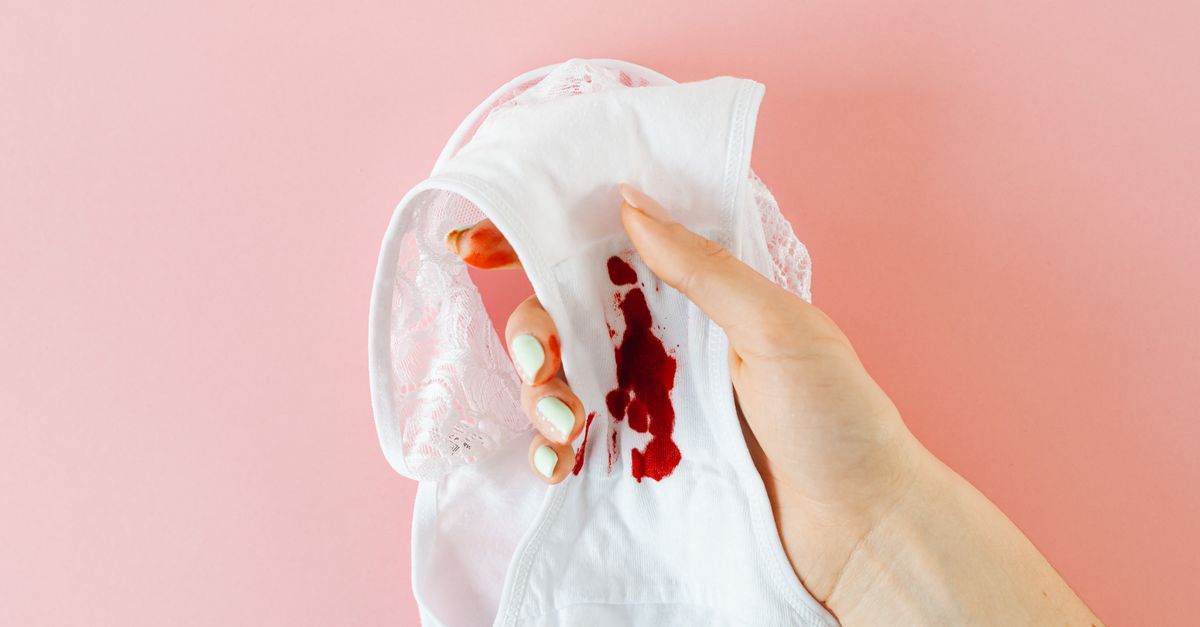
How Do I Know If I Have a Heavy Period?
Yes, there is a clinical threshold. Heavy menstrual bleeding (HMB) is defined as losing more than 80 mL of blood per cycle — enough to cause iron deficiency, fatigue, and disrupted daily life. The main caveat is that most people can't measure volume directly, so symptom-based markers (soaking a pad or tampon every hour, passing clots larger than a quarter) are the practical standard. Women with fibroids, PCOS, or endometriosis are at higher risk, but HMB can affect anyone at any reproductive stage.
---
What Does Clinically Heavy Bleeding Actually Look Like?
Medically, heavy menstrual bleeding (HMB) is defined by the American College of Obstetricians and Gynecologists (ACOG) as blood loss exceeding 80 mL per menstrual cycle — roughly double what most people lose (30–40 mL on average). Because measuring volume at home is impractical, clinicians use a validated symptom checklist that you can self-apply.
Practical signs your period may be clinically heavy:
- Soaking through a full-sized pad or tampon in less than an hour, on multiple consecutive hours
- Needing to use a pad and a tampon simultaneously for protection
- Passing blood clots larger than a quarter (25 mm diameter)
- Bleeding that lasts longer than 7 days
- Needing to change protection during the night
- Symptoms of iron-deficiency anemia: persistent fatigue, shortness of breath on exertion, brain fog, or pallor
A 2004 systematic review in the British Journal of General Practice found that only 40–60% of women who report heavy periods actually exceed the 80 mL threshold when measured objectively, but symptom burden — fatigue, social disruption, quality-of-life impairment — was significant regardless of measured volume (Shapley et al., BJGP 2004; PMID: 15527609). This means: if your period is interfering with your daily life, that is clinically meaningful, whether or not you hit the 80 mL cutoff.
The NICE guideline on HMB (NG88, 2018) reinforces this, stating that HMB should be defined as "excessive menstrual blood loss that interferes with a woman's physical, social, emotional, and material quality of life." That is an important reframe — it shifts the focus from a number you can't measure to an experience you absolutely can recognize.
---
How Often Should You Be Changing Protection? (The Hourly Rule)
One of the clearest practical benchmarks is the frequency of pad or tampon changes. For reference:
| Situation | What It May Signal |
|---|---|
| Changing every 3–4 hours on heaviest days | Typical flow |
| Changing every 1–2 hours consistently | Moderate-to-heavy flow; worth tracking |
| Changing every hour for 2+ consecutive hours | Meets clinical HMB criteria |
| Soaking through overnight protection repeatedly | Significant HMB; seek evaluation |
| Passing clots >25mm diameter | Associated with submucosal fibroids or structural cause |
A prospective study of 1,000 women attending gynecology clinics found that self-reported need to change protection more than hourly had a specificity of 89% for confirmed HMB by alkaline hematin (pictorial blood loss assessment), making it one of the most reliable self-screening tools available (Magnay et al., BJOG 2010; PMID: 20536431).
If you are tracking your cycle and want a structured method, the Pictorial Blood Loss Assessment Chart (PBAC) assigns scores to pad saturation, tampon saturation, and clot size over each day of your cycle. A PBAC score above 100 per cycle correlates with blood loss exceeding 80 mL. Free versions of this tool are available through several women's health organizations.
---
Why Symptoms Change Week to Week — and What That Tells You
If you have ever wondered why your symptoms seem to shift unpredictably from one week to the next, the answer lies in the hormonal architecture of your cycle. Estrogen and progesterone don't move in a straight line — estrogen peaks at ovulation, drops sharply before your period, while progesterone surges in the luteal phase and then crashes if implantation doesn't occur.
These hormonal fluctuations directly regulate prostaglandin production in the uterine lining. Higher prostaglandin F2α (PGF2α) levels cause stronger uterine contractions and heavier shedding. In women with HMB, endometrial prostaglandin levels are measurably higher, contributing not just to heavier flow but to more painful cramping (Smith et al., Prostaglandins 1981; PMID: 7027902).
This mechanism also explains why heavy bleeding often clusters in the first 2–3 days of a period — that's when prostaglandin release peaks — and why symptoms can feel disproportionately severe compared to women with lighter cycles.
Additionally, the week before your period (the luteal phase) can bring its own cluster of symptoms — mood shifts, breast tenderness, bloating, and poor sleep. If you find yourself asking whether insomnia during a heavy period is normal, you are not alone. Progesterone's metabolite allopregnanolone normally has a sedating effect, but when progesterone drops abruptly before menstruation, sleep architecture is disrupted, with documented reductions in REM sleep during the late luteal and early menstrual phases.
---
When Doctors Miss It — and What to Do
One of the most frustrating realities of menstrual health is how often heavy bleeding is minimized or dismissed in clinical settings. If you've felt like your concerns weren't taken seriously, you are describing a well-documented pattern. Research shows that women wait an average of 6–8 years before receiving a diagnosis for conditions like endometriosis, and that primary care consultations for menstrual complaints are disproportionately brief (Ballard et al., BJOG 2006; PMID: 16827826).
If you want to read more about this dynamic, the article on why doctors dismiss heavy period symptoms covers the research in depth. The short version: providers often lack training in menstrual medicine, and cultural norms around "just dealing with it" still shape how complaints are received.
What to bring to your appointment:
- A completed PBAC chart for at least one full cycle
- A list of your heaviest days with hour-by-hour changes noted
- Any associated symptoms: fatigue, hair thinning, palpitations (signs of iron deficiency)
- Family history of bleeding disorders (von Willebrand disease affects ~1% of women and is frequently under-diagnosed)
- Current medications and supplements
Asking specifically for a ferritin test, a complete blood count (CBC), thyroid panel, and pelvic ultrasound is appropriate and evidence-based. These are the standard first-line investigations recommended by ACOG and NICE for HMB.
---
Could PCOS or Endometriosis Be Behind It?
Heavy periods don't always have a standalone cause. Two of the most common underlying conditions worth investigating are PCOS and endometriosis — both of which alter hormonal signaling in ways that affect menstrual volume and duration.
In PCOS, irregular ovulation means the uterine lining isn't shed on a predictable schedule. When it does shed, the buildup can produce heavier, longer, and more unpredictable periods. If you are also dealing with acne, excess hair growth, irregular cycles, or difficulty managing weight, learning how to know if you have PCOS is a reasonable next step.
Endometriosis — where endometrial-like tissue grows outside the uterus — is associated with both heavy bleeding and severe cramping. Unlike PCOS, it is typically diagnosed only through laparoscopy, which is part of why diagnosis is delayed so frequently. If pelvic pain before or during your period is part of your experience, reviewing the signs and getting evaluated is worth doing: how to know if you have endometriosis explains the symptom profile and diagnostic pathway.
---
The Nutrient Toll of a Heavy Period — and What Supports Recovery
Even one cycle of significant blood loss has measurable nutritional consequences. Iron is the most immediate concern: a single heavy period can deplete 100–200 mg of iron, and the body's ability to replace that from diet alone is limited by absorption rates (typically 10–15% of dietary non-heme iron). Over months, this leads to iron-deficiency anemia, which presents as fatigue, brain fog, hair loss, and poor exercise tolerance.
Hair loss after periods of heavy bleeding is particularly distressing and under-discussed. If you have noticed hair thinning during a heavy period, the mechanism is usually telogen effluvium triggered by iron deficiency and the inflammatory stress of chronic blood loss.
Beyond iron, heavy bleeding depletes:
- Zinc — lost through blood; essential for immune function and wound healing
- Magnesium — depleted further by prostaglandin-driven cramping and stress
- B12 and folate — critical for red blood cell synthesis and replenishment
- Vitamin D — often already low in women with HMB; low vitamin D is associated with heavier cycles in observational data
---
What This Means for Your Formula
If you are experiencing heavy periods, the nutritional support you need is specific — not a one-size-fits-all multivitamin. Ones analyzes your lab results (including ferritin, CBC, vitamin D, and zinc) alongside your symptom history to build a formula calibrated to what your data actually shows.
For women dealing with HMB, three ingredients come up consistently in personalized Ones formulas:
Iron (as ferrous bisglycinate, typically 18–36 mg): Bisglycinate form has roughly 2–3× the absorption rate of ferrous sulfate with significantly less GI distress — critical for consistent daily use (Szarfarc et al., Nutrire 2001; referenced in NIH ODS iron fact sheet). Ones doses iron based on your actual ferritin level, not a population average.
Vitamin D3 + K2 (MK-7): A 2016 randomized controlled trial found that vitamin D supplementation significantly reduced menstrual pain and blood loss in women with primary dysmenorrhea and low baseline vitamin D (Lasco et al., Obstetrics & Gynecology 2012; PMID: 22270271). K2 as MK-7 is included to support proper calcium partitioning — a relevant consideration for overall endocrine balance.
Zinc (as zinc bisglycinate): Zinc inhibits prostaglandin synthesis and has been shown in small but consistent trials to reduce menstrual pain and blood loss when supplemented at 30 mg daily during the cycle (Kashefi et al., JMRH 2014; PMID: 24639805). Ones includes zinc at doses calibrated to your serum zinc and dietary intake data.
If your Ones AI assessment identifies PMDD-adjacent symptoms — severe mood changes, sleep disruption, or significant premenstrual anxiety — additional supports such as magnesium complex and targeted adrenal or endocrine blends may be incorporated, based on the full picture your data provides.
---
Key Takeaways
- Heavy menstrual bleeding is clinically defined as more than 80 mL per cycle, but quality-of-life impact is the practical standard — if it is disrupting your life, it counts.
- The hourly pad/tampon change rule (soaking through protection in under an hour for 2+ consecutive hours) is a validated, high-specificity self-screening marker.
- Symptom shifts week to week are driven by fluctuating estrogen, progesterone, and prostaglandin levels — they are biological, not random.
- Conditions like PCOS and endometriosis are common underlying causes and are frequently under-diagnosed due to systemic dismissal of menstrual complaints.
- Iron, zinc, magnesium, and vitamin D are the primary nutrients depleted by heavy cycles; targeted repletion based on actual lab data outperforms generic supplementation.
- A personalized approach — one that accounts for your ferritin, vitamin D, and cycle history — is far more likely to produce meaningful results than a standard women's multi.
---
Always consult a licensed healthcare provider for diagnosis and treatment of heavy menstrual bleeding. The information in this article is educational and does not constitute medical advice.