Supplements
How Long Does It Take to Lower A1C? A Clinical Look at the Timeline
A1C is a three-month snapshot of your blood sugar control — which means lowering it takes real time, real strategy, and the right inputs. Most people are surprised to learn that meaningful A1C reductions can happen within 90 days, but the path depends heavily on what's driving elevated glucose in the first place. Here's what the clinical trials actually say.
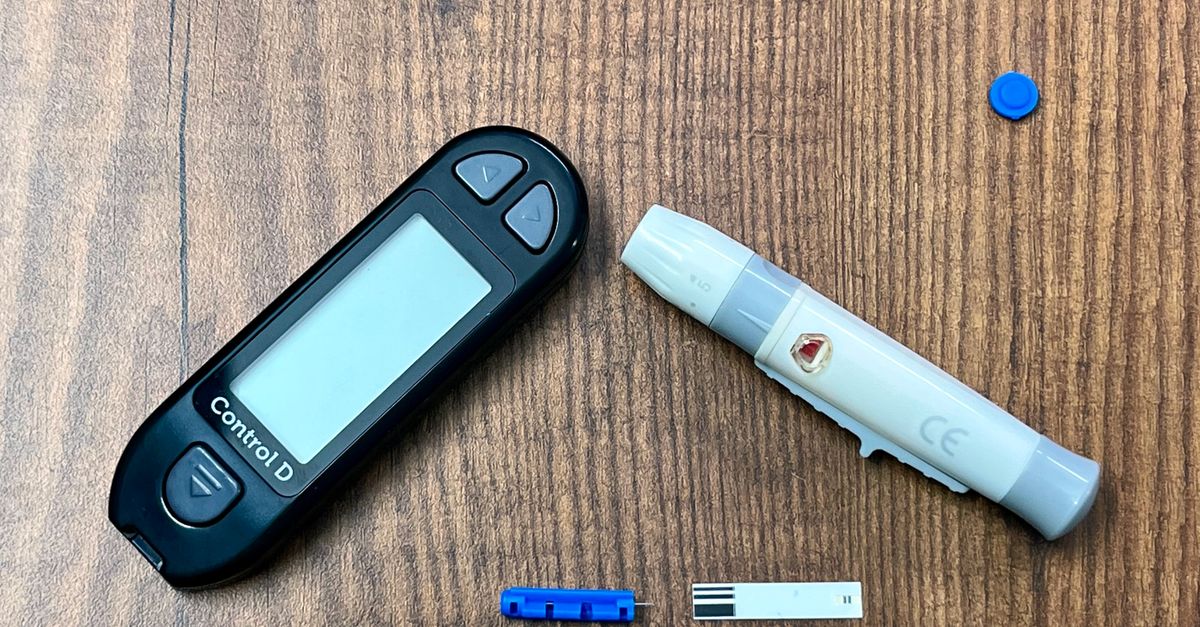
How Long Does It Take to Lower A1C? A Clinical Look at the Timeline
If you've received a lab result showing an elevated A1C — whether you're in the prediabetic range (5.7–6.4%) or above — your first question is probably a practical one: how long does it take to lower A1C, and what will actually move the needle?
The short answer is that most clinically meaningful reductions occur within 3 to 6 months of sustained intervention. But the nuance matters: the type of intervention, your baseline A1C, your degree of insulin resistance, and your broader inflammatory load all influence how quickly the needle moves. This article walks through the clinical evidence — including what happens to related blood markers like CRP, homocysteine, and fibrinogen along the way.
---
What Is A1C and Why Does It Take Months to Change?
Hemoglobin A1C (HbA1c) reflects the percentage of hemoglobin molecules that have been glycated — bound to glucose — over the lifespan of a red blood cell, which averages 90–120 days. This is why A1C is often described as a "three-month average" of blood sugar levels.
Because you cannot retroactively unglycate red blood cells already in circulation, A1C reduction is inherently a lagging indicator. Even if you achieve perfect glucose control starting today, your A1C won't fully reflect that until the current cohort of glycated red blood cells turns over. This is why researchers design A1C intervention trials at 12-week minimums — anything shorter simply doesn't capture the full biological window.
This also explains why short-term fasting or a single week of dietary changes may produce a dramatic fasting glucose improvement but only a modest A1C change. The metric is working as designed.
---
The Clinical Timeline: What Studies Show
Across hundreds of randomized controlled trials, the most consistent finding is that A1C reductions of 0.5–1.5 percentage points are achievable within 12–24 weeks when interventions are meaningful and sustained. Here's what specific categories of evidence show:
Dietary and Lifestyle Interventions
A landmark meta-analysis of 20 RCTs examining low-carbohydrate diets in type 2 diabetes found a mean A1C reduction of −0.92% at 6 months compared to control diets, with effects beginning to diverge from control groups as early as week 8 (Sainsbury et al., Diabetes Care 2018; PMID: 29269588).
The Look AHEAD trial, one of the largest lifestyle intervention studies in diabetes history, demonstrated that intensive lifestyle change (caloric restriction + physical activity) produced an average A1C reduction of −0.64% at 12 months in overweight adults with type 2 diabetes (Look AHEAD Research Group, Archives of Internal Medicine 2010; PMID: 20876408).
For prediabetic individuals (A1C 5.7–6.4%), the trajectory is often faster. Because less glycated hemoglobin is in circulation, even moderate dietary improvements can produce statistically significant A1C drops within 8–10 weeks.
Supplement and Nutraceutical Interventions
Several clinically studied compounds have demonstrated A1C-lowering effects as adjuncts to diet and exercise:
| Ingredient | Typical Dose | A1C Reduction (vs. Control) | Trial Duration |
|---|---|---|---|
| Berberine | 500mg 3x/day | −0.71% to −1.44% | 12–24 weeks |
| Magnesium (glycinate/citrate) | 250–450mg elemental | −0.27% to −0.37% | 12 weeks |
| Alpha-lipoic acid | 600–1200mg | −0.54% | 12–24 weeks |
| Omega-3 (EPA/DHA) | 2–4g/day | Modest; primarily TG & inflammation | 12 weeks |
| Chromium picolinate | 400–1000mcg | −0.6% in deficient individuals | 16–24 weeks |
A systematic review and meta-analysis of berberine specifically found that it reduced A1C by a mean of 0.71% compared to placebo across 14 RCTs, with effects visible at 8 weeks and plateauing around week 16 (Dong et al., Evidence-Based Complementary and Alternative Medicine 2012; PMID: 22203880).
Exercise as an A1C Driver
Aerobic exercise is one of the most evidence-backed A1C-lowering tools available. A Cochrane meta-analysis of structured exercise interventions in type 2 diabetes found a mean A1C reduction of −0.67% across 14 studies, with the strongest effects at 12+ weeks and in individuals with higher baseline A1C (Thomas et al., Cochrane Database of Systematic Reviews 2006; PMID: 17054571).
Resistance training adds to this effect independently. Combining aerobic and resistance training in a periodized program appears to produce synergistic A1C improvements beyond either modality alone.
---
How Long Does It Take to Lower CRP?
C-reactive protein (CRP) is a liver-produced acute-phase protein that spikes with systemic inflammation. Elevated CRP (particularly high-sensitivity CRP above 3.0 mg/L) is independently associated with insulin resistance and a higher A1C trajectory — the relationship is bidirectional. Lowering inflammation accelerates glucose metabolism improvement.
The timeline to lower CRP is actually shorter than A1C: clinically significant CRP reductions have been documented within 4–8 weeks of anti-inflammatory dietary changes, omega-3 supplementation, or weight loss. A meta-analysis of omega-3 supplementation and CRP found reductions of −0.16 to −0.35 mg/L in participants with elevated baseline CRP, with most effect occurring by week 6 (Calder et al., British Journal of Nutrition 2010; PMID: 20500926).
This is clinically relevant for A1C optimization: if elevated inflammation is part of what's driving your glycemic dysregulation, addressing CRP first can create a more favorable environment for A1C improvement over the subsequent 12 weeks.
---
How Long Does It Take to Lower Homocysteine?
Homocysteine is an inflammatory amino acid byproduct that rises when B-vitamin methylation pathways are impaired. Elevated homocysteine (above 10 µmol/L) is associated with endothelial dysfunction, cardiovascular risk, and — through shared inflammatory pathways — worsened insulin signaling.
The good news: homocysteine responds relatively quickly to targeted B-vitamin supplementation. Trials using folate (400–800mcg), B12 (500–1000mcg), and B6 (25–50mg) show homocysteine reductions of 25–40% within 4–12 weeks of consistent supplementation. Individuals with MTHFR variants who use active methylfolate (5-MTHF) rather than folic acid tend to see faster and more sustained reductions.
For A1C context: while supplementing B vitamins doesn't lower A1C directly, normalizing homocysteine reduces the chronic low-grade inflammation that compounds insulin resistance over time. If your labs show both elevated homocysteine and elevated A1C, addressing both simultaneously is a reasonable clinical strategy.
---
How Long Does It Take to Lower Fibrinogen?
Fibrinogen is a clotting protein that also functions as an inflammatory marker. Levels above 400 mg/dL are associated with increased cardiovascular risk and metabolic syndrome — a condition that overlaps significantly with prediabetes and elevated A1C.
Lowering fibrinogen is a slower process than lowering CRP. Most dietary and exercise interventions show fibrinogen reductions within 8–16 weeks, and the effects tend to be modest without meaningful weight loss. Omega-3 fatty acids, regular aerobic exercise, and smoking cessation are the most evidence-backed levers for fibrinogen reduction. A prospective trial found that 12 weeks of moderate-intensity aerobic exercise reduced fibrinogen by approximately 12–15% in sedentary adults (Ernst et al., BMJ 1991; PMID: 1932496).
For someone managing elevated A1C alongside metabolic syndrome markers (high fibrinogen, high CRP, elevated triglycerides), a bundled lifestyle intervention will address all these markers simultaneously — which is why a multi-marker approach to blood work interpretation is more clinically useful than managing each number in isolation.
---
How Long Does It Take to Lower ESR?
Erythrocyte sedimentation rate (ESR) is a non-specific inflammatory marker that reflects how quickly red blood cells settle in a tube — elevated levels indicate systemic inflammation, infection, or autoimmune activity. ESR is less commonly elevated in metabolic syndrome than CRP, but when it is, it signals deeper systemic inflammation that can blunt glucose regulation.
ESR changes slowly — it often takes 8–24 weeks to normalize with anti-inflammatory interventions, and it's more sensitive to changes in acute illness than dietary modification. For this reason, most metabolic optimization protocols track CRP and fibrinogen as more actionable inflammatory proxies while monitoring ESR over longer intervals.
If your ESR is elevated alongside A1C, it warrants a deeper workup — your provider should rule out inflammatory autoimmune drivers (RA, IBD, lupus) before attributing elevated ESR solely to metabolic inflammation.
---
What This Means for Your Formula
At Ones, the AI health practitioner doesn't just look at your A1C in isolation — it cross-references blood glucose markers against inflammatory markers like hs-CRP, homocysteine, and triglycerides, along with wearable data like glucose variability or resting heart rate trends. This gives a more complete picture of why A1C is elevated and which combination of ingredients is likely to move multiple markers simultaneously.
For individuals with elevated A1C alongside metabolic inflammation, Ones formulas commonly include:
- Omega-3 (EPA/DHA) — dosed at clinically relevant levels to address both triglycerides and systemic CRP, based on data showing meaningful cardiovascular and glycemic benefit at sustained intake (Calder et al., British Journal of Nutrition 2010; PMID: 20500926). Omega-3s complement glucose-lowering interventions without hypoglycemia risk.
- Magnesium Glycinate — from the proprietary Magnesium Complex blend. Magnesium deficiency is disproportionately common in insulin-resistant individuals, and repletion studies consistently show improvements in fasting glucose and insulin sensitivity within 8–12 weeks.
- Ones Heart Support system blend — a proprietary combination designed for individuals with overlapping cardiovascular and metabolic risk markers, addressing endothelial function alongside glucose and lipid metabolism.
Formulas are calibrated to 6 or 9 capsules per day based on the AI's assessment of your full findings — not a one-size plan. If you're curious about how your A1C and inflammatory markers interact, reviewing your full blood sugar and metabolic health markers is a useful starting point.
You can also explore how omega-3 dosing affects cardiovascular and inflammatory markers or learn more about personalized supplement formulas based on lab results to understand how Ones builds context-aware protocols.
---
Key Takeaways
- A1C takes 3–6 months to meaningfully change because it reflects red blood cell turnover (90–120 days) — short-term changes in fasting glucose don't immediately translate to A1C improvement.
- CRP and homocysteine respond faster (4–8 weeks) to targeted interventions, making them useful early feedback signals while waiting for A1C to shift.
- Fibrinogen and ESR are slower-moving inflammatory markers (8–24 weeks) and require sustained lifestyle change — weight loss, exercise, and anti-inflammatory nutrition — to normalize.
- Dietary, exercise, and supplemental interventions each have RCT-backed evidence for A1C reduction ranging from 0.5% to over 1.0%, with combined approaches producing the largest effects.
- Inflammatory burden matters — elevated CRP, homocysteine, or fibrinogen alongside A1C suggests a more complex metabolic picture that benefits from a multi-marker, personalized approach.
- Consult your healthcare provider before making changes to diabetes or prediabetes management — A1C targets and intervention timing should be individualized based on your full clinical picture.