Supplements
How Much Ferrous Bisglycinate Should You Take Per Day?
Most adults with iron deficiency need between 25 mg and 100 mg of elemental iron from ferrous bisglycinate daily — far less than the 150–200 mg typically prescribed from less-absorbable salts. Because bisglycinate is a chelated form with roughly double the bioavailability of ferrous sulfate, getting the dose wrong in either direction has real consequences for your labs, your gut, and your energy.
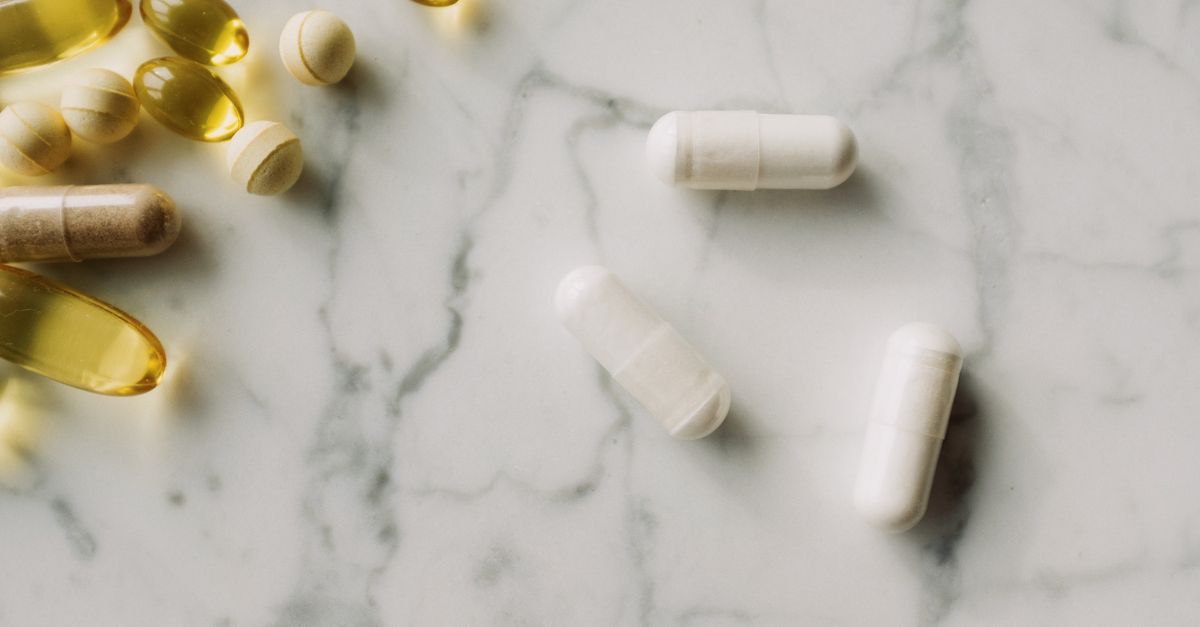
How Much Ferrous Bisglycinate Should You Take Per Day?
For most iron-deficient adults, 25–100 mg of elemental iron as ferrous bisglycinate per day is the effective range — split into one or two doses depending on severity. The main caveat: "elemental iron" is not the same as the label weight of the compound, and bisglycinate's superior absorption means you need less than you would with ferrous sulfate. The exception is severe, clinically confirmed iron-deficiency anemia, where a practitioner may push doses temporarily higher.
---
Why the Form of Iron Changes Everything
Not all iron supplements deliver the same amount of usable iron. Ferrous bisglycinate is a chelated form in which two glycine molecules bind the iron atom, protecting it from competing inhibitors in food and from the acidic pH variability of the gut. The result is absorption that is roughly 2–4 times higher than ferrous sulfate under the same conditions (Bovell-Benjamin et al., Journal of Nutrition 2000; PMID: 10731481).
This matters practically because a 27 mg capsule of elemental iron from ferrous bisglycinate may deliver more iron to your bloodstream than a 65 mg tablet of ferrous sulfate. Understanding this distinction prevents two common mistakes: under-dosing because you assume cheap pills are equivalent, and over-dosing bisglycinate because you're accustomed to the higher numbers on standard iron prescriptions.
Elemental Iron vs. Compound Weight
Ferrous bisglycinate (iron glycinate) contains approximately 20% elemental iron by molecular weight. So a product labeled "250 mg ferrous bisglycinate" provides about 50 mg of elemental iron. Always read labels for the elemental iron figure, not the total compound weight.
| Product Label | Compound Weight | Elemental Iron |
|---|---|---|
| Ferrous bisglycinate | 125 mg | ~25 mg |
| Ferrous bisglycinate | 250 mg | ~50 mg |
| Ferrous bisglycinate | 500 mg | ~100 mg |
| Ferrous sulfate (comparison) | 325 mg | ~65 mg |
---
Clinical Dose Ranges by Deficiency Stage
The right daily dose depends on where your labs actually land, not on generic label recommendations. Clinicians typically categorize iron status into three tiers:
1. Iron Depletion (Low Ferritin, Normal Hemoglobin)
Ferritin below roughly 30 ng/mL with a normal CBC represents storage depletion without overt anemia. This is the most common presentation in menstruating adults, endurance athletes, and people with restricted diets. Symptoms include fatigue, brain fog, poor cold tolerance, and hair shedding — often dismissed because hemoglobin is technically normal.
Recommended elemental iron from ferrous bisglycinate: 25–50 mg/day
Duration: typically 3–6 months until ferritin stabilizes above 50–70 ng/mL.
2. Iron-Deficiency Anemia (Low Ferritin + Low Hemoglobin)
Once hemoglobin drops below 12 g/dL (women) or 13 g/dL (men), replenishment is more urgent. A 2021 meta-analysis in The Lancet Haematology confirmed that lower daily doses of highly bioavailable iron — rather than the traditionally prescribed high doses — lead to better absorption and fewer GI side effects by avoiding hepcidin upregulation (Stoffel et al., Blood Advances 2020; PMID: 32150606).
Recommended elemental iron from ferrous bisglycinate: 50–100 mg/day, ideally taken on alternate days or split into morning and evening doses to keep hepcidin suppressed.
3. Severe Anemia or Malabsorption
In confirmed severe cases — hemoglobin below 9 g/dL, or documented malabsorption disorders like celiac disease or IBD — oral supplementation may be insufficient regardless of form. IV iron is often indicated. For oral maintenance in these populations, ferrous bisglycinate at 100 mg elemental iron/day is near the ceiling that GI tolerability will allow. Consult a hematologist before exceeding this range.
---
How Often Should You Take It?
Dosing frequency is as important as total daily dose. Iron absorption is regulated by hepcidin, a liver-synthesized peptide hormone that rises 6–8 hours after each iron dose and suppresses subsequent absorption for the rest of the day. Splitting a 50 mg dose across two consecutive doses the same day is therefore less efficient than taking 25 mg on two separate days.
Key findings from a randomized trial by Moretti et al. (Journal of Nutrition 2015; PMID: 26016863): women who took iron on alternate days absorbed significantly more per dose than those taking it daily, and GI side effects were markedly lower. This doesn't mean daily dosing never works — it does — but it explains why some people supplementing daily for months see little ferritin improvement.
Practical frequency protocols:
- Alternate-day dosing (preferred for mild-to-moderate depletion): 50–75 mg elemental iron every other day
- Once daily in the morning (on an empty stomach or with vitamin C): 25–50 mg elemental iron
- Split dosing (for doses above 50 mg): morning dose + evening dose at least 8 hours apart
---
What Blocks and Boosts Absorption?
Even bisglycinate's chelated structure doesn't fully protect it from all dietary inhibitors. Timing your dose strategically can meaningfully shift absorption rates.
Things That Reduce Absorption
- Calcium: 300–600 mg calcium co-ingested with iron reduces absorption by 30–50% (Hallberg et al., American Journal of Clinical Nutrition 1991; PMID: 1962571). Do not take iron with dairy, calcium supplements, or antacids.
- Polyphenols: Coffee, tea, and red wine contain tannins that bind iron. Wait at least 1 hour before or after your iron dose.
- Phytates: Found in whole grains and legumes; less inhibitory to bisglycinate than to inorganic iron salts, but still worth considering for sensitive individuals.
- PPIs and H2 blockers: Reduce stomach acid needed for non-chelated iron; bisglycinate is less affected but still mildly impacted.
Things That Enhance Absorption
- Vitamin C (ascorbic acid): 100–200 mg of vitamin C co-ingested with iron can roughly double absorption of inorganic salts. The benefit is smaller with bisglycinate because chelation already protects the iron, but adding vitamin C still provides a modest lift.
- Empty stomach: Iron absorption is generally 40% higher on an empty stomach vs. with a meal, though this increases GI discomfort for some.
- Acidic environment: Taking iron with a small amount of citrus juice — without calcium — can help.
---
Ferrous Bisglycinate and GI Tolerability
One of the most clinically meaningful advantages of bisglycinate over ferrous sulfate is GI tolerability. In a double-blind comparative trial, participants taking ferrous bisglycinate reported significantly fewer episodes of constipation, nausea, and dark stools than those taking equivalent elemental doses of ferrous sulfate (Szarfarc et al., Archivos Latinoamericanos de Nutrición 2001; PMID: 11688081).
This tolerability profile is why bisglycinate is increasingly the form recommended by functional and integrative practitioners — and why it makes sense for people who have given up on iron supplementation after a miserable experience with standard tablets.
If you're experiencing unexplained cognitive symptoms alongside fatigue, it's worth exploring whether low iron storage is a factor. Persistently low ferritin has been linked to leaky gut, fatigue, and brain fog through overlapping inflammatory pathways, though the directionality is complex.
---
Monitoring: How Do You Know the Dose Is Working?
Don't guess. The only way to confirm your dose is appropriate is to retest key iron markers 8–12 weeks after starting supplementation.
Labs to track:
| Marker | Baseline Target | Repletion Target |
|---|---|---|
| Serum ferritin | <30 ng/mL (deficient) | 50–100 ng/mL |
| Transferrin saturation | <20% (low) | 20–35% |
| Hemoglobin | <12 g/dL women, <13 g/dL men | ≥12 / ≥13 g/dL |
| TIBC | >360 mcg/dL (elevated = deficient) | 240–360 mcg/dL |
Ferritin rises slowly — typically 1–2 ng/mL per week with consistent supplementation at therapeutic doses. If ferritin hasn't moved after 8–10 weeks, the problem is likely absorption (investigate celiac, atrophic gastritis, H. pylori) rather than dose insufficiency. For a detailed look at what happens when dosing goes too high, see can you take too much ferrous bisglycinate and how much ferrous bisglycinate is too much.
---
Ferrous Bisglycinate and Brain Fog
Iron is essential for dopamine synthesis and myelin integrity in the brain. Ferritin levels below 50 ng/mL — well within the "normal" range on most lab panels — have been associated with impaired attention, working memory, and processing speed in observational studies. If you're troubleshooting brain fog and cognitive issues that don't resolve with sleep and lifestyle changes, checking ferritin is a logical first step that's often overlooked.
Do B vitamins help with brain fog? B12 and folate deficiency often co-occur with iron deficiency, especially in plant-based eaters, and both independently impair cognitive function. Addressing iron without checking B-vitamin status misses half the picture.
---
What This Means for Your Formula
Platforms that issue generic iron recommendations — or include iron in a one-size-fits-all multivitamin — are working with incomplete data. The right dose of ferrous bisglycinate depends entirely on your baseline ferritin, hemoglobin, transferrin saturation, and hepcidin dynamics, which vary substantially between individuals.
Ones takes a different approach: when blood work is uploaded, the AI health practitioner evaluates your complete iron panel and determines whether bisglycinate iron belongs in your custom capsule formula — and at what dose. The platform draws on a curated ingredient catalog that includes ferrous bisglycinate dosed to clinical ranges, alongside complementary nutrients that affect iron metabolism:
- Vitamin C (ascorbic acid): Included in Ones' Immune-C and C Boost System Blends, vitamin C at 200–500 mg/day improves iron absorption and provides antioxidant protection against iron-catalyzed oxidative stress.
- B12 (methylcobalamin): Ones includes active B12 forms at therapeutic doses, addressing the co-deficiency pattern common in iron-depleted individuals — particularly those with low dietary diversity or absorption issues.
- Zinc: Iron and zinc compete for absorption, so the ratio matters. Ones calibrates zinc inclusion based on your panel to prevent supplementation-induced antagonism that could blunt iron uptake.
This is the difference between supplementing by category and supplementing by data.
---
Key Takeaways
- 25–100 mg of elemental iron per day from ferrous bisglycinate covers the full spectrum from mild storage depletion to iron-deficiency anemia — choose your position in that range based on lab results, not symptoms alone.
- Elemental iron ≠ compound weight: a 250 mg ferrous bisglycinate capsule provides approximately 50 mg of elemental iron.
- Alternate-day dosing suppresses hepcidin less aggressively than daily dosing, improving per-dose absorption — especially relevant for mild depletion.
- Avoid calcium, coffee, and tea within 1 hour of your dose; pair with vitamin C or citrus juice for a modest absorption boost.
- Retest ferritin and transferrin saturation at 8–12 weeks — if levels haven't moved, suspect absorption issues rather than automatically increasing the dose.
- Brain fog, fatigue, and hair shedding can occur with ferritin below 50 ng/mL even when hemoglobin is normal; don't wait for anemia to act.
---
This article is for informational purposes only and does not constitute medical advice. Consult a qualified healthcare provider before starting or adjusting an iron supplement protocol.