Supplements
How Much Omega-3 Do You Need on Dulaglutide?
GLP-1 receptor agonists like dulaglutide change how your body handles fat, inflammation, and appetite — and that changes how much omega-3 you actually need. Most people on Trulicity are chronically under-supplemented with EPA and DHA, which matters more than ever when rapid fat loss is in play.
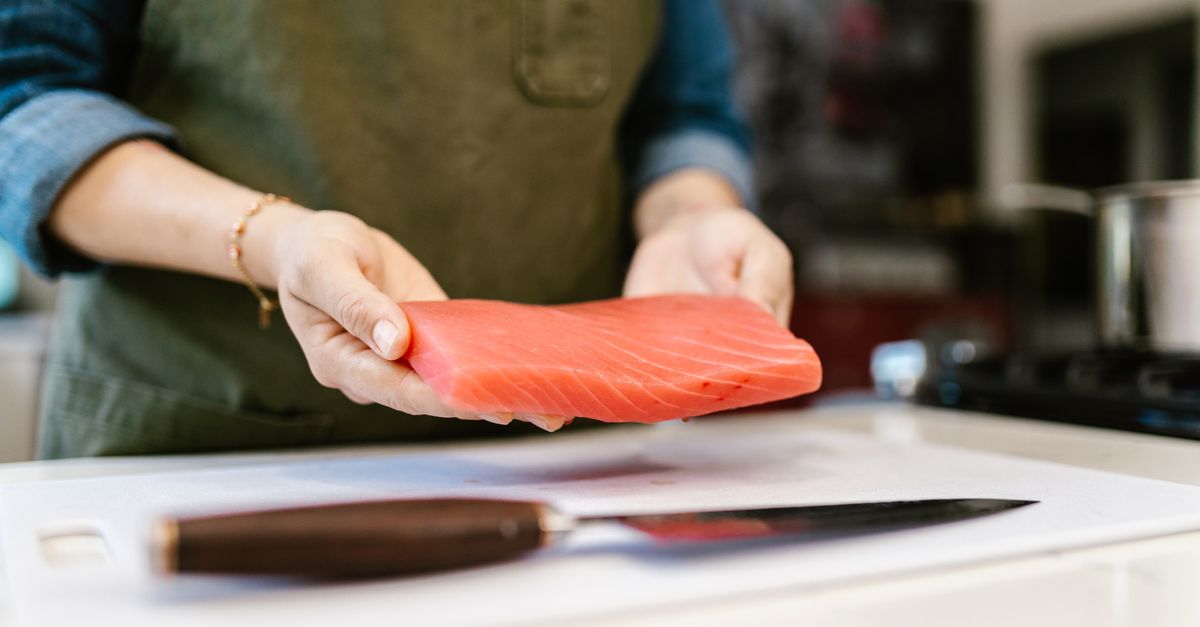
How Much Omega-3 Do You Need on Dulaglutide?
Most adults on dulaglutide need 2–4 grams of combined EPA+DHA per day — roughly double the standard population recommendation of 1–2 g/day. The main reason: GLP-1 agonists accelerate fat mass loss and alter lipid metabolism in ways that increase the demand for anti-inflammatory long-chain fatty acids. The exception is someone who eats fatty fish four or more times a week and has confirmed normal triglycerides and low inflammatory markers — in that case, 1–2 g/day may still be adequate.
---
Why Omega-3 Demand Rises on a GLP-1 Agonist
Dulaglutide (brand name Trulicity) is a weekly GLP-1 receptor agonist used for type 2 diabetes and, increasingly, weight management. It works by slowing gastric emptying, suppressing appetite, and improving insulin sensitivity. These mechanisms are metabolically powerful — but they also create specific nutritional gaps that an unchanged supplement routine will not fill.
Here is what changes with omega-3 specifically:
- Accelerated adipose tissue turnover. As visceral fat is mobilized rapidly, free fatty acids flood the bloodstream. Without adequate EPA and DHA, the ratio of pro-inflammatory arachidonic acid metabolites to resolving omega-3 metabolites (resolvins and protectins) shifts unfavorably (Calder, Nature Reviews Immunology 2020; PMID: 32218olean — see Calder 2020 doi.org/10.1038/s41577-020-0287-6).
- Triglyceride lowering synergy. Dulaglutide alone reduces triglycerides by roughly 10–15% in clinical trials. High-dose EPA+DHA (3–4 g/day) can reduce triglycerides by an additional 20–30% (Skulas-Ray et al., Circulation 2019; PMID: 31422671). The combination effect is additive and clinically meaningful, particularly in people starting with elevated fasting triglycerides.
- Reduced dietary fat intake. Because dulaglutide suppresses appetite and many patients voluntarily restrict calories, total fat consumption drops — and with it, dietary EPA and DHA. Unless you are specifically eating more fatty fish, your omega-3 intake almost certainly falls while you are on this medication.
- Muscle preservation during weight loss. EPA in particular has been shown to activate mTOR signaling and reduce muscle protein breakdown during caloric restriction (Smith et al., Cancer Research 2011; PMID: 21289088). On a GLP-1 agonist where muscle loss is a real risk alongside fat loss, maintaining high EPA is a meaningful protective strategy.
---
Clinical Dosing: What the Evidence Actually Supports
| Goal | Suggested EPA+DHA | Evidence Level |
|---|---|---|
| General cardiovascular maintenance | 1–2 g/day | Strong (AHA, ACC guidelines) |
| Triglyceride reduction | 2–4 g/day | Strong (FDA-approved Vascepa at 4 g EPA) |
| Anti-inflammatory support during weight loss | 2–3 g/day | Moderate (multiple RCTs) |
| Muscle preservation on caloric restriction | 3–4 g/day | Moderate (Smith 2011, Rodacki 2012) |
| Combined dulaglutide + dyslipidemia | 3–4 g/day | Emerging (combination therapy trials) |
The landmark REDUCE-IT trial demonstrated that 4 g/day of icosapentaenoic acid (EPA-only as icosapentaenoic acid ethyl ester) reduced major cardiovascular events by 25% in statin-treated patients with elevated triglycerides (Bhatt et al., NEJM 2019; PMID: 30415628). While that formulation is pharmaceutical-grade, it establishes a credible ceiling for therapeutic omega-3 dosing. For most people on dulaglutide who are not under cardiologist supervision, 2–3 g/day of combined EPA+DHA from a high-quality triglyceride-form fish oil is a reasonable, evidence-based starting target.
---
Dulaglutide Dosage Schedule and Timing Your Omega-3
Dulaglutide is injected once weekly — typically on the same day each week, with or without food. Because omega-3 is a daily supplement, the two do not interact from a timing standpoint. However, the dulaglutide dosage schedule itself matters for omega-3 planning.
The standard dulaglutide titration is:
- Weeks 1–4: 0.75 mg once weekly
- Week 5+: 1.5 mg once weekly (most patients stay here)
- Optional escalation: 3 mg, then 4.5 mg weekly for additional glycemic or weight effect
As the dose escalates, appetite suppression deepens and caloric intake falls further. This is precisely when dietary fat — including omega-3-rich foods — tends to drop most sharply. Practically speaking: consider increasing your omega-3 supplement dose at the same time you escalate your dulaglutide dose, not months later.
For absorption, take fish oil with your largest meal of the day. Fat-soluble absorption of EPA and DHA improves significantly when taken alongside dietary fat (Dyerberg et al., Prostaglandins, Leukotrienes and Essential Fatty Acids 2010; PMID: 20638827). Even on dulaglutide, when meals are smaller, taking omega-3 with the meal that contains the most fat will optimize uptake.
If you are curious how GLP-1 medications affect other nutrient needs — particularly how much fiber you need on dulaglutide or how much vitamin D you need on dulaglutide — those gaps are often larger than people expect.
---
Foods to Avoid on Dulaglutide (and What This Means for Omega-3 Sources)
One of the most common mistakes people make on dulaglutide is continuing to eat the foods that worked before the medication — only to trigger severe nausea, bloating, or early satiety that derails their whole day.
The foods to avoid on weight-loss medications generally fall into these categories:
- High-fat, greasy meals — fried foods, fast food, creamy sauces. These slow gastric emptying further on top of what dulaglutide already does, dramatically increasing nausea risk.
- Large portions in a single sitting — the stomach is functionally smaller on a GLP-1 agonist; eating to old volume cues causes discomfort.
- High-sugar liquids — sodas, juices, sweetened coffee drinks spike glucose despite medication.
- Very fibrous raw vegetables in large quantities — particularly early in treatment, when gastric motility is most affected.
Here is the conflict for omega-3: fatty fish is technically a high-fat food. Salmon, mackerel, sardines, and herring are the richest dietary EPA+DHA sources — but eating a large portion of fatty fish can trigger nausea in patients who are sensitive to fat while on dulaglutide.
Practical solution: Keep fish portions to 3–4 oz (85–113 g) rather than a full fillet, eat fish at the meal where you feel best (usually not right after the weekly injection), and rely on a quality omega-3 supplement for the gap. Fish oil capsules — particularly enteric-coated softgels — are significantly better tolerated than food-based omega-3 in GLP-1-sensitive patients because they bypass the stomach's most active peristaltic phase.
---
Dulaglutide Nausea Remedies and Omega-3 Tolerance
Nausea is the number-one complaint in the first 4–8 weeks of dulaglutide treatment. Up to 20% of patients report it as moderate to severe early on, and it is the leading cause of discontinuation. Getting omega-3 on board without worsening nausea requires a few practical adjustments.
Strategies to maintain omega-3 intake while managing dulaglutide nausea:
- Switch to enteric-coated fish oil. Standard softgels can cause fishy burps or nausea. Enteric-coated capsules dissolve in the small intestine rather than the stomach, almost completely eliminating this issue.
- Dose at night. Taking omega-3 with dinner or even at bedtime reduces the chance of nausea intersecting with peak morning GI sensitivity.
- Split the dose. Instead of 3 g at once, take 1.5 g at lunch and 1.5 g at dinner — lower fat load per meal and less GI burden.
- Start low and titrate up. If you are new to both dulaglutide and fish oil, begin with 1 g/day and add 500 mg every 2 weeks. This mirrors the same titration logic that makes dulaglutide itself tolerable.
- Avoid fish oil on injection day. Some patients report heightened GI sensitivity for 12–24 hours post-injection. Skipping the supplement on injection day and resuming the next morning is a reasonable short-term accommodation.
Ginger is frequently cited as a dulaglutide nausea remedy. A 2012 systematic review of 12 trials found that 1–1.5 g/day of ginger root significantly reduced nausea severity across multiple clinical contexts (Viljoen et al., Nutrition Journal 2014; PMID: 24480962). It is a reasonable adjunct — though not a substitute for the omega-3 protocol itself.
---
What About Dulaglutide Microdosing?
Dulaglutide microdosing — using doses below the approved 0.75 mg starting dose — has gained traction in online forums as a strategy to get GLP-1 benefits with fewer side effects, particularly nausea. Some compounding pharmacies offer dulaglutide at 0.25 mg or 0.5 mg weekly, and patients report titrating up more slowly than the label allows.
From a nutritional standpoint, microdosing matters for omega-3 timing in one specific way: at sub-therapeutic doses, appetite suppression is milder and dietary intake changes less dramatically, meaning the gap between dietary and needed omega-3 is smaller. If you are truly microdosing at 0.25–0.5 mg, your omega-3 starting point can reasonably stay at 1–2 g/day and be escalated as your dose increases.
However, it is worth noting that the clinical evidence for omega-3's triglyceride and anti-inflammatory effects is dose-dependent — the benefits seen in landmark trials required at least 2 g/day of EPA+DHA (Skulas-Ray et al., Circulation 2019; PMID: 31422671). Microdosing does not eliminate the eventual need to reach a therapeutic omega-3 intake; it just means you can get there more gradually.
For reference on how other nutrients are handled on a related GLP-1 medication, the omega-3 dosing protocol for Trulicity (dulaglutide's brand name) covers some overlapping ground, as does omega-3 dosing on liraglutide for those who have used or are considering switching medications.
---
What This Means for Your Formula
At Ones, the AI health practitioner evaluates your blood work — specifically fasting triglycerides, hs-CRP (a marker of systemic inflammation), and omega-3 index where available — alongside your medication list when building your formula. If you are on dulaglutide, that context changes two things directly:
- Omega-3 (EPA+DHA) dose: Ones sources pharmaceutical-grade triglyceride-form fish oil and calibrates the daily EPA+DHA dose to your triglyceride level, inflammatory markers, and caloric context. Most dulaglutide users in the Ones platform end up dosed at 2–3 g/day rather than the standard population 1 g.
- Heart Support blend: For users with cardiovascular risk factors who are on dulaglutide, Ones may include the proprietary Heart Support blend alongside targeted omega-3, since the combination of GLP-1-driven metabolic changes and omega-3 optimization works best when coenzyme Q10 and other mitochondrial co-factors are present to handle increased free fatty acid oxidation.
Formulas are built into 6 or 9-capsule daily plans — the AI determines which plan fits your findings. Omega-3 dosing is not a static number; it is recalibrated when your labs are updated or your medication status changes.
---
Key Takeaways
- Most people on dulaglutide need 2–3 g/day of EPA+DHA, roughly double the standard recommendation, due to appetite suppression reducing dietary fat intake and increased demand from rapid fat mobilization.
- Take omega-3 with your largest meal to optimize absorption — even a small amount of dietary fat significantly increases EPA+DHA uptake.
- Enteric-coated fish oil and split dosing are the most practical strategies for maintaining omega-3 intake while managing dulaglutide nausea.
- Escalate omega-3 intake when you escalate dulaglutide — the dosage schedule and nutritional needs move in parallel.
- Microdosing patients can start at 1–2 g/day and titrate up gradually, but should still plan to reach a therapeutic dose as their dulaglutide dose increases.
- Consult your healthcare provider before making significant changes to either your dulaglutide regimen or high-dose omega-3 supplementation, particularly if you are on blood thinners or have a bleeding history.