Supplements
How Much Selenium Per Day: Evidence-Backed Benefits and Realistic Expectations
Most people consume selenium without ever thinking about it — yet getting the dose wrong in either direction carries real consequences. Too little impairs thyroid function and antioxidant defense; too much crosses into toxicity faster than almost any other essential mineral. Here is what the clinical evidence actually says about how much selenium per day your body needs.
How Much Selenium Per Day Does the Body Actually Need?
Selenium sits in a narrow therapeutic window that makes it one of the most clinically nuanced essential trace minerals. The Recommended Dietary Allowance (RDA) for adults is 55 micrograms (mcg) per day, established by the National Institutes of Health Office of Dietary Supplements (NIH ODS). The Tolerable Upper Intake Level (UL) — the dose above which adverse effects become likely — is 400 mcg per day for adults. That leaves a meaningful but not enormous range for supplementation.
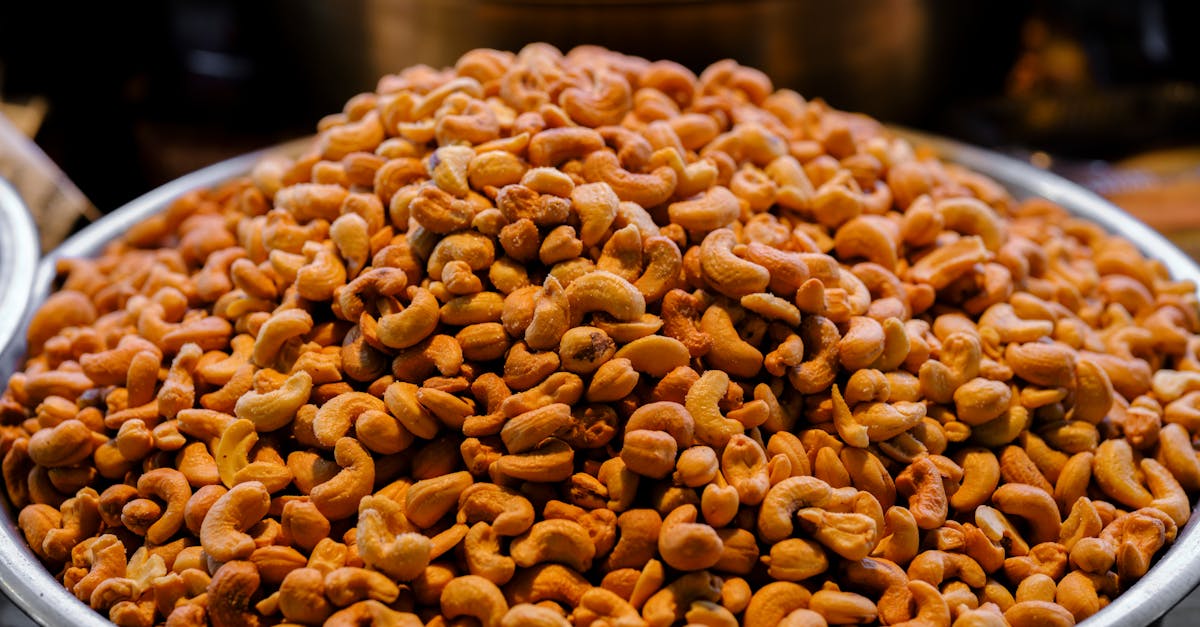
For context, the average American obtains roughly 93–134 mcg of selenium daily through food, primarily from Brazil nuts, seafood, organ meats, eggs, and fortified grains (NIH ODS, Selenium Fact Sheet for Health Professionals, updated 2022). That dietary intake alone often meets baseline needs, which is why supplementation strategy matters: the question is not always "should I supplement?" but rather "where do I actually fall on the spectrum, and what form and dose closes the gap?"
Selenomethionine vs. Sodium Selenite: Why Form Matters
Not all selenium is absorbed equally. Selenomethionine — the organic form found in most high-quality supplements — is absorbed at roughly 90% efficiency in humans, compared to approximately 50% for inorganic sodium selenite (Schrauzer, Journal of the American College of Nutrition, 2000; doi.org/10.1080/07315724.2000.10718914). Selenomethionine also has a longer half-life in tissue because it can be incorporated into general body proteins, giving it a larger functional reservoir. Most clinical trials showing benefit for thyroid and antioxidant outcomes use selenomethionine or selenium-enriched yeast at doses between 100 mcg and 200 mcg per day.
| Selenium Form | Absorption Rate | Common Dose in Trials | Primary Use Case |
|---|---|---|---|
| Selenomethionine | ~90% | 100–200 mcg/day | Thyroid, antioxidant, general repletion |
| Selenium-enriched yeast | ~85–90% | 200 mcg/day | Cancer prevention research (SELECT trial) |
| Sodium selenite | ~50% | 100–200 mcg/day | Clinical settings, lower cost |
| Brazil nuts (food) | ~80–90% | 1–2 nuts ≈ 68–90 mcg | Dietary repletion |
Selenium and Thyroid Function: The Strongest Clinical Signal
The thyroid gland contains the highest selenium concentration per gram of any organ in the body. Selenium is a cofactor for iodothyronine deiodinases — the enzymes that convert inactive T4 into active T3 — and for glutathione peroxidases that protect thyroid follicular cells from hydrogen peroxide generated during thyroid hormone synthesis (Köhrle et al., Thyroid, 2005; PMID: 15916510).
For individuals with autoimmune thyroiditis (Hashimoto's disease), the evidence for selenium supplementation is particularly strong. A randomized controlled trial by Gärtner et al. found that 200 mcg per day of selenomethionine over three months significantly reduced thyroid peroxidase antibody (TPO-Ab) levels in patients with autoimmune thyroiditis compared to placebo — a 21% reduction in the selenium group versus a 4% increase in the placebo group (Gärtner et al., Journal of Clinical Endocrinology & Metabolism, 2002; PMID: 11932302). A subsequent meta-analysis confirmed that selenium supplementation at 200 mcg per day consistently reduces TPO-Ab titers in Hashimoto's patients, though whether this translates to improvements in thyroid function tests (TSH, free T4) depends on baseline selenium status (Wichman et al., Thyroid, 2016; PMID: 27702392).
This is clinically important: selenium supplementation shows the clearest benefit in people who are selenium-deficient or in the low-normal range. Those already replete derive less measurable benefit, which reinforces the value of testing before supplementing. Ones' AI health practitioner analyzes uploaded lab results — including thyroid panels — and can identify the context in which selenium is most likely to move the needle for a given person.
Antioxidant Capacity and Immune Defense
Selenium is an essential component of at least 25 selenoproteins in the human body, including the glutathione peroxidase family (GPx1–GPx4) and thioredoxin reductases. These enzymes are central to the body's intrinsic antioxidant network, neutralizing lipid peroxides and reactive oxygen species that damage cell membranes and DNA. Adequate selenium status is associated with lower oxidative stress markers including 8-hydroxydeoxyguanosine (8-OHdG) and malondialdehyde (Rayman, The Lancet, 2012; PMID: 22381456).
For immune function specifically, selenium-deficient states are linked to impaired T-cell proliferation and reduced natural killer cell activity. A controlled supplementation study by Hawkes et al. showed that 200 mcg per day of selenomethionine for 15 weeks enhanced T-cell-mediated immune response in healthy adults compared to placebo (Hawkes et al., Biological Trace Element Research, 2009; PMID: 19011757). This immune-supporting role is particularly relevant for individuals with high physiological stress, those recovering from illness, or those with known selenium-depleting conditions.
If you are building a formula that targets both selenium and broader immune resilience, understanding how ingredients layer together is important — and building a personalized immune support stack is an approach that considers synergistic micronutrients rather than isolated dosing.
Dosage Safety: Understanding the Toxicity Window
Selenium toxicity (selenosis) is a legitimate concern because the margin between beneficial and harmful intake is smaller than for many other micronutrients. Chronic intake above 400 mcg per day can produce symptoms including hair loss, brittle nails, gastrointestinal disturbance, garlic-breath odor (from dimethyl selenide exhalation), fatigue, and in severe cases neurological impairment (NIH ODS, 2022).
The SELECT (Selenium and Vitamin E Cancer Prevention Trial) trial — a large-scale RCT involving over 35,000 men — found that selenium supplementation at 200 mcg per day (as selenium-enriched yeast) did not reduce prostate cancer risk and, in a secondary analysis, was associated with increased risk in men who were already selenium-replete at baseline (Lippman et al., JAMA, 2009; PMID: 19066370). This finding reinforced the message that supplementation is most warranted when deficiency or insufficiency is documented, not as a blanket preventive measure.
Practical dosing guidance:
- Dietary intake only: 55–100 mcg/day (adequate for most replete adults)
- Repletion supplementation: 100–200 mcg/day selenomethionine
- Targeted thyroid/autoimmune support: 200 mcg/day selenomethionine (most studied dose)
- Upper limit: Do not exceed 400 mcg/day from all combined sources
- Avoid supplementing before testing if Brazil nut intake or seafood consumption is high
How Ones Addresses This: Precision Selenium Dosing in Context
The challenge with selenium is that the optimal dose depends heavily on where you are starting from — your baseline serum selenium status, dietary intake patterns, thyroid antibody status, and whether you have conditions that increase selenoprotein demand. This is precisely where a data-informed approach outperforms generic supplementation.
Ones' AI health practitioner cross-references your uploaded blood work and health history to determine whether selenium is a meaningful gap or already adequately covered by diet. Within the Ones platform, selenium is available as selenomethionine — the form with the highest bioavailability and the most robust clinical trial backing — dosed to match the 100–200 mcg range used in the Gärtner thyroid studies and Hawkes immune research.
For individuals with Hashimoto's thyroiditis or suboptimal thyroid conversion markers, selenium integrates naturally with Ones' Thyroid Support system blend, which is designed to address the full nutrient environment the thyroid depends on. For users whose primary concern is antioxidant status and cellular protection, selenium pairs with Ones' individual ingredient options including NAC (N-acetylcysteine), which supports glutathione biosynthesis and works synergistically with selenoproteins in the GPx pathway. Understanding the clinical evidence for NAC and glutathione support adds important context for why these ingredients are frequently co-formulated.
Because Ones formulas are built to a capsule budget (6, 9, or 12 capsules per day), selenium is allocated only when the data supports it — freeing capsule space for other ingredients that may address your more pressing health priorities. This avoids the common mistake of reflexively adding selenium to every formula regardless of individual need.
What This Means for Your Formula
Three ingredients deserve particular attention when thinking about selenium in a personalized supplement context:
1. Selenium (selenomethionine, 100–200 mcg): Matched to the dose range validated in thyroid antibody and immune RCTs. Most relevant for individuals with Hashimoto's, those in low-selenium geographic regions (Pacific Northwest, parts of the Midwest), or people with elevated oxidative stress markers on blood work.
2. Zinc (15–30 mg): Zinc and selenium share overlapping roles in thyroid hormone metabolism and immune function, and zinc deficiency can impair GPx activity independently of selenium status. Ones includes zinc at clinically relevant doses and assesses it alongside selenium when thyroid or immune optimization is a stated goal.
3. Vitamin D3 + K2 (MK-7): Vitamin D deficiency is associated with increased Hashimoto's disease risk and severity. Including vitamin D3 and K2 for thyroid and immune function alongside selenium creates a more complete foundation for autoimmune thyroid support than selenium alone. Ones offers Vitamin D3 + K2 (MK-7) as a combined ingredient, reflecting the established synergy between these co-factors.
For those managing thyroid conditions, it is essential to work with a healthcare provider to monitor TSH, free T4, free T3, and TPO antibody levels when adjusting selenium intake — supplementation should complement, not replace, clinical oversight.
Key Takeaways
- The RDA for selenium is 55 mcg/day for adults; the clinical supplementation sweet spot is 100–200 mcg/day; the upper limit is 400 mcg/day — toxicity risk is real and begins to emerge above that threshold with chronic use.
- Selenomethionine is the preferred supplemental form, with ~90% absorption efficiency compared to ~50% for sodium selenite, and it is the form used in the most replicated thyroid antibody trials.
- The strongest evidence for selenium supplementation targets Hashimoto's thyroiditis — Gärtner et al. (2002) demonstrated a 21% reduction in TPO antibodies with 200 mcg/day selenomethionine, a finding replicated in multiple subsequent trials.
- Selenium's antioxidant role is mediated through selenoproteins including glutathione peroxidases and thioredoxin reductases; synergy with NAC and adequate zinc status amplifies this network.
- Supplementation is most justified when deficiency or insufficiency is documented — the SELECT trial highlighted that supplementing in already-replete individuals may not provide benefit and could carry risk.
- Ones personalizes selenium dosing based on your actual blood work and thyroid markers, integrating it into a Thyroid Support system blend or individual formula depending on your data — ensuring you get the right dose for your biology, not a generic one-size-fits-all allocation.