Men's Health
How to Improve Testosterone Naturally
Testosterone levels in men have declined by roughly 1% per year since the 1980s — meaning a 40-year-old today has measurably lower testosterone than a 40-year-old two decades ago. The good news is that targeted lifestyle changes and specific, clinically dosed supplements can meaningfully move the needle without a prescription.
How to Improve Testosterone Naturally
Yes, testosterone can be improved naturally for most people — particularly those in the low-to-normal range. Resistance training, sleep optimization, and a small handful of well-researched supplements (zinc, ashwagandha, vitamin D3, and fenugreek) consistently raise testosterone in clinical trials. The main caveat: if your total testosterone is clinically low (below 300 ng/dL) due to hypogonadism or a pituitary disorder, lifestyle and supplements alone are rarely sufficient and a conversation with your endocrinologist is essential first.
---
Symptoms of Low Total Testosterone
Before optimizing, it helps to know what you're dealing with. Low testosterone — clinically defined as total testosterone below 300 ng/dL per the American Urological Association — produces a recognizable cluster of symptoms that overlap significantly with general burnout and poor sleep, which is why it goes undiagnosed for years in many men.
Common symptoms include:
- Persistent fatigue and low motivation unresponsive to rest
- Reduced libido and erectile difficulties
- Loss of lean muscle mass despite consistent training
- Increased body fat, particularly around the abdomen
- Mood disturbances including irritability and low-grade depression
- Poor concentration and brain fog
- Reduced bone density over time
A 2006 cross-sectional study of 1,692 men found that hypogonadal men (total T below 300 ng/dL) scored significantly worse on validated measures of sexual function, vitality, and mood compared to eugonadal controls — and that these deficits were dose-dependent with testosterone levels (Kupelian et al., Journal of Clinical Endocrinology & Metabolism 2006; PMID: 16608902).
If several of these symptoms resonate, getting a morning fasting testosterone panel — ideally total testosterone, free testosterone, SHBG, and LH — is the logical first step before spending money on supplements.
If low libido is a primary concern alongside low testosterone, the evidence-based strategies for fixing low libido naturally are worth reviewing alongside a hormonal workup.
---
Lifestyle Foundations That Move Testosterone the Most
No supplement overcomes a lifestyle that actively suppresses testosterone production. The following four pillars have the strongest evidence base and should be treated as non-negotiable foundations.
1. Resistance Training — Especially Compound Lifts
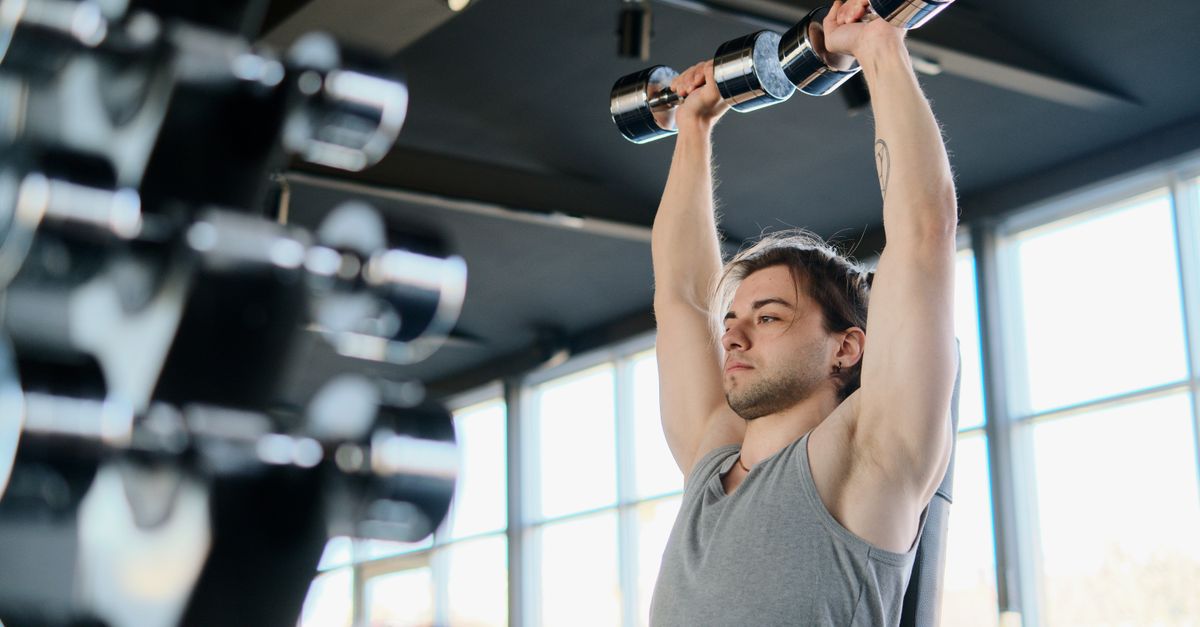
Acute spikes in testosterone follow high-intensity resistance exercise, particularly multi-joint movements like squats and deadlifts. A 2010 meta-analysis (Kraemer & Ratamess, Sports Medicine 2005; PMID: 15831061) established that training volume, intensity, and rest intervals all modulate the acute hormonal response. Practically: 3–4 sessions per week of compound lifting at 70–85% of one-rep max, with moderate rest periods (60–90 seconds), produces the most consistent testosterone-elevating stimulus.
2. Sleep — The Overnight Testosterone Factory
Testosterone is primarily secreted during sleep, with the largest pulse occurring during the first REM cycle. A landmark 2011 study published in JAMA found that restricting sleep to 5 hours per night for one week in young healthy men reduced daytime testosterone levels by 10–15% (Leproult & Van Cauter, JAMA 2011; PMID: 21632481). Prioritizing 7–9 hours of quality sleep is arguably the single most impactful free intervention.
3. Body Composition — Adipose Tissue Is an Estrogen Factory
Adipose tissue expresses aromatase, the enzyme that converts testosterone to estradiol. Higher visceral fat mass correlates inversely with free testosterone. Studies consistently show that weight loss of even 5–10% of body mass meaningfully raises both total and free testosterone in overweight men.
4. Stress and Cortisol Management
Cortisol and testosterone operate on a seesaw: chronically elevated cortisol directly inhibits Leydig cell function in the testes, suppressing testosterone synthesis. The adrenal system is not separate from the reproductive hormone axis. If you're dealing with chronic psychological stress, reviewing evidence-based approaches to lower cortisol naturally is a productive parallel strategy.
---
Supplements for Total Testosterone: What the Evidence Actually Shows
Once lifestyle foundations are addressed, targeted supplementation can provide an additional and meaningful lift — particularly for men with micronutrient deficiencies or high allostatic stress. Here is what the clinical literature actually supports.
Vitamin D3
Vitamin D receptors are present on Leydig cells, the testosterone-producing cells of the testes. A 12-month double-blind RCT in 165 men found that supplementing 3,332 IU of vitamin D3 daily raised total testosterone from 10.7 to 13.4 nmol/L — a statistically significant 25% increase — compared to no change in the placebo group (Pilz et al., Hormone and Metabolic Research 2011; PMID: 21154195). The effect was most pronounced in men who were vitamin D insufficient at baseline.
Checking your 25(OH)D level before supplementing is worthwhile — men with already-replete vitamin D levels see smaller gains. For context on what low vitamin D looks like before you test, the full breakdown of low vitamin D symptoms and lab markers is a useful reference.
Zinc
Zinc is a cofactor for testosterone biosynthesis and 5-alpha-reductase activity. Deficiency is directly associated with hypogonadism, and repletion in deficient men consistently raises testosterone. A classic study in elderly men with marginal zinc deficiency showed that 6 months of zinc supplementation nearly doubled serum testosterone (Prasad et al., Nutrition 1996; PMID: 8875519). Clinically meaningful doses range from 15–30 mg elemental zinc (as zinc bisglycinate or zinc picolinate for superior absorption), taken away from iron-containing foods.
Ashwagandha (KSM-66 Extract)
Ashwagandha's testosterone-supporting effects appear to operate through two pathways: lowering cortisol (which relieves cortisol-mediated suppression of LH) and direct antioxidant support of testicular function. An 8-week RCT in 57 young men undergoing resistance training found that KSM-66 at 600 mg/day produced a 15–17% increase in serum testosterone compared to placebo, alongside significant gains in muscle strength and recovery (Wankhede et al., Journal of the International Society of Sports Nutrition 2015; PMID: 26609282). The KSM-66 extract is the most studied standardized form.
Magnesium
Magnesium, particularly in bioavailable forms like magnesium glycinate, is inversely correlated with SHBG (sex hormone-binding globulin). Since SHBG binds testosterone and renders it biologically inactive, lowering SHBG effectively raises free testosterone even without raising total testosterone. A 4-week study in athletes found significant increases in both total and free testosterone with magnesium supplementation (Cinar et al., Biological Trace Element Research 2011; PMID: 20352370).
---
Fenugreek Testosterone Supplement: What the Research Says
Fenugreek deserves its own section because it's simultaneously one of the most marketed and most legitimately interesting testosterone-support ingredients. Its primary mechanism is inhibition of aromatase and 5-alpha-reductase — meaning it may reduce conversion of testosterone to estradiol and DHT, theoretically keeping more testosterone in the bioavailable pool.
A 12-week double-blind RCT in 60 men found that a fenugreek seed extract (Testofen, 600 mg/day) significantly increased free testosterone levels, sexual function scores, and overall energy and mood compared to placebo (Steels et al., Phytotherapy Research 2011; PMID: 21312304). A second RCT in resistance-trained men similarly found that 500 mg/day of fenugreek extract over 8 weeks prevented the expected post-exercise decline in testosterone and improved body composition compared to placebo.
Fenugreek is generally well tolerated. The main practical concern is a maple-syrup odor in sweat and urine, which is harmless but noticeable. The clinically studied dose is 500–600 mg of a standardized extract (typically standardized to furostanolic saponins).
Is fenugreek for everyone? Probably not as a first-line choice over zinc and vitamin D3, but it is a reasonable addition for men who have optimized the micronutrient deficiency layer and want incremental support — particularly those concerned about free testosterone and estrogen balance.
---
A Note on "Supplements to Lower Total Testosterone"
This is a real clinical concern — not an abstract one. Men on testosterone replacement therapy (TRT), competitive athletes subject to anti-doping rules, and men with certain hormone-sensitive conditions (polycythemia, some prostate conditions) may actually need to manage testosterone downward, not upward.
In those contexts, clinicians may monitor hematocrit alongside testosterone. If your testosterone protocol has raised your red blood cell mass, understanding how to lower hematocrit naturally is relevant background reading.
For men seeking to lower testosterone deliberately (which is outside the scope of natural supplementation and belongs firmly in a clinical conversation), spearmint tea, licorice root, and high-dose flaxseed have the most evidence for modest aromatization or androgen-lowering effects — but none should be used without physician oversight.
---
What This Means for Your Formula
Not every man with suboptimal testosterone has the same underlying driver. Ones addresses this by analyzing blood markers, wearable data, and health history together — then building a formula calibrated to what's actually going on.
For testosterone support specifically, three ingredients in the Ones catalog are most relevant:
KSM-66 Ashwagandha at 600 mg — This is the exact extract and dose used in the Wankhede 2015 trial showing 15–17% testosterone increases in resistance-training men. Ones includes it at the full 600 mg, not a token 150 mg dusting.
Zinc (as zinc bisglycinate) — Included when blood markers or dietary history suggest insufficiency. Zinc bisglycinate offers superior absorption over zinc oxide, the form common in cheap multivitamins.
Vitamin D3 + K2 (MK-7) — D3 is included with K2 as MK-7 (not MK-4) to support both hormonal function and cardiovascular safety of repleting vitamin D. Dose is calibrated to baseline 25(OH)D levels surfaced in bloodwork, not a generic 1,000 IU.
The Ones AI health practitioner synthesizes these inputs into a 6 or 9-capsule daily formula — meaning the formula is built around your findings, not a pre-packaged stack. If your cortisol is elevated alongside low testosterone, the Adrenal Support System Blend may be part of the picture. If your vitamin D is already replete, D3 drops off and something else takes that capsule slot.
---
Key Takeaways
- Low testosterone is common and measurable: Symptoms include fatigue, low libido, muscle loss, and mood disturbances; a morning blood panel (total T, free T, SHBG, LH) is the essential starting point.
- Lifestyle comes first: Resistance training, 7–9 hours of sleep, body fat reduction, and cortisol management produce testosterone gains that no supplement alone can replicate.
- Micronutrient deficiencies are the most common correctable driver: Vitamin D3 and zinc have the strongest RCT evidence for raising testosterone specifically in deficient men — both are inexpensive and low-risk.
- Ashwagandha (KSM-66 at 600 mg) has real trial data: The Wankhede 2015 RCT showed 15–17% testosterone increases alongside strength gains; the cortisol-suppressing mechanism is a plausible explanation.
- Fenugreek (500–600 mg standardized extract) is a legitimate option: Particularly for free testosterone and estrogen balance, with two RCTs supporting its effect — but it's an add-on, not a foundation.
- Personalized formulation beats generic stacking: Because testosterone suppression can stem from cortisol dysregulation, micronutrient gaps, poor sleep, or multiple factors simultaneously, a formula calibrated to your actual lab data and lifestyle context — as Ones builds — is more efficient than buying five single ingredients and guessing at doses.
---
This article is for informational purposes only and does not constitute medical advice. Consult a qualified healthcare provider before beginning any supplement regimen, particularly if you are managing a diagnosed hormonal condition.