Performance
How to Keep Muscle While Losing Weight on Trulicity
GLP-1 receptor agonists like Trulicity (dulaglutide) suppress appetite aggressively — a benefit for fat loss, but a real risk for lean muscle mass. Studies show that up to 25–40% of weight lost on GLP-1 drugs can come from lean tissue if no protective strategy is in place. The good news: targeted nutrition, resistance training, and the right supplement stack can shift that ratio significantly in your favor.
How to Keep Muscle While Losing Weight on Trulicity
Trulicity (dulaglutide) is effective for fat loss, but most of the weight you lose on it won't be pure fat unless you actively work to protect lean tissue. In clinical trials of GLP-1 receptor agonists, roughly 25–40% of total weight loss comes from lean mass rather than fat — a figure that climbs higher when protein intake is low and resistance training is absent. The exception is people who pair Trulicity with adequate protein, structured exercise, and a targeted supplement strategy, where the lean-mass loss fraction can drop considerably.
---
Why Trulicity Puts Muscle at Risk
Dulaglutide works by mimicking glucagon-like peptide-1, slowing gastric emptying, amplifying insulin secretion, and — most relevant here — powerfully suppressing appetite. That appetite suppression is the mechanism of weight loss, but it creates a secondary problem: total caloric intake often falls so low that protein consumption can't support muscle protein synthesis (MPS).
A large systematic review published in Obesity Reviews found that across GLP-1 agonist trials, mean lean mass loss ranged from 1.3 to 2.0 kg over treatment periods of 26–68 weeks — not trivial when total weight loss averaged 8–15% of body weight (Wilding et al., 2021; PMID: 33471378). The physiological driver is a combination of reduced amino acid availability, the natural catabolic response to caloric deficit, and a potential reduction in anabolic hormone signaling that tends to accompany rapid weight loss.
If you are also managing PCOS or fibroids alongside GLP-1 therapy, the risk of lean tissue loss is compounded by hormonal factors — a topic covered in depth at what causes muscle loss with PCOS and is muscle loss normal with fibroids.
---
Protein Targets and Meal Timing on Trulicity
The most evidence-backed intervention for preserving muscle during GLP-1-driven weight loss is hitting a protein target that most Trulicity users dramatically undershoot.
Minimum target: 1.2 g of protein per kg of body weight per day, rising to 1.6–2.0 g/kg if you are actively resistance training (Morton et al., Journal of Physiology 2018; PMID: 28044797).
Because Trulicity delays gastric emptying, three large protein loads per day can feel genuinely uncomfortable. A better approach for most people on the drug:
- Distribute protein across 4–5 smaller meals rather than 2–3 large ones — aim for 25–35 g of high-quality protein per sitting to maximally stimulate MPS.
- Prioritize leucine-rich sources — whey protein concentrate, Greek yogurt, eggs, and lean poultry. Leucine is the primary amino acid trigger for mTOR-mediated MPS and is effective at doses as low as 2–3 g per meal.
- Time one protein serving within 30–60 minutes post-resistance training — the post-exercise window is real, though shorter-lived than once believed. This matters especially when total calories are constrained.
- Use liquid or semi-liquid protein sources when nausea is high — a shake with 30 g whey is far easier to tolerate than a chicken breast when gastric emptying is slowed.
For a detailed breakdown of the protein-creatine-leucine stack specifically validated in GLP-1 contexts, see GLP-1 muscle loss: the protein, creatine, and leucine stack that protects lean mass.
---
Resistance Training: The Non-Negotiable Variable
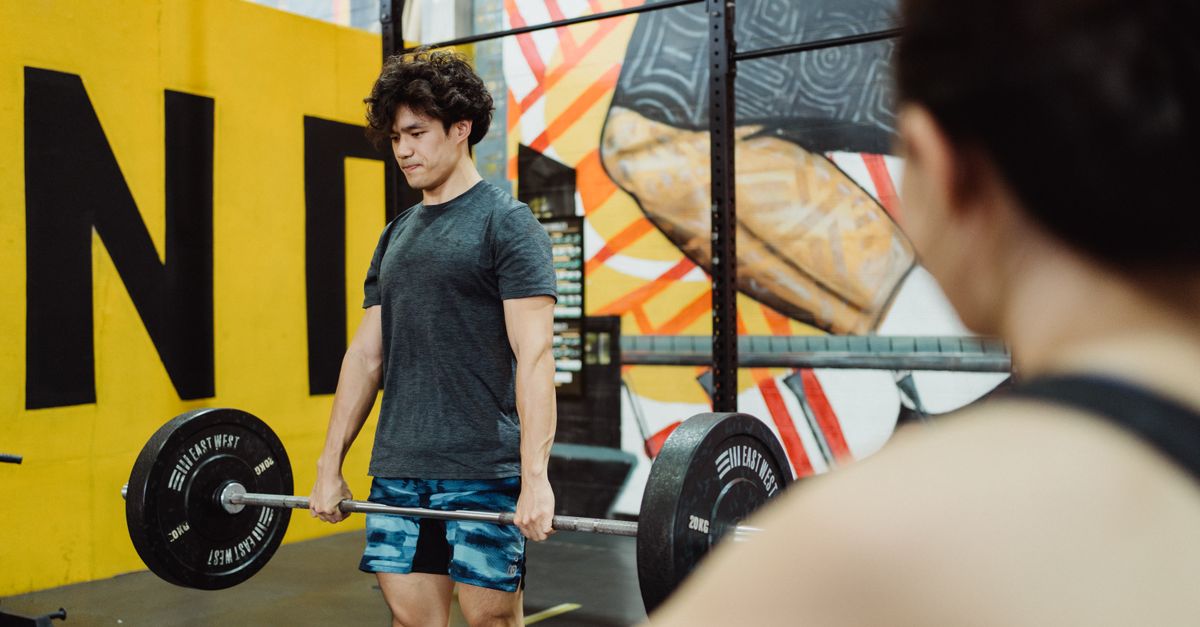
No supplement or macronutrient strategy fully substitutes for mechanical loading. Resistance exercise is the primary anabolic stimulus that signals muscle to be retained even in a caloric deficit.
A 2022 randomized controlled trial in Obesity (Bellicha et al.; PMID: 35373872) confirmed that combining GLP-1 receptor agonist therapy with resistance training significantly attenuated lean mass loss compared to drug therapy alone — participants who trained preserved approximately 1.1 kg more lean mass over 16 weeks, with no meaningful difference in total fat loss.
Minimum effective dose for muscle preservation:
- 2–3 sessions per week of progressive resistance training
- Multi-joint compound movements (squat, deadlift, row, press) prioritized
- Progressive overload tracked — the signal is progressive tension, not volume alone
If fatigue and nausea from Trulicity make high-intensity sessions feel impossible in the first weeks of dose escalation, two shorter sessions (20–30 minutes) of moderate-weight, full-body work are still far better than zero.
---
Prebiotics for Weight Loss and Muscle Preservation
One underappreciated lever is gut health — specifically, how prebiotic fibers influence both appetite regulation and amino acid metabolism during caloric restriction.
Prebiotics feed beneficial bacteria that produce short-chain fatty acids (SCFAs), particularly butyrate and propionate. These SCFAs reduce intestinal inflammation, improve insulin sensitivity, and have been shown in animal and human data to support muscle mass indirectly by reducing systemic cortisol and inflammatory signaling that accelerates protein catabolism (Canfora et al., Nature Reviews Endocrinology 2015; PMID: 26303384).
In a double-blind RCT, 12 weeks of prebiotic supplementation (10 g/day inulin-type fructans) produced statistically significant reductions in appetite-related hormones and improved body composition compared to placebo — even without caloric restriction (Dahl et al., Appetite 2020; PMID: 32387593). On Trulicity, where appetite is already suppressed, the mechanistic benefit may be less about hunger and more about optimizing the gut environment for nutrient absorption when total intake is low.
Practical sources: inulin, fructooligosaccharides (FOS), partially hydrolyzed guar gum, and green banana resistant starch are all viable options that can be added to protein shakes without meaningfully altering palatability.
---
Psyllium Husk for Weight Loss on Trulicity: Benefits and Cautions
Psyllium husk is a soluble fiber that slows gastric emptying, moderates postprandial glucose spikes, and increases satiety. On its own, it has a modest but real weight-management benefit: a meta-analysis of 35 RCTs found psyllium supplementation produced a mean reduction of 1.03 kg body weight over 10 weeks (Gibb et al., American Journal of Clinical Nutrition 2015; PMID: 26269373).
For Trulicity users, the interaction is worth thinking about carefully:
Potential benefits:
- Improves stool consistency and relieves constipation — a common GLP-1 side effect
- Blunts postprandial glucose peaks, complementing the drug's glycemic action
- May support gut microbiome diversity as a fermentable fiber
Caution: Because Trulicity already delays gastric emptying, adding a viscous, gel-forming fiber like psyllium could amplify GI side effects (bloating, cramping, early satiety that crowds out protein). Start with a low dose (3–5 g daily) rather than the typical 10–15 g therapeutic range, and assess tolerance over 2–3 weeks before increasing.
For a thorough review of psyllium husk use in contexts of restricted intake, psyllium husk while breastfeeding covers the safety and dosing logic that also applies to anyone consuming well below typical caloric norms.
---
Palmitoylethanolamide for Weight Loss and Muscle-Adjacent Benefits
Palmitoylethanolamide (PEA) is an endogenous fatty acid amide that modulates mast cells, reduces neuroinflammation, and activates PPAR-α receptors involved in fatty acid oxidation. It is not a classic weight-loss supplement, but its relevance to Trulicity users lies in two areas:
1. Systemic inflammation reduction. Chronic low-grade inflammation accelerates muscle protein breakdown during caloric restriction. PEA has demonstrated anti-inflammatory effects in multiple randomized trials, reducing markers such as IL-6 and TNF-α (Petrosino & Di Marzo, Biochemical Pharmacology 2017; PMID: 28007491). Lower inflammatory tone means a more anabolically permissive environment for muscle retention.
2. Neuropathic symptom relief. Some patients on GLP-1 therapy report joint discomfort and musculoskeletal stiffness — particularly those losing weight rapidly. PEA has well-documented analgesic and anti-inflammatory properties in musculoskeletal contexts at doses of 300–600 mg/day, which may allow more consistent training adherence.
PEA is not a direct fat-loss ingredient, but its role in the broader ecosystem of staying comfortable enough to exercise and absorbing nutrients efficiently makes it worth considering in a comprehensive Trulicity support stack.
---
Chondroitin for Weight Loss: What the Evidence Actually Says
Chondroitin sulfate is primarily known for joint support — it is not a weight-loss compound in the conventional sense. However, in the context of Trulicity and muscle preservation, joint health is a real, often overlooked variable.
Rapid weight loss of 10–15% of body weight (which Trulicity can produce over 12–26 weeks) places acute stress on cartilaginous structures because the mechanical load on joints changes faster than supporting connective tissue can adapt. If joint discomfort sidelines resistance training, the net effect is accelerated lean mass loss — making connective tissue support directly relevant to body composition outcomes.
A 2016 meta-analysis of 43 RCTs confirmed that combined glucosamine-chondroitin supplementation reduced pain scores in osteoarthritic joints with effect sizes ranging from 0.18 to 0.47 (Zhu et al., Osteoarthritis and Cartilage 2018; PMID: 29229575). This matters for Trulicity users because staying pain-free enough to train 2–3 times per week is mechanically essential to the entire muscle-preservation strategy.
If you are adding chondroitin to your stack, the evidence-based dose is 800–1,200 mg/day of chondroitin sulfate, typically alongside 1,500 mg/day glucosamine. It takes 8–12 weeks to observe meaningful joint symptom reduction, so starting early in your Trulicity course is rational.
---
Sleep, Cortisol, and the Hormonal Environment for Muscle Retention
Muscle preservation is not only a gym-and-protein problem. The hormonal environment in which your body operates during weight loss determines how aggressively it cannibalizes lean tissue.
Cortisol — released in greater quantities during caloric deficit and inadequate sleep — is a potent driver of muscle protein catabolism. A study in the Journal of Clinical Endocrinology & Metabolism found that sleep-restricted subjects in caloric deficit lost 60% more lean mass than subjects with adequate sleep at the same caloric intake (Nedeltcheva et al. 2010; PMID: 20921542).
Practical targets:
- Sleep: 7–9 hours per night; treat this as a performance variable, not a lifestyle preference
- Cortisol management: adaptogenic support with clinically dosed Ashwagandha (KSM-66 at 600 mg) has demonstrated statistically significant cortisol reduction in RCTs — a relevant tool during the high-stress period of GLP-1 dose escalation
- Monitor for downstream hormonal shifts: if you are on Trulicity long-term and losing weight rapidly, check a comprehensive metabolic panel including free testosterone and SHBG periodically — anabolic hormone status tends to track closely with lean mass outcomes
For broader context on what to monitor biochemically during GLP-1 therapy, what blood tests should you get while on Trulicity covers the full panel that informed practitioners recommend.
---
What This Means for Your Formula
Ones builds personalized supplement formulas from blood work, wearable data, and health history — which makes GLP-1 therapy contexts a natural fit for the platform's approach. When someone is losing weight on Trulicity, the AI practitioner at Ones looks at findings that directly bear on muscle preservation risk:
Ashwagandha (KSM-66, 600 mg): Included where cortisol biomarkers or wearable-derived HRV data suggest elevated stress load. At 600 mg, the clinical dose used in the Chandrasekhar 2012 RCT that showed a 27.9% reduction in serum cortisol (PMID: 23439798), this ingredient directly reduces the catabolic hormonal environment that accelerates lean mass loss during caloric restriction.
Omega-3 (EPA/DHA): At therapeutic doses (combined EPA+DHA ≥ 2 g/day), fish oil has demonstrated a direct anabolic sensitizing effect on muscle protein synthesis — a 2011 RCT by Smith et al. (American Journal of Clinical Nutrition; PMID: 21159787) showed that Omega-3 supplementation significantly increased the MPS response to amino acids and insulin. Ones sources high-purity EPA/DHA calibrated to individual needs rather than a fixed generic dose.
Ligament Support (proprietary System Blend): For users whose training adherence is limited by joint discomfort during weight loss, Ones includes its Ligament Support blend — which contains glucosamine and chondroitin sulfate at clinically validated doses — where relevant connective tissue signals are present. This addresses exactly the chondroitin rationale described above: keeping you on the floor of the gym is inseparable from keeping muscle on your frame.
Formulas are built as 6 or 9-capsule daily plans calibrated to your specific findings — not a generic stack, and not an arbitrary choice you make yourself.
---
Key Takeaways
- Lean mass loss is a real risk on Trulicity: 25–40% of weight lost can come from lean tissue when no protective strategy is in place — but this is not inevitable.
- Protein is the highest-leverage variable: target 1.2–2.0 g/kg/day of body weight; distribute across 4–5 meals and prioritize leucine-rich sources when appetite is suppressed.
- Resistance training is non-negotiable: even 2 moderate sessions per week significantly attenuates lean mass loss compared to drug therapy alone, per RCT evidence.
- Gut health supports body composition: prebiotic fibers improve the hormonal and inflammatory environment for muscle retention, and psyllium husk can ease GLP-1-related constipation at low starting doses (3–5 g/day).
- Connective tissue health keeps you training: chondroitin and glucosamine at clinical doses reduce joint pain that otherwise derails resistance exercise during rapid weight loss.
- Sleep and cortisol are silent muscle thieves: sleep restriction during caloric deficit increases lean mass loss by up to 60% — prioritize 7–9 hours and consider adaptogenic cortisol support.
- Personalized formulas calibrated to your lab data — like those built by Ones — address the specific nutritional gaps and hormonal signals that determine whether Trulicity produces mostly fat loss or a costly mix of fat and muscle.