Supplements
What Blood Tests Should You Get While on Trulicity?
Most people on Trulicity (dulaglutide) focus on blood sugar numbers, but that's only part of the picture. GLP-1 receptor agonists shift how your body handles nutrients, kidney filtration, and liver enzymes in ways that standard A1c checks miss entirely. Knowing which labs to run — and how often — protects your long-term health while the medication does its job.
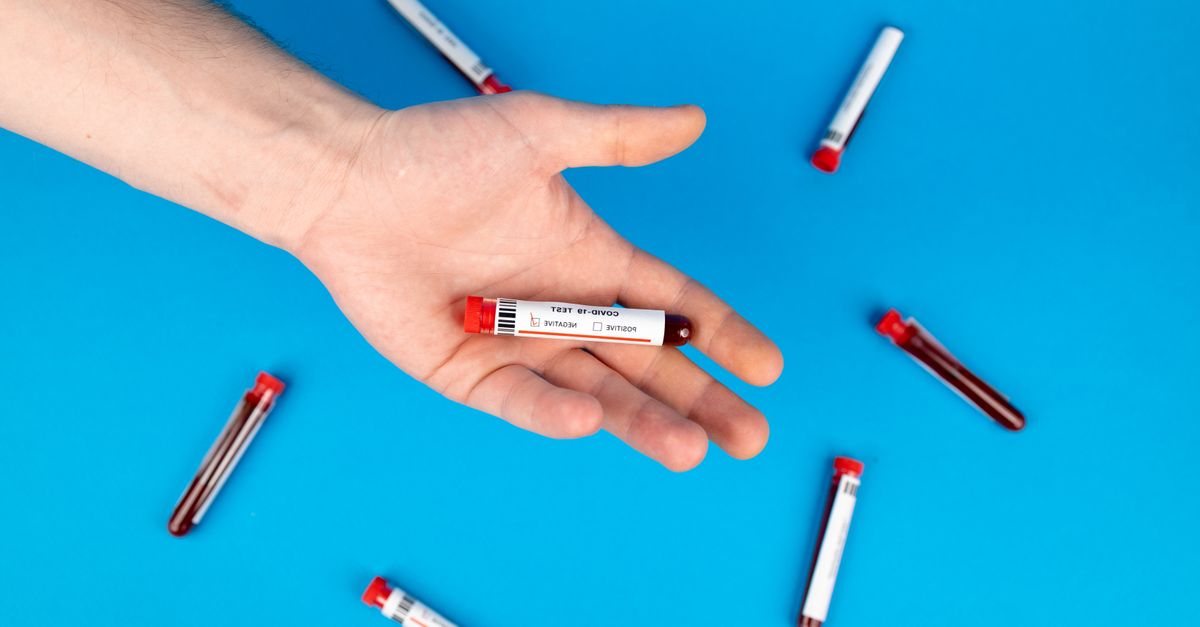
What Blood Tests Should You Get While on Trulicity?
Yes, you need more than just A1c. At minimum, run a comprehensive metabolic panel (CMP), lipid panel, thyroid panel, and urinalysis every 6–12 months while on Trulicity. The main caveat: exact frequency depends on your baseline kidney function and cardiovascular risk. If you have pre-existing CKD, check kidney markers every 3 months. Everyone else: at least twice a year.
---
Trulicity (dulaglutide) is a GLP-1 receptor agonist approved for type 2 diabetes and cardiovascular risk reduction. It lowers blood sugar by stimulating insulin release, slowing gastric emptying, and suppressing glucagon. What the prescription label doesn't tell you is that these same mechanisms quietly alter your nutrient absorption, kidney filtration rate, and liver enzyme activity — changes that show up in bloodwork long before you feel them.
This guide breaks down every blood test worth ordering while on Trulicity, why each one matters mechanistically, and how to interpret the results in the context of a GLP-1 medication.
---
Core Monitoring Panel: What Your Prescriber Should Already Be Checking
These are the non-negotiables. If your doctor isn't ordering them, ask.
Glycemic Control
| Test | Target on Trulicity | Frequency |
|---|---|---|
| HbA1c | < 7.0% (most adults) | Every 3 months until stable, then every 6 months |
| Fasting glucose | 80–130 mg/dL (ADA) | Every 3–6 months |
| Fasting insulin | < 10 µIU/mL | Annually |
| HOMA-IR | < 2.0 | Annually |
Fasting glucose alone misses a lot. HbA1c reflects 90-day average glucose and is the standard endpoint used in dulaglutide's AWARD clinical trials, where the 1.5 mg dose reduced HbA1c by 1.1–1.4% versus placebo (Umpierrez et al., Diabetes Care 2014; PMID: 24159183). Tracking fasting insulin alongside A1c lets you assess whether insulin resistance is actually improving — not just whether glucose is being controlled by the drug.
For a broader look at how often fasting glucose should be tested and what the evidence actually says about optimal intervals, see how often fasting glucose should be tested.
Kidney Function (Renal Panel)
GLP-1 agonists have a complex relationship with the kidneys. Dulaglutide demonstrated a 15% reduction in the composite kidney endpoint in the REWIND trial (Gerstein et al., Lancet 2019; PMID: 31189509), which is reassuring. But dehydration from nausea and reduced oral intake — common side effects — can transiently raise creatinine and reduce eGFR.
| Test | Why It Matters | Flag If... |
|---|---|---|
| Serum creatinine | Muscle waste product filtered by kidneys | Rising trend over 3 visits |
| eGFR | Estimated filtration rate | < 60 mL/min/1.73m² |
| BUN (blood urea nitrogen) | Reflects hydration + protein catabolism | BUN:creatinine > 20 |
| Urine albumin-to-creatinine ratio (UACR) | Early marker of kidney damage | > 30 mg/g |
| Cystatin C | More sensitive than creatinine at early CKD | Elevated with normal creatinine |
Cystatin C is worth requesting if your eGFR sits in the 60–75 range. It isn't confounded by muscle mass the way creatinine is, making it a better early warning signal.
---
Lab Tests for Fatty Liver: Why GLP-1s and the Liver Are Closely Linked
Trulicity is increasingly studied for metabolic-associated fatty liver disease (MAFLD, formerly NAFLD). GLP-1 receptors are expressed in hepatocytes, and dulaglutide has shown reductions in liver fat content in several trials. A 2020 randomized controlled trial in patients with NAFLD found that 12 weeks of weekly dulaglutide significantly reduced intrahepatic fat compared to controls (Cusi et al., Lancet Diabetes & Endocrinology 2021; PMID: 33450199).
But the liver is also where metabolic stress accumulates silently. Order these:
| Test | Normal Range | What Elevation Suggests |
|---|---|---|
| ALT (alanine aminotransferase) | < 40 U/L | Hepatocyte stress or NAFLD |
| AST (aspartate aminotransferase) | < 40 U/L | Liver or muscle damage |
| GGT (gamma-glutamyl transferase) | < 50 U/L | Alcohol use, fatty liver, oxidative stress |
| Alkaline phosphatase (ALP) | 44–147 U/L | Biliary disease or bone turnover |
| Bilirubin (total) | 0.1–1.2 mg/dL | Liver clearance capacity |
| Ferritin | 30–150 ng/mL | Elevated = liver inflammation marker |
An AST:ALT ratio above 2:1 often points toward alcoholic liver disease; a ratio below 1 is more typical of NAFLD. Ferritin above 300 ng/mL in metabolic syndrome contexts is an independent predictor of liver fibrosis and shouldn't be dismissed as just an iron marker.
If you're managing GI symptoms alongside Trulicity and suspect a gut-liver connection, the lab tests for leaky gut article covers which biomarkers your doctor can order to assess intestinal permeability.
---
Thyroid Panel: A Non-Negotiable for GLP-1 Users
Dulaglutide and all GLP-1 receptor agonists carry an FDA black-box warning about a possible association with thyroid C-cell tumors, based on rodent studies. The human evidence doesn't confirm causation, but it's enough to warrant thyroid surveillance — especially if you have a personal or family history of thyroid cancer or MEN2 syndrome.
Order at baseline and annually:
- TSH — primary screening test; flag anything outside 0.5–2.5 mIU/L if symptomatic
- Free T4 — active thyroid hormone; falls when TSH rises
- Free T3 — the metabolically active form; relevant if conversion is impaired
- Calcitonin — a direct C-cell marker; elevated in medullary thyroid carcinoma
- Anti-TPO antibodies — identifies Hashimoto's, which affects about 10% of adults
Calcitonin is not standard on every panel, but it's worth requesting given the drug class. Baseline levels above 20 pg/mL warrant further evaluation.
---
Lipid Panel and Cardiovascular Markers
The REWIND trial enrolled over 9,900 participants and showed dulaglutide reduced MACE (major adverse cardiovascular events) by 12% versus placebo (Gerstein et al., Lancet 2019; PMID: 31189509). Tracking your lipid response while on Trulicity tells you how much cardiovascular benefit you're actually getting.
| Test | Optimal Target | Notes |
|---|---|---|
| LDL-C | < 100 mg/dL (< 70 if high CVD risk) | Direct LDL more accurate than calculated |
| HDL-C | > 50 mg/dL women, > 40 mg/dL men | GLP-1s modestly raise HDL |
| Triglycerides | < 150 mg/dL | Dulaglutide typically reduces TG 10–15% |
| ApoB | < 90 mg/dL | Better predictor of CV risk than LDL-C |
| hs-CRP | < 1.0 mg/L | Inflammation marker; tracks CVD and metabolic risk |
| Lp(a) | < 50 nmol/L | Genetically fixed; important baseline |
ApoB counts every atherogenic particle, not just LDL. It's the single most informative cardiovascular lipid marker and should be part of any metabolic panel you request.
---
Nutrient Status: The Gap Most Prescribers Miss
GLP-1 agonists slow gastric emptying by 20–30% and commonly reduce total caloric intake. That reduction in food volume means reduced micronutrient intake — especially among people already eating a narrowed diet due to GI side effects.
Vitamins and Minerals to Track
| Nutrient | Test | Optimal Range | Why It Matters on Trulicity |
|---|---|---|---|
| Vitamin B12 | Serum B12 or methylmalonic acid | > 400 pg/mL | Reduced food intake, possible metformin co-use |
| Vitamin D | 25(OH)D | 40–60 ng/mL | Fat-soluble absorption may be affected |
| Magnesium | RBC magnesium | 5.2–6.5 mg/dL | Glycemic control, muscle function |
| Zinc | Serum zinc | 70–120 µg/dL | Immune function, wound healing, taste |
| Iron panel | Ferritin + TIBC + serum iron | Ferritin 30–150 ng/mL | Fatigue differential |
| Folate | Serum folate | > 10 nmol/L | Methylation, cardiovascular risk |
Methylmalonic acid (MMA) is a more sensitive B12 marker than serum B12 alone — elevated MMA with normal serum B12 reveals functional B12 deficiency that standard panels miss.
If you're taking metformin alongside Trulicity, B12 depletion risk increases substantially. A landmark meta-analysis found metformin reduces B12 levels in 10–30% of users over time (Chapman et al., Diabetes Care 2016; PMID: 27311494).
---
Lab Tests for Longevity and Healthy Aging on GLP-1 Therapy
There's growing evidence that GLP-1 agonists do more than lower blood sugar — they appear to reduce markers of biological aging. This makes comprehensive "longevity panel" testing increasingly relevant for people on Trulicity long-term.
- IGF-1 — reflects growth hormone activity and tissue repair; declines with age
- DHEA-S — adrenal androgenic hormone; a proxy for biological age and stress reserve
- Testosterone (total and free) — metabolic health proxy; insulin resistance suppresses it
- Cortisol (AM) — elevated cortisol impairs glucose control and accelerates aging
- Complete blood count (CBC) — tracks anemia, immune cell ratios, and overall blood health
- Homocysteine — elevated levels predict cardiovascular and cognitive risk
- Uric acid — elevated in metabolic syndrome; GLP-1s may reduce it
Homocysteine above 10 µmol/L is an independent cardiovascular risk factor and is easy to modify with B-vitamin supplementation. It's also chronically under-ordered.
For women considering whether DHEA-S is worth testing specifically, should women get DHEA-S tested covers the evidence in detail.
---
Lab Tests for Poor Sleep: Why Sleep Biomarkers Matter on GLP-1 Therapy
This one surprises people. GLP-1 agonists reduce appetite-driving hormones, but poor sleep itself — independent of diet — raises fasting glucose, disrupts insulin sensitivity, and elevates cortisol. If you're on Trulicity and your blood sugar control seems inconsistent, your sleep quality may be the hidden variable.
Sleep-relevant biomarkers to test:
| Marker | What It Reveals |
|---|---|
| Cortisol (AM + PM) | Dysregulated cortisol from poor sleep raises overnight glucose |
| Fasting glucose trend | Sleep-impaired glucose regulation shows up here first |
| Leptin | Low leptin from sleep deprivation drives compensatory hunger |
| TSH | Sleep disorders (esp. apnea) are associated with thyroid dysfunction |
| CRP | Inflammation from poor sleep elevates hs-CRP independently |
A 2010 study in Annals of Internal Medicine found that just 4 nights of sleep restriction reduced insulin sensitivity by 16% and increased sympathoadrenal activity — an effect that directly works against what Trulicity is trying to accomplish (Spiegel et al., Ann Intern Med 2010; PMID: 20048263). If you want to understand the hormonal cascade between sleep and hunger biomarkers, leptin and sleep goes deep on the mechanism.
---
Suggested Testing Schedule
| Timepoint | Panel |
|---|---|
| Baseline (before starting) | CMP, CBC, HbA1c, fasting glucose + insulin, full lipids + ApoB, TSH + calcitonin, 25(OH)D, B12, magnesium, ferritin, UACR, hs-CRP |
| 3 months | HbA1c, fasting glucose, CMP (focus on renal + liver), lipids |
| 6 months | Full repeat of baseline minus calcitonin (unless symptomatic) |
| 12 months | Full panel including calcitonin, homocysteine, DHEA-S, cortisol, ApoB |
| Ongoing annually | Same as 12-month panel |
---
What This Means for Your Formula
Blood tests reveal gaps — supplementation fills them when diet falls short. For people on Trulicity, three nutrient areas come up most consistently in lab results:
Vitamin D3 + K2 (MK-7): Reduced caloric intake and potentially impaired fat-soluble absorption make vitamin D insufficiency common in GLP-1 users. Ones includes D3 paired with vitamin K2 as MK-7, the form clinically shown to activate osteocalcin and direct calcium away from arteries (Vermeer et al., Thrombosis and Haemostasis 2004; PMID: 15543182). D3 alone without K2 may raise calcium levels without directing it properly.
Magnesium Glycinate: Tight glucose regulation increases urinary magnesium excretion. Ones' Magnesium Complex uses highly bioavailable forms including magnesium glycinate, dosed to support both insulin sensitivity and sleep quality — two things that reinforce each other. RBC magnesium testing (not serum) is the right way to assess whether you're actually repleting.
Zinc: Zinc is essential for insulin synthesis, immune defense, and wound healing — and it's one of the first nutrients to fall when total food intake drops. Ones includes zinc dosed within the therapeutic 15–30 mg range, calibrated against your bloodwork rather than applied uniformly.
The Ones AI practitioner analyzes your labs and wearable data together to build a capsule formula that addresses the specific gaps your results reveal — not a generic daily pack. That means someone whose Trulicity labs show low B12 and elevated ALT gets a different formula than someone whose main findings are low D and elevated triglycerides.
If you're also taking a related GLP-1 medication, the guide on what supplements to take on Trulicity covers the evidence-based stack in more detail.
---
Key Takeaways
- Trulicity monitoring goes beyond A1c. Kidney function, liver enzymes, thyroid markers, and lipid panels are all essential — not optional extras.
- Nutrient depletion is real and measurable. Reduced food intake on GLP-1s creates B12, vitamin D, magnesium, and zinc gaps that show up in labs before they show up as symptoms.
- Liver tests matter even without symptoms. GLP-1 agonists interact with hepatic fat metabolism; elevated GGT or ferritin can be early signals of metabolic liver stress.
- Poor sleep undermines Trulicity's effect. Sleep restriction reduces insulin sensitivity independently — cortisol, leptin, and fasting glucose trends can expose this interaction.
- Calcitonin and anti-TPO antibodies should be part of your baseline. The GLP-1 drug class carries a thyroid C-cell warning; baseline calcitonin takes 60 seconds to order.
- Test ApoB and hs-CRP, not just LDL. The cardiovascular benefit of Trulicity is real, but you can't track it without the right markers.
This article is for informational purposes only. Always work with a licensed healthcare provider to interpret lab results and adjust your treatment plan.