Supplements
How to Lower A1C Without Medication: Evidence-Backed Benefits and Realistic Expectations
Nearly 98 million American adults have prediabetes, yet 80% don't know it — and A1C is the single most predictive marker of where their metabolic health is headed. The good news: structured lifestyle changes, targeted nutrition, and clinically dosed supplements can meaningfully reduce A1C, fasting glucose, triglycerides, and LDL without a prescription. Here's what the research actually supports.
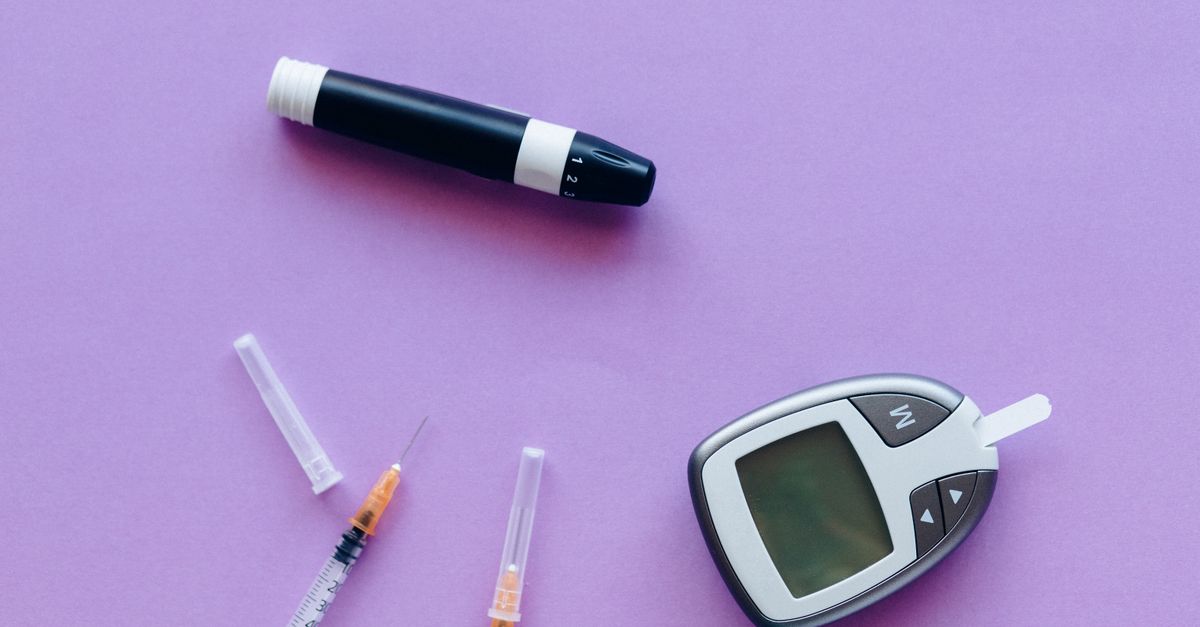
How to Lower A1C Without Medication: Evidence-Backed Benefits and Realistic Expectations
A1C — glycated hemoglobin — reflects your average blood sugar over the past two to three months. It's not just a diabetes metric; it's a metabolic report card. An A1C between 5.7% and 6.4% signals prediabetes, and every 1% rise above normal significantly increases the risk of cardiovascular disease, nerve damage, and kidney dysfunction. The encouraging reality is that a 0.5–1.5% reduction in A1C is achievable through lifestyle intervention alone, a magnitude comparable to some first-line oral medications (Diabetes Prevention Program Research Group, NEJM 2002; PMID: 11832527).
This article breaks down the evidence on how to lower A1C without medication, and connects those strategies to the related markers — fasting glucose, triglycerides, LDL, and ApoB — that move together when your metabolic health improves.
---
The Metabolic Cluster: Why A1C Rarely Travels Alone
Elevated A1C almost never shows up in isolation. Insulin resistance — the root driver of most A1C creep — simultaneously raises fasting glucose, increases hepatic triglyceride output, shifts LDL particle size toward small dense particles, and elevates ApoB. Treating only blood sugar while ignoring lipid markers is like mopping the floor while the faucet is still running.
That's why the strategies below are organized by marker, but the mechanisms overlap. Improving insulin sensitivity through diet, movement, and targeted supplementation tends to improve all four markers simultaneously.
---
How to Lower Fasting Glucose Without Medication
Fasting glucose (measured after 8–12 hours without food) is often the first marker to respond to lifestyle changes, sometimes within days. Here's what moves it:
1. Reduce refined carbohydrate load. A 2021 meta-analysis of 23 randomized controlled trials found that low-carbohydrate diets reduced fasting glucose by an average of 7.3 mg/dL compared to control diets in people with type 2 diabetes and prediabetes (Goldenberg et al., Diabetes Care 2021; PMID: 33461969). Replacing white rice, bread, and sugar-sweetened beverages with fiber-rich vegetables, legumes, and whole grains flattens the post-meal glucose curve and reduces basal fasting levels over time.
2. Prioritize a protein-forward breakfast. Eating 30–45g of protein at breakfast reduces post-lunch glucose excursions by slowing gastric emptying and improving GLP-1 secretion. Research from the University of Missouri showed protein-rich breakfasts reduced daily glucose variability by 20% compared to carbohydrate-heavy equivalents.
3. Walk after meals. A 2022 meta-analysis in Sports Medicine confirmed that 2–5 minutes of light walking after eating reduced post-meal glucose by approximately 17% compared to sitting (Buffey et al., Sports Medicine 2022; PMID: 35716252). This is one of the lowest-effort, highest-yield interventions available.
4. Address sleep quality. Even one night of sleep deprivation increases insulin resistance the following day. Chronic short sleep (under 6 hours) raises fasting glucose and A1C independently of diet. Optimizing sleep hygiene and addressing cortisol dysregulation are non-negotiable pillars of glucose management.
Key supplements with evidence for fasting glucose:
- Berberine (500mg 3x/day): Multiple meta-analyses show berberine reduces fasting glucose by 15–20 mg/dL, partly by activating AMPK — the same pathway as metformin (Yin et al., Metabolism 2008; PMID: 18442638).
- Magnesium: Low magnesium is independently associated with insulin resistance. Supplementation at 300–400mg/day has been shown to improve fasting glucose in magnesium-deficient individuals.
- Alpha-lipoic acid: Enhances glucose uptake in skeletal muscle by activating insulin signaling pathways.
---
How to Lower Triglycerides Without Medication
Triglycerides are often called "the sugar lipid" because they respond more dramatically to carbohydrate and alcohol intake than to dietary fat. A fasting triglyceride level above 150 mg/dL is a red flag for insulin resistance and metabolic syndrome.
Dietary levers:
- Eliminating added sugars and refined starches is the single most effective dietary change. A study in JAMA Internal Medicine found that reducing added sugar from 25% to 8% of daily calories reduced triglycerides by 38 mg/dL in just 9 days (Lustig et al., Obesity 2016; PMID: 26694249).
- Alcohol is a potent triglyceride driver — even moderate consumption raises VLDL synthesis in the liver.
- Increasing dietary omega-3s from fatty fish (salmon, sardines, mackerel) measurably reduces hepatic triglyceride secretion.
Supplement evidence:
- Omega-3 fatty acids (EPA + DHA): At doses of 2–4g/day, EPA and DHA reduce triglycerides by 20–35% through inhibition of hepatic VLDL synthesis and enhanced triglyceride clearance. This is one of the most replicated findings in nutritional medicine (Miller et al., Journal of Clinical Lipidology 2011).
- Niacin (nicotinic acid): At therapeutic doses, niacin reduces triglycerides by 20–50%, though GI side effects limit adherence. Speak with your provider before using therapeutic-dose niacin.
For those learning how omega-3s support cardiovascular and metabolic health, the EPA/DHA mechanism is particularly relevant when triglycerides are driven by carbohydrate excess rather than dietary fat.
---
How to Lower LDL Without Medication
LDL reduction through lifestyle requires understanding which LDL fraction you're targeting. Total LDL can be within range while small, dense LDL particles — the atherogenic fraction — remain elevated. This is why ApoB (addressed in the next section) is a more clinically meaningful marker.
Dietary approaches:
- Soluble fiber: 5–10g/day of soluble fiber from oats, psyllium, flaxseed, or legumes reduces LDL by 5–10% by binding bile acids in the gut and forcing the liver to pull LDL from circulation to synthesize more. The FDA has authorized a health claim for oat beta-glucan and LDL reduction based on this mechanism.
- Replace saturated fat with monounsaturated or polyunsaturated fats: Swapping butter for extra-virgin olive oil, avocado, and nuts has well-documented LDL-lowering effects. A Mediterranean dietary pattern reduces LDL by 10–15% in most intervention studies.
- Reduce dietary cholesterol sources selectively: For roughly 25% of the population who are "hyper-responders," dietary cholesterol significantly raises LDL. Most people, however, show modest response — the liver compensates.
Supplement evidence:
- Plant sterols/stanols (2g/day): Block intestinal cholesterol absorption and reduce LDL by 8–10% in most trials.
- Red yeast rice: Contains monacolin K (identical in structure to lovastatin). At doses of 1,200–2,400mg/day, it reduces LDL by 15–25%, but carries the same mechanism and risk profile as statin drugs — use only under practitioner supervision.
- Bergamot polyphenols: Emerging evidence suggests bergamot extract (500–1,000mg) reduces total and LDL cholesterol while raising HDL, with a recent Italian RCT showing 36% LDL reduction over 30 days — though larger trials are needed.
---
How to Lower ApoB Without Medication
ApoB is the protein that coats every atherogenic lipoprotein particle — LDL, VLDL, IDL, and Lp(a). One ApoB = one particle. High ApoB with normal LDL-C is common in insulin resistance and metabolic syndrome, and it's a better predictor of cardiovascular events than LDL cholesterol alone.
ApoB responds most robustly to:
- Improving insulin sensitivity — the primary driver of small, dense LDL and elevated particle count is hyperinsulinemia. Everything that lowers insulin resistance (movement, reduced refined carbs, weight loss, sleep) reduces ApoB.
- Omega-3 supplementation — EPA/DHA reduce hepatic VLDL secretion, directly lowering VLDL-ApoB and indirectly LDL-ApoB.
- Fiber + plant sterols — as described above, reducing LDL-C via bile acid sequestration also reduces ApoB.
- Weight loss: A 5–10% reduction in body weight can reduce ApoB by 10–20% independently of diet composition.
For a deeper look at how to interpret ApoB and cardiovascular lipid markers, understanding the particle vs. mass distinction changes how you read a standard lipid panel.
---
How These Markers Connect: The Insulin Resistance Cascade
Here's why all four markers improve together when you address insulin resistance:
| Marker | Primary Driver | Key Lifestyle Lever | Key Supplement |
|---|---|---|---|
| A1C | Chronic hyperglycemia | Low-glycemic diet, exercise | Berberine, Magnesium |
| Fasting Glucose | Insulin resistance | Post-meal walking, protein-first meals | Berberine, Alpha-lipoic acid |
| Triglycerides | Excess carbohydrates + liver fat | Sugar elimination, omega-3s | Omega-3 EPA/DHA |
| LDL (particle count) | Hepatic overproduction + poor clearance | Soluble fiber, MUFA swap | Plant sterols, Bergamot |
| ApoB | VLDL overproduction (insulin resistance) | Weight loss, reduced refined carbs | Omega-3 EPA/DHA |
---
What This Means for Your Formula
At Ones, the AI health practitioner analyzes your actual lab results — including A1C, fasting glucose, triglycerides, LDL, and ApoB — alongside wearable data and health history to identify the metabolic patterns driving your numbers. Rather than giving everyone a generic "metabolic support" blend, the formula is calibrated to what your data shows.
For metabolic and lipid health specifically, several ingredients in the Ones catalog are directly relevant:
- Omega-3 (EPA/DHA): Included at clinically active doses shown to reduce triglycerides by 20–35% and support ApoB reduction by lowering VLDL-ApoB secretion. This is one of the most evidence-dense ingredients in the catalog for cardiometabolic health.
- Magnesium Glycinate: Included when blood work or dietary patterns suggest magnesium insufficiency, which is a common upstream driver of insulin resistance and fasting glucose elevation. Glycinate form is used for superior bioavailability and tolerability.
- Ones Heart Support Blend: A proprietary System Blend formulated for cardiovascular and lipid-related pathways — included when the AI identifies a broader cardiovascular risk pattern rather than an isolated marker issue.
The 6 or 9-capsule daily plan that the Ones AI builds is designed to fit your capsule budget while prioritizing the highest-leverage ingredients for your specific lab findings. If omega-3s and magnesium are your biggest gaps, they're prioritized. If your pattern points toward adrenal-driven insulin resistance, the formula shifts accordingly. That's the difference between a personalized formula and a shelf supplement.
For those exploring blood sugar support through targeted supplementation, understanding how these ingredients interact with your specific metabolic pattern matters more than chasing generic dosing advice.
---
Realistic Expectations: What's Actually Achievable?
Lifestyle and supplement interventions are not magic — but they're not trivial either. Here's what the evidence supports for someone starting with a prediabetic A1C of 5.9–6.4%:
- A1C reduction: 0.5–1.5% over 3–6 months with consistent dietary change, exercise, and sleep optimization
- Fasting glucose: 10–25 mg/dL reduction with low-glycemic eating and post-meal activity within 4–8 weeks
- Triglycerides: 20–40% reduction within 4–12 weeks of eliminating added sugar and adding omega-3s
- LDL: 8–15% reduction with soluble fiber and fat quality improvements over 8–12 weeks
- ApoB: Proportional reduction to LDL-C and triglyceride improvements; weight loss amplifies results
None of these replace medical monitoring. If your A1C is above 7%, your provider needs to be part of the decision about whether lifestyle alone is sufficient or whether medication is appropriate while you build these habits.
---
Key Takeaways
- A1C, fasting glucose, triglycerides, LDL, and ApoB are connected — insulin resistance is usually the common upstream driver, so addressing it improves all markers simultaneously.
- Low-carbohydrate or low-glycemic diets consistently reduce A1C and fasting glucose, with 0.5–1.5% A1C reductions achievable in 3–6 months without medication.
- Post-meal walking for just 2–5 minutes reduces post-meal glucose by ~17%, making it one of the most accessible and underutilized interventions.
- Omega-3 EPA/DHA at 2–4g/day is the most evidence-backed supplement for triglyceride reduction, with 20–35% reductions replicated across multiple meta-analyses.
- Soluble fiber (5–10g/day) and plant sterols (2g/day) offer meaningful LDL and ApoB reduction without pharmacological risk.
- Personalized formulas — like those built by Ones based on your actual labs and wearable data — outperform generic supplement stacks because the dose and ingredient selection match your specific metabolic pattern.