Gut Health
How to Reverse Bloating: Causes, Tests, and What Actually Works
Bloating affects roughly 1 in 5 adults and is one of the most common reasons people seek digestive care — yet most people never identify the underlying cause. The fix isn't a probiotic or an elimination diet alone. It starts with understanding whether your bloating is driven by gas production, gut motility, inflammation, or a combination of all three.
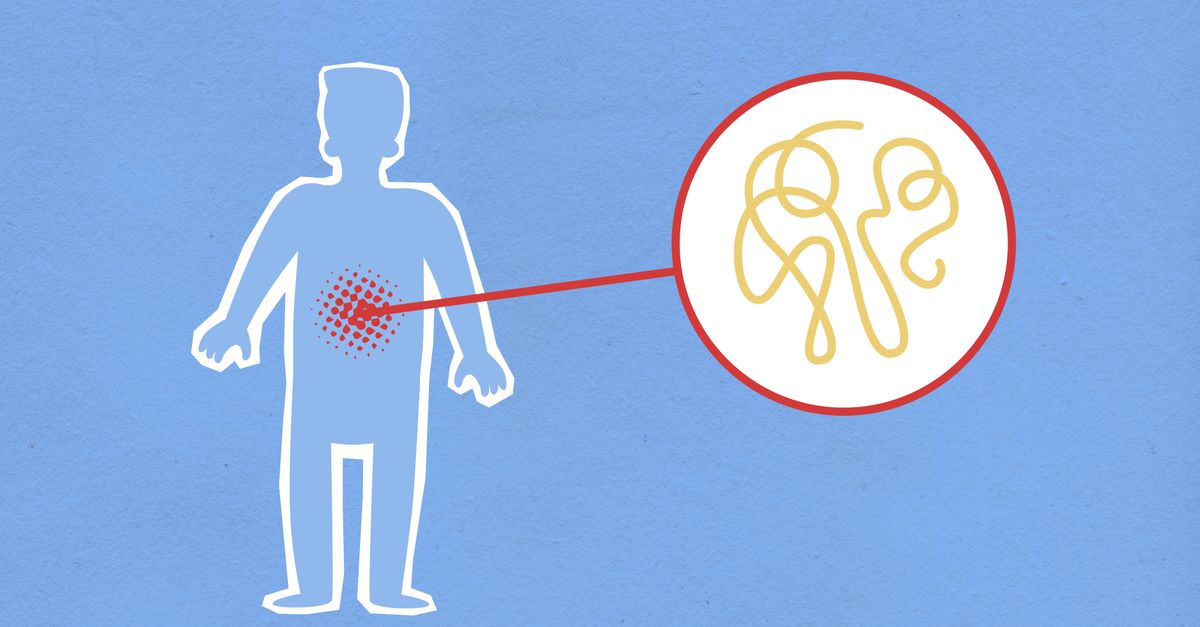
How to Reverse Bloating: Causes, Tests, and What Actually Works
Yes, bloating is reversible for most people — but only after identifying whether the cause is bacterial overgrowth, low digestive enzyme output, food intolerance, or slowed gut motility. The main caveat: bloating that persists despite dietary changes warrants a clinical workup, because conditions like SIBO, IBD, and gastroparesis require targeted treatment. For most otherwise healthy adults, a structured protocol addressing the root cause resolves symptoms within four to eight weeks.
---
What Is Bloating and Why Does It Keep Coming Back?
Bloating is the sensation — and often visible distension — of abdominal fullness caused by excess gas, fluid, or dysfunctional gut movement. It is not a diagnosis; it is a symptom. That distinction matters enormously, because treating the sensation without addressing the mechanism is exactly why most over-the-counter solutions produce temporary relief at best.
The gut produces gas as a byproduct of bacterial fermentation of undigested carbohydrates. Under normal conditions, this gas is absorbed and expelled at a manageable rate. When bacterial populations are imbalanced, digestive enzyme output is low, or gut transit is slow, gas accumulates faster than it clears — and distension follows.
Acute bloating (after a heavy meal or carbonated drink) is mechanically straightforward. Chronic bloating — present most days, recurring after multiple food types, or accompanied by alternating constipation and loose stools — signals a systemic pattern that dietary tweaks alone rarely resolve.
---
The Most Common Root Causes of Chronic Bloating
Understanding the mechanism behind your bloating is the single most important step in reversing it. The four most clinically documented drivers are:
1. Small Intestinal Bacterial Overgrowth (SIBO)
SIBO occurs when bacteria colonize the small intestine in abnormal numbers, fermenting carbohydrates hours before they reach the colon. A landmark meta-analysis of 50 studies found SIBO prevalence in IBS patients was approximately 54%, compared with 10% in healthy controls (Shah et al., Annals of Gastroenterology 2017; PMID: 28566818). Hydrogen and methane breath testing is the standard non-invasive diagnostic.
2. Low Digestive Enzyme Output
Pancreatic enzyme insufficiency — even subclinical reductions — impairs protein and fat breakdown, leaving partially digested substrates available for bacterial fermentation. A 2016 randomized controlled trial demonstrated that supplemental digestive enzyme therapy significantly reduced bloating, flatulence, and fullness after meals compared with placebo in patients with functional dyspepsia (Majewski & McCallum, World Journal of Gastroenterology 2007; PMID: 17876869).
3. Dysbiosis and Altered Gut Microbiome Composition
An imbalanced gut microbiome — excess gas-producing Bacteroides or depleted Lactobacillus species — directly increases fermentative gas output. Research published in Cell (Wastyk et al., 2021; PMID: 34256014) demonstrated that high-fiber diets increase microbiome diversity, while fermented food interventions produced more consistent reductions in inflammatory markers associated with gut permeability.
4. Visceral Hypersensitivity
Some individuals have a lower pain threshold in the gut even at normal gas volumes — a phenomenon called visceral hypersensitivity. This is common in IBS and is associated with altered gut-brain signaling, often worsened by stress, poor sleep, or elevated inflammatory markers like hs-CRP. If you're exploring whether systemic inflammation might be amplifying your symptoms, the article on whether high hs-CRP means you should try to lower it covers the biomarker context clearly.
---
Key Biomarkers to Test Before You Start a Protocol
Symptom-first treatment is a reasonable starting point, but persistent bloating deserves objective data. The following panel provides the most actionable information:
| Biomarker | What It Tells You | Normal Range |
|---|---|---|
| Hydrogen/Methane Breath Test | SIBO presence and type (hydrogen vs. methane dominant) | <20 ppm hydrogen rise |
| Calprotectin (stool) | Intestinal inflammation (rules out IBD) | <50 µg/g |
| Secretory IgA (stool) | Mucosal immune function | 510–2,040 µg/mL |
| hs-CRP (blood) | Systemic low-grade inflammation | <1.0 mg/L optimal |
| Comprehensive Metabolic Panel | Liver and kidney function, nutrient metabolism | Lab-specific |
| Zinc (serum or RBC) | Cofactor for digestive enzymes and gut lining integrity | 70–120 µg/dL |
Zinc deserves particular attention here — it is a cofactor for over 300 enzymatic reactions, including those governing intestinal barrier proteins. Deficiency can compromise the tight junctions that keep gut contents from triggering systemic inflammation, contributing to what clinicians call "leaky gut." If you haven't had your zinc status assessed recently, zinc deficiency symptoms and the blood test to know about is a thorough resource on what to look for.
---
The Bloating Reversal Protocol: Step-by-Step
The most effective approach follows a layered sequence: reduce inflammatory load → restore digestive capacity → reseed beneficial bacteria → maintain gut lining integrity.
Step 1: Eliminate the Highest-Fermentation Foods for 3–4 Weeks
A low-FODMAP elimination phase is the most evidence-supported dietary intervention for bloating. FODMAPs (fermentable oligosaccharides, disaccharides, monosaccharides, and polyols) are short-chain carbohydrates that resist digestion and feed bacterial fermentation. A 2014 randomized controlled trial of 92 IBS patients showed a low-FODMAP diet reduced overall gastrointestinal symptoms in 76% of participants versus 54% with standard dietary advice (Halmos et al., Gastroenterology 2014; PMID: 24076059).
This is not meant to be a permanent diet — it is a diagnostic tool. Reintroduce food groups methodically to identify specific triggers.
Step 2: Support Digestive Enzyme Output
If bloating consistently occurs within 30–90 minutes of eating — especially after high-fat or high-protein meals — supplemental enzymes may help bridge a functional gap. Look for a broad-spectrum formula containing protease, amylase, and lipase. Take with the first bite of a meal.
Step 3: Introduce Targeted Probiotic Strains
Not all probiotics address bloating equally. The strains with the strongest clinical evidence for bloating reduction are Lactobacillus acidophilus NCFM, Bifidobacterium lactis Bi-07, and Lactobacillus plantarum 299v. A 12-week trial in 60 IBS patients found L. plantarum 299v significantly reduced bloating scores compared to placebo (Nobaek et al., American Journal of Gastroenterology 2000; PMID: 10811330). Start at a moderate dose (5–10 billion CFU/day) and titrate upward — high-dose probiotics introduced too fast can temporarily worsen gas.
Step 4: Repair the Gut Lining
If dysbiosis has been present for months or years, the intestinal epithelium is likely compromised. L-glutamine (the primary fuel source for enterocytes), zinc carnosine, and adequate omega-3 fatty acids all support tight junction integrity. Omega-3s reduce intestinal permeability-associated inflammation and support the production of anti-inflammatory prostaglandins — a mechanism relevant to anyone dealing with bloating alongside elevated inflammatory markers. For people whose gut symptoms coexist with cardiovascular risk factors, the article on how to lower TMAO levels through diet and supplements explains how gut bacterial metabolism directly affects systemic health.
Step 5: Address the Gut-Brain Axis
Stress management is not optional in a bloating protocol — it is mechanistic. Cortisol reduces gut motility and increases intestinal permeability. Techniques with documented effect on gut symptoms include diaphragmatic breathing (shown to reduce postprandial bloating in a 2016 crossover trial), cognitive behavioral therapy for IBS, and adaptogenic support for the HPA axis in individuals with documented stress dysregulation.
Brain fog is a frequent companion to gut dysfunction, often reflecting the same inflammatory or barrier-breach mechanisms driving bloating. If you're experiencing both, the guide on how to reverse brain fog with specific protocols addresses the shared mechanisms.
---
Foods and Habits That Accelerate Recovery
Include more of:
- Fermented foods (kefir, kimchi, sauerkraut) — associated with microbiome diversity and lower inflammatory markers
- Cooked vegetables over raw during the elimination phase — easier to digest
- Bone broth or collagen peptides — provide glycine for gut lining support
- Adequate hydration — necessary for stool transit and mucosal layer integrity
Reduce or eliminate temporarily:
- Carbonated beverages
- Sugar alcohols (sorbitol, mannitol, xylitol — common in "sugar-free" products)
- Cruciferous vegetables in large quantities until SIBO is ruled out
- Eating quickly or while stressed — impairs enzyme secretion and chewing efficiency
---
What This Means for Your Formula
Personalized supplementation matters here because the same supplement that helps one person's bloating can worsen another's — particularly with probiotics and fiber supplements, where the wrong strain or fiber type can feed an overgrowth rather than correct it.
At Ones, the AI health practitioner analyzes your blood work, wearable data, and health history to identify whether your gut-related symptoms point to an inflammatory, micronutrient, or motility-based driver — and builds a formula accordingly. Three ingredients that commonly appear in Ones formulas for gut-related presentations:
Zinc (as zinc glycinate or bisglycinate, dosed at 15–30 mg): Directly supports intestinal barrier integrity by upregulating tight junction proteins occludin and claudin. In a clinical trial, zinc supplementation reduced intestinal permeability in patients with Crohn's disease (Sturniolo et al., Inflammatory Bowel Diseases 2001; PMID: 11515434), and similar mechanisms apply in functional gut dysfunction.
Omega-3 (EPA + DHA at clinically relevant doses): EPA and DHA reduce the production of pro-inflammatory eicosanoids that drive visceral hypersensitivity and compromise mucosal integrity. Ones sources pharmaceutical-grade fish oil dosed to match the EPA/DHA ratios used in clinical trials.
Ones Liver Support (System Blend): Bile acid production — primarily a liver function — is essential for fat emulsification and downstream digestive efficiency. Sluggish bile flow is an underappreciated contributor to bloating, particularly after fatty meals. This proprietary blend supports hepatic function and bile metabolism as part of a whole-system approach to digestive health.
For individuals whose bloating coexists with elevated creatinine or early signs of kidney stress — sometimes seen in people with long-standing gut permeability and systemic inflammation — whether supplements can lower creatinine levels provides useful context on the downstream systemic effects of gut-driven inflammation.
---
Key Takeaways
- Bloating is a symptom, not a diagnosis — identifying whether the driver is SIBO, low enzyme output, dysbiosis, or visceral hypersensitivity determines which protocol works.
- A low-FODMAP elimination phase reduces bloating in roughly 76% of IBS patients in RCTs and is the strongest dietary intervention to start with.
- Testing calprotectin, hs-CRP, zinc, and a hydrogen/methane breath test gives you the biomarker foundation to personalize treatment.
- Strain-specific probiotics (L. plantarum 299v, B. lactis Bi-07) outperform generic formulas — introducing them too fast can temporarily worsen gas.
- Gut lining repair with zinc, omega-3s, and L-glutamine is a necessary step often skipped in mainstream protocols.
- Stress is not just a cofactor — cortisol mechanistically reduces motility and increases intestinal permeability, making the gut-brain axis a clinical target, not a lifestyle footnote.