Lab Results
Does High hs-CRP Mean You Should Try to Lower It?
Most people searching for how to 'raise' hs-CRP are actually alarmed by a high result and want to know how to bring it down — and the evidence shows that's the right instinct. Chronically elevated hs-CRP is one of the strongest independent predictors of cardiovascular events, yet it's highly modifiable through targeted lifestyle and nutritional changes. This guide explains what your number actually means and what to do about it.
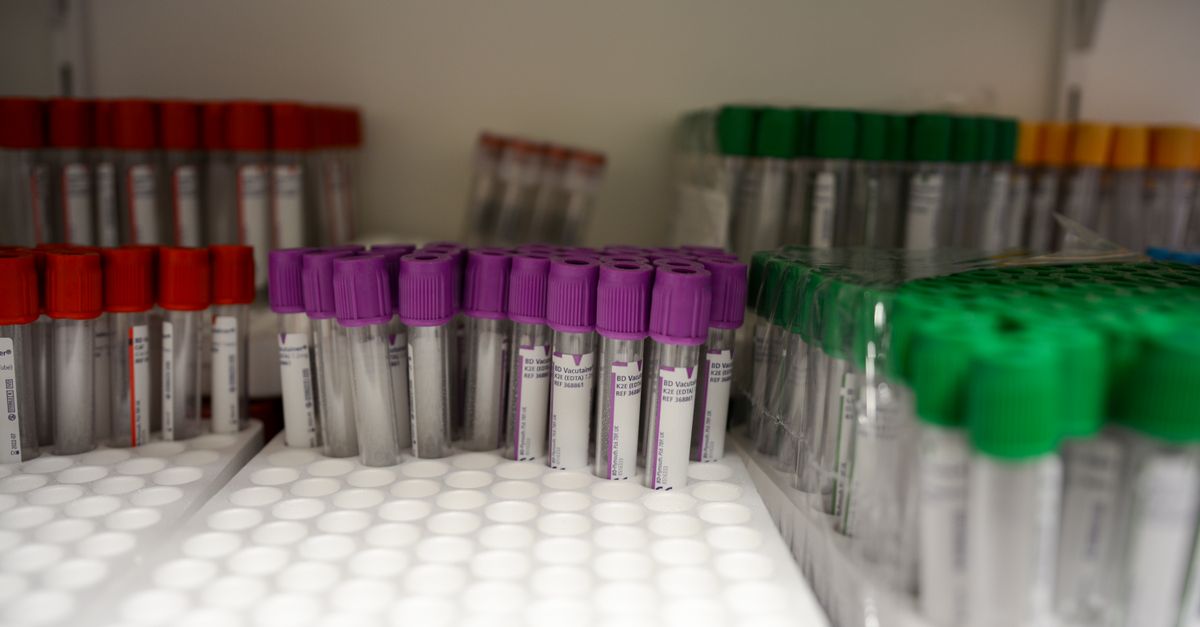
Does High hs-CRP Mean You Should Try to Lower It?
Yes — if your hs-CRP is elevated, the goal is to lower it, not raise it. Values above 3.0 mg/L categorize you as high cardiovascular risk, and persistently high readings are associated with increased risk of heart attack, type 2 diabetes, and all-cause mortality. There is no clinical scenario where a healthy adult benefits from intentionally raising hs-CRP; the marker rises in response to tissue damage and inflammation, not health.
---
What Is hs-CRP and Why Does the Number Matter?
C-reactive protein (CRP) is a pentameric protein produced by the liver in response to signaling from interleukin-6 (IL-6) and other pro-inflammatory cytokines. The high-sensitivity version of the test (hs-CRP) detects low-grade, chronic inflammation at concentrations that the older standard CRP assay misses — making it far more useful for cardiovascular risk stratification in otherwise healthy people.
The American Heart Association and the CDC jointly established the following risk categories (Pearson et al., Circulation 2003; PMID: 12551878):
| hs-CRP Level (mg/L) | Cardiovascular Risk Category |
|---|---|
| < 1.0 | Low |
| 1.0 – 3.0 | Moderate |
| > 3.0 | High |
| > 10.0 | Possible acute infection/injury — retest |
Values above 10 mg/L usually reflect an acute infection, trauma, or autoimmune flare rather than chronic background inflammation. Your clinician may ask you to retest once the acute event resolves. For cardiovascular risk assessment, the clinically meaningful readings are those in the 1–10 mg/L range, measured twice at least two weeks apart.
The landmark JUPITER trial (Ridker et al., NEJM 2008; PMID: 18997196) enrolled 17,802 healthy adults with LDL < 130 mg/dL but hs-CRP ≥ 2.0 mg/L and showed that statin therapy — which lowers CRP in addition to LDL — reduced major cardiovascular events by 44%. That trial fundamentally changed how clinicians view hs-CRP: not just a downstream marker but an active participant in atherogenesis.
---
What Causes Chronically Elevated hs-CRP?
Understanding the root drivers is essential before reaching for any intervention. Common contributors include:
- Visceral adiposity — Adipose tissue secretes IL-6 and TNF-α directly, which drive hepatic CRP synthesis. Even modest excess abdominal fat reliably elevates hs-CRP.
- Poor sleep quality or quantity — A meta-analysis of 72 studies (Irwin et al., Biological Psychiatry 2016; PMID: 26140821) found that sleep disturbance was significantly associated with elevated CRP and IL-6. If you're dealing with sleep disruption, the article on what causes insomnia during a heavy period illustrates how physical stressors compound inflammatory load.
- Smoking — Cigarette smoke directly upregulates NF-κB pathways and is one of the strongest modifiable CRP drivers.
- Dietary pattern — Ultra-processed foods, refined carbohydrates, and trans fats all increase inflammatory cytokine signaling.
- Sedentary behavior — Independent of body weight, physical inactivity elevates systemic inflammation.
- Chronic psychological stress — Cortisol dysregulation sustains low-grade inflammation over time.
- Undiagnosed infections or autoimmune conditions — Periodontal disease in particular is an underrecognized driver of mild hs-CRP elevation.
- Hormonal changes — Postpartum inflammation is a documented phenomenon; CRP levels shift substantially in the months following delivery. What happens to CRP levels after having a baby covers this in detail.
---
Evidence-Based Ways to Lower hs-CRP
This is the section most people actually need. Each intervention below has clinical trial data behind it — not just mechanistic plausibility.
1. Aerobic Exercise — Consistent and Dose-Dependent
A meta-analysis of 33 randomized controlled trials found that regular aerobic exercise reduced CRP by a weighted mean of 0.37 mg/L, with larger reductions in those with higher baseline values (Hayashino et al., Archives of Internal Medicine 2012; PMID: 22688778). Moderate-intensity activity (brisk walking, cycling, swimming) performed 150 minutes per week appears to be the minimum effective dose. Resistance training showed smaller but additive effects.
2. Mediterranean Dietary Pattern
The PREDIMED trial, which randomized 7,447 high-cardiovascular-risk adults to a Mediterranean diet supplemented with olive oil or nuts versus a low-fat control diet, demonstrated significant reductions in inflammatory biomarkers including CRP in the intervention groups (Estruch et al., NEJM 2013; PMID: 23432189). The anti-inflammatory effect appears to come from the synergy of polyphenols, omega-3 fatty acids, fiber, and displacement of ultra-processed foods — not any single nutrient.
Practical steps:
- Replace refined grain products with whole grains, legumes, and vegetables.
- Use extra-virgin olive oil as your primary cooking fat.
- Eat fatty fish (salmon, mackerel, sardines) at least twice weekly.
- Reduce processed meat and sugar-sweetened beverages to near-zero.
3. Omega-3 Fatty Acids (EPA + DHA)
Long-chain omega-3s are among the most studied anti-inflammatory nutrients. A 2012 meta-analysis of 68 RCTs found that EPA + DHA supplementation significantly reduced CRP, IL-6, and TNF-α (Calder, British Journal of Nutrition 2012; PMID: 22571891). The dose that consistently showed effects was ≥ 2,000 mg combined EPA + DHA per day, sustained for at least eight weeks. Lower doses showed weaker or inconsistent results.
4. Weight Reduction
For every kilogram of fat mass lost, hs-CRP falls by approximately 0.13 mg/L on average — the relationship is roughly linear, and even 5–10% body weight reduction produces clinically meaningful changes. This is partly mediated by reduced adipokine secretion and improved insulin sensitivity, which itself suppresses hepatic CRP output.
5. Improve Sleep Architecture
Sleep is a genuine anti-inflammatory period. Slow-wave (deep) sleep is associated with suppressed sympathetic activity and lower cortisol, both of which reduce IL-6 output. Disrupted sleep — whether from stress, hormonal shifts, or insomnia in the postpartum period — perpetuates inflammation in a bidirectional cycle. Prioritizing sleep hygiene is not supplementary; it's mechanistically central to CRP reduction.
6. Statins (Prescription — for High-Risk Individuals)
Statins reduce CRP through pleiotropic effects beyond LDL lowering, including direct inhibition of mevalonate pathway intermediates that regulate cytokine signaling. This is a clinical conversation with your physician — not a self-treatment — but it's relevant to understand because CRP reduction is now part of how cardiologists evaluate statin response in the JUPITER-eligible population (hs-CRP ≥ 2 mg/L, LDL < 130 mg/dL).
---
Supplements That Have CRP-Lowering Evidence
Several individual nutrients and botanicals have randomized controlled trial data for hs-CRP reduction. The effect sizes are generally smaller than diet and exercise, and they work best as additions to — not replacements for — foundational lifestyle changes.
| Supplement | Dose with Evidence | Typical CRP Reduction | Notes |
|---|---|---|---|
| Omega-3 (EPA + DHA) | ≥ 2,000 mg/day | 0.3–0.5 mg/L | 8+ weeks needed |
| Magnesium | 300–400 mg/day | Modest | Especially if deficient |
| Curcumin (bioavailable) | 500–1,000 mg/day | 0.3–1.0 mg/L | Requires enhanced absorption form |
| Vitamin D3 | 2,000–4,000 IU/day | Modest (if deficient) | Normalize serum 25(OH)D first |
| Zinc | 25–40 mg/day | Modest | Particularly in metabolic syndrome |
| Resveratrol | 500–1,000 mg/day | Variable | Evidence mixed |
Vitamin D deficiency independently elevates CRP via immune dysregulation; correcting 25(OH)D to optimal levels (40–60 ng/mL) before expecting any anti-inflammatory effect from other supplements is important. Does zinc help with insomnia explores how zinc's anti-inflammatory properties extend to sleep-related pathways — relevant because sleep and CRP are so tightly coupled.
Omega-3 supplementation deserves special mention because the quality of the evidence is unusually consistent. The reduction in CRP from clinically dosed EPA + DHA tracks across populations with metabolic syndrome, cardiovascular disease, and healthy adults with elevated baseline CRP — suggesting broad applicability rather than a narrow subgroup effect.
---
How Ones Addresses Elevated hs-CRP
Ones uses your blood work — including hs-CRP if present — alongside wearable data and health history to build a personalized capsule formula targeting your specific inflammatory drivers, not a one-size-fits-all anti-inflammatory blend.
For individuals with elevated hs-CRP, Ones commonly incorporates:
- Omega-3 (EPA + DHA): Dosed at clinically relevant levels targeting ≥ 2,000 mg combined EPA + DHA daily, matched to the threshold where RCT evidence for CRP reduction is consistent. This is one of the few single ingredients with strong, replicable data across multiple meta-analyses.
- Heart Support (System Blend): Ones' proprietary Heart Support blend is formulated for individuals with cardiovascular risk markers, including CRP elevation. It combines targeted actives that support vascular endothelial function and inflammatory signaling, calibrated to complement — not duplicate — the omega-3 dose in the same formula.
- Vitamin D3 + K2 (MK-7): Vitamin D deficiency is among the most common lab findings in people with elevated hs-CRP, and Ones' AI flags this pairing specifically when 25(OH)D is suboptimal. K2 as MK-7 is included to optimize D3's bioavailability and direct calcium away from arterial tissue — particularly relevant in cardiovascular risk contexts.
Ones' AI practitioner determines whether a 6-capsule or 9-capsule daily plan is appropriate based on the full picture of your findings. A user with isolated mild CRP elevation and no other significant lab findings may receive a leaner formula, while someone with co-occurring lipid abnormalities, low vitamin D, and sleep data showing poor recovery might warrant the broader 9-capsule allocation. The plan is calibrated to your needs — you don't select it yourself.
---
Monitoring: How Often Should You Retest hs-CRP?
After implementing lifestyle changes or starting targeted supplementation, allow at least 8–12 weeks before retesting. CRP is a downstream marker — it reflects upstream changes that take time to produce measurable reductions at the hepatic synthesis level.
Test timing matters too. Avoid retesting:
- Within two weeks of any infection, vaccination, or injury
- During an active autoimmune flare
- Immediately after intense exercise (CRP transiently rises post-exertion)
For cardiovascular risk monitoring, most guidelines recommend at least two readings two weeks apart before making any risk reclassification decision. A single elevated reading should never drive a major clinical choice.
Also worth tracking alongside hs-CRP:
- Fasting insulin and HOMA-IR (insulin resistance compounds inflammation)
- Complete lipid panel
- 25(OH)D
- HbA1c
- Ferritin (elevated ferritin can indicate inflammatory state and sometimes anemia simultaneously — supplements for hematocrit management covers the iron-inflammation interaction)
---
A Note on CRP in Special Populations
CRP behaves differently in certain physiological states, and context matters enormously:
Pregnancy and postpartum: CRP rises significantly during pregnancy and remains elevated for weeks to months postpartum, which can cause confusion about risk interpretation. Postpartum hair loss, fatigue, and inflammation are often interconnected — why hair falls out after pregnancy explains how nutrient depletion and inflammation interact in this period.
Autoimmune conditions: In people with lupus, rheumatoid arthritis, or inflammatory bowel disease, CRP rises sharply during flares. The baseline CRP between flares may still be mildly elevated but carries different implications than in metabolically healthy adults.
Athletes: High-volume endurance athletes can have transiently elevated CRP from training load. Post-exercise CRP typically normalizes within 24–72 hours. Chronic overtraining syndrome, however, produces sustained low-grade elevation that should be treated like any other inflammatory state.
---
Key Takeaways
- High hs-CRP is the problem, not low hs-CRP. There is no clinical reason to try to raise this marker; the goal for anyone with a reading above 3.0 mg/L is reduction.
- The optimal range is below 1.0 mg/L; readings between 1.0–3.0 mg/L represent moderate risk worth addressing proactively through lifestyle.
- Aerobic exercise and a Mediterranean dietary pattern produce the largest, most consistent hs-CRP reductions in controlled trials — supplements are adjuncts, not substitutes.
- Omega-3 fatty acids (EPA + DHA ≥ 2,000 mg/day for ≥ 8 weeks) are the single supplement category with the strongest RCT evidence for CRP lowering across diverse populations.
- Sleep disruption perpetuates inflammation in a bidirectional loop — treating insomnia or poor sleep quality is a legitimate anti-inflammatory intervention, not just a quality-of-life issue.
- Retest after 8–12 weeks of consistent changes, avoid retesting during acute illness or injury, and always interpret hs-CRP in clinical context rather than in isolation.
- Personalized lab-informed formulas like those built by Ones can address the specific upstream deficiencies — vitamin D, omega-3 index, magnesium status — that drive CRP elevation in your individual case.