Vitamins
How to Test Your Folate Level: Methods, Ranges, and What Results Mean
Folate deficiency is more common than most people realize — roughly 5% of U.S. adults fall below the clinical cutoff, and many more sit in the gray zone that standard labs call 'normal' but practitioners call suboptimal. The test itself takes less than five minutes, but interpreting serum versus RBC folate results, and knowing what range actually supports methylation, DNA repair, and cardiovascular health, is a different story.
How to Test Your Folate Level: Methods, Ranges, and What Results Mean
Yes — a simple blood draw is all it takes. Folate is measured either as serum folate (a snapshot of recent intake) or as red blood cell (RBC) folate (a 90-to-120-day average of tissue stores). For most adults, an RBC folate test gives the more clinically meaningful number. The main caveat: a result labeled 'normal' by your lab's reference range may still be insufficient for optimal methylation, especially if you carry MTHFR variants.
---
Why Folate Testing Matters More Than You Think
Folate — the natural form of vitamin B9 — is essential for DNA synthesis, red blood cell formation, homocysteine recycling, and the methylation reactions that govern gene expression, neurotransmitter production, and detoxification. Inadequate folate is not just a pregnancy concern: low folate status is independently associated with elevated homocysteine, cardiovascular risk, cognitive decline, and mood disorders (Durga et al., Lancet 2007; PMID: 17240890).
The U.S. National Health and Nutrition Examination Survey (NHANES) data show that despite food fortification, a meaningful proportion of reproductive-age women and older adults still fall short of optimal tissue stores — not because they eat poorly, but because absorption, genetic variation in folate metabolism, and drug interactions all affect how much folate actually reaches cells (Bailey et al., AJCN 2010; PMID: 20200261).
Testing is therefore not just a checkbox for prenatal care. It is a practical starting point for anyone investigating fatigue, brain fog, elevated homocysteine, macrocytic anemia, or recurrent pregnancy loss.
---
The Two Main Tests: Serum Folate vs. RBC Folate
Understanding which test you are ordering — and what each one actually measures — is the first step toward interpreting results correctly.
| Test | What It Measures | Window | Best Used For |
|---|---|---|---|
| Serum Folate | Folate circulating in plasma | 24–48 hours of dietary intake | Quick screening; affected by recent diet |
| RBC Folate | Folate stored inside red blood cells | ~90–120 days (lifespan of RBCs) | True tissue stores; more clinically stable |
| Plasma Homocysteine | Functional folate + B12 adequacy | Days to weeks | Identifying functional deficiency even when serum is 'normal' |
| MTHFR Genotyping | C677T / A1298C polymorphisms | Lifetime | Explains impaired folate conversion |
Serum folate reacts quickly to what you ate in the last day or two. Skip a few servings of leafy greens before your draw and your result may look low even if your tissues are well-stocked. Eat a plate of lentils the night before and a deficient person can test falsely normal. This is why most integrative clinicians prefer RBC folate as the primary measure of folate adequacy — just as serum magnesium is a poor proxy for intracellular magnesium stores (a limitation explored in the magnesium RBC blood test guide).
Homocysteine is an indirect but powerful marker: when folate (and B12) are insufficient for the methylation cycle, homocysteine accumulates. A homocysteine above 10–12 µmol/L alongside borderline folate is a strong signal to act, even if the serum folate technically clears the lab reference range (Selhub et al., AJCN 2000; PMID: 10799384).
---
How the Blood Draw Actually Works
Ordering a folate test is straightforward. Here is the step-by-step process:
- Request the right panel. Ask your provider for serum folate and RBC folate together. Many standard chemistry panels only include serum folate. If you are investigating methylation, also request B12, homocysteine, and a CBC (complete blood count) to look for macrocytosis.
- Fast for 8–12 hours before the draw. This is especially important for serum folate, which is highly sensitive to recent meals.
- Stop biotin supplementation for 48–72 hours. High-dose biotin (above 5 mg/day) can interfere with immunoassay-based lab tests.
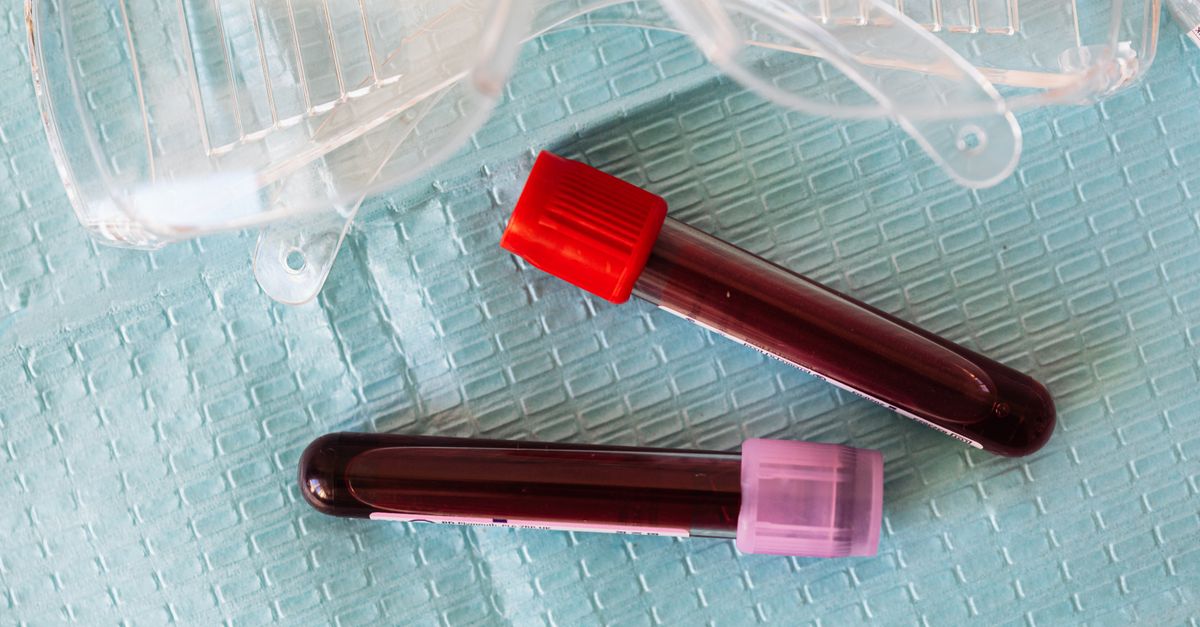
- A standard venipuncture is performed. The phlebotomist draws one to two tubes of blood. RBC folate requires an EDTA tube (purple top); serum folate uses a serum separator tube (gold top).
- Samples are processed at the lab. Results typically return within 24–48 hours for serum folate. RBC folate may take slightly longer depending on the laboratory.
- Review results against optimal — not just reference — ranges. See the range table below.
---
Understanding Your Folate Results: Reference vs. Optimal Ranges
Laboratory reference ranges are built from population distributions, not from outcomes research. The cutoffs below reflect both standard clinical thresholds and the tighter targets that research associates with optimal methylation and cardiovascular protection.
| Marker | Deficient | Low-Normal (Gray Zone) | Optimal | Elevated |
|---|---|---|---|---|
| Serum Folate | < 3 ng/mL | 3–6 ng/mL | 6–20 ng/mL | > 20 ng/mL |
| RBC Folate | < 140 ng/mL | 140–280 ng/mL | 280–600 ng/mL | > 1,000 ng/mL |
| Homocysteine | — | 10–12 µmol/L (borderline) | < 7–9 µmol/L | > 15 µmol/L (high risk) |
For individuals planning pregnancy, the World Health Organization and several national guidelines recommend RBC folate above 400 ng/mL to maximize neural tube defect prevention — well above the standard lower reference limit of 140 ng/mL. This gap illustrates how different the clinical optimal can be from the laboratory floor. For folate levels across the specific context of pregnancy, the guide to normal folate levels in pregnancy provides trimester-specific detail.
Elevated folate (above 20 ng/mL serum) can occasionally mask B12 deficiency in the CBC, because folate supplementation can normalize red blood cell size even as B12 deficiency continues to damage the nervous system. Always test B12 alongside folate.
---
Special Populations: PCOS, Postpartum, and Perimenopause
Folate requirements are not uniform across life stages or conditions.
PCOS: Insulin resistance impairs folate uptake, and elevated androgens in polycystic ovary syndrome are associated with higher homocysteine. Achieving genuinely adequate RBC folate — not just 'normal' serum folate — is especially important in this population. A detailed breakdown of target levels appears in the guide to normal folate levels in PCOS.
Postpartum: Folate stores are significantly depleted by pregnancy and lactation. Many postpartum women who look 'normal' on a serum folate test are significantly depleted at the tissue level, contributing to fatigue, low mood, and poor recovery. The postpartum folate reference guide covers targets specific to this window.
Perimenopause and Menopause: Estrogen decline is associated with rising homocysteine, and adequate folate becomes a key cardiovascular and cognitive protective factor in this life stage — another reason testing is not just for reproductive-age concerns.
---
MTHFR Variants and What They Change About Testing
Approximately 10–15% of people of Northern European descent are homozygous for the MTHFR C677T polymorphism, and 40–60% carry at least one copy. The MTHFR enzyme converts dietary folate and folic acid into 5-methyltetrahydrofolate (5-MTHF), the bioactive form the body actually uses. When this enzyme is impaired, standard serum folate may read normal — the substrate is there, but conversion is sluggish.
In homozygous C677T individuals, plasma homocysteine is elevated by roughly 20% compared with wild-type, even at normal folate intakes (Frosst et al., Nature Genetics 1995; PMID: 7647779). Supplementing with pre-converted 5-MTHF (methylfolate) rather than folic acid bypasses this bottleneck and is now the preferred clinical approach for anyone with confirmed C677T or A1298C variants.
If your RBC folate is borderline and your homocysteine is creeping upward, MTHFR genotyping is a reasonable next step — either through a standard clinical lab or through a direct-to-consumer platform.
---
Who Should Test and How Often
Folate testing is appropriate for anyone who:
- Is planning pregnancy or is in the first trimester
- Has macrocytic anemia or unexplained fatigue
- Tests with elevated homocysteine (> 10 µmol/L)
- Has known MTHFR variants
- Takes medications that deplete folate (methotrexate, metformin, oral contraceptives, anticonvulsants, proton pump inhibitors)
- Has inflammatory bowel disease, celiac disease, or significant alcohol use
- Is postpartum and experiencing mood or cognitive symptoms
For monitoring, retesting RBC folate 3–4 months after changing intake or supplementation reflects the full RBC turnover cycle and gives a reliable picture of whether stores have improved.
---
What This Means for Your Formula
When Ones analyzes your lab results alongside wearable data and health history, folate status is evaluated not in isolation but as part of the broader methylation picture — alongside B12, homocysteine, and any MTHFR data you provide. Here is how that translates into specific formula decisions:
Methylfolate (5-MTHF): Ones formulas use the bioactive 5-methyltetrahydrofolate form rather than synthetic folic acid. This matters most for individuals with MTHFR variants, but research suggests the active form improves folate status more reliably across all genotypes (Prinz-Langenohl et al., British Journal of Pharmacology 2009; PMID: 19422401). The dose is calibrated to your RBC folate result — not a one-size-fits-all 400 mcg default.
Vitamin B12 (Methylcobalamin): Because B12 and folate share the methylation cycle, Ones pairs methylfolate recommendations with active B12 when both markers are suboptimal. Methylcobalamin is the neurologically active form preferred when cognitive or neurological symptoms are present.
Riboflavin (B2): Often overlooked, riboflavin is a cofactor for the MTHFR enzyme itself. In C677T homozygotes, riboflavin supplementation at 1.6 mg/day has been shown to significantly lower homocysteine independent of folate intake (McNulty et al., Circulation 2006; PMID: 16754793). If your Ones formula flags MTHFR risk, riboflavin is included as a supporting co-factor alongside methylfolate.
The AI-driven approach means your capsule count — either a 6 or 9-capsule daily plan depending on your overall findings — reflects a prioritized stack, not a kitchen-sink approach. If your folate is optimal and your homocysteine is under 7, Ones is not going to add methylfolate to your formula just because it is popular.
For broader context on how lab data shapes a personalized supplement stack, the practitioner's guide to underrated daily supplements covers how B vitamins, often overlooked in favor of magnesium and D3, can be the high-leverage intervention for the right person.
---
Key Takeaways
- Request RBC folate, not just serum folate. Serum levels fluctuate with daily diet; RBC folate reflects 90–120 days of true tissue stores and is a far more reliable clinical marker.
- Know the optimal range, not just the reference range. An RBC folate above 400 ng/mL is the target for pregnancy prevention of neural tube defects; 280–600 ng/mL is a reasonable general optimum for adults.
- Always pair folate with homocysteine and B12. A folate result cannot be interpreted in isolation — elevated homocysteine with borderline folate is an actionable finding even if the lab prints 'normal.'
- MTHFR variants change the supplement strategy. If you carry C677T or A1298C, supplementing 5-MTHF (methylfolate) rather than folic acid bypasses the impaired conversion step and lowers homocysteine more effectively.
- Life stage matters significantly. Folate requirements are higher during pregnancy and postpartum, and cardiovascular relevance grows in perimenopause — testing should be contextual, not just a one-time checkbox.
- Retest after 3–4 months when adjusting intake. RBC folate reflects the full red blood cell lifespan; retesting too early gives a misleading picture of whether supplementation is working.
---
Always consult a qualified healthcare provider before making changes to supplementation based on laboratory results. The information in this article is educational and does not constitute medical advice.