Lab Results
How to Test Your Hematocrit: Ranges, Symptoms, and Next Steps
Hematocrit is one of the most underread numbers on a standard CBC, yet it flags everything from dehydration and altitude adaptation to iron-deficiency anemia and cardiovascular risk. Whether your result came back flagged or you just want to understand what it means, knowing how the test works and where your number should sit changes how you act on it.
How to Test Your Hematocrit: Ranges, Symptoms, and Next Steps
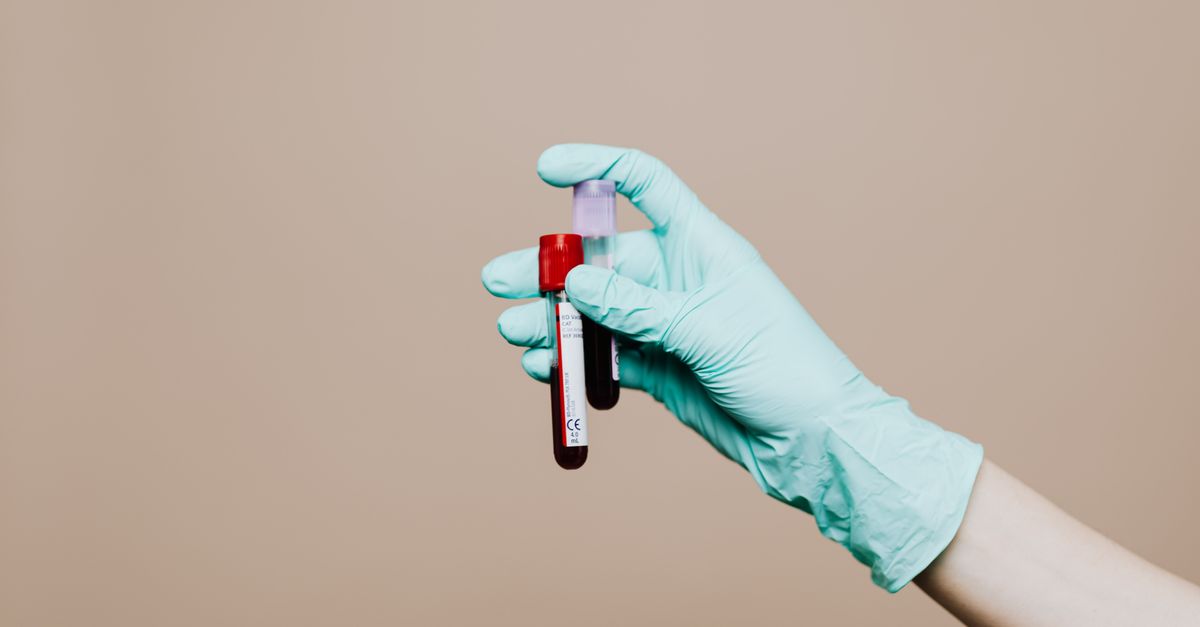
Hematocrit is the percentage of your blood volume made up of red blood cells (RBCs). A standard venous blood draw ordered as part of a complete blood count (CBC) measures it automatically — no special preparation is required beyond the usual fasting or hydration instructions your clinician provides. The main caveat: a single out-of-range result rarely tells the whole story, because hydration status, altitude, and lab timing all shift the number. If your result is borderline, retest before making major changes.
---
What Is Hematocrit and Why Does It Matter?
Think of hematocrit as a packaging efficiency ratio for oxygen delivery. Red blood cells carry hemoglobin, which binds and transports oxygen from the lungs to every tissue in the body. When hematocrit is too low, oxygen delivery falls short and fatigue follows. When it is too high, blood viscosity increases and clotting risk rises — a dynamic that becomes clinically meaningful for cardiovascular health.
The test is technically reported as a decimal fraction (e.g., 0.45) but displayed as a percentage (45%) on most lab reports. It is measured using one of two methods:
- Centrifugation (spun hematocrit): A small capillary tube of whole blood is spun in a centrifuge at high speed. RBCs settle to the bottom, plasma floats to the top, and the ratio of packed cells to total volume is read directly. This is the oldest, most direct method.
- Automated hematology analyzer: Modern labs calculate hematocrit indirectly from the red cell count and mean corpuscular volume (MCV) using the formula: Hct = RBC × MCV ÷ 10. Results are slightly lower than spun hematocrit in some analyzers.
Both methods are clinically reliable, though results may differ by 1–2 percentage points between labs depending on their equipment calibration.
---
How to Get a Hematocrit Test: Step-by-Step
Getting a hematocrit test is straightforward, but context shapes how useful the result is.
- Order a CBC with differential. Hematocrit is always included in a standard CBC panel. Ask your primary care physician or internist, or order directly through a cash-pay lab service (e.g., LabCorp, Quest Diagnostics, or a platform like Function Health that includes CBC in its comprehensive panel).
- Fast for 8–12 hours if your clinician recommends it. Hematocrit itself is not meaningfully affected by recent food, but co-ordered metabolic panels often require fasting. Follow whatever instructions accompany your specific order.
- Hydrate normally the day before — not excessively. Dehydration artificially raises hematocrit (plasma volume shrinks, so RBCs make up a larger fraction). Over-hydration suppresses it. Drink your usual water intake; avoid endurance exercise or alcohol the day before.
- Draw blood in the morning when possible. Diurnal variation in plasma volume is modest but real — morning draws are the standard reference condition used in most clinical studies.
- Collect the full CBC context. Hematocrit in isolation is hard to interpret. Review it alongside hemoglobin, MCV, MCH, MCHC, RBC count, reticulocyte count, and ferritin. If ferritin is low, the picture likely points toward iron deficiency; if MCV is high, folate or B12 insufficiency is worth exploring. You can also read more about symptoms of low transferrin saturation since iron transport problems frequently accompany low hematocrit.
- Retest if a result is unexpectedly high or low. A single flagged value is a signal, not a diagnosis. Labs recommend confirming out-of-range CBCs with a second draw before clinical decisions are made.
---
Optimal vs. Reference Ranges for Hematocrit
Reference ranges on a standard lab report reflect the middle 95% of a healthy adult population. Optimal ranges, as used in functional medicine, are narrower — they represent where people tend to feel and perform best, not merely where pathology begins.
| Population | Standard Reference Range | Functional Optimal Range |
|---|---|---|
| Adult men | 38.3 – 48.6% | 42 – 48% |
| Adult women | 35.5 – 44.9% | 37 – 44% |
| Pregnant women | 28 – 40% | 33 – 38% |
| Older adults (65+) | Slightly narrowed by sex | Men: 40–47%; Women: 36–43% |
| Athletes (endurance) | Can reach 50–54% physiologically | Lab-flagged; context dependent |
Key interpretation notes:
- Values below 36% in women or 38% in men generally prompt investigation for anemia.
- Values above 52% in men or 48% in women are flagged by most labs and warrant repeat testing plus workup for polycythemia vera, secondary polycythemia (sleep apnea, testosterone therapy), or severe dehydration.
- Altitude raises hematocrit physiologically — someone living above 8,000 feet may run 2–4 percentage points higher as an adaptive response.
For those interested in how hematocrit intersects with cardiovascular risk specifically, the Ones AI practitioner evaluates it alongside hemoglobin, ferritin, and wearable-derived HRV data to build a more complete picture than a single number provides.
---
Symptoms of High Hematocrit
High hematocrit — clinically called erythrocytosis or, in more extreme cases, polycythemia — thickens the blood and slows its flow through small vessels. The symptoms are often vague at first but worsen as the percentage climbs.
Common symptoms include:
- Headaches, particularly upon waking or exertion
- Facial flushing or a ruddy complexion
- Blurred or double vision, especially with position changes
- Dizziness or lightheadedness
- Itching after a warm shower (aquagenic pruritus — a classic polycythemia vera symptom)
- Fatigue that feels paradoxically similar to low hematocrit fatigue
- Elevated blood pressure readings
Common causes of high hematocrit:
- Dehydration (most common reversible cause)
- Obstructive sleep apnea — nocturnal hypoxia triggers compensatory RBC production (erythropoietin upregulation)
- Exogenous testosterone therapy — testosterone directly stimulates erythropoiesis
- High-altitude residence
- Polycythemia vera (a myeloproliferative disorder)
- Smoking — carboxyhemoglobin reduces oxygen-carrying capacity, driving compensatory RBC expansion
If your hematocrit is elevated and you also use testosterone replacement therapy, this is a particularly important lab value to monitor. You can find a deeper discussion on how to lower hematocrit naturally and with supplements, including the evidence on therapeutic phlebotomy, hydration strategies, and specific micronutrient considerations.
Consult a physician before attributing high hematocrit to lifestyle alone — polycythemia vera requires specific diagnostics (JAK2 mutation testing) and medical management.
---
Symptoms of Low Hematocrit
Low hematocrit signals insufficient red blood cell mass, which impairs oxygen delivery systemically. This is the anemia spectrum, though the underlying cause determines the correct intervention.
Common symptoms include:
- Persistent fatigue and low physical endurance
- Brain fog, difficulty concentrating, poor working memory
- Shortness of breath with mild exertion
- Cold hands and feet (reduced peripheral oxygen delivery)
- Pale skin, nail beds, or inner lower eyelid (palpebral conjunctiva)
- Rapid or irregular heartbeat (compensatory tachycardia)
- Hair thinning or increased shedding
- Restless legs at night
- Worsened mood — iron-dependent pathways influence dopamine and serotonin synthesis
Common causes of low hematocrit:
- Iron deficiency (most prevalent globally, especially in menstruating women)
- Vitamin B12 or folate deficiency — produces macrocytic anemia (large, fewer RBCs)
- Chronic inflammation or chronic disease (anemia of chronic inflammation)
- Blood loss — GI bleeding, heavy menstruation
- Hemolysis
- Kidney disease — reduced erythropoietin production
- Hypothyroidism — thyroid hormones regulate erythropoiesis; low T3 suppresses RBC production
It is worth noting that symptoms of low transferrin saturation — a measure of how much iron is actively being transported in the blood — often mirror low hematocrit symptoms even before hematocrit drops below the reference range. Testing both gives a more complete iron status picture.
Some of the brain fog, mood disruption, and fatigue that accompanies low hematocrit also overlaps with the hormonal shifts in perimenopause. If you are navigating that transition, understanding whether B vitamins help with perimenopause symptoms is relevant because B12 and folate deficiencies compound anemia risk during that period.
---
What Affects Hematocrit Besides Disease?
Several physiological and lifestyle variables shift hematocrit significantly without underlying pathology:
| Variable | Effect on Hematocrit | Magnitude |
|---|---|---|
| Dehydration | Raises (hemoconcentration) | +3–6% |
| Endurance training | Raises (physiological) | +2–4% |
| Altitude (>8,000 ft) | Raises | +2–5% |
| Pregnancy | Lowers (plasma expansion) | −4–8% |
| Exogenous testosterone | Raises | +4–8% |
| Smoking | Raises (compensatory) | +2–4% |
| High-dose EPO misuse | Raises dramatically | +6–15%+ |
| Alcohol excess | Lowers (B12/folate impact) | −2–5% |
| Hypothyroidism | Lowers | −2–5% |
Understanding your recent behavior, medications, and lifestyle context is as important as the number itself.
---
Supplements for Hematocrit: What the Evidence Says
When hematocrit is low due to nutritional deficiency, targeted supplementation can meaningfully restore normal values. When it is high due to lifestyle factors (dehydration, smoking), supplementation is secondary to behavioral change. Below are the evidence-based options organized by mechanism.
For Low Hematocrit (Anemia-Related)
Iron (Ferrous Bisglycinate or Iron Glycinate): The most clinically validated intervention for iron-deficiency anemia. A 2019 systematic review and meta-analysis in Nutrients covering 27 randomized controlled trials found iron supplementation significantly raised hemoglobin and hematocrit in adults with iron deficiency anemia (Tolkien et al. context; see Soppi 2018, Acta Haematologica; PMID: 29975734). Bisglycinate forms are better tolerated and absorbed than ferrous sulfate.
Vitamin B12 (Methylcobalamin): B12 deficiency causes macrocytic anemia — large, dysfunctional RBCs that reduce hematocrit. A 2012 review in American Family Physician confirmed that B12 repletion corrects megaloblastic anemia within 4–8 weeks in most patients (Stabler 2013, NEJM; PMID: 23301732).
Folate (5-MTHF): Works alongside B12 in DNA synthesis required for RBC maturation. Deficiency produces an identical macrocytic picture. Supplementation with 400–800 mcg of methylfolate addresses deficiency without masking B12 insufficiency — a key clinical distinction (Bailey et al., MMWR 2010; CDC data).
Vitamin C: Enhances non-heme iron absorption by reducing ferric to ferrous iron in the gut. Co-administering 250–500 mg of vitamin C with iron supplements increases absorption by up to 67% in clinical studies (Hallberg et al., Scandinavian Journal of Gastroenterology, 1987; widely replicated).
Copper: Copper-dependent ferroxidase enzymes (ceruloplasmin) are required for iron mobilization from storage. Copper deficiency — surprisingly common in populations relying heavily on zinc supplements without copper co-supplementation — can mimic iron-deficiency anemia (Uauy et al., American Journal of Clinical Nutrition 1998; PMID: 9832464).
For High Hematocrit (Reducing Viscosity Risk)
Omega-3 Fatty Acids (EPA/DHA): High-dose omega-3s reduce blood viscosity and platelet aggregation, partially offsetting the rheological risk of elevated hematocrit. A meta-analysis in JAMA found omega-3 supplementation reduced major cardiovascular events in high-risk populations (Bhatt et al., REDUCE-IT, NEJM 2019; PMID: 30415628). For a broader perspective on what omega-3 does for cardiovascular and inflammatory outcomes, see do omega-3 fish oil supplements really help.
Nattokinase and Serrapeptase: Fibrinolytic enzymes studied for reducing blood viscosity, though evidence in the context of high hematocrit specifically is limited — more studied in thrombotic risk contexts.
Hydration: Not a supplement, but the single most effective intervention for dehydration-driven high hematocrit. 2–2.5 L of water daily normalizes plasma volume in most adults within 24–48 hours.
---
What This Means for Your Formula
When the Ones AI practitioner reviews your CBC alongside your ferritin, transferrin saturation, B12, folate, and wearable oxygen data, hematocrit becomes part of a functional pattern — not just a number flagged in isolation.
For low hematocrit driven by iron deficiency, Ones includes iron in select formulas when lab data confirms deficiency; this is paired with Vitamin C (via the Immune-C and C Boost System Blends) to maximize absorption, a clinically validated strategy. The C Boost blend provides buffered ascorbic acid at doses consistent with iron co-absorption research.
For low hematocrit with a macrocytic pattern (suggesting B12 or folate insufficiency), Ones includes methylcobalamin and 5-MTHF at clinical replacement doses — not the cheap cyanocobalamin used in most grocery store multivitamins.
For elevated hematocrit with concurrent cardiovascular risk markers, Ones formulas may include Omega-3 (EPA/DHA) at 1–3 g combined daily, consistent with the REDUCE-IT trial dosing framework, to address viscosity and inflammatory burden simultaneously. If your wearable data also shows disrupted sleep — a common finding in sleep apnea patients with high hematocrit — the formula may incorporate additional support targeting the underlying stress-HPA axis picture; those patterns are discussed in more depth in our article on whether deep sleep can recover after chronic stress.
Because Ones builds formulas calibrated to your specific lab findings and capsule budget, the combination your AI practitioner recommends will reflect your actual pattern — not a generic "anemia formula."
---
Key Takeaways
- Hematocrit is measured automatically on any standard CBC blood panel — no special test is needed; it's included in the red cell indices every time you draw blood.
- Optimal ranges differ from standard reference ranges: aim for 42–48% (men) and 37–44% (women) for functional performance, not just avoiding a flag.
- Dehydration is the most common cause of falsely elevated hematocrit — retest after 48 hours of normal hydration before pursuing further workup.
- Low hematocrit symptoms (fatigue, brain fog, cold extremities, hair loss) often appear before the number drops below the lab's reference minimum — trending matters.
- High hematocrit symptoms (headaches, flushing, itching after showers) deserve workup for sleep apnea, testosterone therapy effects, or polycythemia vera before attributing them to dehydration.
- Nutritional interventions work best when the deficiency is confirmed — iron for iron-deficiency anemia, B12/folate for macrocytic patterns, and omega-3 for viscosity management in the high-hematocrit context.
---
Always consult a qualified healthcare provider before beginning supplementation or making changes to medications based on lab results.