Supplements
Symptoms of Low Transferrin Saturation: Causes and Support
A transferrin saturation below 20% is one of the earliest warning signs of iron deficiency — often appearing before your hemoglobin even budges. Yet millions of people receive this result with little explanation about what it means, what's driving it, or how to address it without overshooting into excess iron territory.
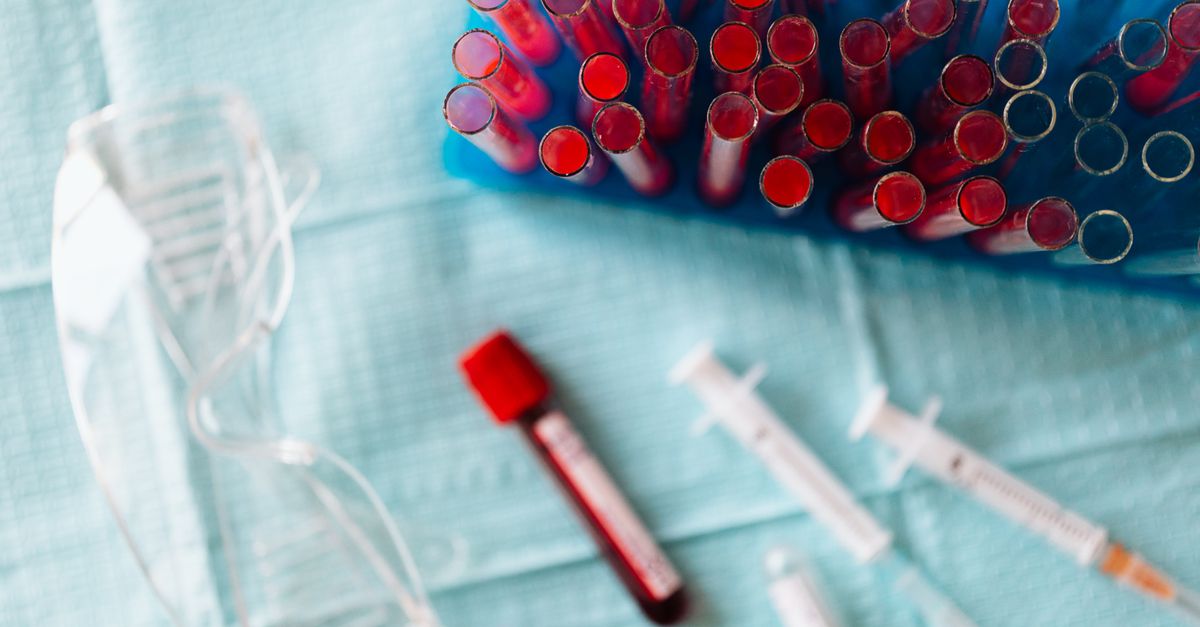
What Is Transferrin Saturation and Why Does It Matter?
Transferrin is a glycoprotein that acts as iron's primary transport vehicle in the bloodstream, shuttling it from absorption sites in the gut to tissues that need it — especially bone marrow, muscles, and the brain. Transferrin saturation (TSAT) expresses the percentage of transferrin binding sites that are currently occupied by iron. It's calculated from two other values on your iron panel: serum iron divided by total iron-binding capacity (TIBC), multiplied by 100.
While ferritin gets most of the attention in functional-medicine circles, transferrin saturation is arguably more sensitive as an early functional marker. A person can have normal ferritin stores and still show a low TSAT if iron delivery to tissues is impaired — for example, in chronic inflammation, which drives hepcidin production and sequesters iron in storage cells (Ganz, Annual Review of Medicine 2011; PMID: 20887198).
Optimal Transferrin Saturation Range
Most clinical laboratories flag TSAT as low when it falls below 20%, but functional-medicine practitioners often set a tighter optimal window:
| Population | Conventional Range | Functional Optimal Range |
|---|---|---|
| General adults | 20–50% | 25–35% |
| Pregnant women | 15–50% | 25–40% |
| Athletes | 20–50% | 30–40% |
| Older adults (65+) | 20–50% | 25–35% |
Values below 20% consistently associate with impaired erythropoiesis (red blood cell production), reduced physical endurance, cognitive slowdowns, and compromised immune function. Values above 45–50% can indicate iron overload disorders and carry their own risks — discussed later in this article.
Understanding where your result falls within this range matters because treatment thresholds vary. Supplementing iron aggressively to push TSAT from 18% to 35% is appropriate in true deficiency; doing the same when TSAT is 22% may not be warranted and could increase oxidative stress.
Symptoms of Low Transferrin Saturation
Because iron is central to oxygen transport, energy production, and neurotransmitter synthesis, a low TSAT sends ripple effects across nearly every system. The symptoms typically progress in stages:
Stage 1 — Depleted Stores (TSAT 18–22%)
- Mild, vague fatigue that worsens toward the end of the day
- Slightly reduced exercise tolerance
- Mild difficulty sustaining attention over long tasks
- Occasional headaches, especially in the afternoon
Stage 2 — Impaired Iron-Deficient Erythropoiesis (TSAT 12–18%)
- Persistent fatigue that sleep doesn't fully resolve
- Noticeable brain fog and difficulty with word retrieval
- Reduced motivation and flattened mood (dopamine synthesis requires iron as a cofactor for tyrosine hydroxylase)
- Cold hands and feet
- Increased susceptibility to infections
- Hair shedding, particularly telogen effluvium patterns
Stage 3 — Frank Iron-Deficiency Anemia (TSAT <12%)
- Pallor, particularly in the inner eyelids and nail beds
- Shortness of breath on mild exertion
- Palpitations
- Brittle nails (koilonychia in severe cases)
- Restless legs syndrome — iron is required for dopaminergic function in the spinal cord (Allen et al., Sleep Medicine 2013; PMID: 23261954)
- Pica (cravings for non-food items like ice or clay)
It's important to note that many people with TSAT in the 15–20% range feel symptomatic but fall outside the threshold labs flag as anemia. This is precisely why looking at the full iron panel — ferritin, serum iron, TIBC, TSAT, and ideally reticulocyte hemoglobin — gives a more complete picture than a CBC alone.
If you're also managing cholesterol markers alongside iron status, it's worth knowing that inflammation drives both low TSAT and elevated LDL particle number — you can explore that connection in more detail in what causes LDL particle number to be out of range.
Transferrin Saturation Blood Test: Interpreting Your Results
The transferrin saturation blood test is typically ordered as part of a comprehensive iron panel or in response to a low hemoglobin or MCV on a CBC. It requires a fasting blood draw because recent meals — particularly iron-rich or high-carbohydrate meals — can transiently raise serum iron and artificially inflate TSAT.
Here's how to read the full panel together:
| Marker | Low TSAT Pattern | Chronic Disease / Inflammation |
|---|---|---|
| Serum Iron | Low | Low–Normal |
| TIBC | High | Low–Normal |
| Ferritin | Low (<30 ng/mL) | Normal or High |
| TSAT | <20% | <20% |
| Reticulocyte Hgb | <28 pg | <28 pg |
The key differentiator between true iron deficiency and anemia of chronic disease is ferritin. In true deficiency, ferritin drops alongside TSAT. In chronic inflammation, ferritin stays normal or elevated (it's an acute-phase reactant) while TSAT still falls — because hepcidin is locking iron inside macrophages and liver cells rather than releasing it into circulation.
This distinction matters enormously for treatment. Supplementing iron in anemia of chronic disease can worsen inflammation and increase oxidative stress (Weiss & Goodnough, New England Journal of Medicine 2005; PMID: 15758012). If your CRP or ferritin is high alongside a low TSAT, work with a practitioner to rule out inflammatory drivers before supplementing.
For a broader look at how related micronutrient deficiencies show up on labs, the functional-medicine guide to calcium deficiency treatment walks through a similar layered diagnostic approach.
Common Root Causes of Low Transferrin Saturation
Symptoms don't appear in a vacuum. Several upstream drivers can deplete TSAT even when dietary iron intake looks adequate:
- Insufficient dietary iron — Particularly in those avoiding red meat, or in adolescents and menstruating adults with high monthly losses.
- Poor absorption — Celiac disease, H. pylori infection, and achlorhydria (low stomach acid) all reduce non-heme iron absorption dramatically.
- Chronic blood loss — Heavy menstruation, GI bleeding from NSAIDs, or occult colorectal sources.
- Chronic inflammation — Elevated hepcidin from any inflammatory trigger (autoimmunity, obesity, sleep apnea) reduces intestinal iron absorption and traps iron in storage.
- Intense athletic training — Foot-strike hemolysis, GI micro-bleeding, and sweat losses compound demand in endurance athletes.
- Nutrient cofactor deficiencies — Iron absorption and utilization require adequate vitamin A, vitamin C, copper, and riboflavin. A deficiency in riboflavin (vitamin B2) specifically impairs iron mobilization from stores (Powers, Proceedings of the Nutrition Society 2003; PMID: 12832650). If you're curious about B2 safety at supplemental doses, the riboflavin side effects guide is a useful reference.
Symptoms of High Transferrin Saturation
While most of this article focuses on deficiency, it's equally important to recognize when TSAT runs too high — because over-supplementing iron or missing a hemochromatosis diagnosis carries serious risks.
A TSAT consistently above 45–50% raises concern for:
- Hereditary hemochromatosis — The HFE gene mutation (particularly C282Y) causes the gut to absorb iron regardless of body stores. Undiagnosed hemochromatosis damages the liver, heart, and joints over decades.
- Liver disease — Cirrhosis and non-alcoholic fatty liver disease can elevate serum iron and TSAT.
- Excessive supplementation — High-dose iron supplementation without monitoring can push TSAT into the oxidative stress range.
Symptoms of high transferrin saturation include:
- Fatigue and joint pain (especially in the knuckles of the index and middle fingers — a hallmark of hemochromatosis)
- Bronze or gray skin discoloration
- Elevated liver enzymes (AST/ALT)
- Reduced libido and testosterone (iron overload disrupts the HPG axis)
- Cardiac arrhythmias in advanced cases
If your TSAT is above 45% on repeat testing, genetic screening for HFE mutations and a hepatology referral are reasonable next steps — not more iron.
Supplements to Lower Transferrin Saturation (When Overload Is the Issue)
When high TSAT is confirmed and hemochromatosis or chronic iron overload is suspected, the primary medical intervention is therapeutic phlebotomy. Supplements alone are not a substitute. That said, several dietary and nutraceutical strategies can support the management of iron levels:
- IP6 (inositol hexaphosphate) — A natural iron chelator found in whole grains; binds dietary iron and reduces absorption. Use under supervision only.
- Curcumin — Has iron-chelating properties and reduces hepcidin-independent oxidative stress from free iron (Jiao et al., Nutrients 2018).
- Polyphenol-rich foods — Tea, coffee, and calcium consumed with meals reduce non-heme iron absorption by 30–60%.
- Avoid high-dose vitamin C with meals — Vitamin C dramatically increases non-heme iron absorption; useful in deficiency but counterproductive in overload.
Always work with a physician before using supplements to modulate iron status in either direction.
What This Means for Your Formula
From a personalized-nutrition standpoint, iron status is rarely a standalone issue. The most effective interventions address the full upstream picture — absorption cofactors, inflammation, and dietary patterns — not just the serum iron number.
Relevant ingredients Ones sources for iron metabolism support:
- Vitamin C (Ascorbic Acid) — Reduces ferric iron (Fe³⁺) to ferrous iron (Fe²⁺), the absorbable form, increasing non-heme iron absorption by up to 67% when taken with iron-containing meals (Lynch & Cook, Annals of the New York Academy of Sciences 1980; PMID: 6946922). Ones includes ascorbic acid in clinically relevant doses calibrated to your absorption profile.
- Riboflavin (Vitamin B2) — Essential for mobilizing iron from ferritin stores and for normal hematopoiesis. The Powers 2003 review found riboflavin depletion independently reduced hemoglobin concentration even in people with adequate iron intake. This cofactor is often missing from generic iron supplements.
- Zinc — Iron and zinc share the same intestinal transporter (DMT-1), meaning high-dose iron supplementation without attention to zinc can create secondary zinc depletion. Ones' AI-driven analysis looks at zinc status alongside iron markers to avoid this common protocol mistake.
If an AI health practitioner like Ones identifies a pattern of low TSAT, low ferritin, elevated CRP, and borderline riboflavin intake from your data, it can build a formula that addresses absorption cofactors first — rather than simply adding more iron to a system that may not be able to use it.
You can also explore how inflammatory markers affect other biomarkers in our guide to what causes low HDL, since the same hepcidin-driven inflammation that suppresses iron delivery also impacts cardiovascular risk markers.
Key Takeaways
- Transferrin saturation is an early functional iron marker — it can fall into the problematic range before hemoglobin or MCV changes, making it one of the most clinically useful values on a full iron panel.
- Symptoms of low TSAT progress in stages — from vague afternoon fatigue and mild brain fog, through hair shedding and mood changes, to frank anemia with pallor, palpitations, and restless legs.
- The optimal TSAT range is 25–35% for most adults — the conventional lab cutoff of 20% often misses functional deficiency.
- Root causes vary widely — poor absorption, chronic inflammation, cofactor deficiencies, and blood loss all contribute; identifying the driver is essential before supplementing.
- High TSAT carries its own risks — symptoms of iron overload, including joint pain, bronze skin, and elevated liver enzymes, warrant genetic testing, not more iron.
- Cofactors matter as much as iron itself — vitamin C, riboflavin, and zinc are critical supporting nutrients that determine whether dietary and supplemental iron actually reaches your tissues.
---
This article is for educational purposes only and does not constitute medical advice. Always consult a qualified healthcare provider before making changes to your supplement regimen or interpreting lab results.